Hootsuite is officially cooked.
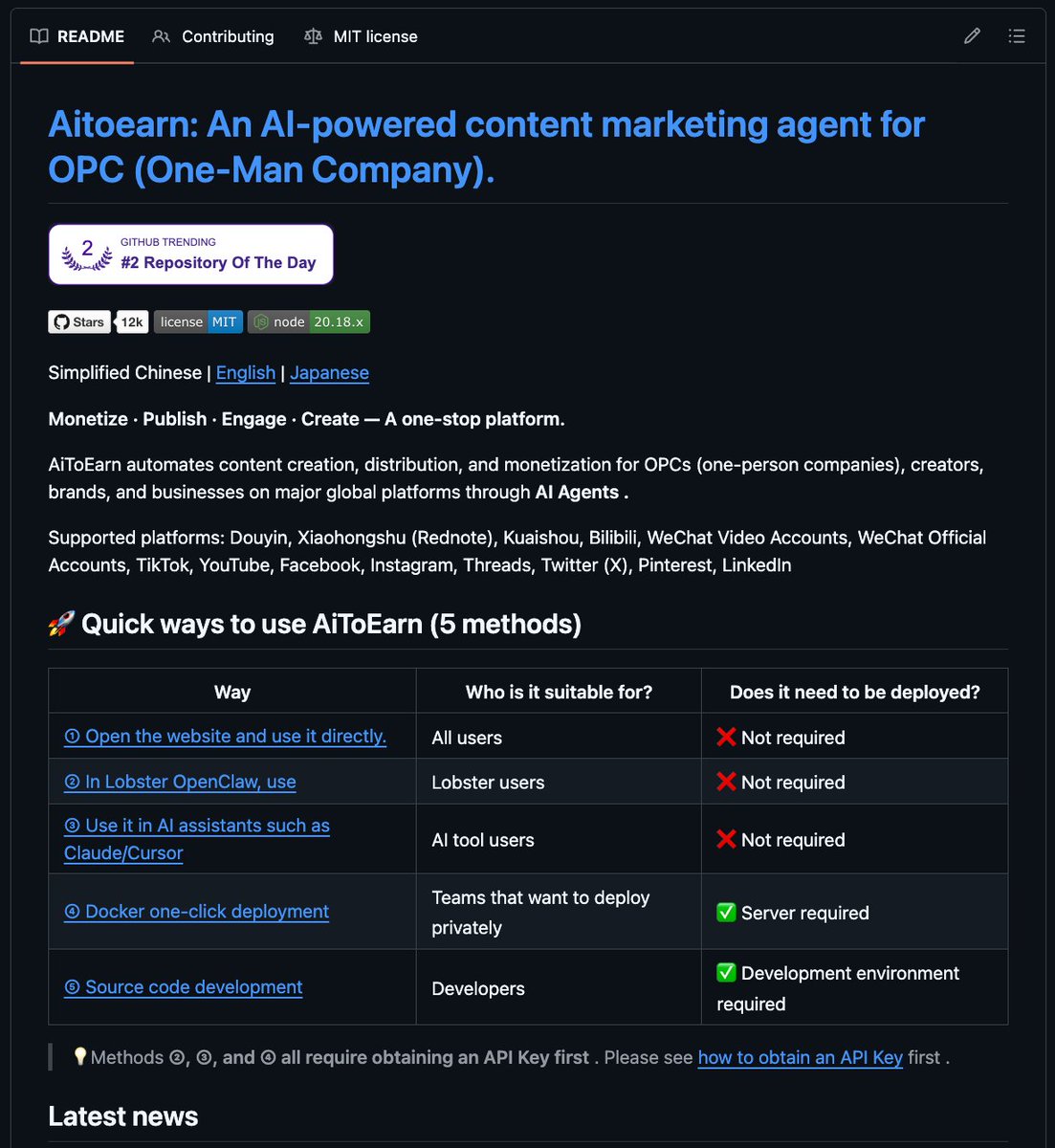
AiToEarn is a full AI agent for content marketing. Create, publish, engage, and monetize across 14 platforms from one place.
12,200 GitHub stars. 100% open source. MIT licensed.
What it does:
→ One-click publishing to TikTok, YouTube, X, Instagram, LinkedIn, Facebook, Threads, Pinterest, Bilibili, Douyin, Xiaohongshu, Kuaishou, WeChat Channels, WeChat Official
→ "All In Agent" auto-generates and publishes content for you
→ Trend Radar surfaces viral content before it peaks
→ Comment search detects buying signals like "link please" and "how to buy"
→ Calendar scheduler across every platform
→ Plugs into Seedance, Kling, Hailuo, Veo, Sora, Pika, Runway, Flux, GPT image
→ Self-host with one Docker command
Hootsuite is $99/month. Buffer is $100/month. Later is $80/month.
This is free.
Social media managers have charged $5k/month retainers for what this repo does in one click. That business model is done.
This woman is pulling $15,400 a month using nothing but a laptop and a $20 Claude subscription. No cameras. No big team. No professional editors.
She built a "content factory" where Claude is the brain and a 130-line Python script is the hands.
The system works like this:
1 deep topic → Claude writes the script → ElevenLabs voices it → CapCut assembles the clips → a script auto-posts to YouTube, TikTok, and Instagram while she sleeps.
8 income streams from one video:
YouTube AdSense, TikTok Shop, Reels Bonus, affiliate links, brand deals, and a $17 PDF guide. Total work time: 4 hours per week.
She simply feeds the AI a topic. Everything else -> from the first word of the script to the final publication -> is handled by the system.
GTA 6 drops in 6 months
> 0.01% will sell tools and make $50K+
> 0.1% will run servers at $5K/mo
> 1% will stream and cover rent
> 98.89% will just play
be at least 0.1%. (with Claude Code it's easy mission)
Some ideas nobody's running yet:
1. Sell FiveM scripts with zero coding experience
Claude writes Lua now. server owners pay $50-389 per script on the Cfx Marketplace
developers on Tebex report averaging €5,000+/mo within 90 days of launching
you don't need to know code. you need to know what server owners are desperate for:
- custom job systems
- economy balancers
- UI panels
- vehicle systems
- whitelist managers
1 script/week × 7 months = 30 products
if each sells 10 copies at $100 avg, DO THE MATH
2. Run a paid RP server as a subscription business
this is the one that sounds fake until you do the math
50 members × $15/mo = $750/mo
100 members × $20/mo = $2,000/mo
200 members × $20/mo = $4,000/mo
500 members × $25/mo = $12,500/mo
the top servers have WAITLISTS. people paying to get in
Claude builds every script you need: jobs, economy, housing, factions, police systems
you're not a developer. you're running a private club where members pay to stay
then grab gaming UGC clips and run them through an AI UGC engine (shorts, reels, TikToks)
BOOM, nearly free user acquisition
and you don't need to explain the demand. if they're watching GTA content, they're already dying to play. just show them your server exists
3. Build AI-powered NPC packs for server owners
RP servers live or die on immersion. right now most NPCs are lifeless markers on a map
connect Claude API to in-game NPCs and suddenly:
- shop owners haggle with players
- cops interrogate with real dialogue
- quest givers remember your backstory
- bartenders gossip about other players' crimes
no server has this yet. package it as a plug-and-play script at $200-500/server
100 servers and you feel good on what's nobody selling yet
4. Position yourself for the $240M GTA 6 creator economy
Rockstar acquired FiveM in 2023. launched the paid marketplace January 2026
currently hiring 4 Creator Platform roles
they're building the Roblox of GTA
Roblox paid creators $1B in 2025. top 10 averaged $33.9M each
GTA 6's player base is older, richer, and already spent $8.6B on GTA Online
the creator cut of that $8.6B was zero. because there was no creator economy
that changes with GTA 6
even if only 100,000 creators show up and it matches Roblox payouts
that's $10K/creator average. top 1% will clear $500K+
for making content inside a video game
this is the rare bottleneck where demand is guaranteed
6 months from now every niche will be taken
right now most of them are empty
the earlier you start, the less competition you face
it's your turn ❤️
Claude Code is now completely free forever 🤯
Google just dropped Gemma 4 on Ollama, which means you can run Claude Code locally with zero API bills and zero subscriptions.
Just install Gemma 4, connect it to Claude Code, and suddenly you have free AI agents running directly on your computer.
Google may have just killed AI subscription costs. 🚀
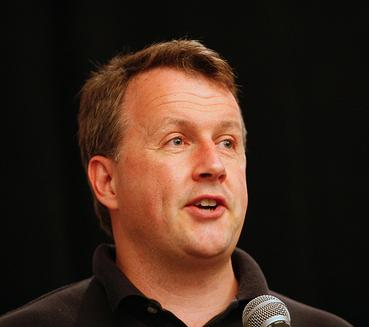
🚨BREAKING: Claude can now refine your startup idea like Paul Graham evaluates YC startups (for free).
Most ideas sound good. Few survive real scrutiny.
Here are 6 insane Claude prompts that pressure-test your idea before you waste months.
(Save before you build)
I built an AI ad factory that runs while I sleep.
The agent scrapes Reddit, finds what is viral, and turns headlines into trending AI UGC content. Automatically.
Claude writes the script. Arcads generates the videos. All links get saved in Google Sheets.
Takes 3 minutes start to finish. Zero editing.
I used to spend $500-$2,000 per video ad and wait weeks for creators to deliver.
Now I generate batches of 10-20 ads overnight and test what converts.
This is what Vibe Advertising actually looks like in practice, volume over perfection.
Comment "AGENT" and I'll DM you the full automation (must be following)
🚨 The most disrespectful thing someone has ever done to the AI industry:
Fit 51 models into one HTML file with zero dependencies and gave it away for free.
Read that again. One HTML file. Not an app. Not a platform. A file.
It's called G0DM0D3.
Drag it into your browser. You now have Claude, GPT-5, Gemini, Grok, Mistral, LLaMA, DeepSeek, Qwen, and 43 more models. Right there. No install.
No React. No Next.js. No node_modules. No build step. No backend. No server. Nothing.
Here's what's packed into this single file:
→ 51 AI models through one chat interface via OpenRouter
→ Race multiple models against each other in parallel
→ See which model gives the best answer side by side
→ Auto-tuning engine that adjusts temperature and sampling per context
→ Your API key never leaves your browser. Zero data collection.
→ Works on desktop and mobile
→ Self-host by opening a file. That's it. That's the deployment.
Here's the wildest part:
Every AI company on Earth built a team, raised millions, deployed servers, hired engineers, and built apps to give you access to their model behind a $20/month paywall.
This person built one HTML file that accesses all of them at once.
No team. No funding. No servers. No paywall. One file.
ChatGPT Plus: $20/month for one model.
Claude Pro: $20/month for one model.
Gemini Advanced: $20/month for one model.
This: 51 models. One file. Price of an API key.
Open Source. AGPL-3.0 License.
How to grow your app from 0 to 100k users (PLAYBOOK):
by the end, you'll know how to:
- get your first 10 paying customers without a funnel
- build organic growth that compounds monthly
- know exactly when to spend money and when not to
- turn your users into your best acquisition channel
here's the full 7-stage roadmap:
Stage 1 (0-10): find your niche and sell one person at a time
the biggest mistake is building for "everyone"
you don't need a market. you need 10 people who feel the pain so badly they'd pay you today
how to find them:
> pick one specific audience (who can potentially buy the solution)
> go where they already complain: X, Reddit, Slack communities, Discord servers
> read their exact words. the language they use to describe the pain = your marketing copy
> DM 50 people. not pitching. just asking "what's the most frustrating part of [problem]?"
your first 10 customers should feel like you read their mind
with my own product, I went to a conference and just talked about the problem I was solving
5 people wanted to buy before I had anything to sell, 50 are ready to test (at 2x price from basic costs)
metric to watch: conversion from conversation to "shut up and take my money"
mistake to avoid: building features before talking to humans
--------
Stage 2 (10-100): do things that don't scale
forget funnels. forget ads. forget automation
this stage is manual and it's supposed to be
how to get to 100:
> send 20-30 personalized DMs daily on X, Reddit, LinkedIn (not cold outreach!)
> post daily in communities where your audience already lives
> jump in free onboarding calls, watch how people use your product
> when someone leaves, always ask why (it happens often lol)
what this gives you:
1: real feedback that shapes your product into something people actually need
2: language and objections you'll use in marketing for the next 2 years
3: early advocates who tell their friends
the first 100 users will teach you more than any analytics dashboard ever will
don't scale until you've fixed everything these 100 people found broken
metric to watch: how many users come back after week 1
mistake to avoid: automating too early and losing the human feedback loop
--------
Stage 3 (100-500): fix retention before chasing growth
this is where most apps die silently
they keep acquiring users while losing them out the back door
before you spend a single minute on growth, answer these:
1: what % of users are still active after 7 days? 30 days?
2: where exactly do people drop off in onboarding?
3: what does your "WOW moment" look like and how fast do users reach it?
how to fix retention:
> cut time to value. 10 steps to feel the product? make it 3
> one email sequence that gets users to their first win in 24hrs
> remove features that confuse more than they help
> talk to churned users. after 10 calls the pattern is obvious
your target: get churn below 5% monthly before moving to stage 4
because growing with 15% churn is like filling a bucket with a hole in it
metric to watch: monthly churn rate and day-1 retention
mistake to avoid: adding features instead of fixing the experience
--------
Stage 4 (500-1k): build your organic engine and referral system
now you've got the right to scale
two engines to build simultaneously:
content engine:
- pick 2 platforms max (X + LinkedIn, or YouTube + TikTok depending on your audience)
- post 5x/week minimum. document your building process, share insights, show results
- every post should teach one thing or prove one result
- repurpose: one idea = 1 long post + 3 short posts + 1 thread across platforms
referral engine:
- trigger "invite a friend" right when users feel the most value
- reward both sides: extended trial, premium feature, or credit
- make sharing one click with a pre-written message
- track top referrers and treat them like VIPs
this is where growth starts compounding. content brings strangers. referrals bring warm leads. both are free
metric to watch: viral coefficient (how many new users each existing user brings)
mistake to avoid: spreading across 5 platforms and doing all of them poorly
--------
Stage 5 (1k-10k): partnerships, affiliates, and first paid experiments
organic alone hits a ceiling. now you layer
partnerships:
> find products with the same audience but no competition
> propose co-marketing: joint webinars, shared newsletters, bundles
> one right partnership can bring 500+ users overnight
affiliates and BDs:
> launch an affiliate program with 20-30% recurring commission
> recruit creators who already talk to your audience
> find 2-3 BDs to sell your product on commission base
first paid channels:
> only test ads when you know your CAC and LTV cold
> start with retargeting (cheapest and highest intent)
> test one cold channel: Meta for B2C, LinkedIn/Google for B2B
> $500-1k/mo to test. scale only what's profitable in 30 days
metric to watch: CAC to LTV ratio (aim for 1:3 minimum)
mistake to avoid: spending on ads before your funnel converts organically
--------
Stage 6 (10k-50k): scale what works, kill what doesn't
at this stage you already know your channels. now it's about efficiency
what to do:
1: double down on your top 2 channels. kill the rest
2: make your first growth hire
3: automate onboarding, emails, and referral tracking
4: build a community around the product: Discord, Slack, or Circle
the community is your moat:
> users help each other (reduces support costs)
> feature requests come directly from power users
> community members have 2-3x higher retention than non-members
> it creates switching costs that competitors can't copy
metric to watch: revenue per employee and growth rate month over month
mistake to avoid: hiring too fast and burning cash before the model is proven
--------
Stage 7 (50k-100k): brand, moat, and paid scale
you're no longer just an app. you're a brand
how to think about this stage:
> brand is why someone picks you over 10 alternatives without comparing features
> invest in design, storytelling, positioning, make the product feel inevitable
> go bigger: conferences, podcasts, media, Product Hunt at scale
paid acquisition at scale:
- increase ad budget on proven channels
- test new channels (influencer marketing, sponsorships, programmatic)
- build lookalike audiences from your best customers
- keep CAC under control as you scale, it will try to climb
protect the moat:
1: deepen community engagement
2: build integrations and partnerships that make leaving painful
3: create content flywheel that compounds (SEO, YouTube library, newsletter archive)
metric to watch: brand search volume and organic vs paid ratio
mistake to avoid: letting paid acquisition become your only growth channel
--------
CONCLUSION
most apps die between 100 and 1,000 users because founders skip retention and jump straight to ads
the truth is: the first 3 stages are ugly, manual, and slow
but they build the foundation that makes stages 4-7 feel like gravity
start narrow. fix retention. then scale
Growth is a system, make it effective ♥️
P.S. since this day, I will start showing what I build in public to show you how I grow revenue in my apps
make the products and do an immediate ship for less than 1 week
and how you can repeat this system.








![DeRonin_'s tweet photo. How to grow your app from 0 to 100k users (PLAYBOOK):
by the end, you'll know how to:
- get your first 10 paying customers without a funnel
- build organic growth that compounds monthly
- know exactly when to spend money and when not to
- turn your users into your best acquisition channel
here's the full 7-stage roadmap:
Stage 1 (0-10): find your niche and sell one person at a time
the biggest mistake is building for "everyone"
you don't need a market. you need 10 people who feel the pain so badly they'd pay you today
how to find them:
> pick one specific audience (who can potentially buy the solution)
> go where they already complain: X, Reddit, Slack communities, Discord servers
> read their exact words. the language they use to describe the pain = your marketing copy
> DM 50 people. not pitching. just asking "what's the most frustrating part of [problem]?"
your first 10 customers should feel like you read their mind
with my own product, I went to a conference and just talked about the problem I was solving
5 people wanted to buy before I had anything to sell, 50 are ready to test (at 2x price from basic costs)
metric to watch: conversion from conversation to "shut up and take my money"
mistake to avoid: building features before talking to humans
--------
Stage 2 (10-100): do things that don't scale
forget funnels. forget ads. forget automation
this stage is manual and it's supposed to be
how to get to 100:
> send 20-30 personalized DMs daily on X, Reddit, LinkedIn (not cold outreach!)
> post daily in communities where your audience already lives
> jump in free onboarding calls, watch how people use your product
> when someone leaves, always ask why (it happens often lol)
what this gives you:
1: real feedback that shapes your product into something people actually need
2: language and objections you'll use in marketing for the next 2 years
3: early advocates who tell their friends
the first 100 users will teach you more than any analytics dashboard ever will
don't scale until you've fixed everything these 100 people found broken
metric to watch: how many users come back after week 1
mistake to avoid: automating too early and losing the human feedback loop
--------
Stage 3 (100-500): fix retention before chasing growth
this is where most apps die silently
they keep acquiring users while losing them out the back door
before you spend a single minute on growth, answer these:
1: what % of users are still active after 7 days? 30 days?
2: where exactly do people drop off in onboarding?
3: what does your "WOW moment" look like and how fast do users reach it?
how to fix retention:
> cut time to value. 10 steps to feel the product? make it 3
> one email sequence that gets users to their first win in 24hrs
> remove features that confuse more than they help
> talk to churned users. after 10 calls the pattern is obvious
your target: get churn below 5% monthly before moving to stage 4
because growing with 15% churn is like filling a bucket with a hole in it
metric to watch: monthly churn rate and day-1 retention
mistake to avoid: adding features instead of fixing the experience
--------
Stage 4 (500-1k): build your organic engine and referral system
now you've got the right to scale
two engines to build simultaneously:
content engine:
- pick 2 platforms max (X + LinkedIn, or YouTube + TikTok depending on your audience)
- post 5x/week minimum. document your building process, share insights, show results
- every post should teach one thing or prove one result
- repurpose: one idea = 1 long post + 3 short posts + 1 thread across platforms
referral engine:
- trigger "invite a friend" right when users feel the most value
- reward both sides: extended trial, premium feature, or credit
- make sharing one click with a pre-written message
- track top referrers and treat them like VIPs
this is where growth starts compounding. content brings strangers. referrals bring warm leads. both are free
metric to watch: viral coefficient (how many new users each existing user brings)
mistake to avoid: spreading across 5 platforms and doing all of them poorly
--------
Stage 5 (1k-10k): partnerships, affiliates, and first paid experiments
organic alone hits a ceiling. now you layer
partnerships:
> find products with the same audience but no competition
> propose co-marketing: joint webinars, shared newsletters, bundles
> one right partnership can bring 500+ users overnight
affiliates and BDs:
> launch an affiliate program with 20-30% recurring commission
> recruit creators who already talk to your audience
> find 2-3 BDs to sell your product on commission base
first paid channels:
> only test ads when you know your CAC and LTV cold
> start with retargeting (cheapest and highest intent)
> test one cold channel: Meta for B2C, LinkedIn/Google for B2B
> $500-1k/mo to test. scale only what's profitable in 30 days
metric to watch: CAC to LTV ratio (aim for 1:3 minimum)
mistake to avoid: spending on ads before your funnel converts organically
--------
Stage 6 (10k-50k): scale what works, kill what doesn't
at this stage you already know your channels. now it's about efficiency
what to do:
1: double down on your top 2 channels. kill the rest
2: make your first growth hire
3: automate onboarding, emails, and referral tracking
4: build a community around the product: Discord, Slack, or Circle
the community is your moat:
> users help each other (reduces support costs)
> feature requests come directly from power users
> community members have 2-3x higher retention than non-members
> it creates switching costs that competitors can't copy
metric to watch: revenue per employee and growth rate month over month
mistake to avoid: hiring too fast and burning cash before the model is proven
--------
Stage 7 (50k-100k): brand, moat, and paid scale
you're no longer just an app. you're a brand
how to think about this stage:
> brand is why someone picks you over 10 alternatives without comparing features
> invest in design, storytelling, positioning, make the product feel inevitable
> go bigger: conferences, podcasts, media, Product Hunt at scale
paid acquisition at scale:
- increase ad budget on proven channels
- test new channels (influencer marketing, sponsorships, programmatic)
- build lookalike audiences from your best customers
- keep CAC under control as you scale, it will try to climb
protect the moat:
1: deepen community engagement
2: build integrations and partnerships that make leaving painful
3: create content flywheel that compounds (SEO, YouTube library, newsletter archive)
metric to watch: brand search volume and organic vs paid ratio
mistake to avoid: letting paid acquisition become your only growth channel
--------
CONCLUSION
most apps die between 100 and 1,000 users because founders skip retention and jump straight to ads
the truth is: the first 3 stages are ugly, manual, and slow
but they build the foundation that makes stages 4-7 feel like gravity
start narrow. fix retention. then scale
Growth is a system, make it effective ♥️
P.S. since this day, I will start showing what I build in public to show you how I grow revenue in my apps
make the products and do an immediate ship for less than 1 week
and how you can repeat this system.](https://pbs.twimg.com/media/HElEjguaIAA7BRp.jpg)


