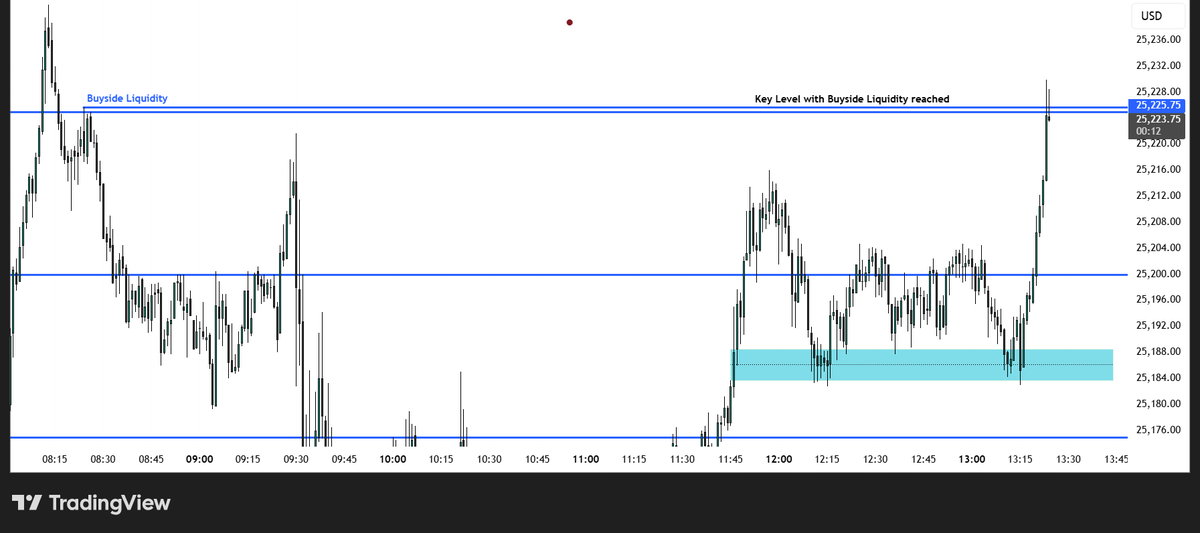
NQ PM Session 3rd of October Short.
Back to trading, with the assistance of @eckhardtdreyer, we have been building some indicators that will be available soon. Who still plots manually?
Thanks to @I_Am_The_ICT for making the concepts available to all.
@I_Am_The_ICT Your view makes God dependent on creation to be loving. In classical Christian theology, God’s attributes are eternal, not tied to the created order. Love is not something He “acquired” after creation—it is who He is in Himself.
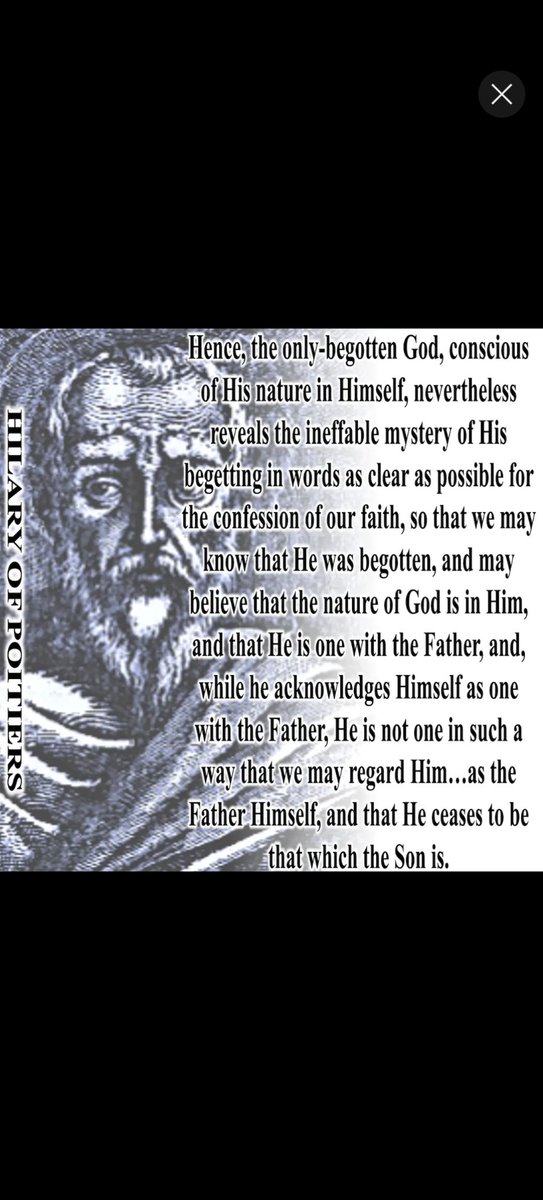
@I_Am_The_ICT I mean no disrespect, but in saying the Father is the Son (in your Berean Study), you make God out like some schizophrenic—talking to Himself, sending Himself, loving Himself—when Scripture shows a real Father–Son relationship.
(continues 👇)
@I_Am_The_ICT In Trinitarian thought this makes sense: Father, Son, and Spirit eternally love one another. So when Scripture says “God is love” (1 Jn 4:8), it speaks of His very essence. If God were a solitary monad, He could not love until He created.
@I_Am_The_ICT That reduces love to an accident, not an eternal perfection. It means God would need creation to be fully Himself—which is not the God of Scripture. The Bible shows eternal love before creation, not a God who only “becomes” love afterward.
@I_Am_The_ICT You also claim the Trinity “emerged” in the 3rd century. False. Modalism arose in the late 2nd/early 3rd centuries through Praxeas, Noetus, and Sabellius. Trinitarian confession is apostolic, grounded in Christ’s teaching, echoed early in the church.
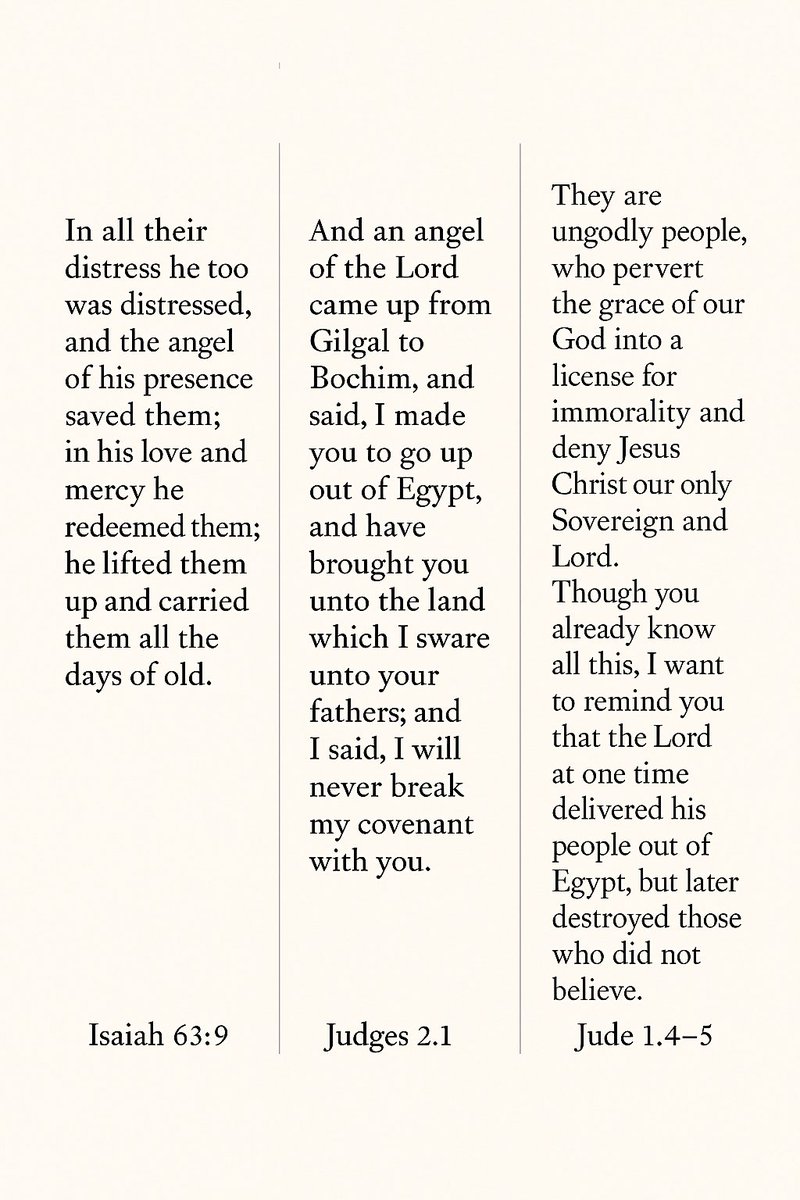
@I_Am_The_ICT Proverbs 30:4: “Who has gone up to heaven and come down? Who has gathered the wind in His hands? Who has wrapped the waters in a cloak? Who has established all the ends of the earth? What is His name, and what is His Son’s name? Surely you know!”