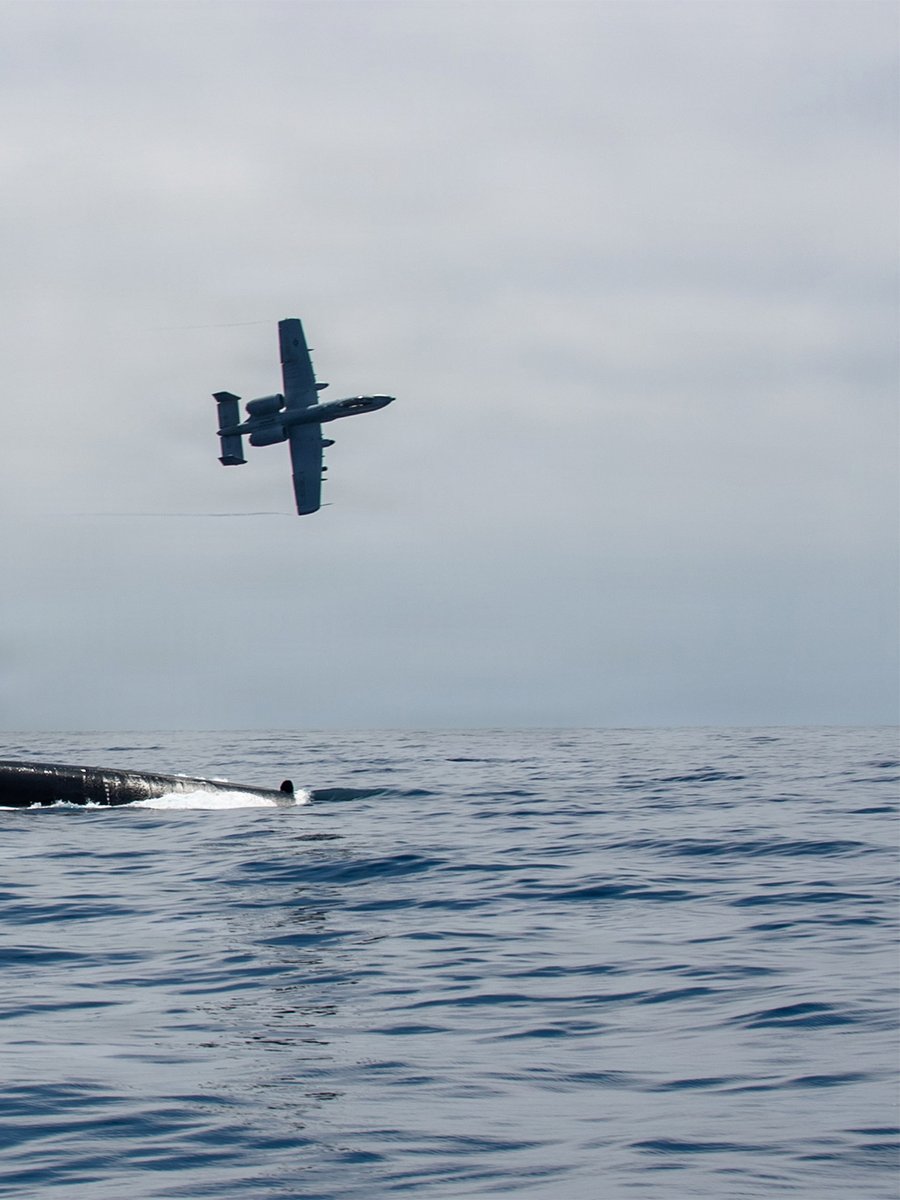
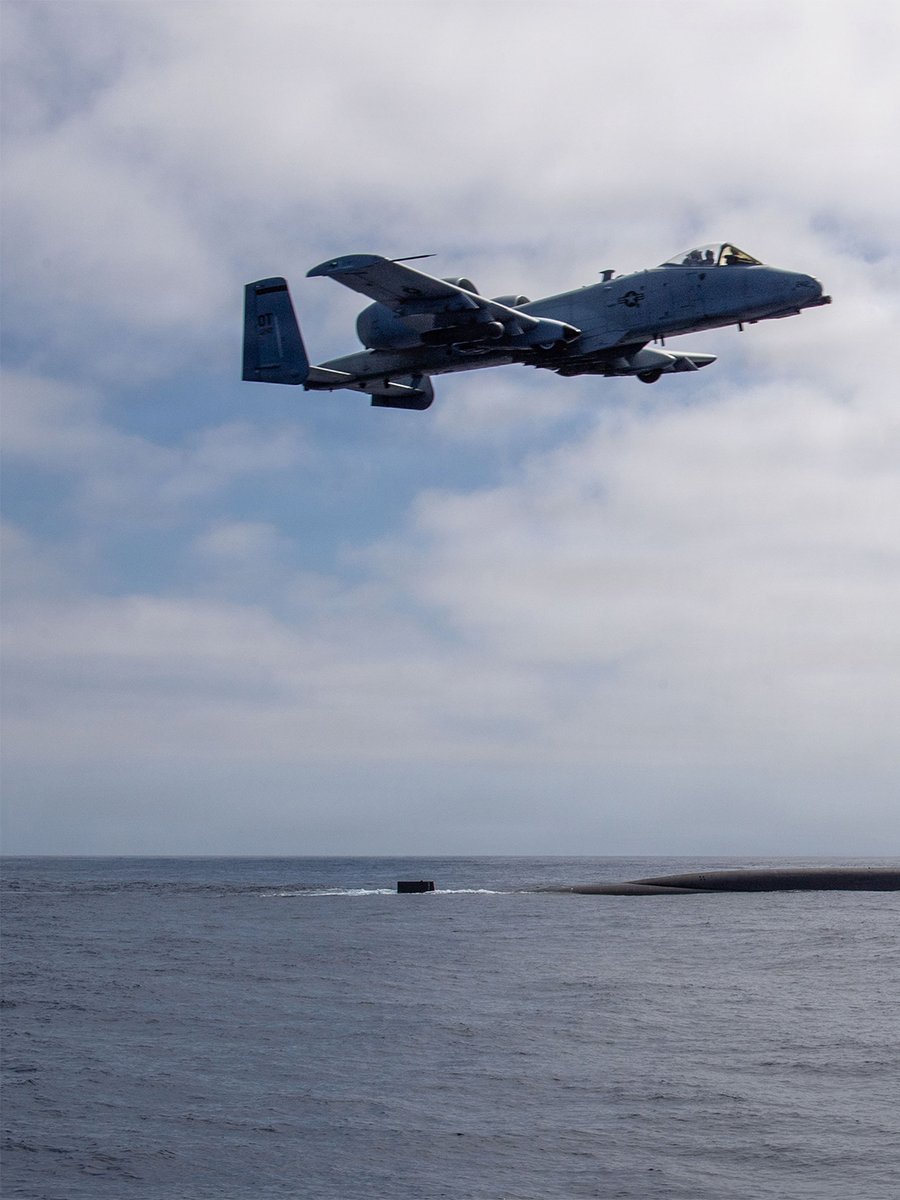
Brrrrt meets Boomer.
One loud. One quiet. Both ready.
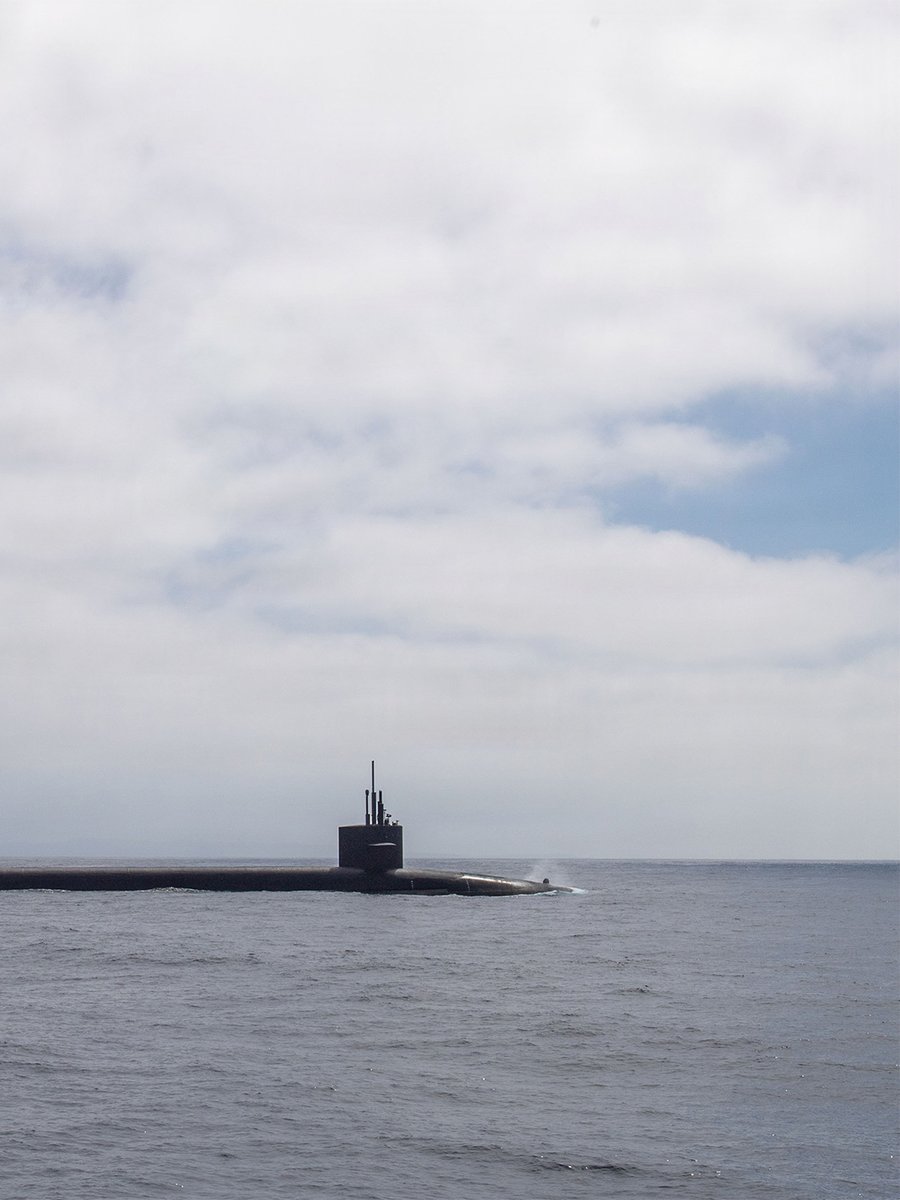
A U.S. Air Force A-10 Thunderbolt II escorts Ohio-class ballistic missile submarine USS Nebraska (SSBN 739) in the Pacific Ocean.
The Navy's ballistic missile submarines, often referred to as "boomers," provide a survivable, sea-based leg of the nation's nuclear triad.
@kylecurry@DesireeAmerica4 Wait, so we’re really gonna act like a couple more threes would’ve solved everything, or are we just ignoring the literal defensive wall she’s running into every night?😅
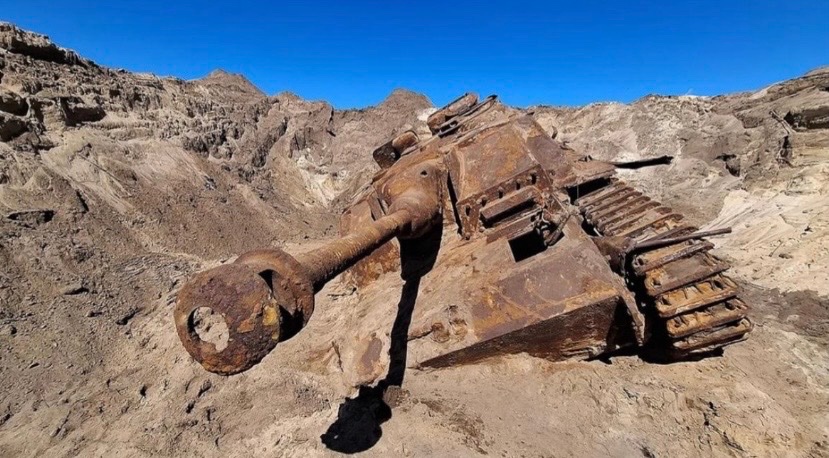
A remarkable discovery was made during construction work at Nordholz Naval Air Base in Lower Saxony, Germany, in 2026. A Sturmgeschütz III assault gun had remained buried beneath sandy soil for more than 80 years and was found in an unusually well-preserved condition. The vehicle was recovered on June 1, with experts suggesting that the sandy ground helped protect it from further deterioration.
The mystery of how the vehicle ended up underground was also uncovered. According to the Cuxhaven district archaeology office, Allied forces disposed of the abandoned StuG III after World War II by pushing it into a former defensive trench and covering it with sand. Similar methods were used in the postwar period to bury leftover military equipment in trenches and bomb craters.
The StuG III was built on the chassis of the Panzer III but differed from traditional tanks because it lacked a rotating turret. Instead, its 75 mm cannon was fixed inside a low armored superstructure, meaning the entire vehicle had to turn to aim at targets outside the gun’s limited range of movement.
Originally designed to provide infantry support, the StuG III evolved into one of Germany’s most effective anti-tank vehicles during World War II. The recovered vehicle appears to be a later-production model, and specialists plan to preserve it rather than restore it to a like-new appearance. It is expected to be displayed at the German Tank Museum in Munster before eventually moving to the Bundeswehr Military History Museum in Dresden.
The StuG III became the most-produced fully tracked armored fighting vehicle used by the Wehrmacht. Its turretless design made it cheaper and easier to manufacture than conventional tanks while still allowing it to carry a powerful gun, making it one of Germany’s most significant armored vehicles of the war.
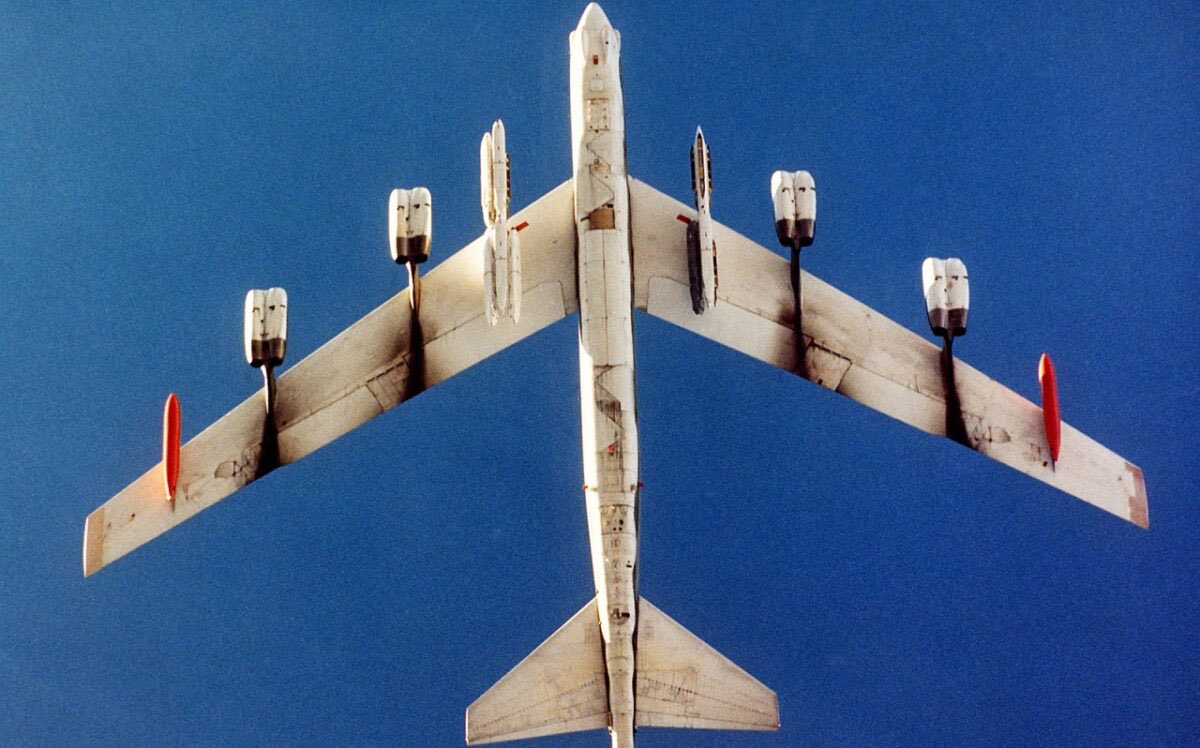
At maximum takeoff weight, fuel accounts for 64% of the total 488,000 lbs.
Airframe: 38%
Payload: 14%
Yes, this adds up to more than 100%.
Do you know why?
Congratulations to the @Armee_de_lair and Sécurité Civile @SecCivileFrance for the first successful #A400M deployment to fight the wildfires in South West of France.
On July 25, a FFrench Air & Space Force A400M has been equipped with a Roll-on/Roll-off (RO-RO) firefighting prototype kit to support the efforts in the combat against wildfires.
The operation consisted of dropping nearly 22 tonnes (20,000 litres) of retardant creating extensive containment lines ahead of fast-moving fire fronts.
Stay tuned, more information soon…
Airbus's A350-1000ULR has made history, touching down in Melbourne on Friday morning, completing a near-17,000km journey from France to Australia as Qantas edges closer to making ultra-long-haul flights a reality.
Right now. C-17s are surging to the Gulf and establishing another “air bridge.”
An air bridge is that critical aerial highway the Air Force builds when we need to move people, planes, and supplies across oceans or vast distances in a hurry—think of it as a continuous pipeline of cargo jets and tankers stretching from the homeland to the fight.
It’s not some fancy theory; it’s the practical combination of strategic airlifters like the C-17s hauling the heavy stuff, tankers keeping everyone topped off mid-flight so fighters and bombers can cross without constant landings, and the ground teams at every stop keeping the whole operation humming.
Without that air bridge, global reach becomes a slog; with it, we project power fast and keep the force sustained wherever the mission takes us.
The big takeaway? We already have more than 50,000 troops in the region. We’re surging more…much more.
Moving the mission, boys! Bend over, Iran.🇺🇸🔥✈️
The Mississippi River and the network of waterways that feed into it.
The Mississippi River system drains more than 40% of the continental United States, stretching across 31 states. This vast watershed depends on an extensive network of tributaries that gather water from across the continent.
From the west, the Missouri River—its longest tributary—joins the system near St. Louis. From the east, the Ohio River contributes the greatest volume of water to the main channel. Additional key tributaries, including the Arkansas and Red Rivers, carry runoff from the southern plains and the Rocky Mountains.
Together, these interconnected waterways form a crucial commercial shipping corridor and play a defining role in shaping North America’s geography.