🚨 JUSTICE for ATHENA 🚨
Former FedEx Driver Tanner Horner Sentenced to DEATH for the Brutal Murder of 7-Year-Old Athena Strand
A Texas jury unanimously handed down the death penalty today for Tanner Horner, who pleaded guilty to kidnapping, assaulting, and killing the little girl.
"We intentionally ran him over...don't shoot at cops."
A California sheriff says an armed suspect killed a deputy and barricaded himself when an eviction notice was served — but is now dead and "got what he deserved."
Respectfully, many years and many administrations have tried without success to sway the terrorist Khomeini into joining civilization. The results have only been the unspeakable torture and murder of tens of thousands of people in their own country and around the world, including Americans. There comes a time when that regime must be taken out permanently. That time is now.
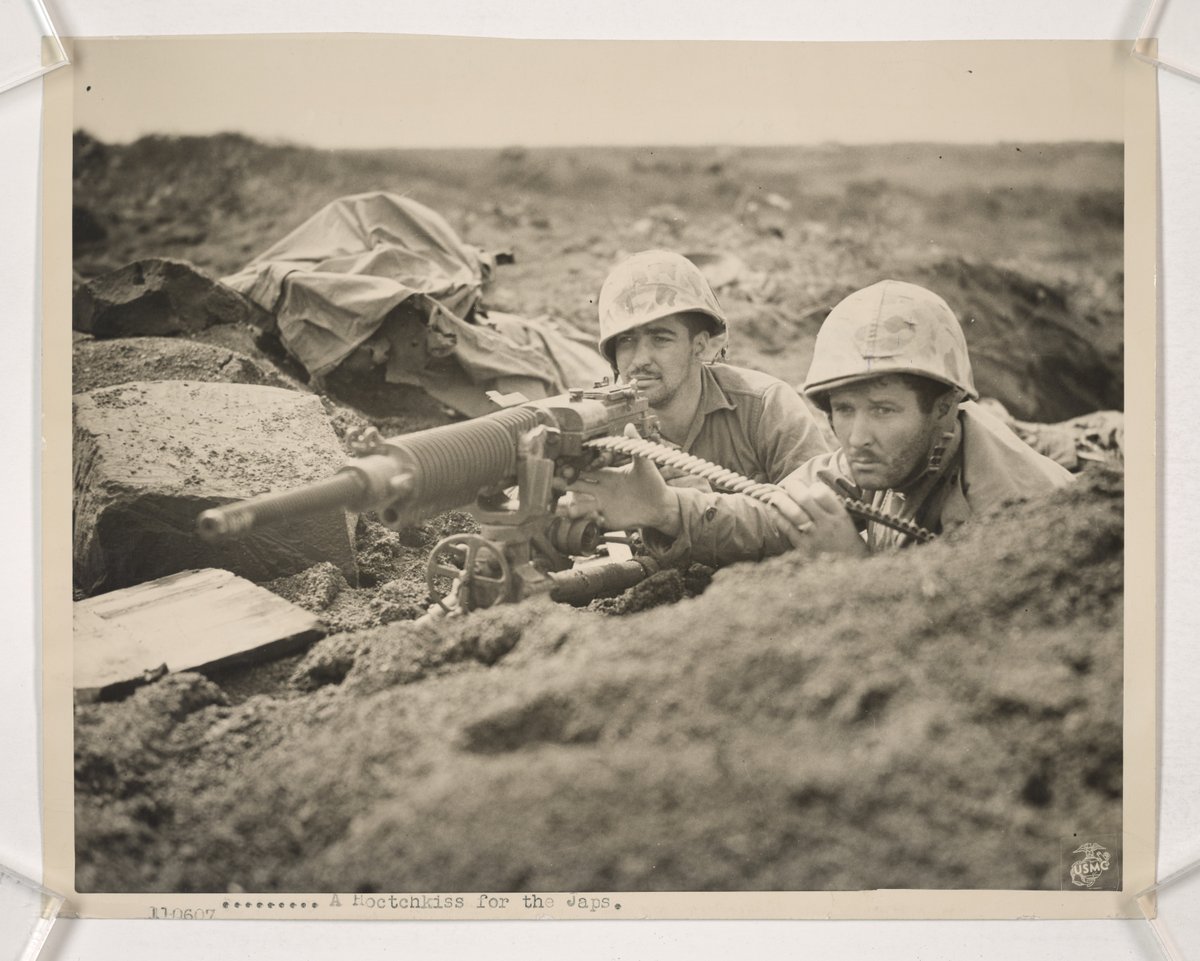
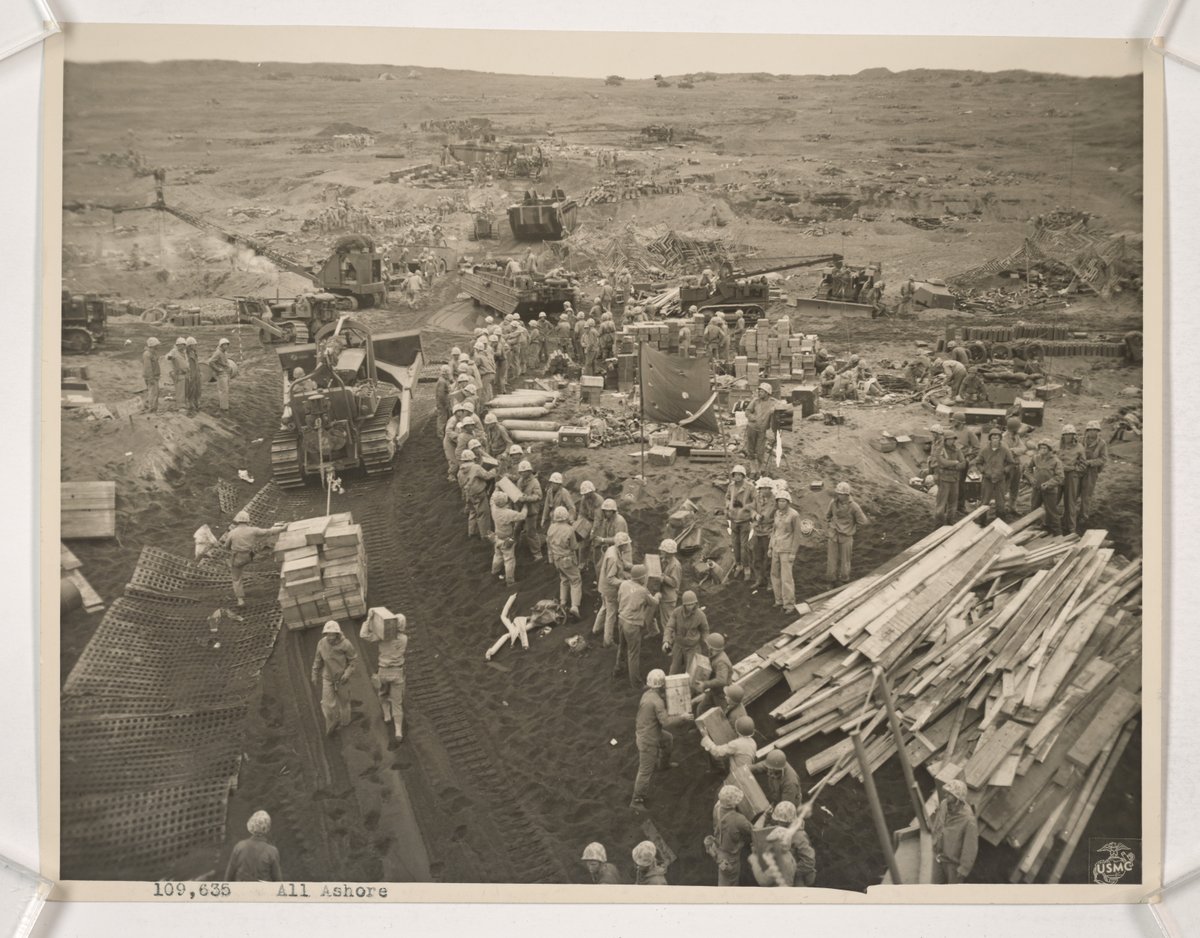
#OTD in 1945, the fight for Iwo Jima commenced, marking the start of one of the bloodiest battles in the history of the Marine Corps.
For 36 days, more than 80,000 @USNavy Sailors and Marines from the @3d_Marine_Div, @marforres, and 5th Marine Divisions confronted a deeply entrenched and determined enemy on the island’s volcanic rock.
Japanese forces raked the beaches with devastating fire, but the Marines pushed forward. They seized the high ground of Mount Suribachi within days and, after a month of relentless combat, secured the island.
Today, the image of the flag-raising on Mount Suribachi endures as a powerful symbol of American unity, sacrifice, and the unbreakable will of a Marine.
On this date in 1968, the Battle of Hue City in Vietnam began, plunging U.S. Marines into some of the most intense urban combat in the history of the Corps. Part of the unexpected Tet Offensive, the struggle for this ancient imperial capital would evolve into a brutal, month-long siege.
Strategically located near key American supply routes close to the Demilitarized Zone, Hue City was nearly overrun by soldiers from the North Vietnamese Army. Supported by elements of the U.S. Army’s 1st Cavalry Division and South Vietnamese forces, Marines with the 1st Marine Division fought house-to-house and street-to-street to reclaim the city.
NVA forces were deeply entrenched, using concrete buildings as fortified bunkers. In addition to infantry riflemen, their positions were reinforced with snipers, machine gun nests, and mortar teams, creating a formidable defense.
Additionally, Marines initially entered the city with limited tank and artillery support and restricted rules of engagement, designed to protect the historic city.
Adapting to an already difficult circumstance, corporals and sergeants took command of units as officers were wounded and killed as the battle raged on, after being targeted by NVA forces seeking to reduce the Marines’ command and control leadership abilities.
The extraordinary courage and adaptability displayed by Marines who fought in Hue left an indelible mark on the Corps. Their actions set a benchmark in urban warfare that is still taught to recruits and officer candidates to this day.