Safety Reminder: Lead-acid batteries produce hydrogen gas during charging, which is highly flammable. Be sure to keep the area well-ventilated to prevent a buildup of gas.
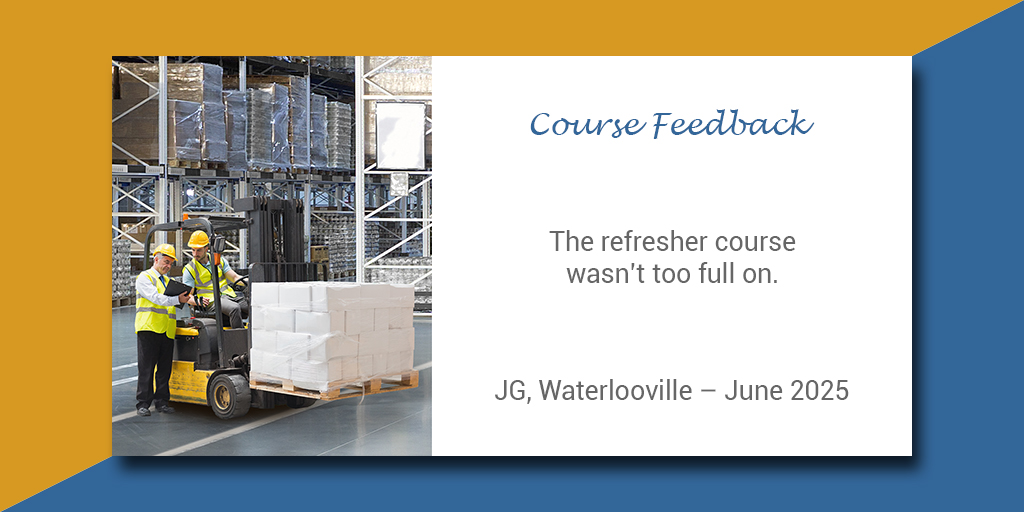
We recently delivered a counterbalance forklift safety refresher course in Waterlooville, Hampshire. After completing the training, we asked the trainees to fill out a short feedback form. When asked, what did you like most about the training? Here is one of the replies.
Maintenance Tip: If your fleet uses lead‑acid batteries, consider a deionised water system. These units convert tap water into deionised water, helping protect batteries and extend their life.
Learn more here: https://t.co/dkdgDjkX2q
A forklift may have sufficient lifting capacity but still be unsuitable for its workplace.
Operating space, ground conditions and load characteristics all matter.
Under PUWER, suitability must reflect the intended use and associated risks.
https://t.co/diZJiUFNnJ
If you’re using a non-integrated working platform on your forklift truck, you must be familiar with this guide issued by the Health and Safety Executive. It’s free, follow the link.
https://t.co/mI9yNs5UEo
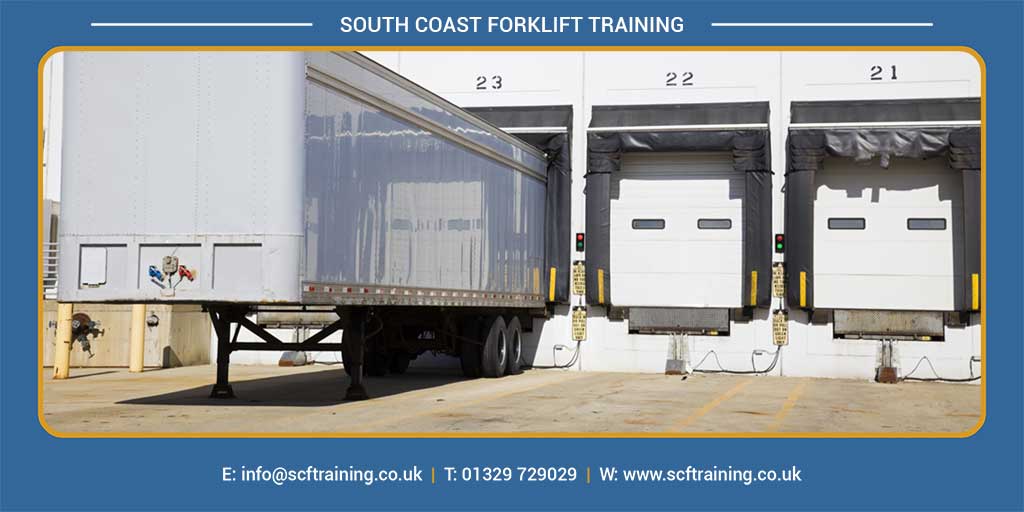
Safety Procedure: Once a lorry and trailer are reversed onto a loading bay, the driver must ensure the parking brake is applied, remove the keys, and relocate to a safe, designated area to await further instructions.
Technology Options: This video from Mitsubishi asks the question, “What technology should you look for in your next electric forklift truck?”
https://t.co/L4hm9PyT9Z
Maintenance Reminder: A lift truck’s thorough examination and inspection is required at a minimum interval of 12 months. You’ll find a local company to carry this out here:
https://t.co/CqX1Zo22iw
PUWER is legislation, not an Approved Code of Practice.
HSE publication L22 contains the regulations, an ACOP and supporting guidance. Each has a different legal status.
Our guide explains the distinction.
https://t.co/diZJiUGldh
Safety Tip: When using an operator-up VNA lift truck in an elevated position, sound the horn with a few short blasts before lowering the cab. Listen for a response and, if clear, lower the cab straight down. This practice ensures that the area is clear, preventing accidents.
Safety Tip: When entering and exiting a lift truck, maintain three fixed points of contact. Use handholds instead of the steering wheel, as it may move and result in a fall. Follow this procedure to prevent falls and ensure a safe entry and exit.