all those years of “omg their whiskers are smudged because they pressed their noses together!!!” and it was not only true but on the internet the whole time is actually crazy
bloqueando a todos los ridículos del tl que andan festejando el 4 de julio o felicitando a los gringos amigo te llamas ixchel anacaona quispe nahuelpan ten algo de orgullo en ello
#NPSHistory The Mystery Flesh Pit was discovered by a water-drilling crew in 1973. Members of the local oil industry at the time helped turn that small accident into a major discovery!
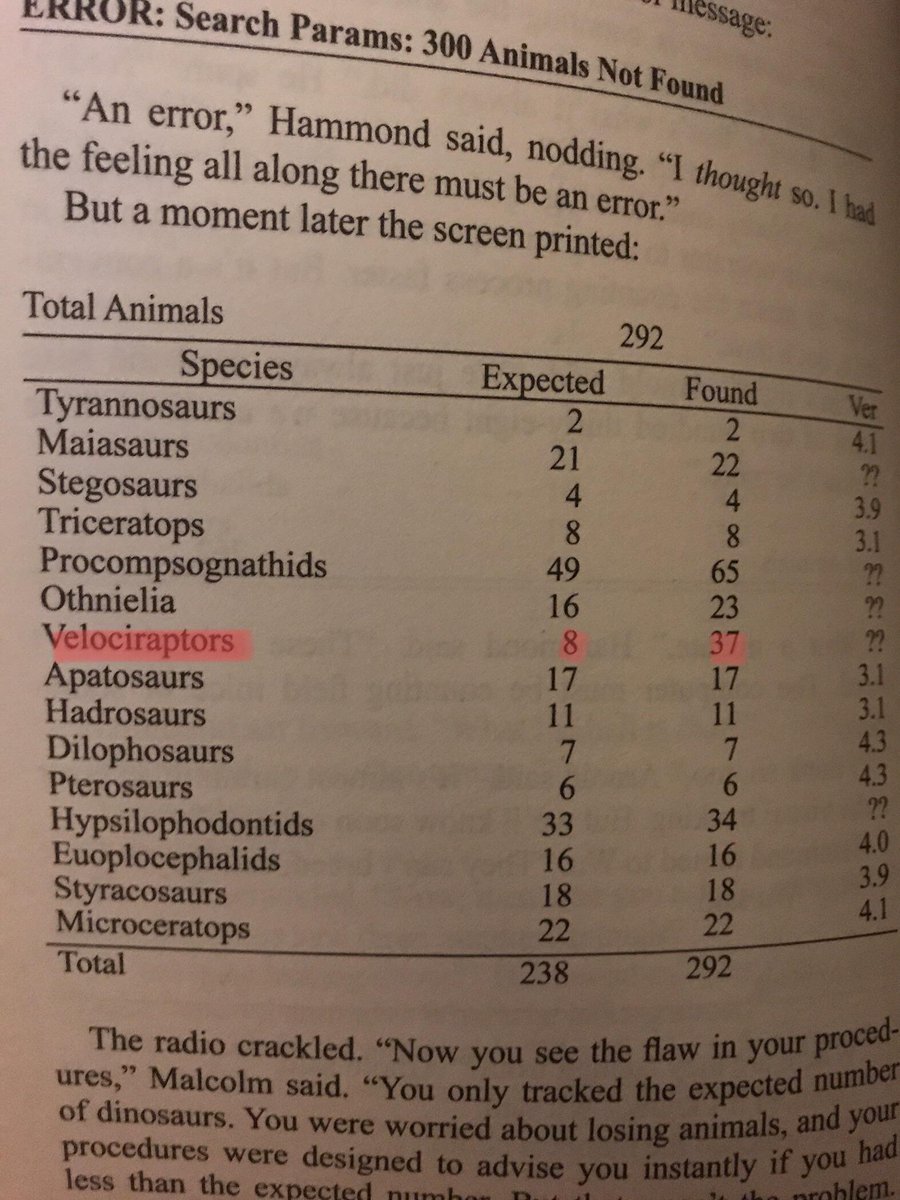
The Jurassic Park film really dropped the ball regarding the core problem being raised by the book:
The biggest threat isn't the problem you're focusing on. It's the thing you never considered a possibility in the first place.
In the movie, you find out the dinosaurs are breeding on their own for a single scene and then it never becomes a plot point again. The only raptors they have to deal with are the three that escaped from the paddock when the electricity went out.
In the book, there are supposed to be 8 raptors. The system is designed to throw an alert if there are ever fewer than expected.
Nobody thought to add an alarm or interface for if there were more than expected, and by the time they figure it out there are over three dozen of the damn things running loose.
Think about how this can apply elsewhere. Not just industrial applications, but philosophically, economically, politically, or socially:
What looming catastrophe are you ignoring because you are so focused on its opposite?
What dangers and evils are you allowing to grow unchecked because you never considered them as a possibility?
How are you planning to celebrate #July4th ? Mystery Flesh Pit National Park will be hosting a Concert and Fireworks show beginning at 8:30 PM CST. The event is almost sold out, but tickets are still available at the entry gate! #NationalParkService#MysteryFleshPit#America250
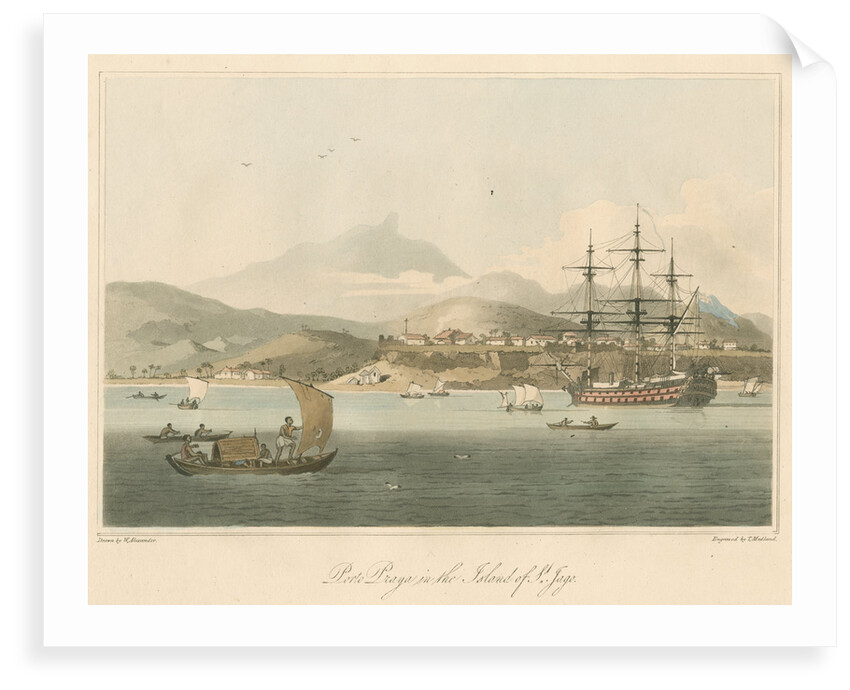
Argentina v Cape Verde is the only World Cup Round of 32 match where both teams’ geography helped shape mankind's thinking about evolution.
Charles Darwin studied volcanic rocks and marine shells in Cape Verde, helping him grasp how Earth changes over the eons. In Argentina, he collected fossils of extinct mammals and compared them with living ones, giving him evidence that life itself had changed over time.
Stay tuned for more cutting-edge, geography-based World Cup analysis.