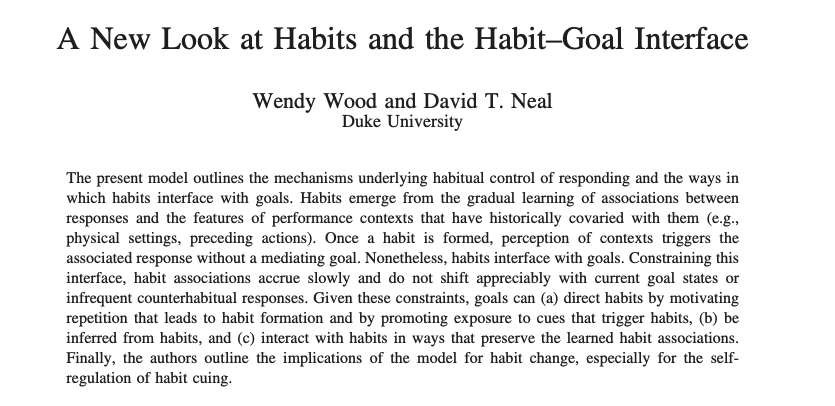
In 2011, researchers David Neal, Wendy Wood, and Jeffrey Quinn conducted an experiment that revealed something disturbing about human behavior change.
They studied students who had recently transferred universities and compared their habits to students who remained at their original schools.
The transfer students showed dramatic shifts in their daily patterns within weeks of arriving in their new environment. Students who had been eating unhealthy food for years suddenly developed better eating habits. Chronic procrastinators became more organized. People who never exercised started going to campus gyms regularly.
The control group of students who stayed at their original universities? Their behaviors remained virtually identical across the same time period, despite many of them having identical goals for personal improvement.
The environmental disruption of transferring schools had accomplished what years of willpower and motivation could not.
Your brain consumes roughly 20% of your body's energy despite being only 2% of your mass. That computational expense means it has developed an obsession with efficiency that overrides almost every other priority, including your conscious goals. Every decision you make, every path you walk, every person you talk to gets filed into pattern recognition algorithms that your brain uses to automate future behavior.
The result is something you experience as life feeling like it's on autopilot.
After about 18 months of living the same routine, your brain begins treating your daily choices not as conscious decisions but as automatic responses to environmental cues. You wake up, check your phone, eat the same breakfast, take the same route to work, have the same conversations, consume the same content, make the same weekend plans. Each repetition strengthens neural pathways that make those patterns easier to execute and harder to deviate from.
Your identity becomes the stories your brain tells about these patterns. "I'm not a morning person." "I'm bad with money." "I'm not the type who goes to the gym." These aren't personality traits. They're behavioral predictions your brain makes based on recent data, and then those predictions become the lens through which you filter future opportunities.
The frightening part is that you don't notice this happening because it feels like personal preference evolving naturally. You're not choosing the same things repeatedly because you're stuck. You're choosing them because they feel increasingly "right" for who you are. Your brain is rewriting your sense of identity to match your behavioral patterns rather than the other way around.
The person you think you want to become is competing against the person your brain has already decided you are.
But the university transfer study reveals something most people miss: the reason your next five years will replicate your last five isn't because change is impossible. It's because you haven't disrupted the environmental cues that trigger your automated behavior patterns.
Your brain doesn't distinguish between "good" and "bad" habits when it automates behavior. It only recognizes efficiency. If checking social media first thing in the morning has become automatic, your brain doesn't evaluate whether that serves your goals. It just notices that the cue leads to the routine leads to the reward, and it strengthens that loop regardless of consequences.
The leverage point for changing your next five years isn't willpower or motivation or better goal setting. It's environmental design that forces new behavioral patterns before your brain can automate the old ones.
People who successfully transform their lives don't do it through gradual improvement. They create what behavioral economists call "discontinuous change" by deliberately disrupting the physical and social environments that trigger their existing patterns. They move to new cities, change friend groups, delete apps, rearrange their living spaces, take different routes to work, wake up at different times.
The disruption breaks the cue-routine-reward loops that have been running their lives and forces their brains to build new neural pathways before the old ones can reassert control.
Most people change 5% to 15% of their environmental cues and wonder why their lives stay the same. They buy gym memberships but keep their existing social circles. They delete one app but keep their phone next to their bed. They try to eat healthier but still grocery shop at the same stores with the same people on the same days.
The students in that university study didn't transform because they suddenly developed superhuman discipline or found the right motivational framework. They transformed because their environment changed so dramatically that their brains couldn't fall back on existing behavioral automation.
The reason your next five years will be an exact copy of your last five is that you're trying to become a different person while preserving the environment that created the person you currently are.
Your brain is not broken.
It's working exactly as designed by hundreds of thousands of years of evolution that prioritized survival over growth, familiarity over possibility, efficiency over transformation.
The question is whether you're going to design a life that works with that reality or spend another five years fighting against it while staying in the exact same place.
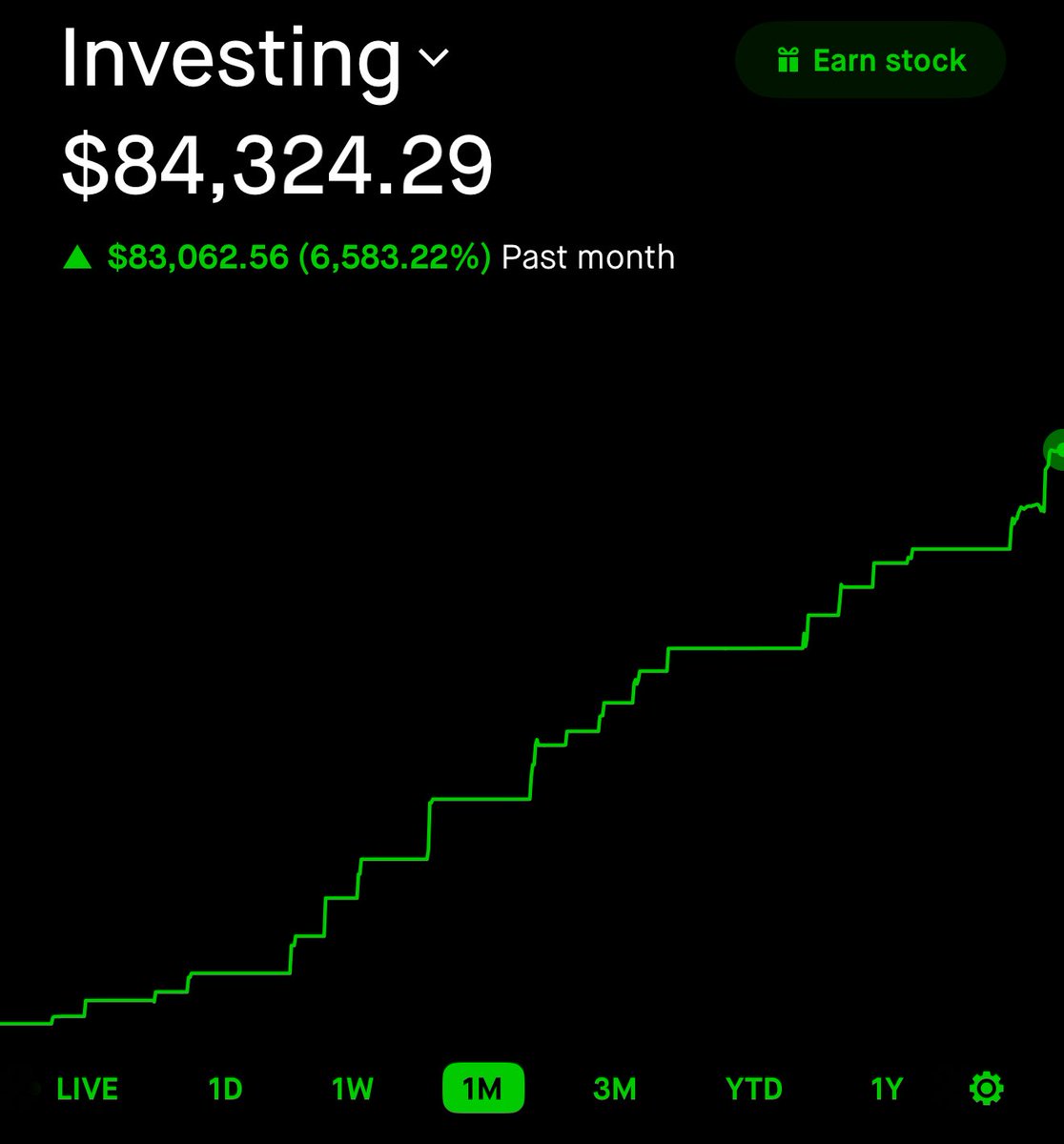
I AM OFFICIALLY RESTARTING THE $1,000 TO $1,000,000 $SPX 2026 CHALLENGE NEXT MONDAY! 💸
I’M GOING TO RESTART AND LET EVERYONE FOLLOW MY EXACT TRADES FOR COMPLETELY FREE IN A PRIVATE X GROUP CHAT! 🚀
LIKE, REPOST, & COMMENT “$SPX” TO BE ADDED! ❤️🔥
YOU MUST BE FOLLOWING ME TO JOIN! ☢️