World roamer, international civil servant. Teleporting you to breathtaking places on Earth, with immersive/satellite imagery, coordinates, and amazing facts.
I'm a world roamer. I spend half my time and earnings exploring the remote, strange, breathtaking places on our planet.
I have been to more than 50 countries, 1,000 cities, but our planet is only too much bigger than I can explore with my own feet and eyes. So whenever I stay home, I keep roaming with my VR devices, on Google Maps.
I couldn't express my admiration to a company like Google and its community with adequate words. There are so many brilliant travellers and true explorers sharing their immersive imageries on the platform, so that I can keep my vicarious roaming in the places I can not, dare not, or have not yet set foot in.
But true gems are always rare and hard to find. So I decided to dedicate this account to share these coordinates and links to the finest immersive imagery that I've spent hundreds, thousands of hours discovering. You can click the links to open them directly in Google Maps, though a VR device is recommended to fully appreciate them. In any case, I will also share screenshots and some background knowledge.
I hope this account proves valuable to you. And I sincerely hope you’ll share your own discoveries and comments here.
To all the roaming spirits! That insatiable longing is in our blood, and it makes us human.
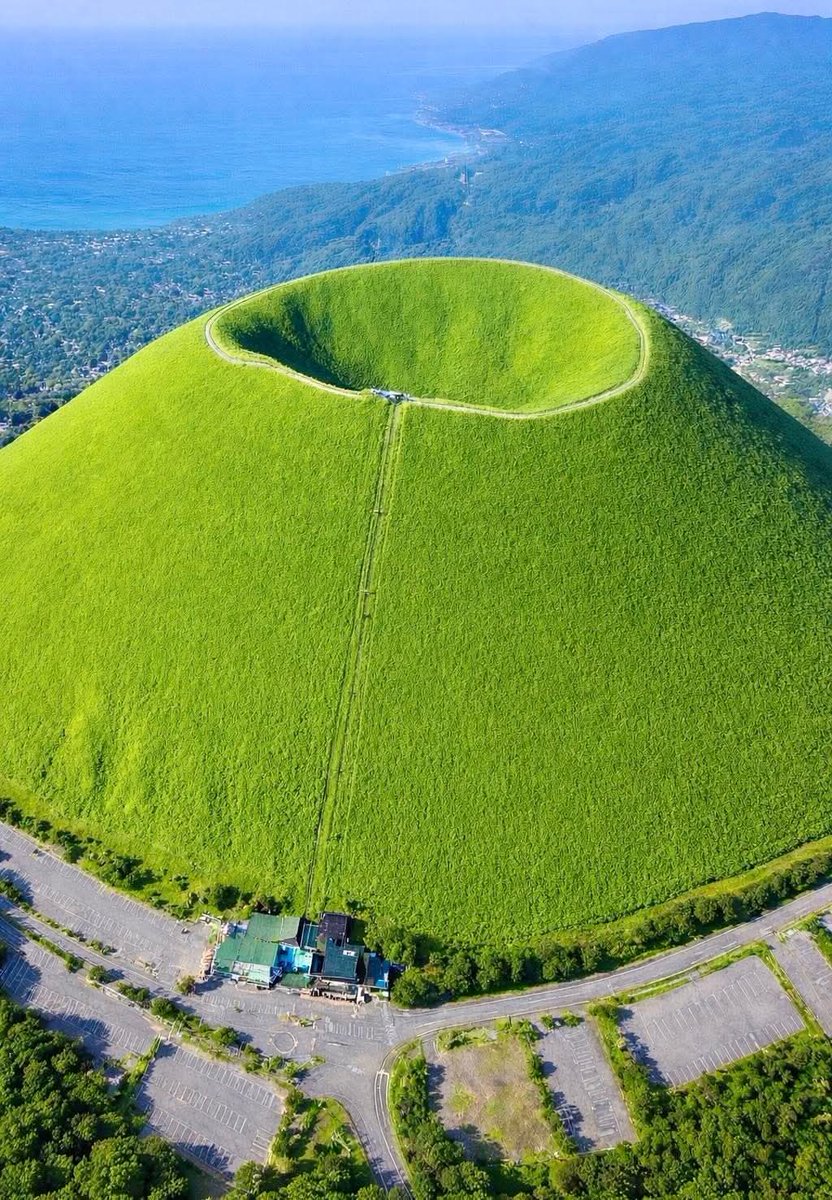
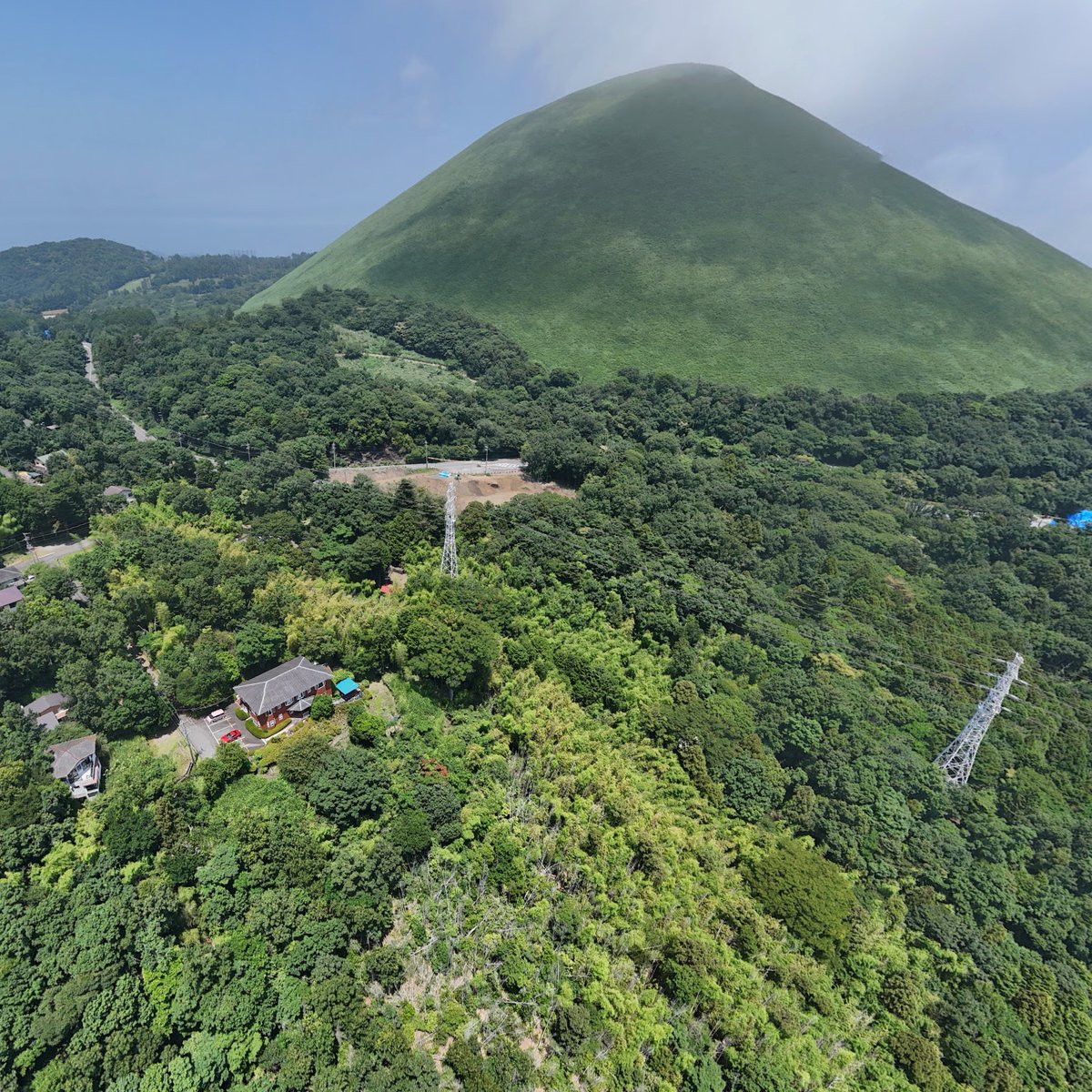
The cutest volcanic cone ever.
Mount Omuro (大室山), Izu Peninsula, Japan. Perfected by nature... and human alike.
An more realistic immersive view:
https://t.co/MsNSr9DSkB
34°53'59.0"N 139°05'52.0"E
(Imagery by BAKU S)
The cutest volcanic cone ever.
Mount Omuro (大室山), Izu Peninsula, Japan. Perfected by nature... and human alike.
An more realistic immersive view:
https://t.co/MsNSr9DSkB
34°53'59.0"N 139°05'52.0"E
(Imagery by BAKU S)
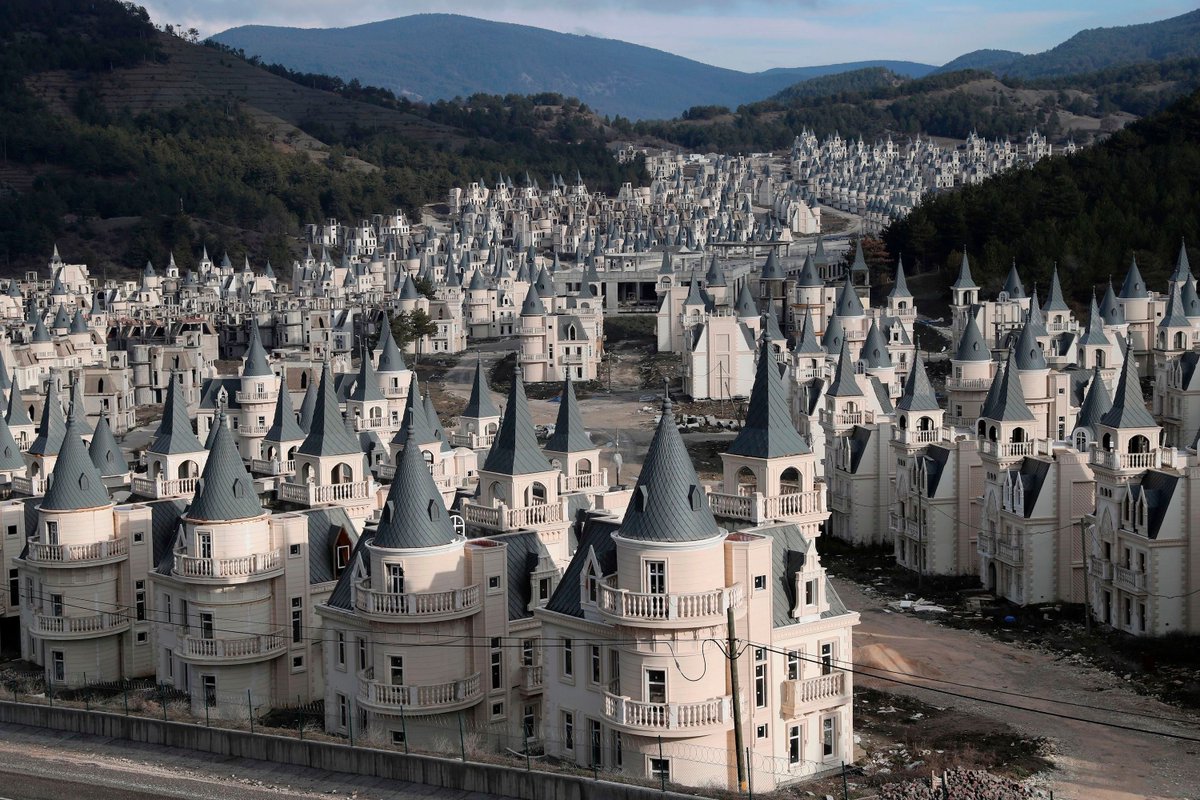
The never-sold Disney mini-castles.
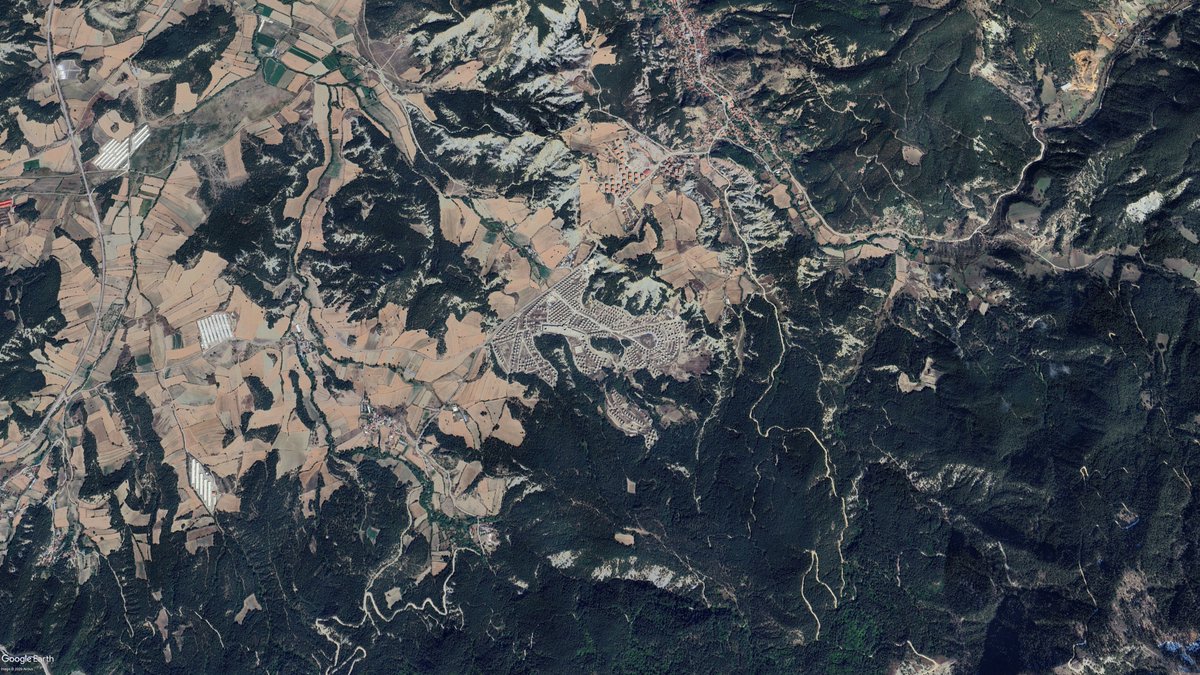
Burj Al Babas (برج الباباس), Turkey, one of the most fascinating real estate disasters in modern history.
An immersive view here to see why it failed like a fairy tale:
https://t.co/WIJeW6dStQ
40°26'50.4"N 31°11'57.0"E
The never-sold Disney mini-castles.
Burj Al Babas (برج الباباس), Turkey, one of the most fascinating real estate disasters in modern history.
An immersive view here to see why it failed like a fairy tale:
https://t.co/WIJeW6dStQ
40°26'50.4"N 31°11'57.0"E
Several overlapping factors brought it down:
Collapsing oil prices: The project initially saw success, with 350 villas sold to Gulf investors by 2018. However, as oil prices fell and economic conditions in Gulf countries worsened, buyers delayed payments or withdrew entirely, leaving the Sarot Group struggling with a $27 million debt.
Turkey's economic instability: Falling oil prices and instability in Turkey were cited as reasons for the slump in sales. The 2016 coup attempt and currency crisis hit foreign investor confidence hard.
Bankruptcy: The site was abandoned in 2019 after the developers filed for bankruptcy. As of 2022, no castles are finished, with 587 of them half-built, and many have water damage from snowfall through the winters.
Local opposition and environmental damage: Environmental activists filed lawsuits against the Sarot Group, accusing the company of destroying rare black pine and oak trees during construction.
The privatization of Mudurnu's thermal springs for the villas' spa amenities also caused resentment, as residents argued these resources should remain public.
Cultural mismatch: Locals criticized the castles for their stark contrast to the region's Ottoman-style houses. The development sat awkwardly next to Mudurnu, a town on UNESCO's tentative World Heritage list for its historic architecture.
The pandemic further crushed any hopes of revival or new investment in 2020.
In essence, it was a perfect storm: an over-ambitious project, dependent on a single regional market (Gulf oil wealth), built during a period of economic turbulence in both Turkey and the Middle East, and opposed locally from the start. It now stands as a surreal symbol of real estate overreach.
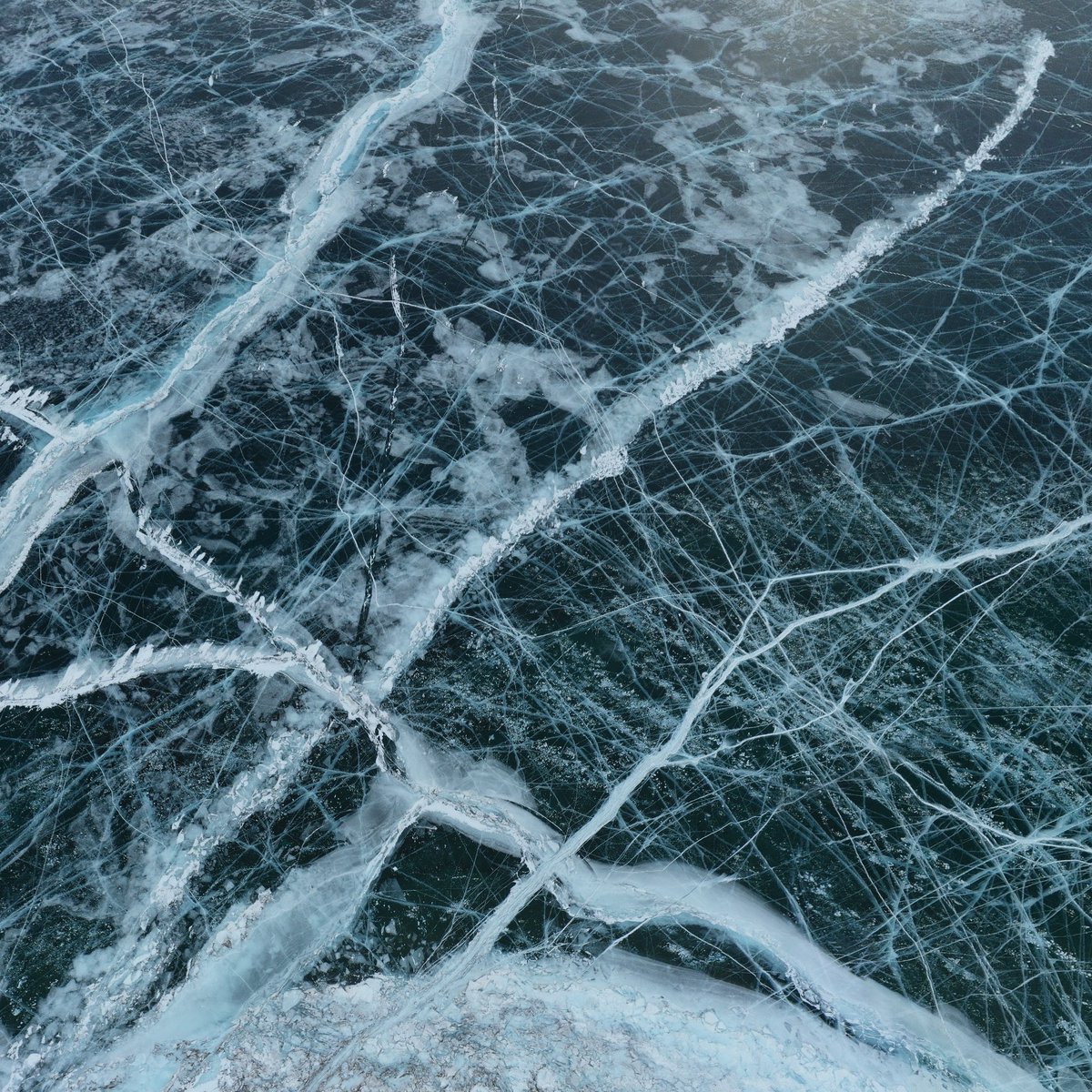
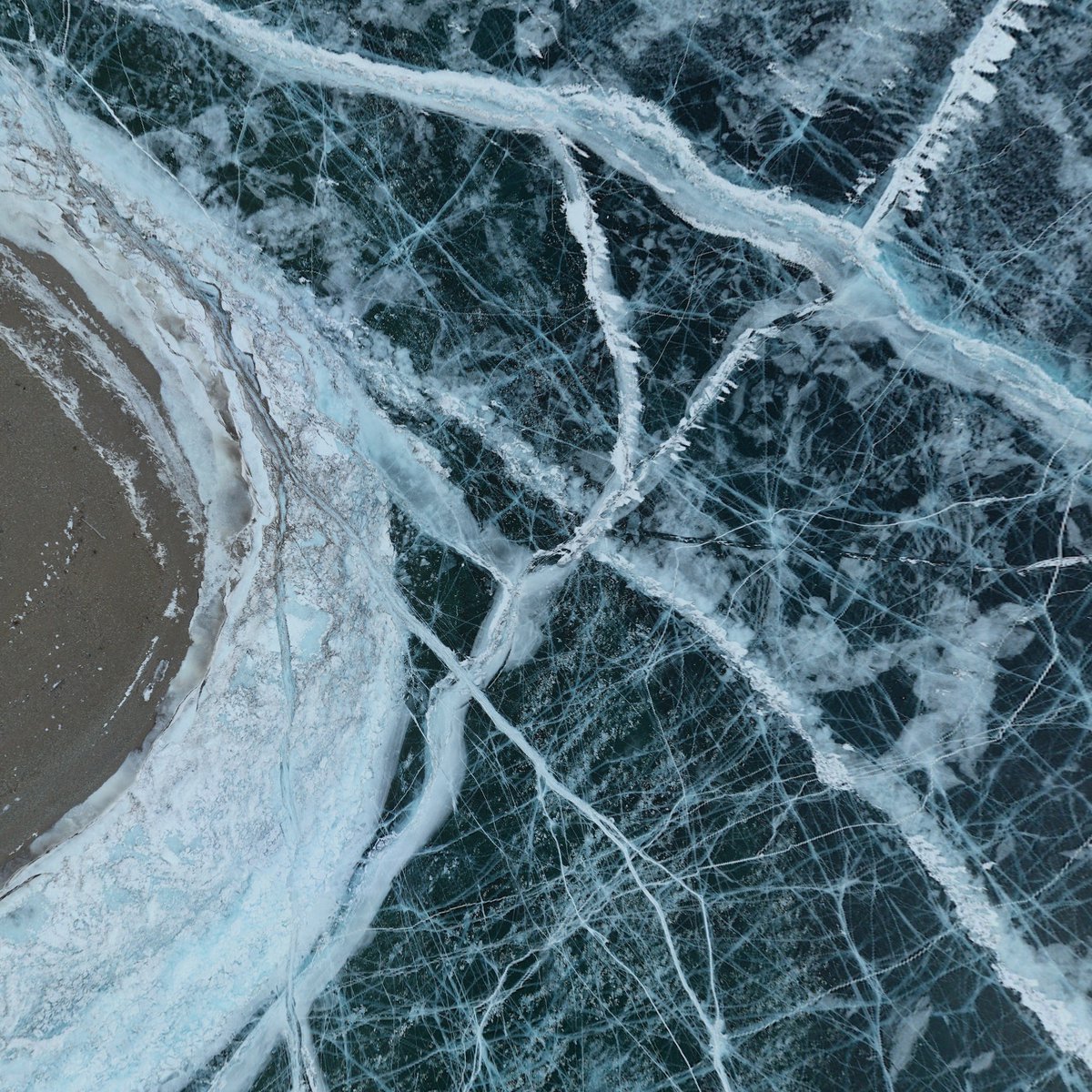
Absolutely abstract. The ultra-pure magic of winter.
Lake Khövsgöl, #Mongolia.
Pristine immersive view:
https://t.co/ia9dGqlZPs
50°59'13.1"N 100°17'24.7"E
(Imagery by Mongol Khun)
The capitals are stylized to resemble palm fronds (date palms), symbolizing:
Life and survival in a harsh desert
Sustenance (dates were a staple food)
Resilience and generosity
Structurally, each column becomes like a “tree,” and the mosque reads as a sacred oasis.
A marvel of 100,000 tons of marble.
Sheikh Zayed Grand Mosque (جامع الشيخ زايد الكبير), Abu Dhabi, UAE. One of the largest mosques on Earth.
Immersive view:
https://t.co/2jjtnbsCLE
Google Street view at its finest.
24°24'46.2"N 54°28'33.0"E
The design blends styles from Moorish, Mughal, Ottoman, and Persian architecture—a rare synthesis rather than a single tradition.
Crafted using Greek and Macedonian marble, Italian glass, Indian gemstones, and over 100,000 tons of marble.
It features 82 domes, more than 1,000 columns, and four minarets standing 107 metres tall. White marble cladding, intricate floral inlays, and reflective pools create a striking visual harmony.
The main prayer hall houses one of the world’s largest chandeliers and hand-knotted carpets, among which a single carpet covering about 5,700 m², handmade by around 1,200 artisans in Iran.
The surrounding pools reflect the white marble, creating a floating, dreamlike effect, especially at night.
Its lighting subtly changes according to the phases of the Moon, glowing brighter during a full moon and softer during crescent phases.
Unlike most of the mosques, it is open to non-Muslim visitors, promoting cultural understanding and dialogue.
A marvel of 100,000 tons of marble.
Sheikh Zayed Grand Mosque (جامع الشيخ زايد الكبير), Abu Dhabi, UAE. One of the largest mosques on Earth.
Immersive view:
https://t.co/2jjtnbsCLE
Google Street view at its finest.
24°24'46.2"N 54°28'33.0"E