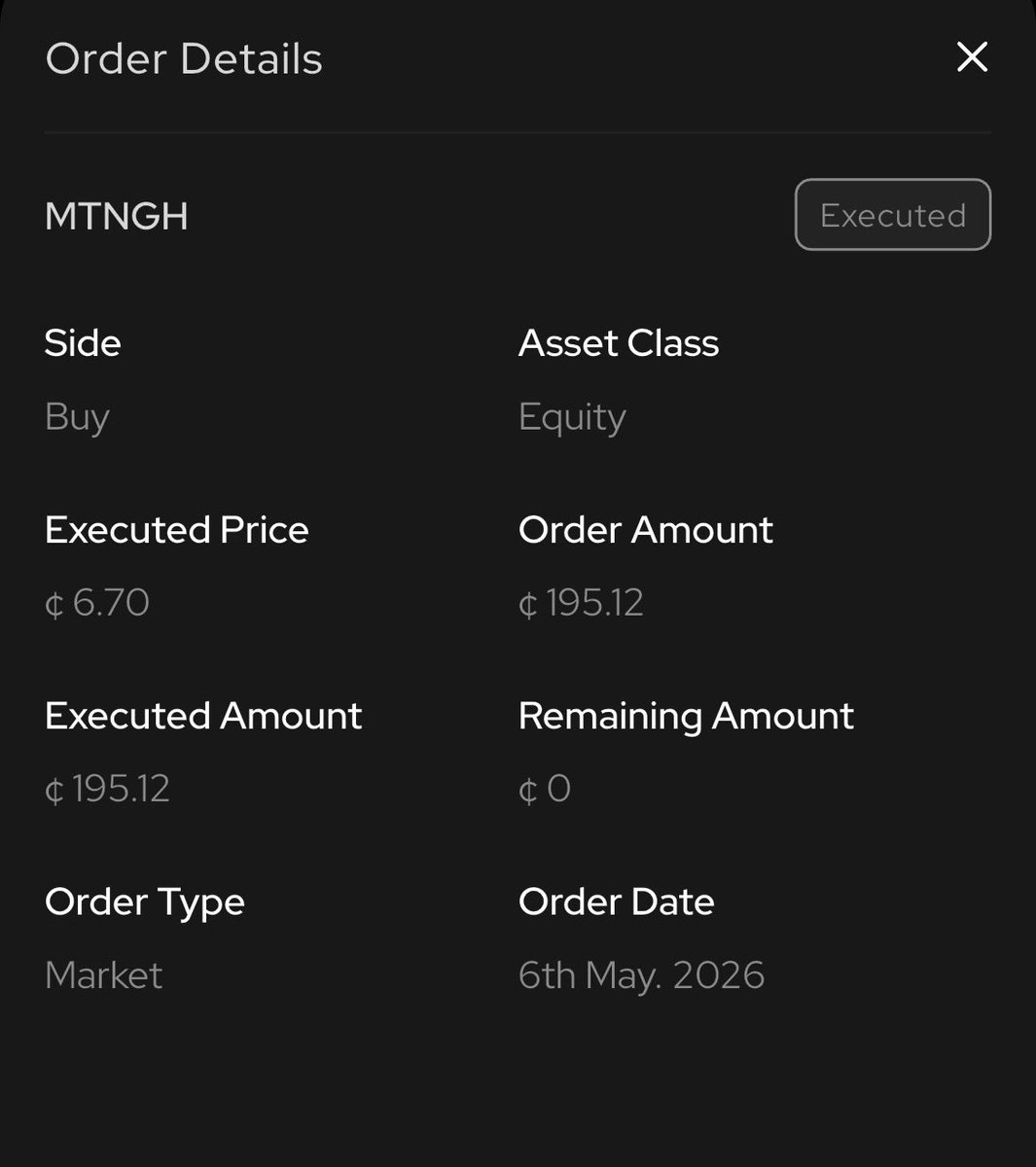
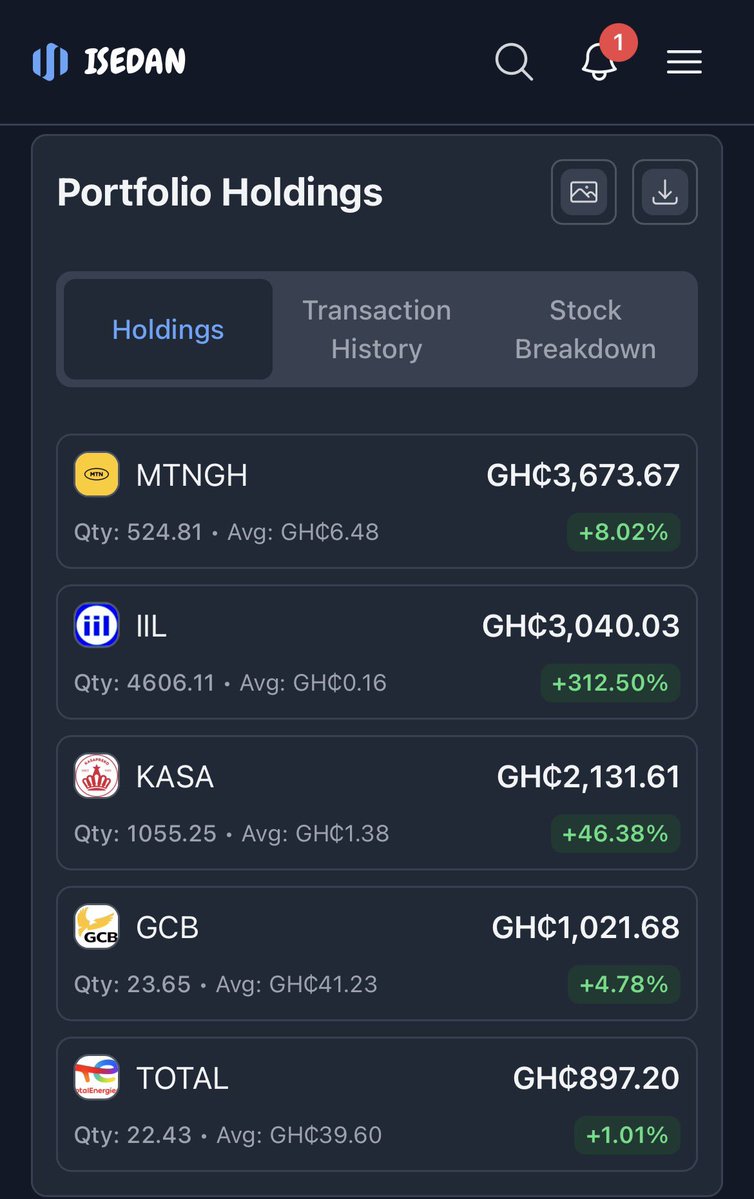
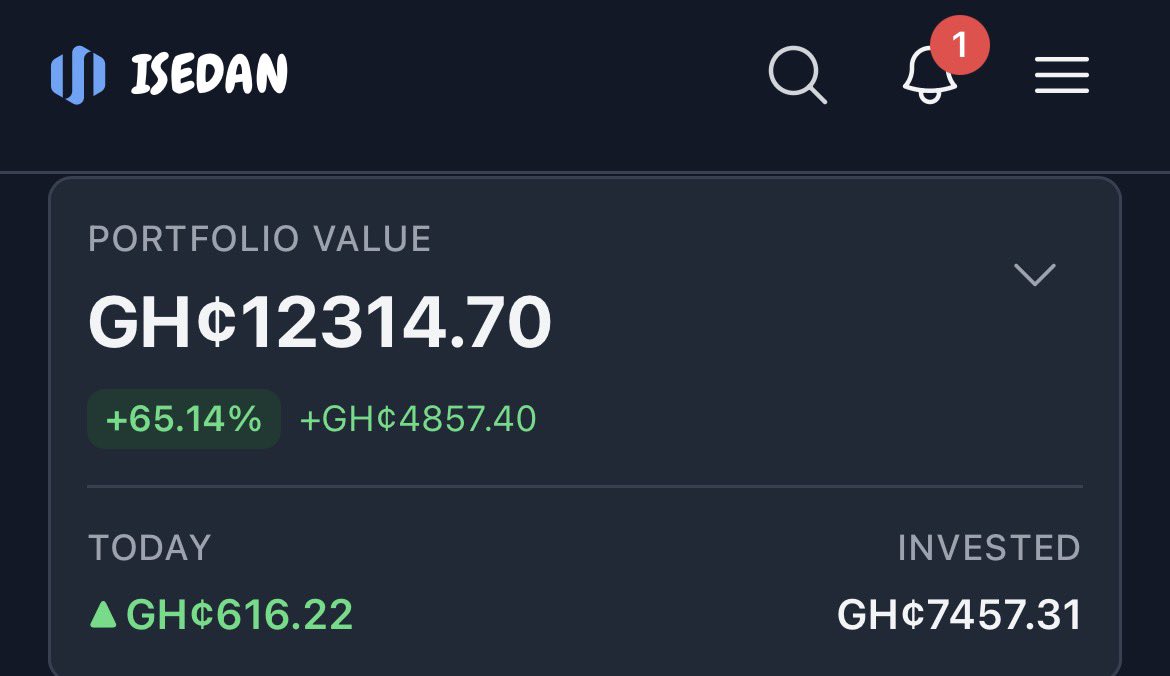
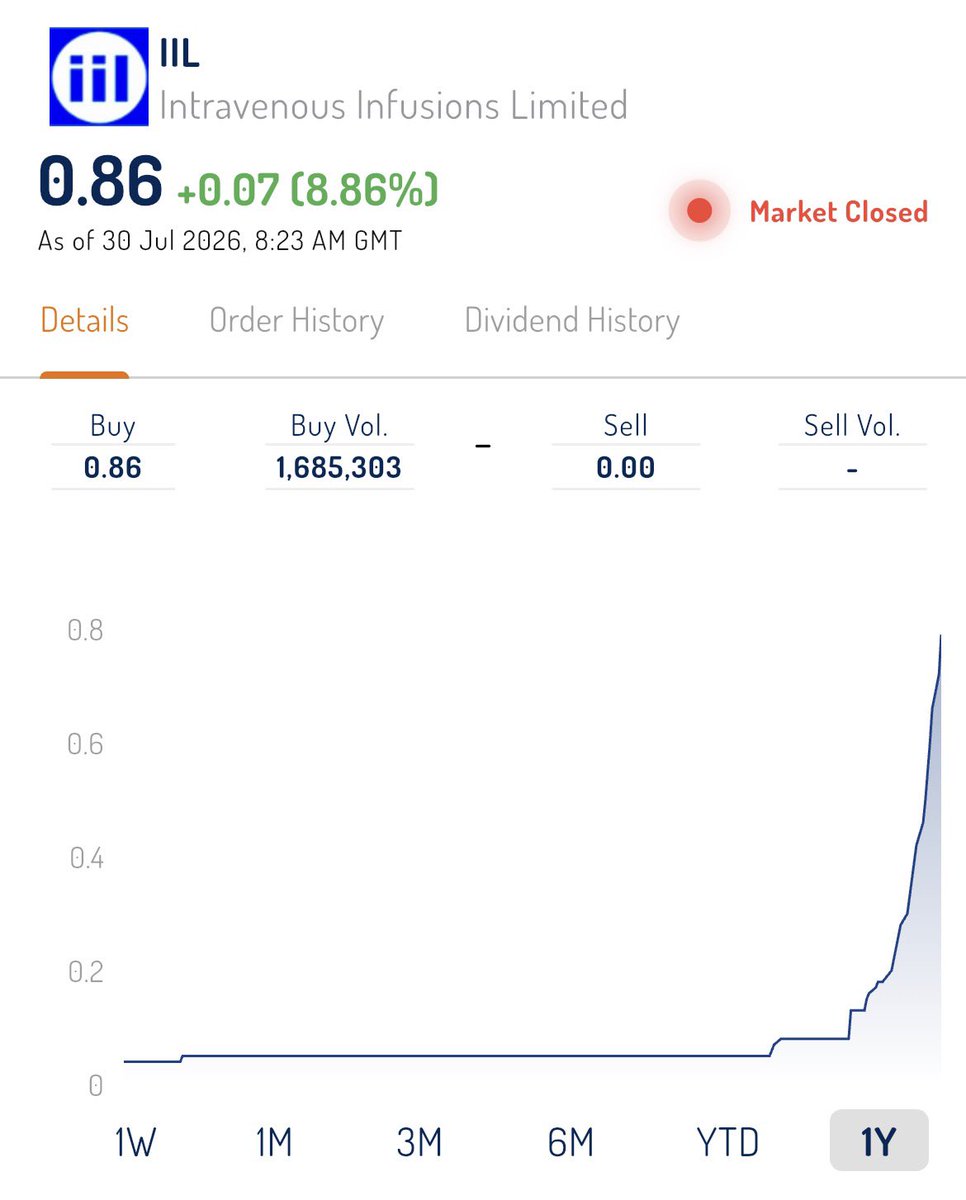
I started investing on Ghana Stock exchange (GSE) back in May. There was always the fear associated with emerging markets such as liquidity issues. I didn’t know what to expect but so far so good.
I started investing on Ghana Stock exchange (GSE) back in May. There was always the fear associated with emerging markets such as liquidity issues. I didn’t know what to expect but so far so good.
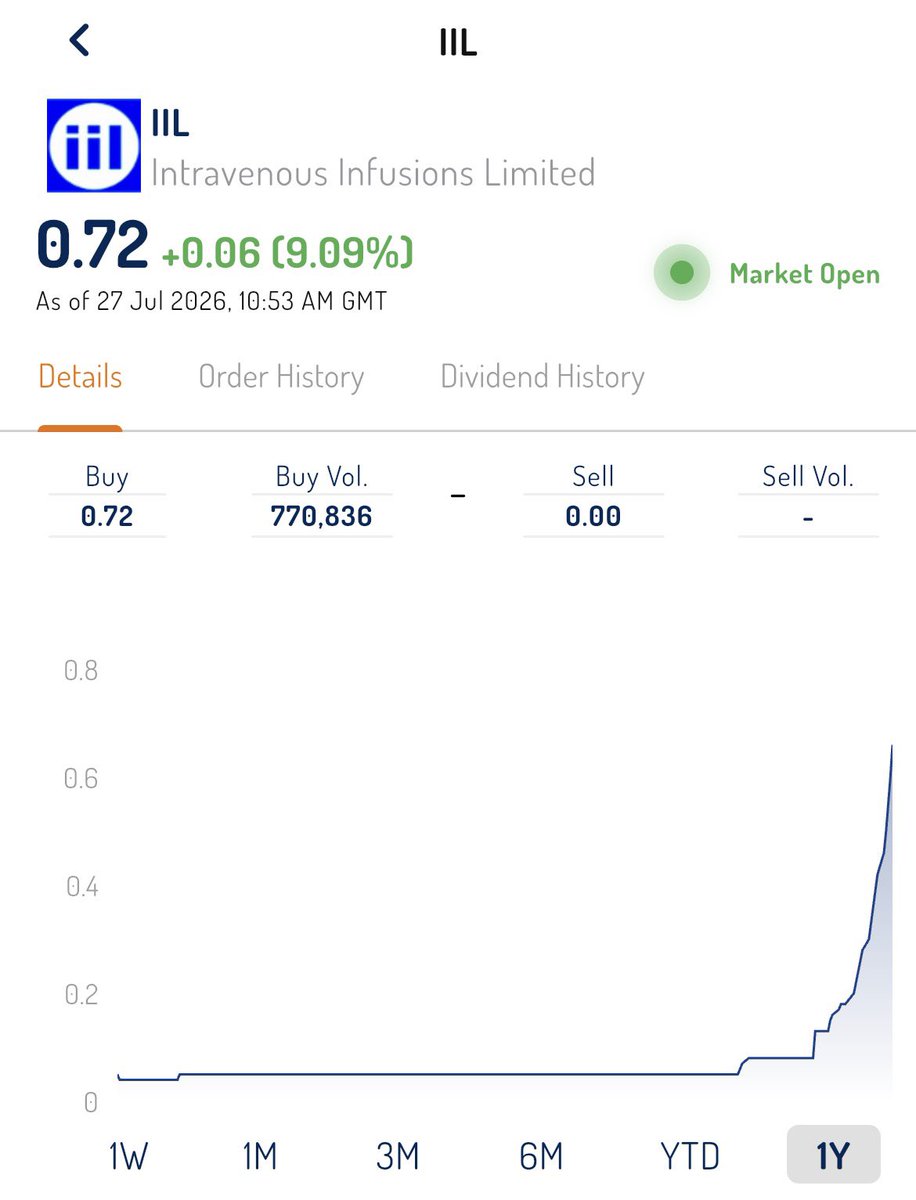
@dark_vonn My thinking tho but as a nurse I just love the company and I believe it can really grow into a billion Cedi company if management improves. The potential is huge as healthcare demand for infusions will always increase and an expansion into other African markets is on the cards
"WE WILL NO LONGER SUPPORT LONG ESSAYS. IF YOU ARE AN ENGINEERING STUDENT, FOR YOUR THESIS, YOU MUST MANUFACTURE, COPY, OR BUILD SOMETHING;"
~ PRESIDENT of Burkina Faso IBRAHIM TRAORE tells students
Since the Ghana Stock Exchange (GSE) began trading in November 1990, the average annual return has been approximately 25%.
500gh invested every month at a 25% annual returns for 40years grows to approximately 487million cedi.
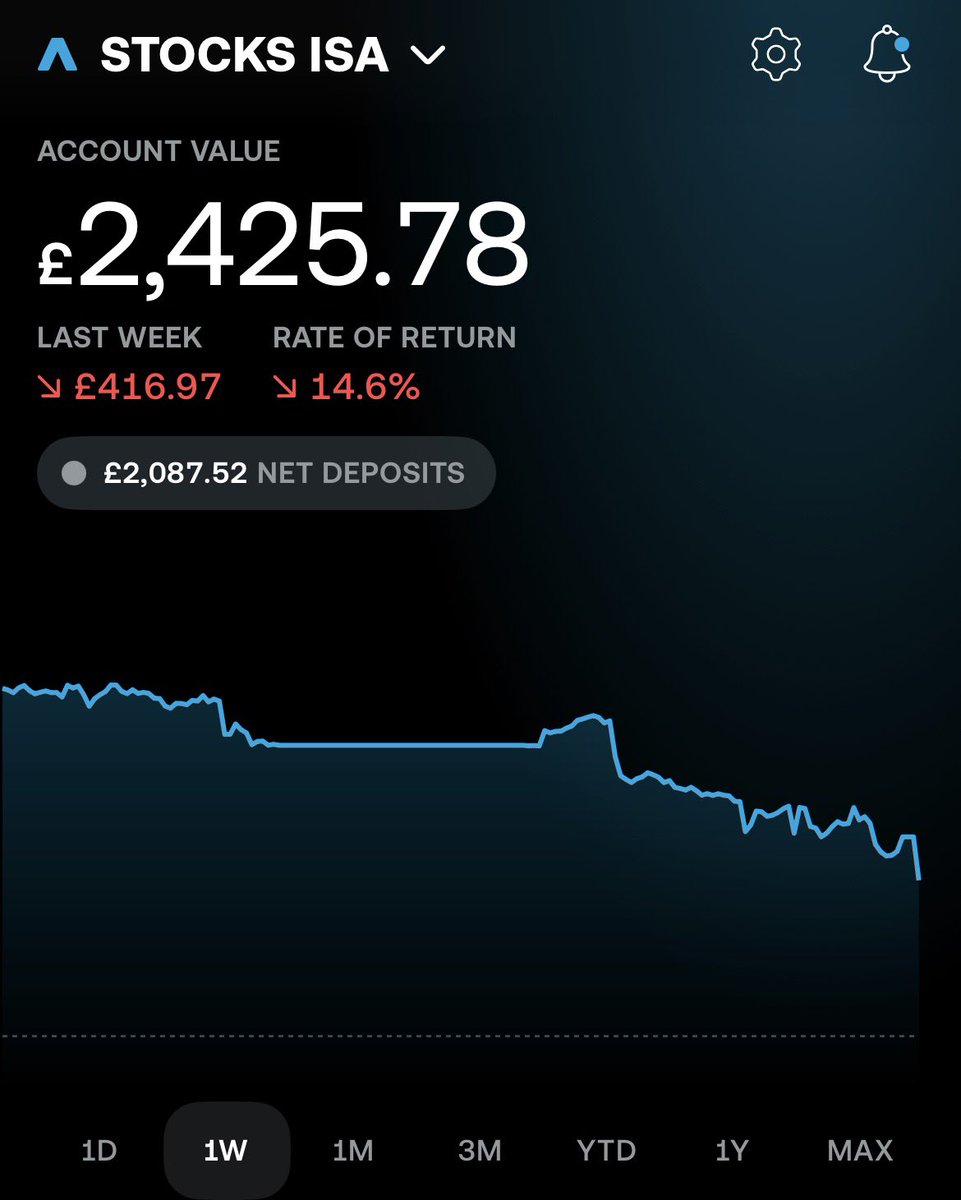
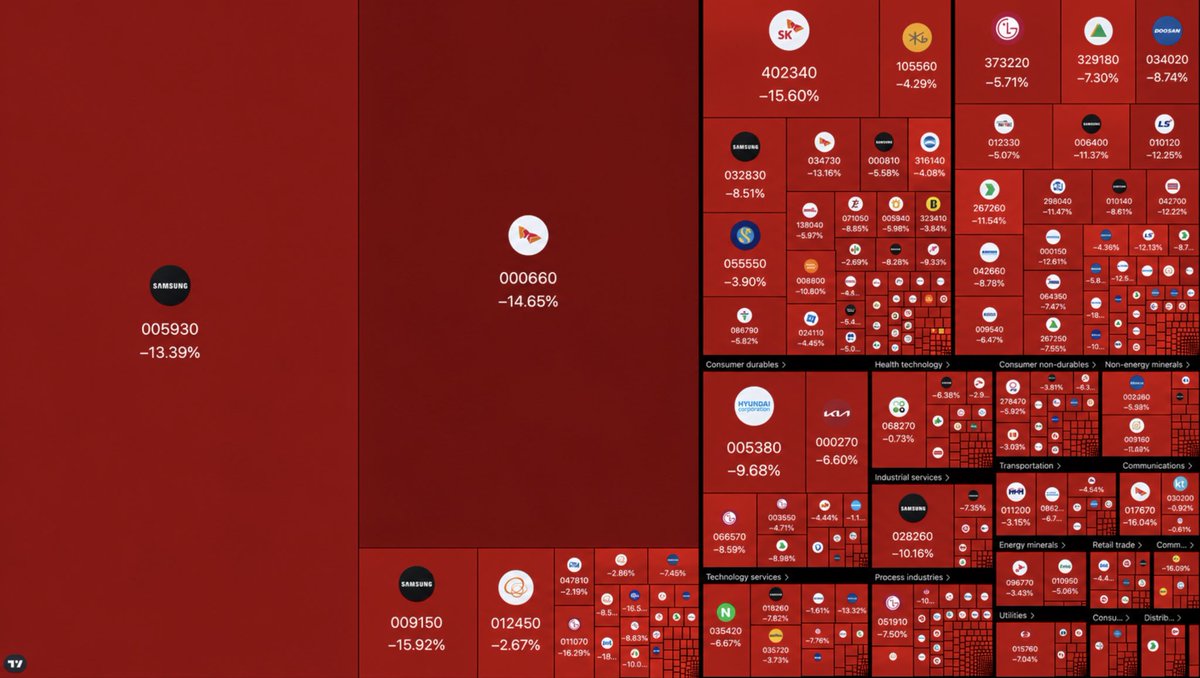
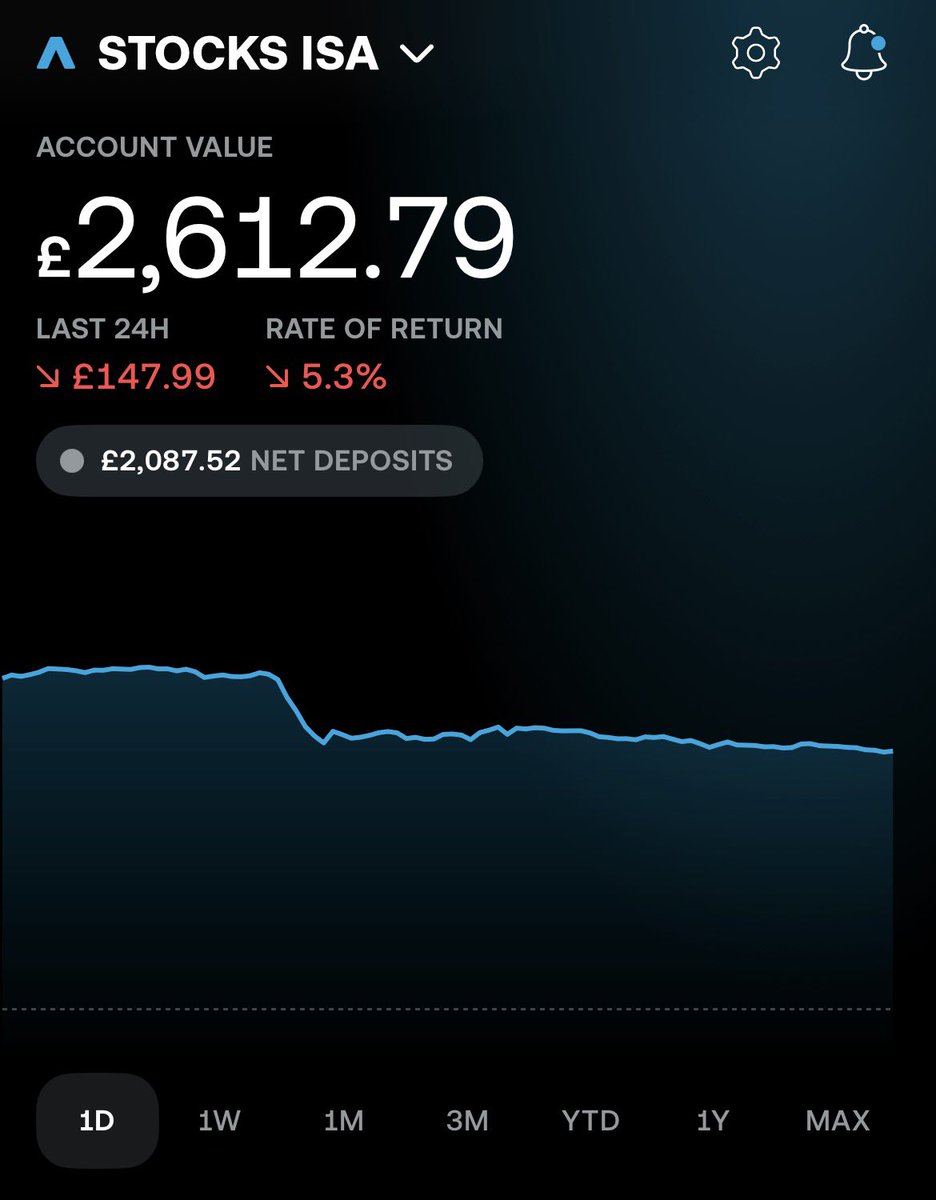
🚨 BREAKING: South Korea will hold an emergency meeting today after its stock market lost nearly 40% from its recent peak.
The government is stepping in.
It's happening...
🚨 BREAKING: South Korea will hold an emergency meeting today after its stock market lost nearly 40% from its recent peak.
The government is stepping in.
It's happening...
Google Cloud’s backlog has surged to over $460 billion, and Microsoft has flagged Azure demand it can’t fulfill due to power constraints. Bulls argue this is demand-led, not speculation-led.
Bears counter that backlog and revenue recognition are exactly the kind of figures a circular-financing loop would inflate. The same problem dot-com telecom capacity build-out ran into in 2000-01, just with GPUs instead of fiber.
This is a debt-funded, balance-sheet-stressed infrastructure supercycle running well ahead of measurable economic payoff.
The AI bubble theory seems not too far fetched.
The five largest hyperscalers; Amazon, Microsoft, Alphabet, Meta, Oracle are projected to spend between $700 billion and $900 billion on capital expenditures in 2026, a 36% increase over 2025.
Critics point to a circularity problem. AI firms receive investment capital, spend it on hyperscaler compute, which counts as hyperscaler revenue, which lifts hyperscaler valuations, which supports further AI investment. A loop that can resemble growth without generating new external demand.
The GDP payoff hasn’t shown up yet. Despite hundreds of billions in AI spending since 2022, multiple economic analyses report no measurable positive impact on US GDP growth so far.