Every Indian lawyer in 2026 has received this email.
"Sir, I ran the supplier agreement through ChatGPT. It says the indemnity clause only protects them, not us. There is no termination for convenience. And we are locked in for three years. Why did you let me sign this?"
The lawyer reads it three times. Then forwards it to a friend with one line: "client lost his mind."
This is not happening once. It is happening every week, in every chamber from Saket to BKC. Even Los Angeles.
Tax clients. Divorce clients. Property clients. M&A clients. CFOs who would never have questioned counsel five years ago now send 3-page memos with citations the lawyer has to spend two hours debunking.
Some of these AI memos are nonsense.
Some of them are right.
That is the thing nobody at the bar wants to admit.
Talk to general counsels at any Indian company with a tech stack right now and you will hear a version of this story.
They take their external counsel's vendor agreement, paste it into Claude, and ask it to find weaknesses. Claude comes back with three issues the partner missed.
A missing IP indemnity on a platform built on third-party open source libraries. A liability cap one-tenth of what the deal warrants. A jurisdiction clause that would land any dispute in Singapore instead of Mumbai.
The kind of thing that costs crores when it actually goes wrong. The senior partner the company pays a seven-figure annual retainer to has drafted around it. The AI catches it in 40 seconds.
She does not fire the firm. But she does renegotiate the retainer. And starts wondering if there are better options.
Now multiply that conversation by every general counsel in every Indian company that has discovered the same trick.
In November 2025, Above the Law ran a headline that said the quiet part out loud: "New Report On AI Use In-House Spells Trouble For Outside Lawyers."
The expensive senior partner's letter that used to land on the GC's desk and get filed is now landing on the GC's desk, getting copied into Claude, and coming back with a list of weaknesses by lunchtime.
A study out of the University of Southampton put 288 participants in front of legal advice generated by ChatGPT and legal advice written by real lawyers.
The participants could barely tell which was which. When asked who they would actually follow, they leaned toward ChatGPT. The reason: the AI uses more confident, more polished, more accessible language than most practising lawyers do.
Now look at the other side of the same story.
In Mumbai earlier this year, Mohammed Yasin, the director of Heart and Soul Entertainment, was fined Rs 50,000 by the Bombay High Court.
His written submissions in a Maharashtra Rent Control Act dispute over a flat in MHADA's Oshiwara colony cited a non-existent case titled "Jyoti w/o Dinesh Tulsiani vs Elegant Associates." Generated by ChatGPT. The court's clerks could not find it. The case did not exist. Justice Milind Sathaye made the order anyway, with a warning that AI tools must be used responsibly and dumping unverified content on courts obstructs justice.
He is not the only one.
The Delhi High Court last September forced a petition to be withdrawn in embarrassment after opposing counsel exposed every cited case as fabricated.
The petition had even invented paragraphs 73 and 74 from the landmark Raj Narain v. Indira Nehru Gandhi judgment. The actual judgment has 27 paragraphs. Justice Prathiba M. Singh's observation: AI can be a helpful tool, but not the hard work and due diligence that has to be expected of a legal professional.
In February 2026, the Supreme Court took suo motu cognizance of an Andhra Pradesh trial court order that had relied on four fabricated judgments. Justices PS Narasimha and Alok Aradhe held that citing AI-generated fake case laws is not a procedural error. It is misconduct. Legal consequences shall follow.
Justice B.R. Gavai had already warned publicly that ChatGPT generates fake citations even in legal research by professionals. Punjab and Haryana High Court has banned ChatGPT for judicial work. Gujarat High Court has barred AI in judicial decision making.
In the United States, the disaster that everyone in legal tech is studying is Graciela Dela Torre. Illinois disability claim. ChatGPT told her she was being "gaslighted" by her own attorney, so she fired him. Filed 21 motions, one subpoena, and 8 notices on her own. ChatGPT generated 44 documents for her, including a citation to "Carr v. Gateway, Inc." which exists nowhere in legal history. Defense costs crossed $300,000. The insurer is now suing OpenAI. Stanford Law is teaching the case.
So both things are true at the same time.
AI catches real things real lawyers miss. AI also invents law that does not exist.
The lawyer cannot say "AI is crap" anymore, because the GC who renegotiated her retainer knows it isn't. The client cannot say "I don't need a lawyer, I have ChatGPT" anymore, because Mohammed Yasin and Graciela Dela Torre both know where that road ends.
The trust boundary has not disappeared. It has moved.
For thirty years, the asymmetry of the lawyer-client relationship was simple. The lawyer understood the law. The client did not. The fee was paid for that asymmetry. The client could not check the work. The lawyer could not be second-guessed in real time.
That asymmetry is gone.
Not because clients suddenly understand law. They do not. They understand 60 percent of it now, where they understood 5 percent before.
Enough to ask uncomfortable questions. Not enough to be right.
This is the most dangerous zone in any professional relationship. The client knows enough to second-guess but not enough to know when the AI is hallucinating.
The lawyer is being audited by a tool the lawyer does not fully understand either.
Most lawyers are responding to this in the worst possible way.
They are getting defensive. Telling clients AI is unreliable. Refusing to engage with the AI memo. Charging for the time it takes to debunk it.
The lawyer has to beat the AI. There is no alternative. This trend is not going away. You need to find a way to deal with it gracefully and turn it into an opportunity.
If you are an Indian lawyer reading this and you have not yet run your last 5 client matters through Claude or ChatGPT and asked it "what would you challenge here", you are flying blind. Your clients are doing it whether you do or not.
If you are a client reading this and you have caught a real mistake in your lawyer's work using AI, you have a choice. You can fire them and become the next Mohammed Yasin in the High Court order list. Or you can hand the lawyer the AI flag and ask: "Can you address this?" The good ones will. The bad ones will get angry. That is your filter.
Same story is playing out in chambers everywhere in the world right now. Most of the profession is still pretending it isn't a thing.
Have you had this conversation in your firm yet, or are you still hoping it goes away?
The AI translated video on Instagram is pure magic. Perfect pacing of speech, emotions and lipsync.
It's incredible what a perfect lipsync can do for video.
Availability of captions or translated audio is no longer a barrier. Tap into insights from any part of the world.
#WATCH | Delhi: 76 injured due to crackers, Head, Burns and Plastic Centre, AIIMS Delhi, Dr Maneesh Singhal says, "... We treated around 76 patients for Diwali-related injuries, with three cases being grave. Most injuries were burns from firecrackers, including those caused by potassium nitrate powder. Many patients suffered life-threatening injuries, such as hand burns leading to amputations. Children were also among the injured. Highly flammable chemicals are commonly used in homemade firecrackers and guns, often resulting in severe hand injuries. We saw 13 cases related to eye injuries, with three patients losing vision in both eyes and six to seven requiring eye surgeries."
This map was published in the April 1962 @NatGeoMag. The vast separation between island groups led the cartographers to the unusual design of a jigsaw puzzle of inset maps without a main map. https://t.co/elvIhiQSaO
#pacificislands#oceania#polynesia#micronesia#melanesia
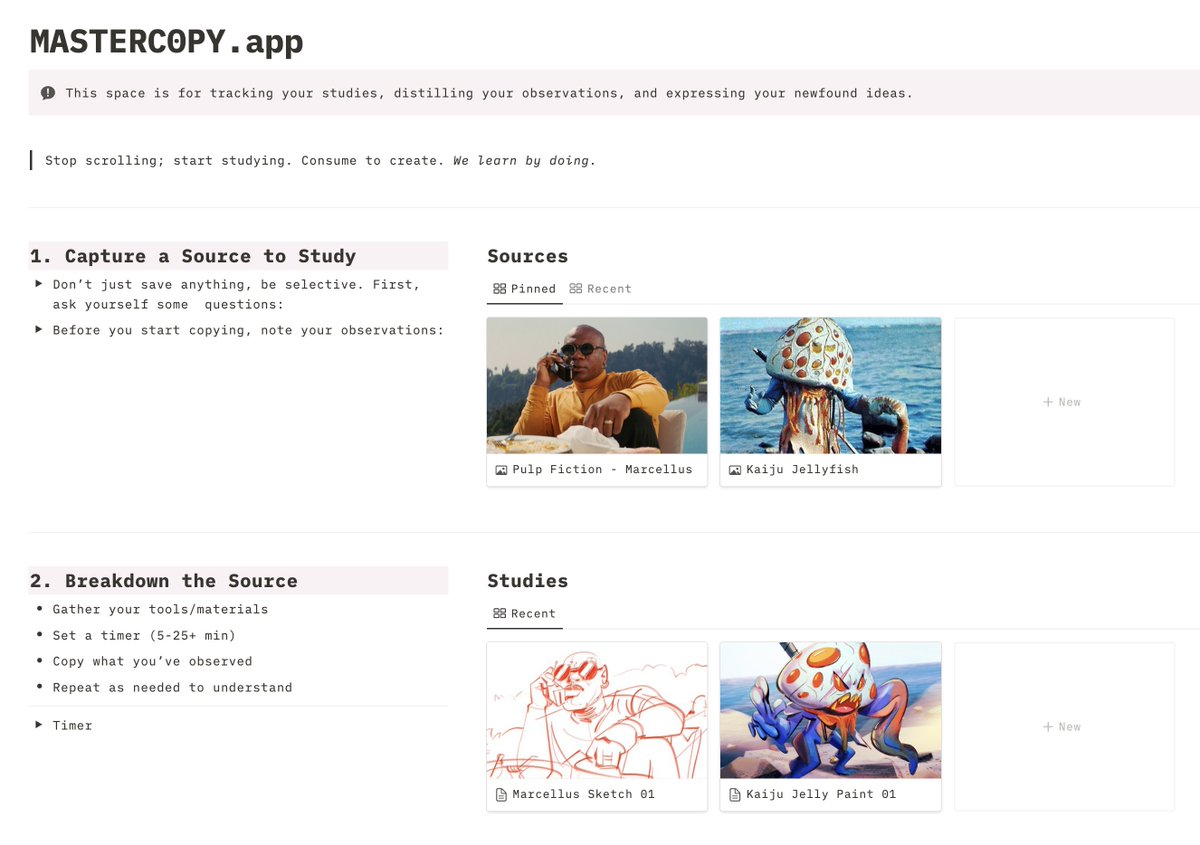
"Do you like studying?"
I got asked this not too long ago.
I never studied. Too busy playin games.
Always winged it and it usually worked...until I got my first artist gig and my wings got clipped.
So I turned art into a game and never looked back.
Here's a peek at my study space:
The Library's new Innovator in Residence is building immersive digital models of historic U.S. Chinatowns that have been destroyed. He also plans to publish a toolkit with research strategies & 3D modeling methods to empower others to do the same. https://t.co/toDq5HXuoy
Quick 3D sketch and simple animation experimenting with a 2D look in 3D, based on a super fun illustration by M. Sasek from "This is Rome."
#art#animation#illustration#3Dart
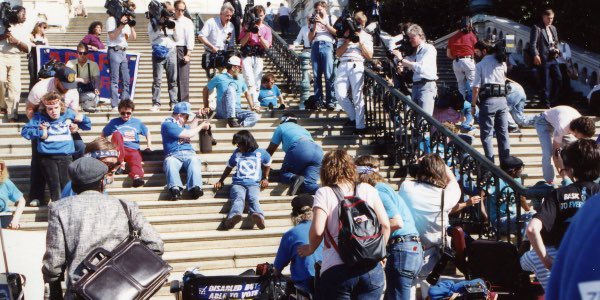
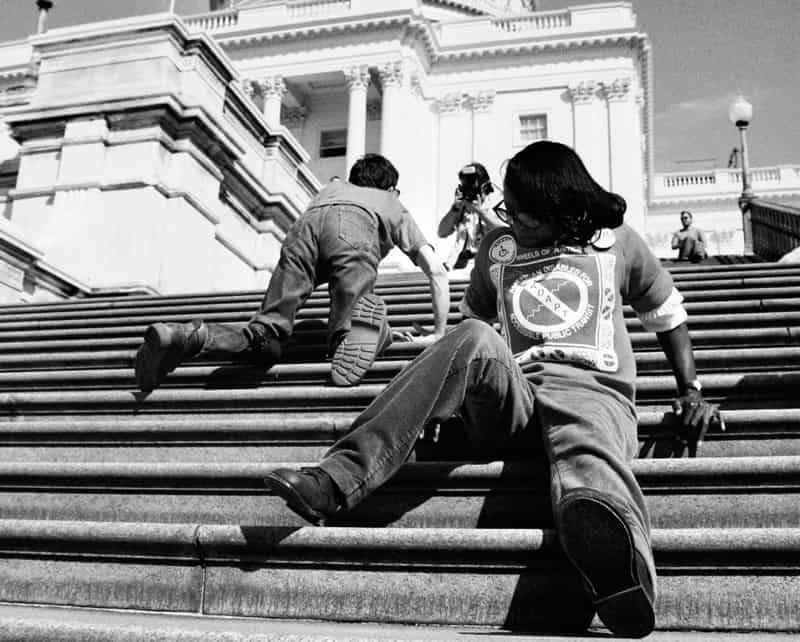
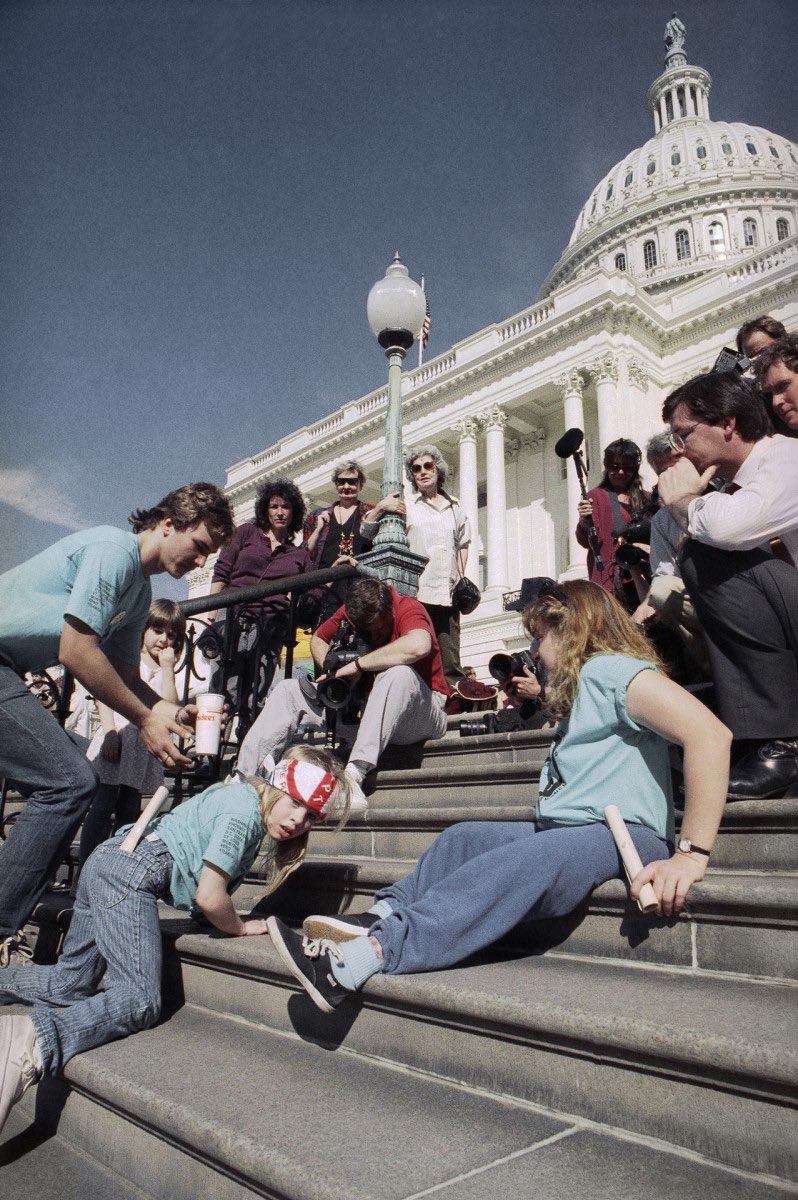
60 wheelchair bound people crawl up the steps of the Capitol Building in demonstration of the need for the Americans with Disabilities Act, which would be signed into law months later. (1990)
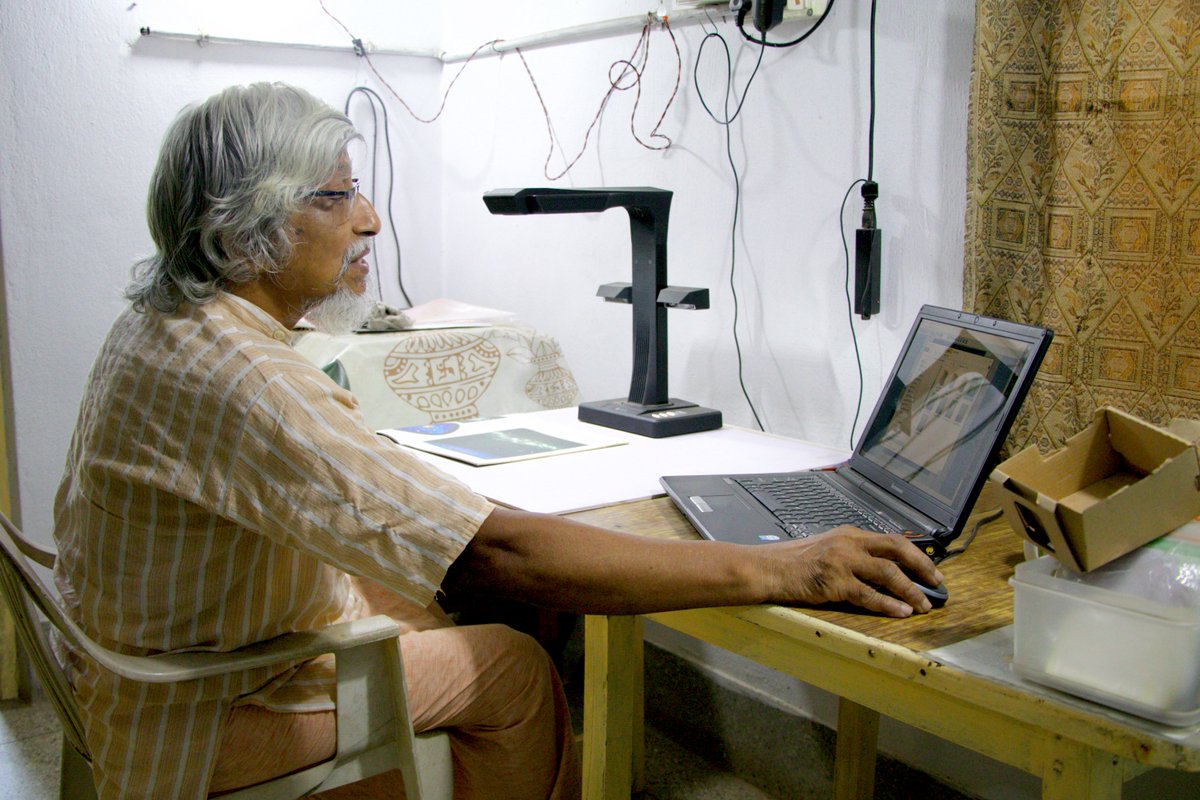
🧵This is the story of a scientist couple who decided to dedicate their life to making science popular among children. They traveled across the country to meet like-minded enthusiasts...
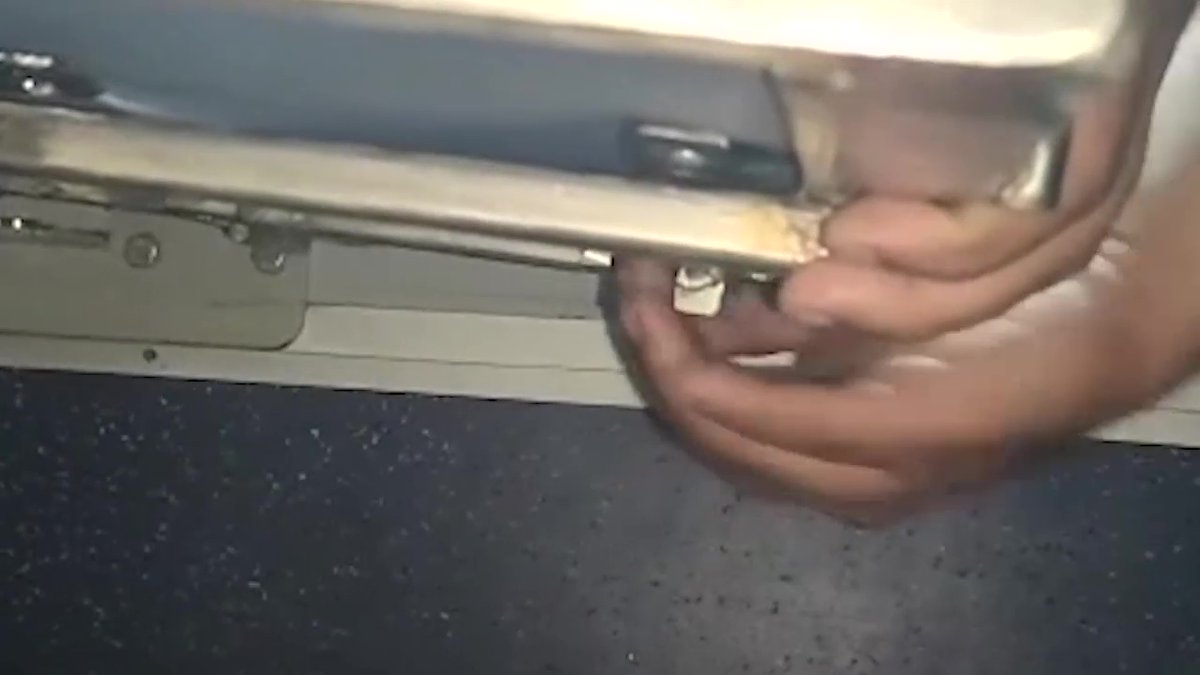
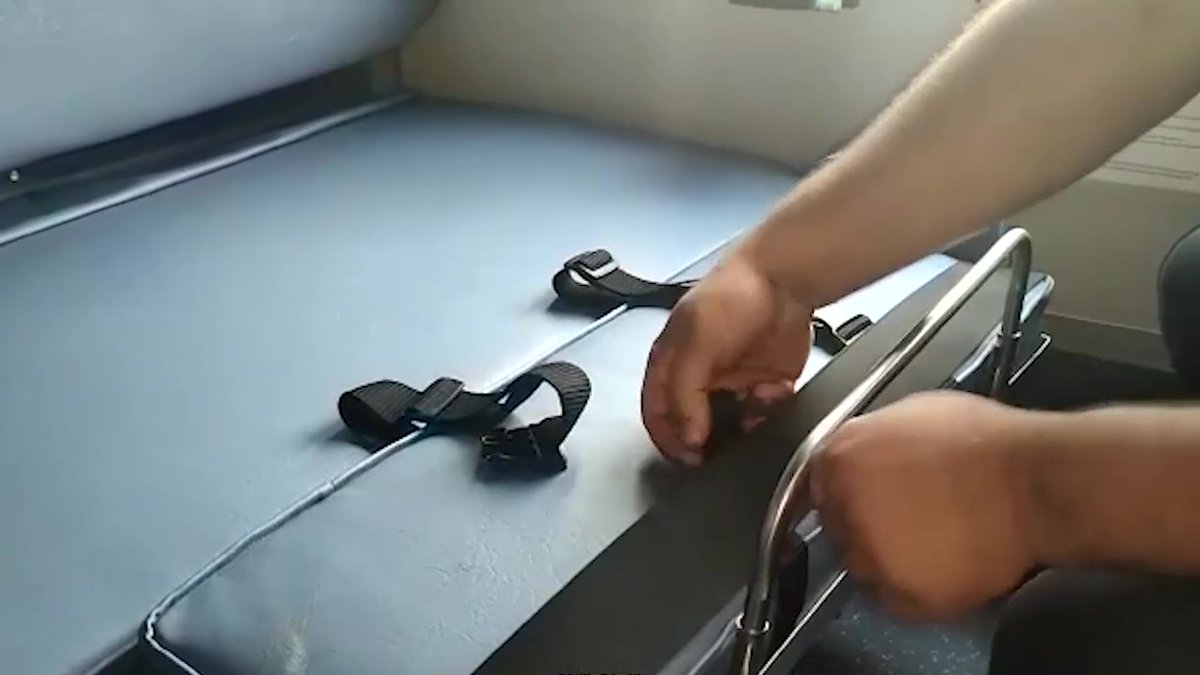
Delhi Division, Northern Railways introduces 'Baby Berth' on a trial basis in selected trains for facilitating mothers to comfortably sleep along with their infants.
A little while ago, @adamstern_ and I set out to build a way for folks to pick a color theme at @browsercompany.
We aimed to encourage exploration and playfulness, questioning how conventional color pickers work.
🧵 here’s our path to what you see below