In the early hours of Friday, July 10, 2026, the pure body of the martyred Leader of the Islamic Revolution, Grand Ayatollah Sayyid Ali Hosseini Khamenei (may Allah sanctify his pure soul), was laid to rest in the luminous shrine of Imam Reza (pbuh).
#WeMustRise
Countdown to the final farewell with the man who:
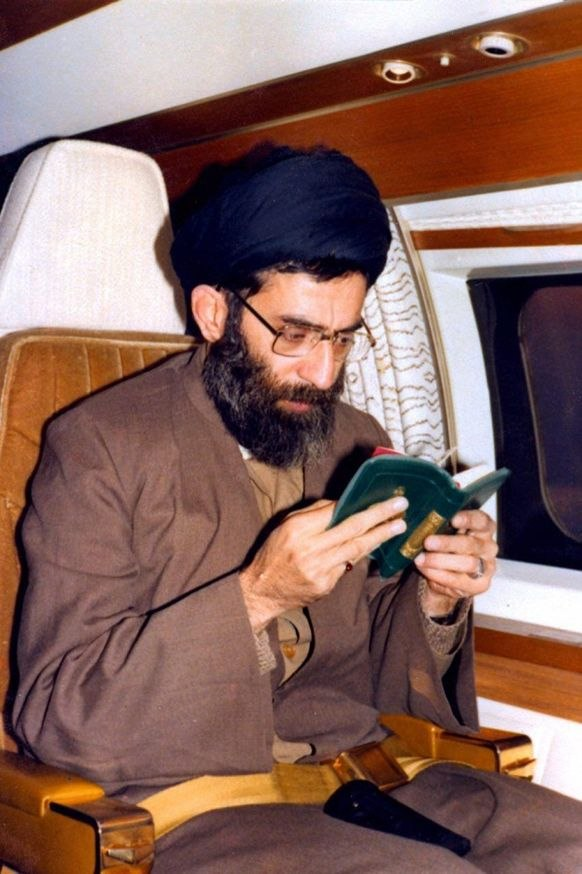
Would read the Quran even on the plane. He'd say: "We must strengthen our bond with the Quran day by day. Read it in your homes. Even when you have a moment of rest, connect yourself to the Quran. Read a portion every day."
اینک که با دلی خون و قلبی محزون، رهبر شهیدمان، آن یگانه دوران را به جایگاه والای ابدی خود بدرقه میکنیم، با خدای ایشان عهد میبندیم، تا تحقق اهداف عالیهای که در طول زعامت شریفشان برای جامعه اسلامی ترسیم کردند، لحظهای از پا نخواهیم نشست.
"Where do you get this resolve from?!"
From the series "architects of the powerful Iran"
➕ A never-before-seen photo of Martyr Major General Hajizadeh in a meeting with the martyred Commander‑in‑Chief of the Armed Forces
To read the full analysis 👇
https://t.co/GweKyabVZW
“Seek her out and Kill her!”
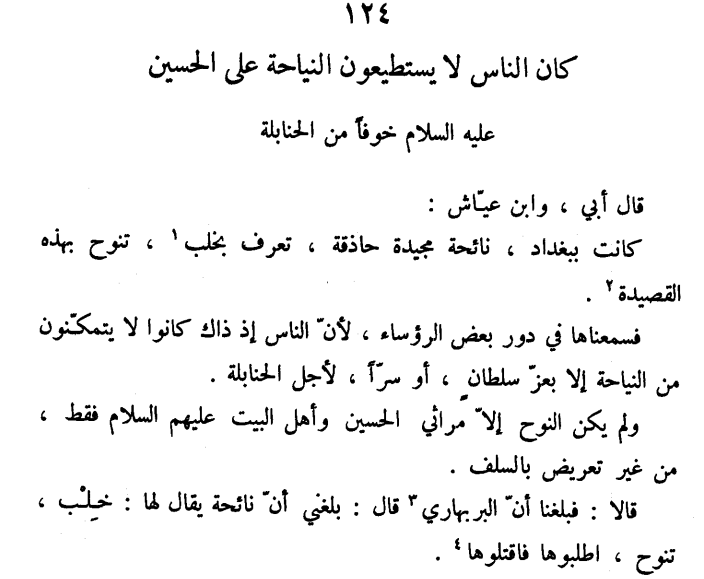
Al-Muḥassin b. ʿAlī al-Tanūkhī (b. 327, d. 384) reports from his father and Ibn ʿAyyāsh, both of whom said:
“There was in Baghdad a very good and proficient reciter of elegiac poetry (nawḥ) whose name was Khilb. She would recite this (aforementioned) poem:
أيّها العينان فيضا ... واستهلّا لا تغيضا
وابكيا بالطف ميتا ... ترك الصدر رضيضا
لم أمرّضه فأسلو ... لا ولا كان مريضا
O two eyes, flow forth
And pour out, do not cease
Cry for the dead body at Ṭaff
Who has left our hearts bruised
I did not nurse him so that I find solace
No, nor was he even sick!’
We heard her recite in the residence of one of the notables because the people in those times could not mourn (publicly) (for al-Ḥusayn) except by mandate of the sulṭān or in secret because of the Ḥanbalīs.
The elegiac poetry (she recited) was nothing but lamentations for al-Ḥusayn and the ahl al-bayt, it did not contain any insinuation against the salaf (i.e. early generation of Muslims).
It was conveyed to us both that al-Barbahārī announced: ‘I have been informed that there is reciter who is known as Khilb who eulogizes - seek her out and kill her!’”
Notes: Khilb means ‘veil of the heart’. She was probably a slave-girl. Al-Barbahārī (d. 329) was a well-known Ḥanbalī preacher who attempted to impose his own version of amr bil maʿrūf/naḥy anil munkar in the city of Baghdad by rousing the rabble at which he was very good. It is not known whether his fatwa led to Khilb’s murder or not.
Reference: Nishwār al-Muḥāḍara wa Akhbār al-Mudhākara ed. ʿAbbūd al-Shāljī, (Beirut: Dār Ṣādir, 1995), v. 2, p. 233, n. 124.
The remembrance of the Fighters on the battlefronts and the Martyrs during the month of Muharram.
Ayatollah Sayed Muhammad Ridha al-Sistani (حفظه الله).
By Allah, we would rather dissolve into atoms scattered to the winds and perish to the very last one of us than betray our dignity, surrender our will, or accept a life under the banner of humiliation and submission.