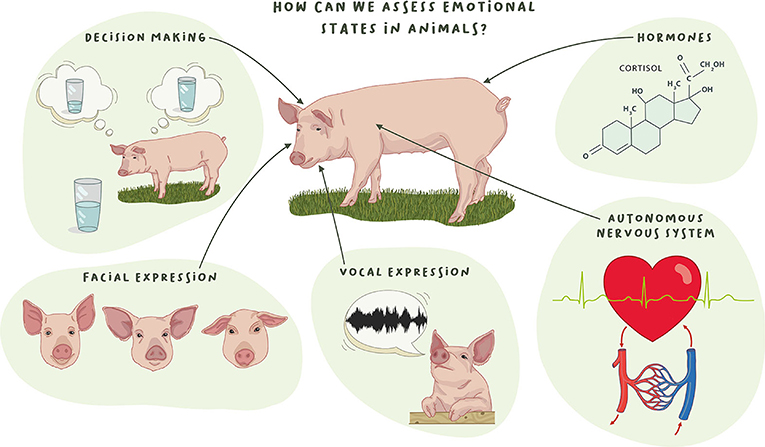
New paper out - and that's a very special one. @APigsHeart and I wrote a piece on animal emotions and how to assess them for @FrontYoungMinds - a journal dedicated to sharing recent developments in research with kids and teens.
https://t.co/zyKkE2ki3m
BOOK GIVEAWAY! Win a free, personally dedicated copy of Beasts Before Us! To enter just 1) like, 2) retweet, and 3) comment on this tweet. The winner will be chosen at random at the end of the day on Friday 11th June! Good luck! #BeastsBeforeUs#mammals#Evolution
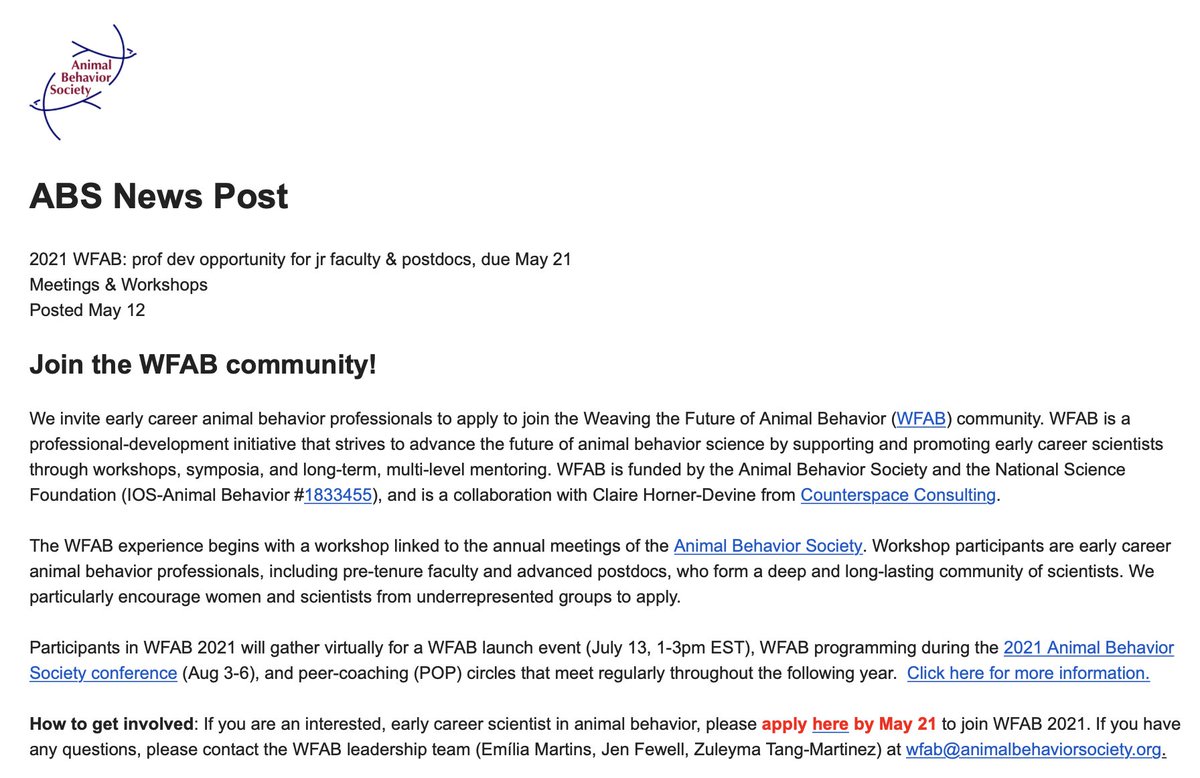
Early career animal behavior professionals: apply to join the Weaving the Future of Animal Behavior (WFAB) community (https://t.co/ufmLDyn6ed), a professional-development initiative that supports & promotes early career scientists.
Apply by May 21 here: https://t.co/DIifvnyDrA
Horses show evidence of mirror self recognition. After horses' cheeks were painted with a colourful mark in a spot they couldn't normally see, horses used the mirror to guide their movements and scratch at the marks, indicating a degree of self awareness. https://t.co/jYz1BFQBHQ
Hi friends! I'm Claire, a wildlife illustrator, writer and amateur naturalist making art, comics & zines ✨
🐸Portfolio: https://t.co/Ha6wuBJSOX
🦑Shop: https://t.co/vGUr4o7W6c
🦋Ko-fi: https://t.co/2jCwPsmv6V
I see a lot of thylacines popping up in art due to the potential sighting - which is awesome.
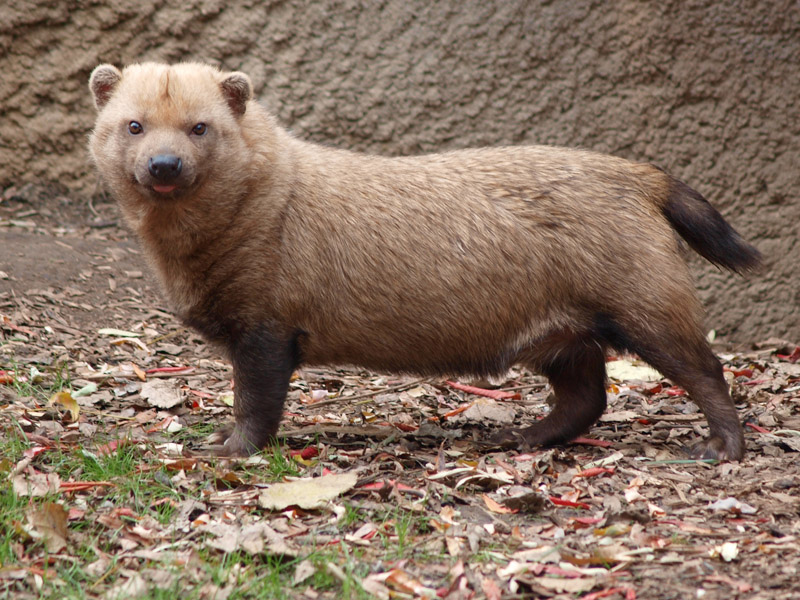
What is less awesome though is that there is the common disbelief that thylacine paws = dog paws. Know better - they are marsupials!
"No es antropomorfismo: No es que los animales sean como nosotros, de hecho nosotros somos como ellos. Las emociones de otros animales no son variaciones derivadas de las nuestras, sino que están fundadas en las mismas profundas raíces compartidas en la evolución" - Springer