We're looking for another Urban Ecologist at Second Nature (https://t.co/3YXy0s6Yik). If you have experience and expertise in urban nature & integrating biodiversity into design come join our team!
Remote full time
$60-80/hr
Masters min, PhD preferred
https://t.co/3k85Dc3Trx
Here @a_taucher and I answer some questions about our Zurich urban pollinator community science project.
While the smaller green patches had fewer pollinators, they nevertheless supported a large diversity of species for their size.
English version: https://t.co/FNZ7AKEk9d
Join our Department @UZH_en !
Job Opening: Associate / Full #Professorship in #Behavioral#Biology.
This is an exciting position in a great place! Please spread the information widely and applications are very welcomed! #RT
🐦⬛🐞🐟🧬🦋🦠🐡🦣🫏🫎
https://t.co/CzKZI4wcDJ
Very happy to share our review on the importance of daylight in urban planning, the effects of densification, and the ways in which green cities must also be cities with daylight. Huge thanks to the core team for getting this paper across the finish line. https://t.co/eDk6EnwkR6
Happy #WorldWildlifeDay! To protect wildlife, we first have to understand it. Join urban ecologist
@a_taucher as she studies the citys wild side and learn where you can report sightings of animals to help researchers monitor our wild neigbours! https://t.co/hJUu5uUNGW
📸Over the summer, we set up camera traps across the city of Zurich to monitor #urban#mammals. Unsurprisingly, the most commonly observed species was the house cat🐱, however, foxes, badgers, hedgehogs, roe deers and even wild boars were recorded. #cameratrapping#wildneighbors
Come and visit our stand at #Scientifica23 and explore the wonders of biodiversity with us! From seeing how animals diversify and conquer the earth to catching eDNA and cozying up with a drone - we are there all Saturday and Sunday! https://t.co/ndNnf499Y3
My work was featured in the Tagesanzeiger. Wanna learn about monitoring urban mammals with #eDNA, #cameratrapping and #cititnescience? Read the interesting article.
Die Biologin Anouk Taucher geht neue Wege, um herauszufinden, welche Säugetiere in der Stadt wohnen. Dabei hilft ihr zum Schluss ein spezielles Memory-Spiel. (Abo) https://t.co/VVmjBKwHbo
Save the date: 1⃣2⃣-1⃣3⃣ Oct 2023. FCL Global will be holding their Future Cities Laboratory (#FCL) Global Conference in Zurich. Expect eye-opening #research, keynotes & exhibitions. Registration now open👉https://t.co/hTSIuhO5wu
Why there are no kangaroos in Bali (and no tigers in Australia) ? New study led by @AlexDSkeels and supported by @snsf_ch combining empirical data and process-based simulations to unravel an intriguing biodiversity pattern https://t.co/Z2ZAlDD6KO via @eth @WSL_research
🧪A brief look into our lab where we are busy extracting #eDNA from river water samples of the #SwissNationalPark. Curious to know what we're searching for? Could it be the majestic alpine ibex? Stay tuned for exciting discoveries! 🧬🏔️ #WildlifeResearch#DNAExtraction
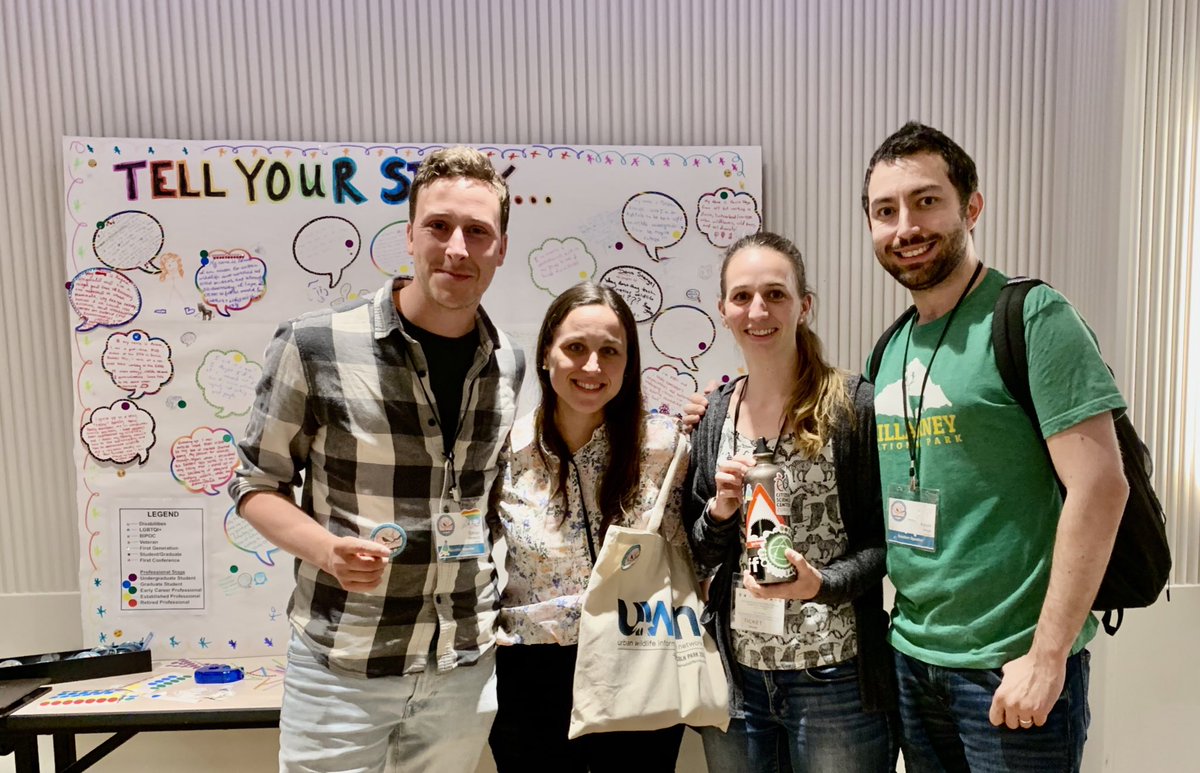
And so the #IUWC comes to an end. The 3 days were packed with interesting talks, posters and making new friends with fellow urban wildlife biologists! Now I am even more excited to dig into my own data 🐿️🦡🦔 stay tuned for updates!
Hope to see everyone again at #IUWC2025!
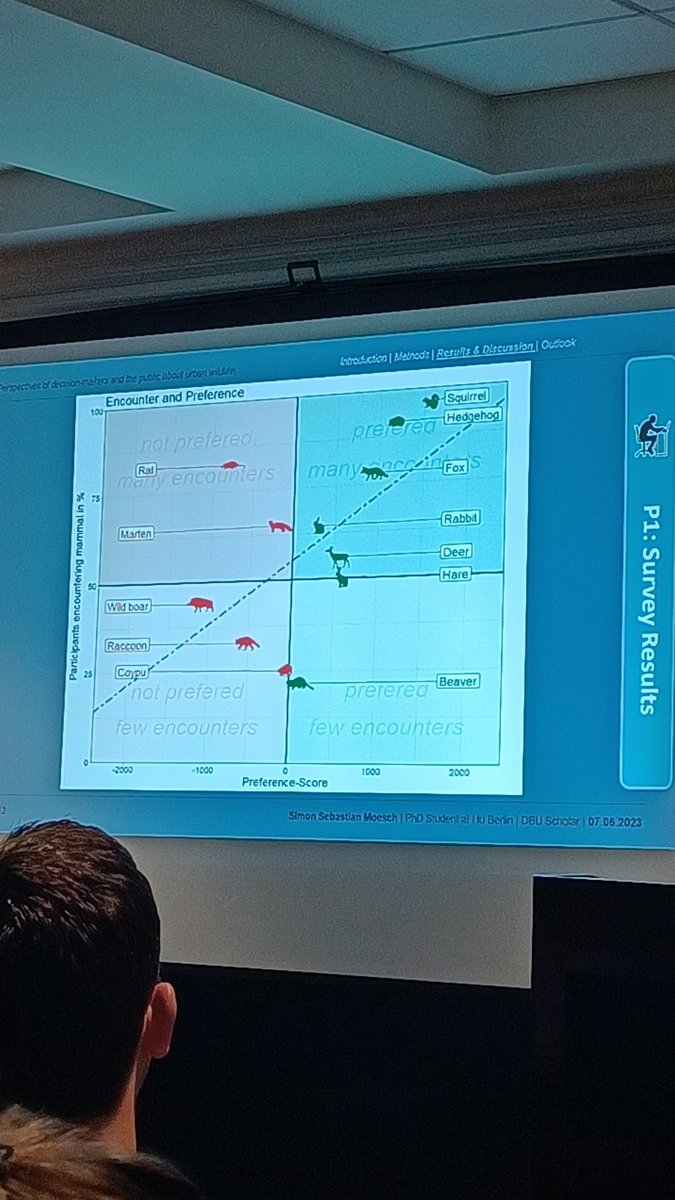
Very entertaining talk by @SimonMoesch about humans' perception of urban wildlife! Hedgehogs and squirrels are often encountered, well liked by people and therefore a great ambassador for urban wildlife 🐿️🦔
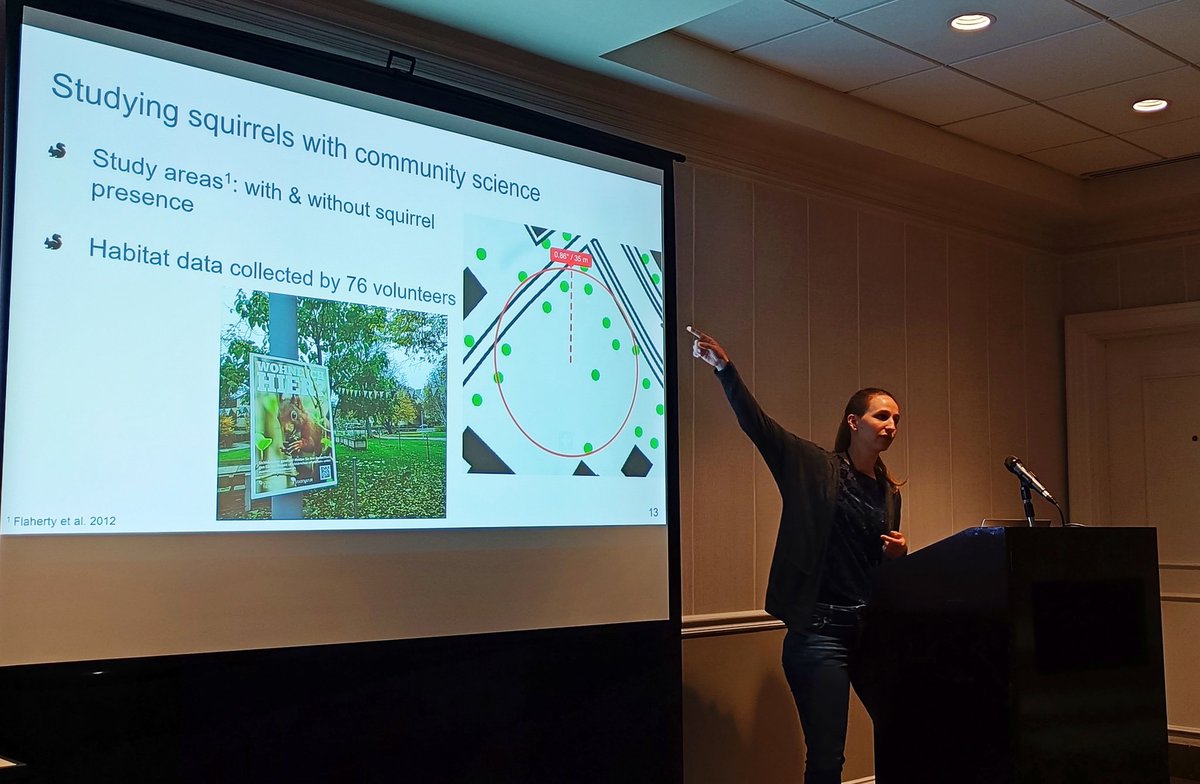
Community science, urban red squirrels, and connectivity modeling in a fantastic talk by @a_taucher and @TiereWild + @ELE_ETHWSL.
Working to build our green spaces to expand the connectivity of our adorable arboreal neighbors
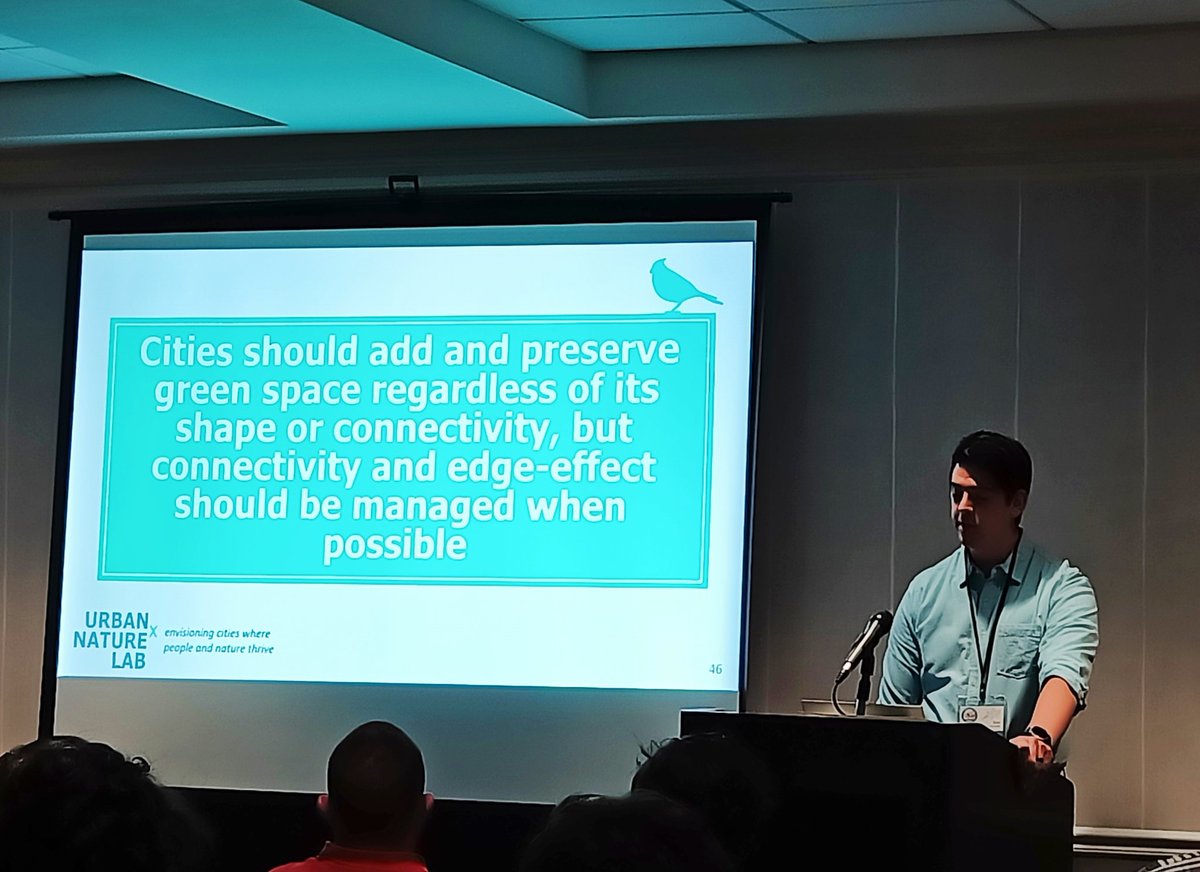
"Big parks are great, but don't discount the small green spaces!" Couldn't have said it better myself.
Great talk by @HerreraWildlife on historic data on parks in three US cities and what birds we find there. #IUWC2023
Urbanization impacts co-occurrence of tree squirrels! Red squirrels are the least urban of the three urban tree squirrel species 🐿️ fascinating talk by @RLarson92