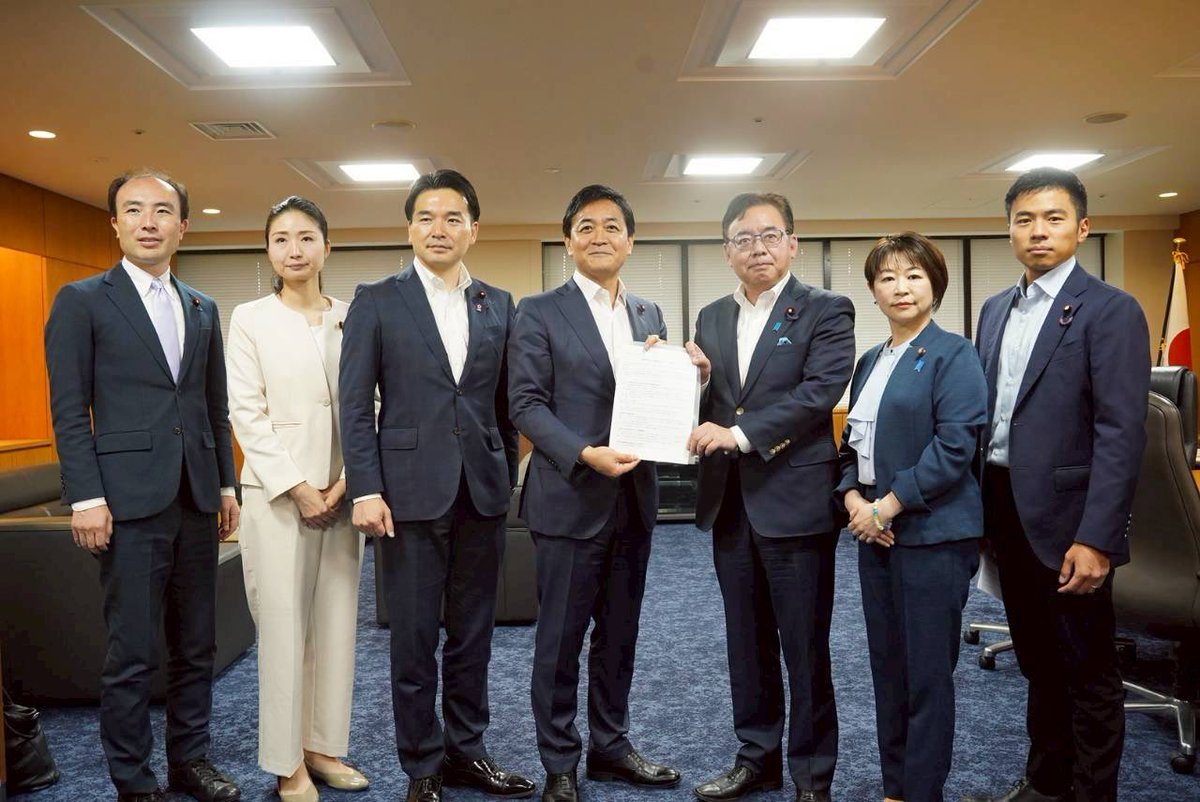
Emergency Policy Proposal on Drug Pricing System
The Government has positioned the pharmaceutical industry as a growth industry and designated “drug discovery and advanced medical care” as one of the seventeen priority investment sectors. It is promoting strategic public-private-academic investment in this field.
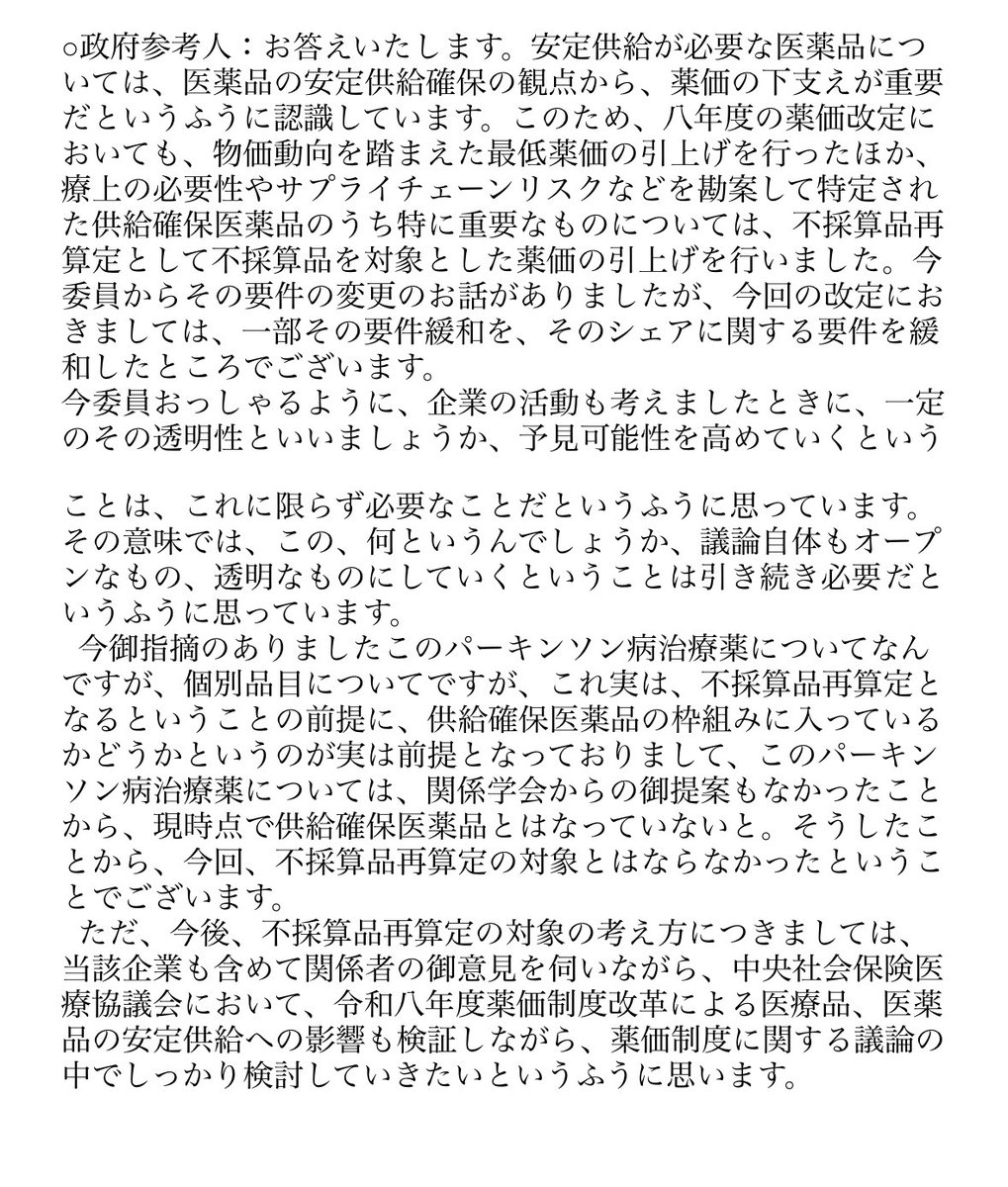
However, against the backdrop of nine consecutive years of drug price reductions and an industry structure that prevents rising labor, material, and distribution costs from being adequately reflected in prices, concerns over pharmaceutical supply have persisted for six years. At the same time, the problems of drug lag and drug loss have become increasingly serious.
From the perspective of building a sustainable social security system, while recognizing the pharmaceutical industry as a strategic growth industry and securing the necessary social security budget to support it, we hereby submit the following requests.
1. Reform of Drug Pricing and Distribution Systems in Response to the Inflationary Economy
Abolish (or at a minimum temporarily suspend) the annual off-year drug price revisions that have become a symbol of excessive fiscal austerity and have weakened Japan’s drug discovery and stable supply infrastructure.
In light of rising labor costs, raw material prices, and distribution expenses, implement extraordinary drug price increases from the perspective of crisis-preparedness investment. In addition, continue and strengthen support measures such as raising minimum drug prices and repricing unprofitable products to ensure their effectiveness.
Eliminate the rule prohibiting revised prices from exceeding pre-revision drug prices, and reform the drug pricing and reimbursement system to allow manufacturers, wholesalers, contract manufacturing organizations (CMOs), and other stakeholders to appropriately pass through rising costs.
2. Promotion of Innovation
Taking into account the U.S. Most-Favored-Nation (MFN) policy framework, introduce a new pricing methodology that allows innovative medicines to be priced at levels comparable to those in other advanced countries.
Ensure that drug prices are maintained throughout the patent protection period, and refrain from expanding either the scope or application of cost-effectiveness assessments.
Review the pricing and reimbursement framework for regenerative medicine products to better reflect their unique characteristics.
3. Strengthening Pharmaceutical Security
Provide subsidies for domestic capital investment, including the construction of new facilities and modernization of existing plants, for critical medicines and essential pharmaceuticals.
In preparation for future pandemics, establish peacetime support measures for antibiotics and vaccines, including government procurement and stockpiling programs, and provide subsidies for maintaining and upgrading production facilities.
To ensure the sustainability of pharmaceutical distribution, strengthen measures to improve distribution practices and revise the treatment of distribution costs within the drug pricing system so that it better reflects actual conditions.
4. Creating an Environment for Proactive Preventive Healthcare
Consider reimbursement incentives within the medical and pharmacy fee schedules to improve public health literacy and encourage appropriate healthcare-seeking behavior, including helping consumers determine when symptoms can be managed with over-the-counter (OTC) medicines.
Further promote the switch of appropriate prescription medicines—including those for lifestyle-related diseases—and diagnostic products using minimally invasive specimens such as capillary blood to OTC status. In addition, consider expanding the professional role of pharmacists to promote the appropriate use of self-medication.
5. Reform of the Central Social Insurance Medical Council
Add representatives of the pharmaceutical industry as full members of the Central Social Insurance Medical Council.


![GAMBA_OFFICIAL's tweet photo. 90分( +9 ) 試合終了 明治安田J1百年構想リーグ プレーオフラウンド第2戦 東京V 2-4 G大阪[味スタ] #ガンバ大阪 #GAMBAOSAKA https://t.co/TnxEg7cCJY https://t.co/m0wVFZGy3t](https://pbs.twimg.com/media/HKHo_eQawAAT7Rd.jpg)