In this infographic, we aim to identify some of the main patterns in these false narratives. From now on, keep a lookout for similar arguments and logics in other sources you hear, watch, or read!
Blasphemy law in Pakistan is contingent on a web of lies that legitimize it beyond the space of our constitution, seaping into countless hearts and minds. A 🧵
By reversing arguments, misreading Islamic scholars, omitting fundamental details, and more these narratives have for long twisted facts about our history, concealing the complexity this matter demands. Understanding these patterns of lies is crucial in our journey to undo them.
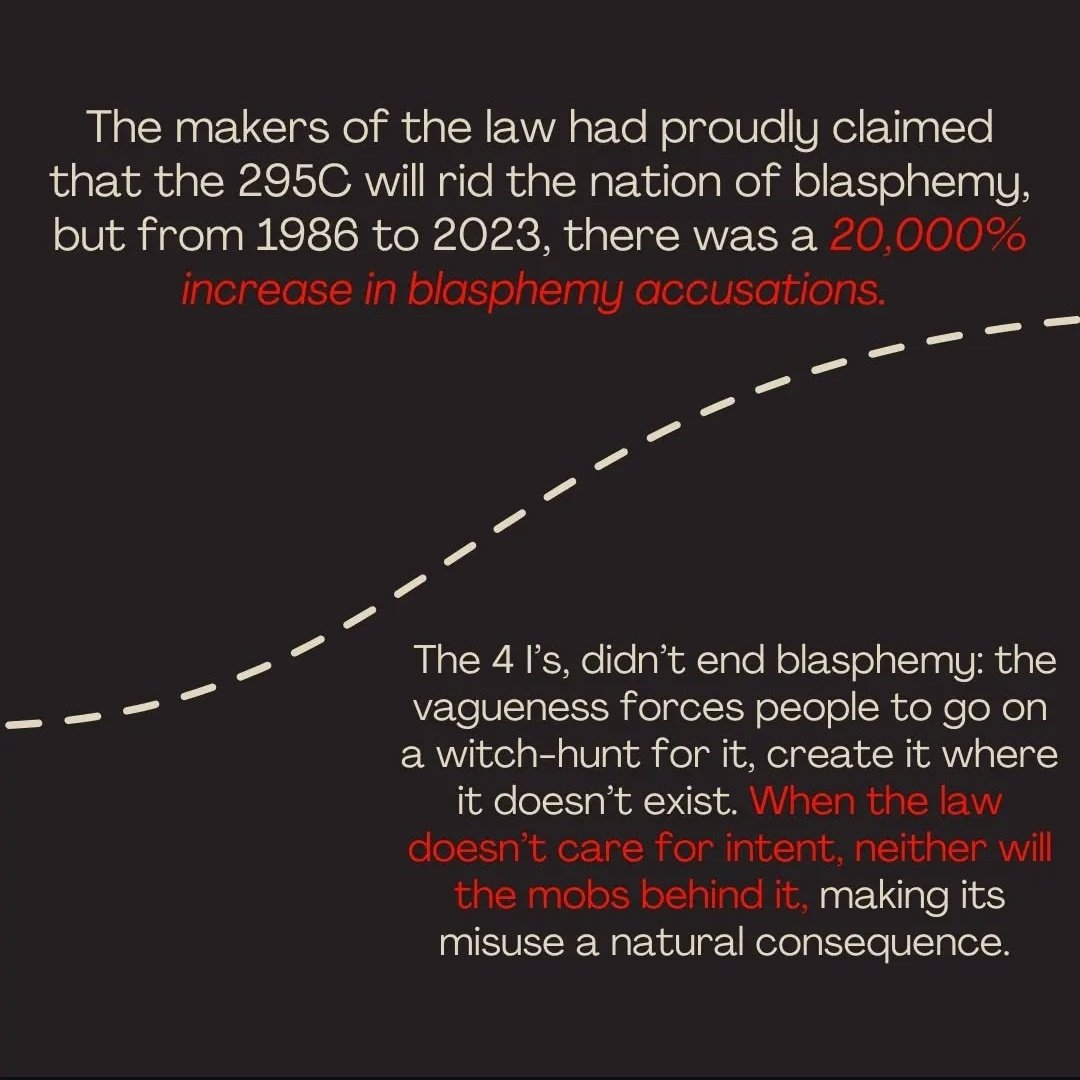
If the law doesn't care for intent, neither will the mobs behind it. The 295C is a remanent of a colonial past, a manifestation of a fascist present, we cannot let it define our future, too. We have no choice but to strengthen our voices against it. 7/7
Over the past two decades, the main analysis of Pakistan's blasphemy laws is that blasphemy violence (acts of mob violence, incendiary speeches, and witchhunts) is a "misuse" of the blasphemy law. Does that narrative hold up?🧵 1/n
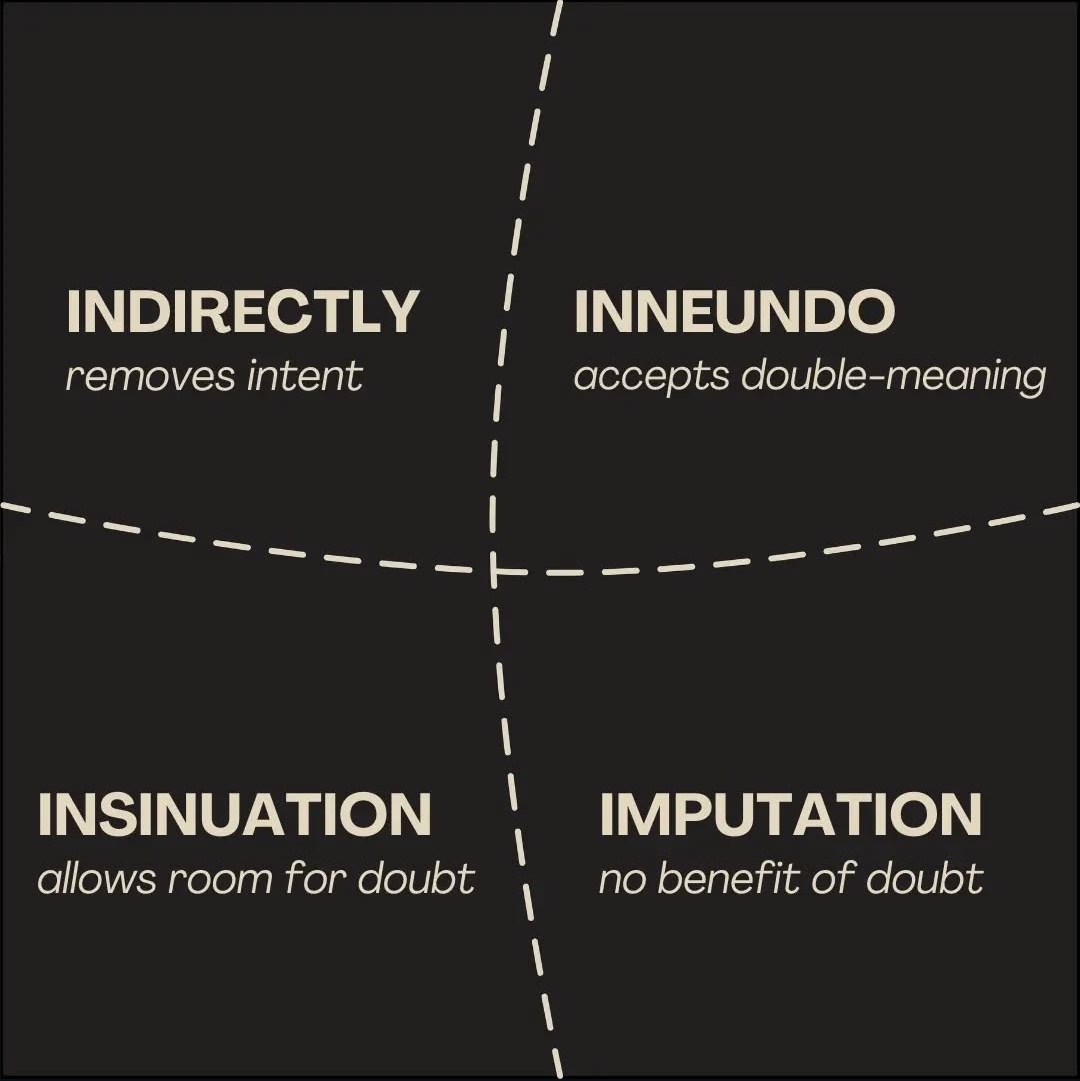
They allow for vagueness in the law, which enables what others see as "misuse" : anything and everything can be registered as alleged blasphemy. Declaring itself to be divine the law forces people to go on a witchhunt for it, create it where it doesn't exist. 6/n
For many of us, blasphemy violence (extrajudicial killings, false accusations, mob lynching) is merely a misuse of the law. But have we ever stopped to examine this narrative?
Is the problem the misuse of the law, or does it lie within the law itself?