Students need to learn how to use AI, but they also need to learn how to think for themselves. So in schools there should be some kinds of work where students are expected if not required to use AI, and others where it's banned, and no mushy middle ground in between.
De las 253 millones de canciones que existen hoy en las plataformas, 120 millones tuvieron menos de 10 reproducciones el año pasado.
Hoy, se suben más de 106.000 temas por día. El 88% de toda la música que existe tuvo menos de mil reproducciones en todo el 2025. Deezer dijo que el 44% de las canciones que le suben, casi la mitad, están hechas con IA.
Con los libros pasa lo mismo: Amazon tuvo que poner un tope de tres por día por autor. ¡Mil por año!
El problema es que la producción se disparó, pero el día sigue teniendo 24 horas: subió la cantidad de cosas que se hacen, pero no la cantidad de gente que las recibe.
En Estados Unidos, la cantidad de adultos que lee por placer cayó un 40% en veinte años y en 2023 tocó el nivel más bajo registrado.
Antes, el primer gran cuello de botella era hacer la cosa: grabar el disco, escribir las 300 páginas, bancarte el rodaje. Ahora, hacer cosas tiene cada vez menos fricción y el problema está en conseguir alguien que la consuma.
La semana pasada estuve en Experiencia @EndeavorArg. Había unos 4.000 emprendedores, muchos de ellos jóvenes de entre 18 y 25 años. Aproveché la oportunidad para bajar un poco a tierra mi framework mental sobre dónde está la oportunidad de la AI para builders
> you’ll never start a rocket company
> you’ll never build your own engines
> you’ll never be able to use off-the-shelf parts
> you’ll never survive three launch failures
> you’ll never reach orbit
> you’ll never win NASA’s trust
> you’ll never launch cargo to the ISS
> you’ll never compete with Boeing
> you’ll never compete with Lockheed
> you’ll never make rockets reusable
> you’ll never land a rocket vertically
> you’ll never land one on a drone ship
> you’ll never reuse a booster
> you’ll never fly the same booster 10 times
> you’ll never fly the same booster 20 times
> you’ll never fly the same booster 30 times
> you’ll never recover and reuse the fairing
> you’ll never lower launch costs
> you’ll never launch every month
> you’ll never launch every week
> you’ll never launch multiple times a week
> you’ll never carry astronauts
> you’ll never replace Roscosmos
> you’ll never fly civilians to orbit
> you’ll never manufacture satellites at scale
> you’ll never build the biggest constellation ever
> you’ll never make satellite internet work
> you’ll never make satellite internet fast
> you’ll never make satellite internet affordable
> you’ll never serve rural customers
> you’ll never serve aircraft and ships
> you’ll never build a methane rocket engine
> you’ll never make full-flow staged combustion work
> you’ll never build the most powerful rocket ever
> you’ll never build a rocket bigger than Saturn V
> you’ll never build it out of stainless steel
> you’ll never launch Starship
> you’ll never separate Super Heavy and Starship
> you’ll never relight Raptor in space
> you’ll never bring Super Heavy back
> you’ll never catch a booster with Mechazilla tower arms
> you’ll never launch 85% of mass to orbit worldwide
> you’ll never change the economics of space
> you’ll never force the entire industry to copy you
> you’ll never win
> you’ll never IPO
Congratulations to @elonmusk and the SpaceX team. You did what countless people said was impossible, and you did it time and time again.
Today is your day. You deserve this. May it be a glorious one.
🚨🇺🇸 | ¿SE VIENE?: El CEO de JPMorgan Chase, Jamie Dimon, habló sobre el futuro de la inteligencia artificial.
"Tus hijos trabajarán 3,5 días a la semana. Vivirán hasta los 100 años. La IA va a curar el cáncer, evitar accidentes de coche, crear nuevos materiales, salvar vidas".
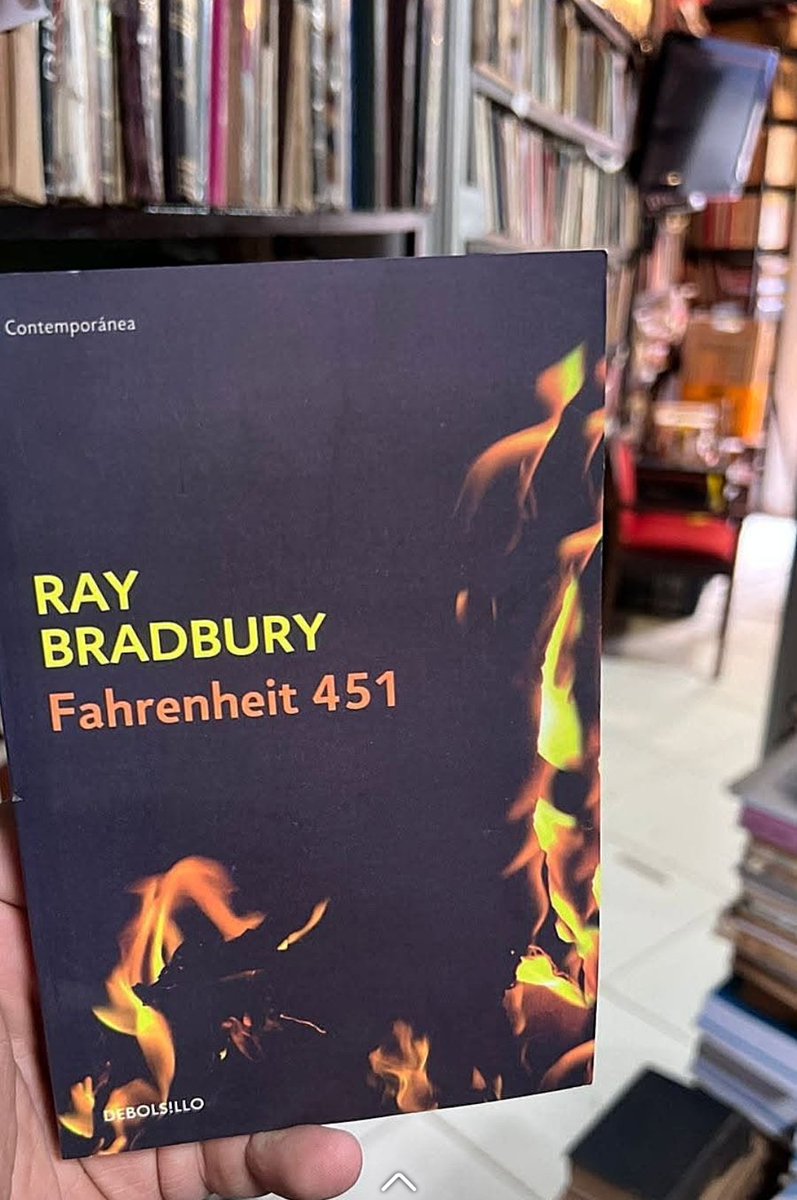
«Llena tus ojos de asombro, dijo, vive como si fueras a morir en diez segundos. Mira el mundo. Es más fantástico que cualquier sueño fabricado o comprado en serie».
Ray Bradbury, Fahrenheit 451.
I interviewed the great Desmond Morris and I shared it with you all. Author of the “Naked Ape”, at his 94 his actively writing and painting and in this interview, he shares his knowledge on Body “Language”, origins of gestures, his books and expertise.
https://t.co/vBqGWdrKkr
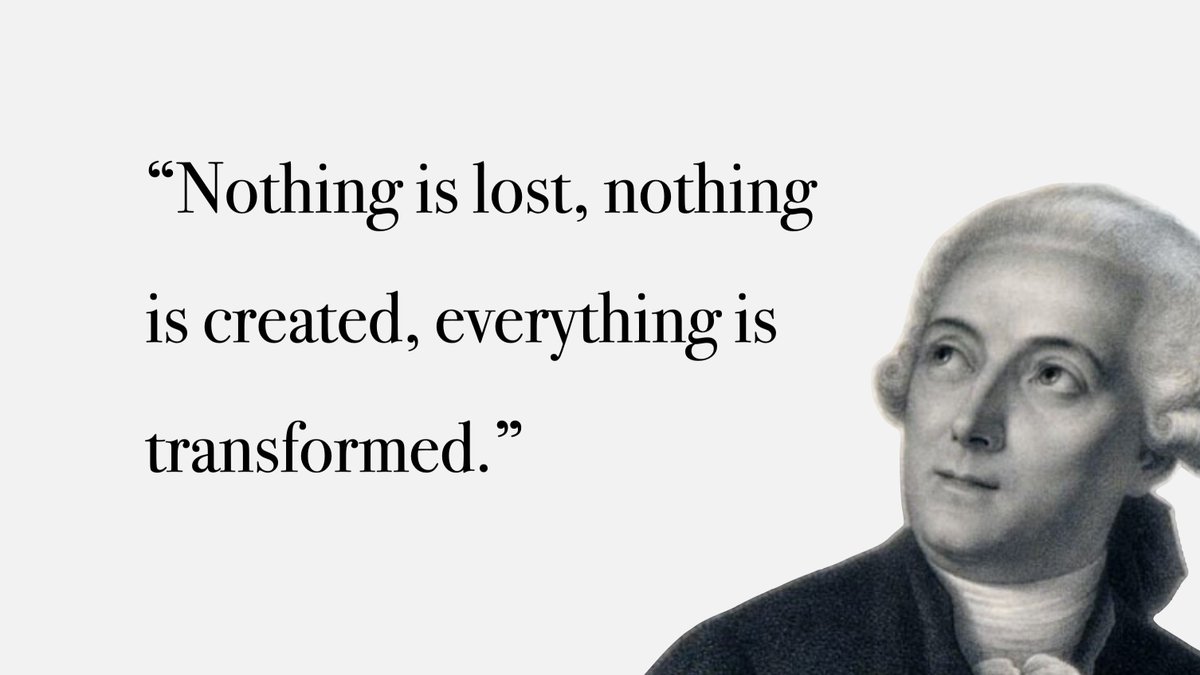
On this day in 1794 the French Republic guillotined Antoine Lavoisier. He had named oxygen, formulated the law of conservation of mass and founded modern chemistry.
Appeals were rejected with the line "the Republic has no need of scientists."
The next day Lagrange said: "It took only a moment to cause this head to fall, and a hundred years will not suffice to produce its like."
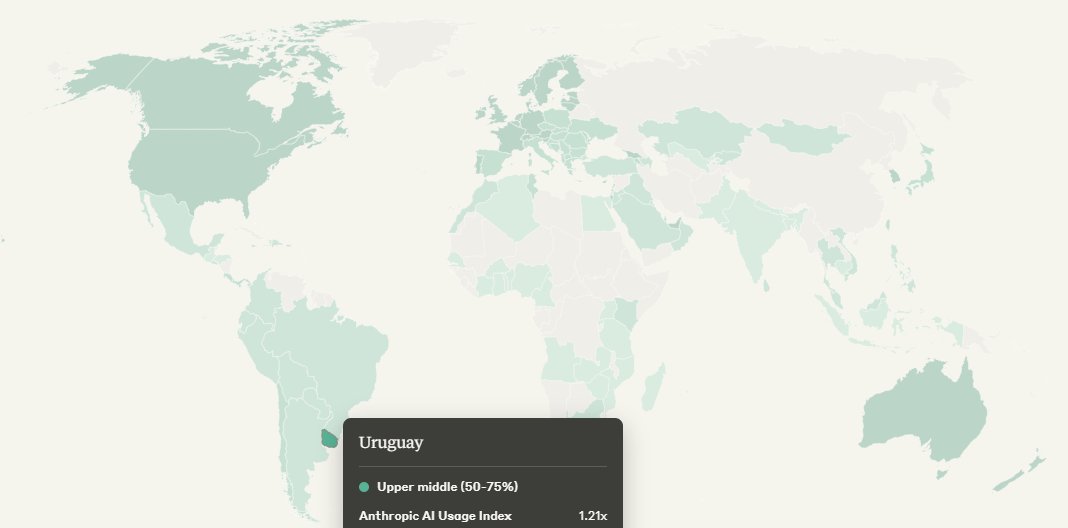
🇺🇾 Uruguay es el país de Sudamérica con mayor índice de uso de IA, según el informe global de Anthropic.
Índice 1.21 — usamos IA más de lo que nuestro tamaño haría prever. Y no para el ocio: desarrollo web, código, sistemas. Talento y uso real.💡
🔗 https://t.co/PkX3FM9cPr #IA
🇨🇳 | En el año 2011, el entonces emprendedor, Lei Jun, se dedicaba a vender en la calle y nadie le hacía caso, hoy, Lei es dueño de Xiaomi, y formó parte de la reunión mas importante del año, junto con Donald Trump, Xi Jinping y tomándose selfies con Elon Musk.
Absoluto Cine 🚬
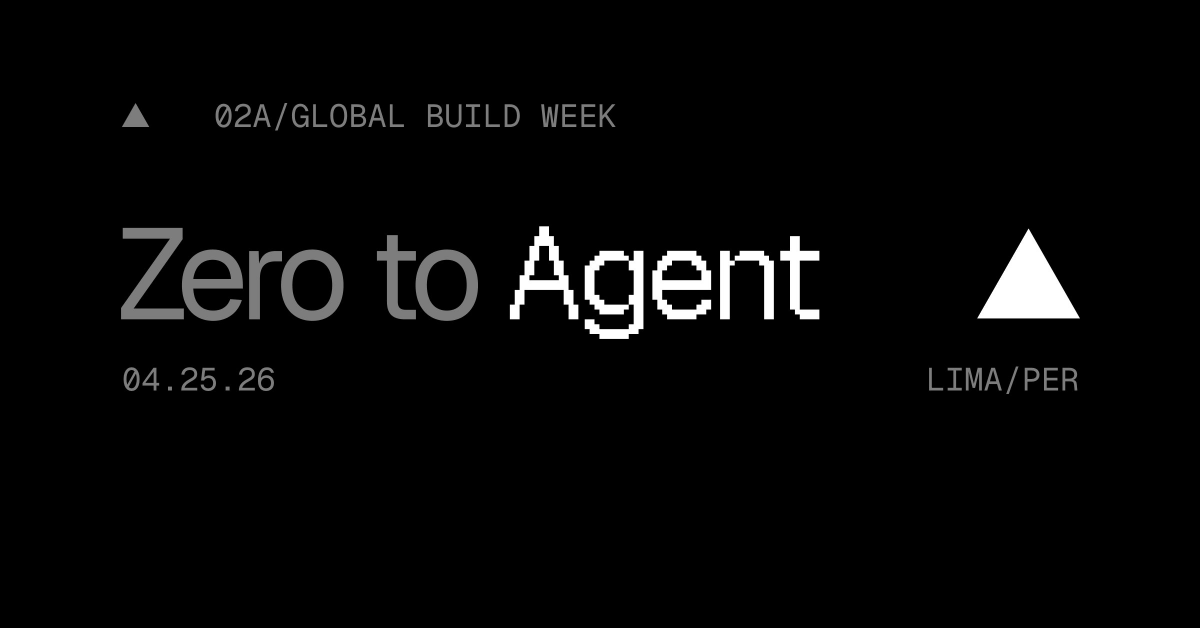
Zero to Agent llega a Perú 🇵🇪
Desde @dev3pack Perú nos sumamos a esta iniciativa global junto a @v0 x @vercel donde pasarás de idea a un agente real 💡🤖
📅 Sábado 25 de abril
🌍 Evento local + conexión global
💰 +$6K en premios
🔗 Inscríbete aquí: https://t.co/4bgssvLxFq
🇵🇪 | El robot humanoide de Perú, Xpertus, dice «hola» a los espectadores de CGTN America cuando fue entrevistado esta semana por Dan Collyns. Xpertus fue construido por Glexco, la primera empresa de robótica del país, en colaboración con tecnología china.
Jack Dorsey just published something that should be required reading for every founder.
The premise: the org chart needs to be replaced entirely. And the argument starts 2,000 years ago.
For thousands of years, every organization on earth has run on the same logic the Roman Army invented.
Small teams report to a leader → Leaders report to managers → Managers report to executives.
The whole structure exists for one reason: to route information up and down the chain.
That's it. The whole system exists to solve a bandwidth problem.
Jack's argument is simple: AI solves it better.
Block built what they call a "world model" - a continuously updated picture of everything happening across the company. Every decision. Every customer. Every transaction. Every bottleneck. In real time.
No status update needed. No weekly sync. No manager to translate what's happening on the ground into language the executive can understand.
When the world model carries the information, you don't need the layers.
So they eliminated them.
Block now runs on three roles:
Individual contributors who build.
DRIs who own specific outcomes for a fixed period.
Player-coaches who develop people while still doing the work themselves.
No middle layer. The system handles coordination. The humans handle the work.
I've coached thousands of founders. The number one problem is always the same: information latency.
By the time a problem surfaces from your front line to leadership, it's already compounded. By the time a decision travels back down, the damage is done.
That lag costs you deals, people, and momentum. And most founders accept it as the price of scale.
Block is trying to prove you don't have to anymore.
I think they're right.
Because the hierarchy was never the point - it was just the best tool we had. The moment something better exists, the layers eventually collapse.
This is either the biggest structural shift since the 1850s - or it breaks at scale like everything else before it.
Either way - every founder should be asking the same question: how much of your org exists just to route information?
If the answer is "most of it" - that's your problem. And your opportunity.
-DM
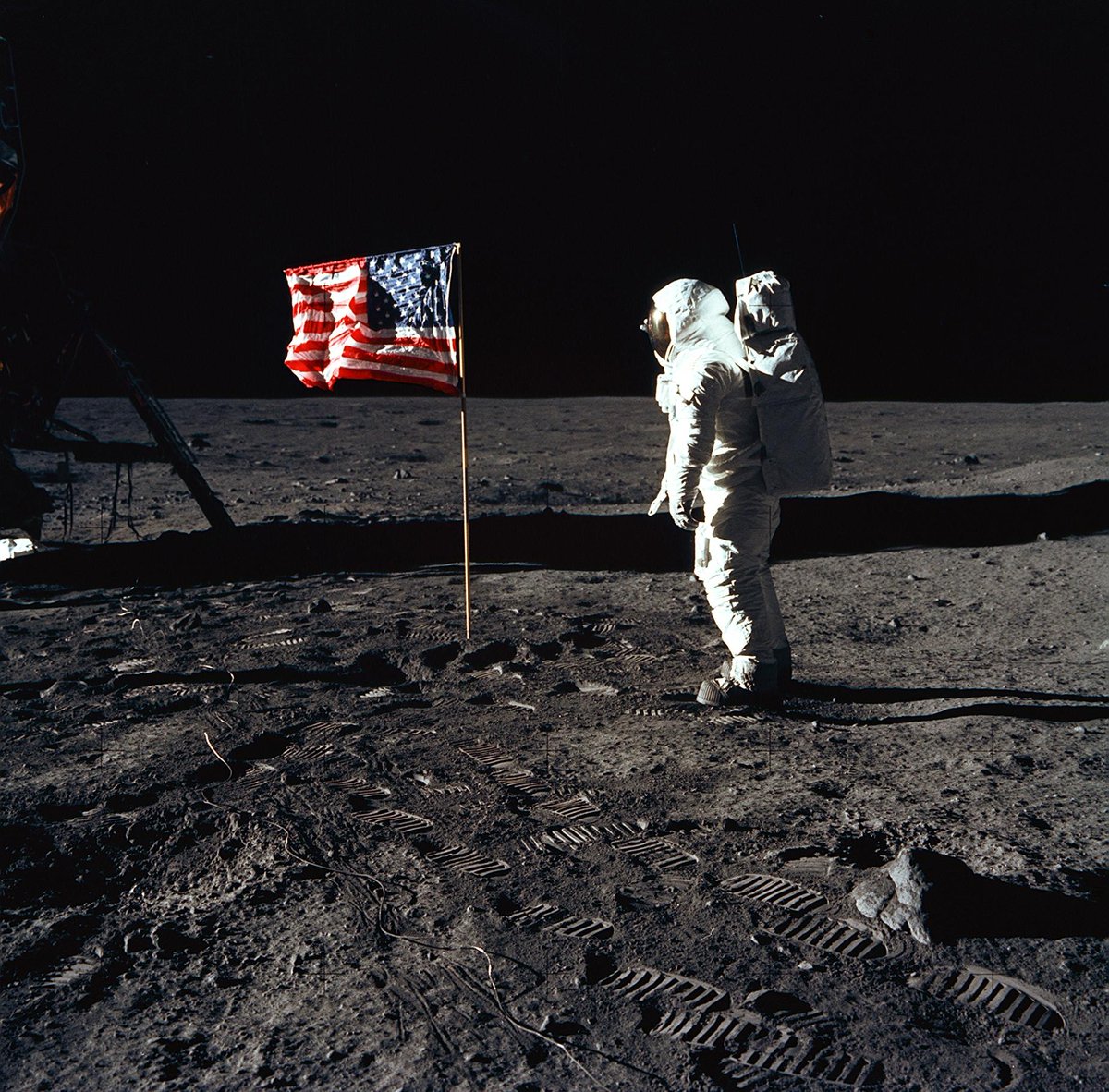
El alunizaje de 1969 es uno de los mejores ejercicios de pensamiento crítico que puedes hacer después de Semana Santa con tus alumnos.
Porque millones de personas creen que fue un montaje.
Y eso es una oportunidad de oro para enseñar algo que el sistema casi nunca enseña: cómo evaluar evidencias y distinguir un argumento sólido de uno que solo suena convincente.
Cómo lo haré yo: dividiré la clase en dos grupos. Uno defenderá que fue real. Otro que fue falso. Pero con una regla: solo valen argumentos basados en evidencia verificable.
Lo que pasará después seguro será fascinante porque descubrirán que tienen opiniones pero no saben sostenerlas.
Y de repente están aprendiendo epistemología sin saberlo.
¿Tu colegio tiene espacio para esto?
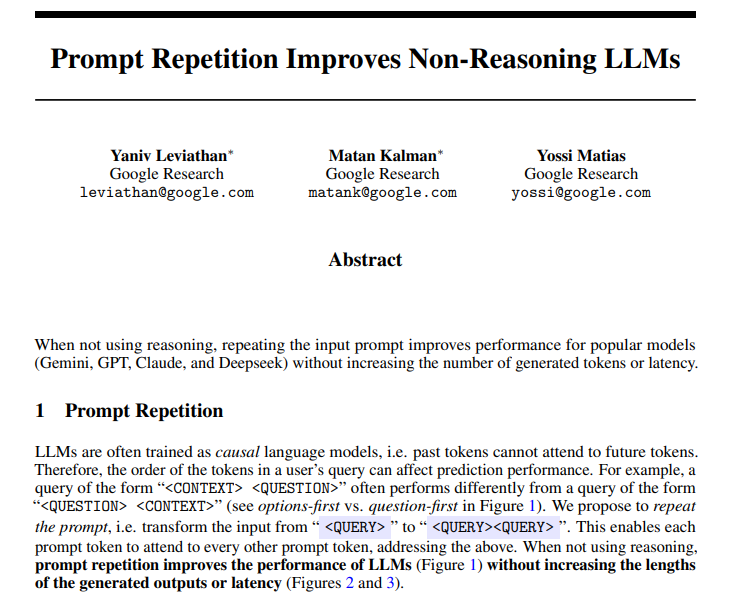
Google descubrió un truco muy estúpido para que la inteligencia artificial te responda MUCHO mejor. Mientras todo el mundo busca el prompt perfecto, escribe instrucciones complejas y técnicas con nombres elegantes... unos investigadores de Google descubrieron que lo que mejor funciona es copiar y pegar tu pregunta dos veces.
¡Sí, así de simple! Le mandás el mismo texto dos veces seguidas y la IA responde mejor.
Probaron con Gemini, ChatGPT, Claude y DeepSeek: en matemáticas, razonamiento y comprensión lectora mejoró en todo. En un caso, un modelo pasó de 21% de precisión a 97%.
¿Y por qué carajo funciona esto? Porque la IA lee tu mensaje una sola vez, de izquierda a derecha, sin poder volver atrás. Si tu pregunta está al final, todo el contexto de antes se procesó sin saber qué le ibas a preguntar. Es como leer un capítulo entero de un libro y recién al final alguien te dice: "ah, buscá cuántas veces aparece la palabra perro". Ya es tarde. Pero si lo leés dos veces, la segunda vez ya sabés qué buscar.
Mientras vos buscabas el prompt perfecto, la respuesta era Ctrl+C, Ctrl+V. A veces la solución más bruta es la más inteligente.
CONTROL, la guía radical para dominar tu vida, tu futuro y tu riqueza, es mi nuevo libro.
Disponible desde el 1 de Abril en librerías, tienda, en audiolibro, en Kindle y Amazon.
Hay más de 180 gráficos y cerca de 220 estudios científicos recientes combinados con historias muy personales e íntimas.
Tengo mucha emoción de que lo tengan en sus manos.