If you run Meta ads, this is the only video on Andromeda you need to watch.
We sat down with a Creative Strategist at Meta, someone who works directly with the top 1% of disruptor brands on the platform.
Here's our full conversation
00:00 Working with Disruptor brands at Meta
02:34 What is Andromeda?
09:34 Andromeda + GEM working together
11:15 The shift from targeting to creative
14:50 Creative similarity explained
19:10 Targeting personas
23:30 Creative strategists in the AI era
25:13 Creative themes
30:29 Is changing the script enough?
36:56 How many creative concepts should you run?
41:22 Brand consistency vs creative diversity
43:40 Partnership ads deep dive
52:55 Meta AI tools brands should be using
57:56 Measurement & ad account structures
1:01:18 Advice for brands wanting to become Disruptors
1:02:40 Where to stay up to date with Meta updates
our most valuable episode to date
If you're a media buyer, do this:
-Learn how to read the story data tells
-Learn WHY people buy
-Learn what makes a business scale vs get stuck (it's more than ads)
That's what brands will pay $15K/month for.
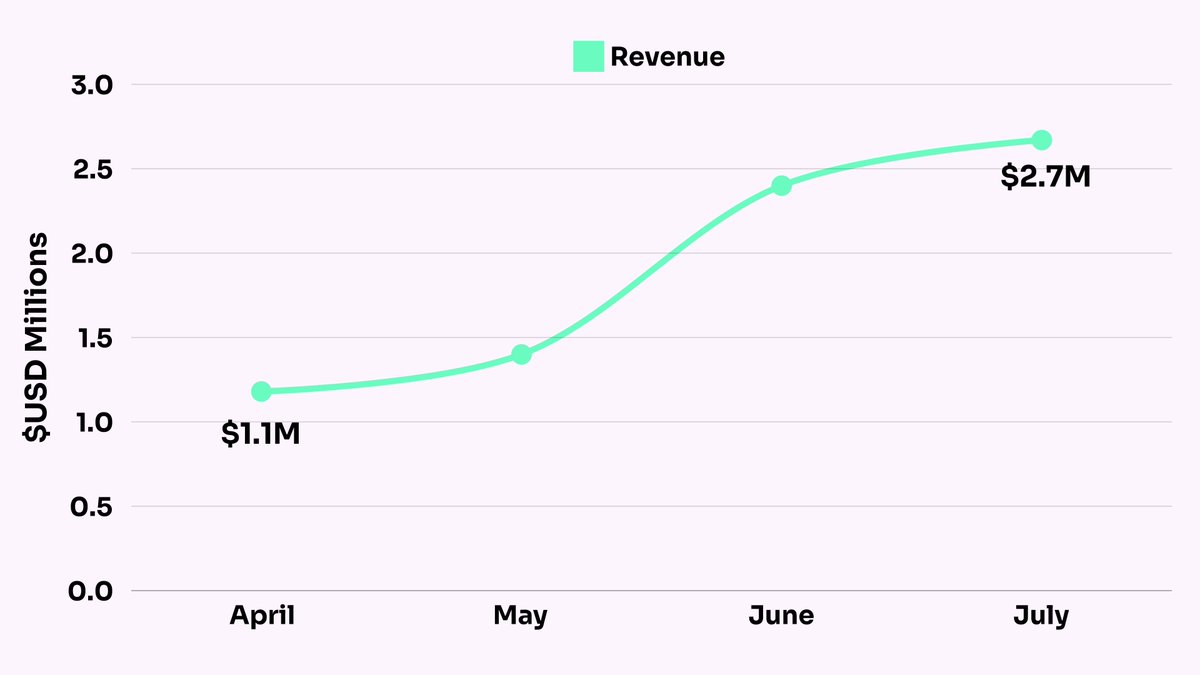
I took my client from $1.1M to $2.7M in just 90 days.
I'm breaking down the 3 steps I followed so you can do the same for your brand.
- Breaking ad spend ceiling
- Testing new stealth creatives
- Doubling down on winning messaging
(🧵)
If you're unhappy with how Meta is spending on bad/inefficient demographics/placements/etc and want to manually control those, ask yourself:
1. Why would the system spend this way if it doesn't align with my business objectives?
2. Am I optimizing for the right thing?
3. Is the system getting wrong/bad data?
4. If the system is being ineffective here, how else is it being ineffective elsewhere?
If the system isn't getting what you want automatically, reconsider how you're optimizing.
Most UGC ads flop.
Not because of the creator...
but because the script isn't believable
Great scripting = high engagement, low CPAs, and scalable performance.
I built a Creator Script Writing Guide that shows:
✅ The proven script formula
✅ What hooks actually work
✅ How to make ads feel authentic
Want it?
RT & Drop ‘Script’ & I’ll DM it over.
Your ads aren’t broken.
Your creative strategy is.
Most brands keep repackaging the same angles without a system.
We built one to turn test data into new winners > on repeat.
Want the free guide?
1. RT + comment “CREATIVE”
2. I’ll DM it your way.
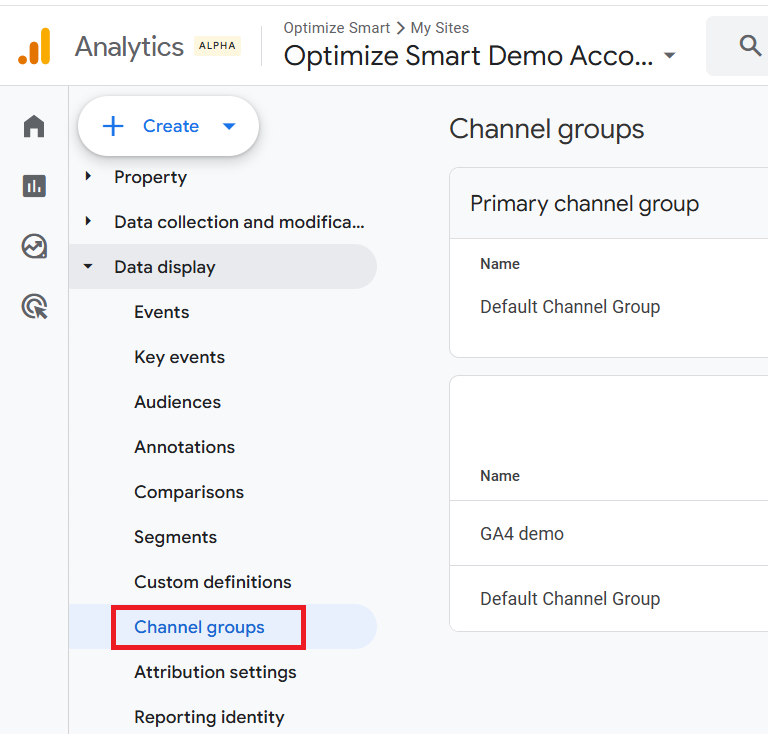
💀 If you haven't set up Custom Channels groups in your GA4 property, your marketing attribution is all wrong, and the worst part, you are unaware of it. 👎 🤯
A Channel group is a rule-based grouping of marketing channels.
GA4 can report the performance of a marketing channel via several different referrers.
For example, GA4 can report traffic from Facebook via a dozen different Facebook referrers.
If you are not very careful, you may just take the traffic from 'facebook. com / referral' into account while interpreting reports.
GA4 is not going to automatically consolidate all of the Facebook referrers' data and report it to you as Facebook traffic.
This is something you would need to do manually.
So, you would need to identify all the traffic sources which belong to Facebook.
Then, you would need to consolidate the data from different traffic sources into one custom Facebook channel.
The same tactic applies to Google Ads and other marketing channels.
.
.
💀 UTM tracking parameters are not a substitute for custom channel groups. 🤯
UTM parameters are great for tagging specific campaigns and tracking their performance within a channel.
However, they can become unwieldy for complex marketing setups with numerous campaigns.
With custom channel groups, you can define rules based on a combination of UTM parameters (source, medium, campaign, etc.) and other dimensions, such as referrer or device category.
This allows you to group similar campaigns or traffic sources with specific UTM combinations under a single, more manageable channel.
Custom channel groups are not reliant on specific UTM structures, allowing them to adapt to future campaign tagging strategies.
.
.
Let's say you run multiple email marketing campaigns with different UTM parameters.
Using custom channel groups, you can create a single "Email Marketing" channel that combines all these campaigns.
Within the "Email Marketing" channel, you can still analyze data by individual campaign using UTM parameters in your GA4 reports.
.
.
Here are some additional points to consider:
>> Start with a well-defined strategy for how you want to categorize your channels.
>> Regularly review and update your custom channel groups as your marketing efforts evolve.