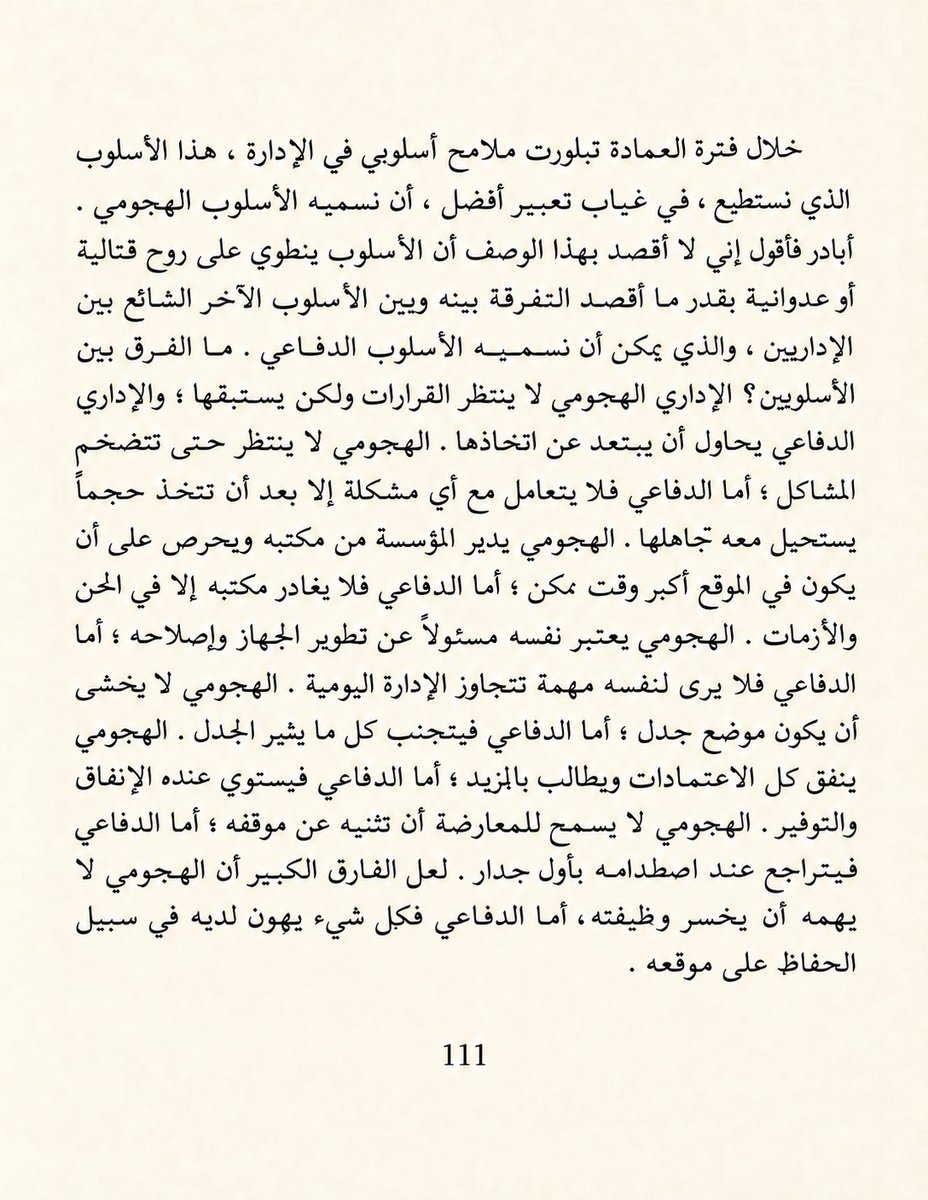
@AJali_2030 أخ عبد الله
نثق أنكم بنشركم هذا التصور تبحثون عن تغذية راجعة من المختصين والمجتمع وتتعاملون معها بكل حيادية وتستفيدون منها في تحسين النموذج وتطويره. هذه أعلى درجات الممارسة وتحمل المسؤولية. نشكركم على مشاركة الفكرة ونأمل منكم (وهو حسن ظننا بكم) أن تدرسوا وتقيموا الآراء والمقترحات
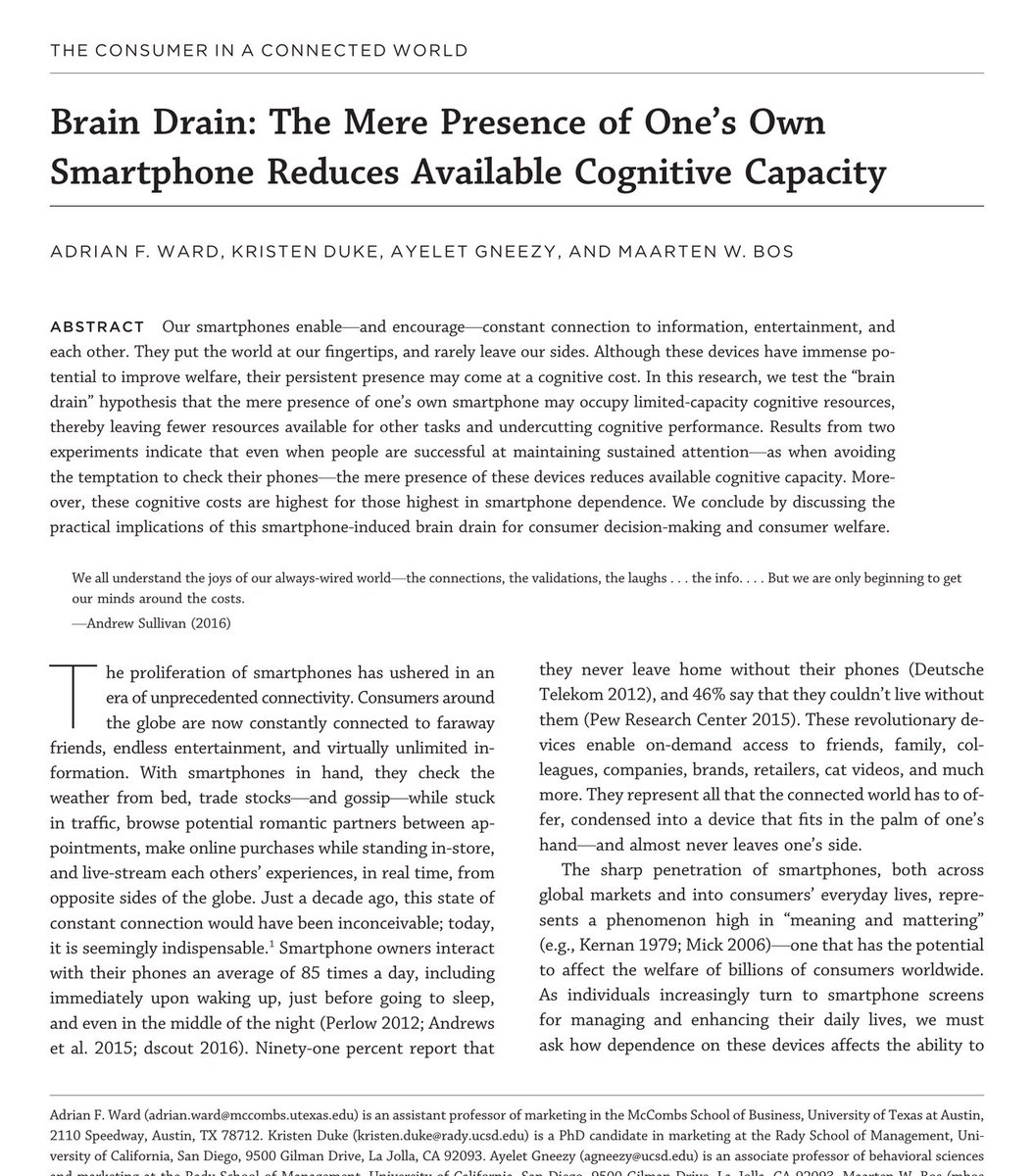
خلاصة الدراسة، وجود الجوال بجانبك حتى لو كان مقفل أو مقلوب على وجهه يسبب تفريغ الدماغ ويقلل القدرة على حل المشاكل.
يقولون: مجرد قربه منك يجعل المخ يستهلك طاقة في *مقاومة النفس لاستخدامه*. هذه المقاومة تشغل المخ عن التركيز.
الحل:
*ضع الجوال في غرفة أخرى*
This paper answers why you can't think straight even when you're not touching your phone.
Researchers from UT Austin and UC San Diego published a paper that explains every unfinished task, every reread paragraph, and every afternoon that vanished.
It's called "Brain Drain."
they took 520 people and gave them tests of memory and problem solving.
the only difference was where their phone was.
on the desk, face down. in their pocket or bag. or in another room.
every phone was on silent. no buzzing. no notifications.
And the results are wild.
the people whose phones were in another room did significantly better than the people whose phones sat face down on the desk.
the closer the phone, the worse they scored.
then they ran it again and made half of them turn their phones completely off.
it didn't matter.
off and face down on the desk still drained the brain.
the paper revealed a brutal paradox:
most people said they weren't thinking about their phone at all.
75.9% said its location didn't affect their performance "at all."
they were wrong.
your brain spends energy just to not pick it up. a quiet, constant effort to ignore the most interesting object in the room.
that effort comes from the same tank you use to think.
and the more dependent people were on their phones, the bigger the hit.
you are not distracted because you're weak.
you are distracted because the most powerful attention machine ever built is sitting three inches from your hand.
the fix is almost insultingly simple.
put it in another room.
This paper made me close my laptop and go for a walk.
Stanford proved that the simple act of walking generates 60% more creative ideas than sitting.
They ran four different experiments comparing people who were sitting inside, walking on a treadmill inside, walking outside, and being rolled outside in a wheelchair.
the outcome? walking drastically increases "divergent thinking" (your ability to generate novel, high-quality ideas).
and here is the craziest part..
it has absolutely nothing to do with "getting fresh air" or seeing nature. the researchers proved that the physical, mechanical act of walking, even staring at a blank wall on an indoor treadmill, is what actually hacks your brain and opens up the free flow of ideas.
when they rolled people outside in wheelchairs to test if the environment was the trigger.. the creativity boost didn't happen.
it is the physical movement that unlocks the brain.
and it gets better.. you don't even need to be walking while you work. the study found that participants experienced a massive "residual creative boost" even after they sat back down at their desks.
your brain essentially stays in god mode after the walk is over..
if you are stuck on a problem or an idea right now.. stop staring at your screen.
your lack of ideas isn't a thinking problem. it is a movement problem.
science says walking literally upgrades your hardware..
Very thrilled to learn that my code EXPMV for computing the action of the matrix exponential (with Nick Higham) becomes a built-in function in @MATLAB since release R2023b.
https://t.co/qWZZY2btli
The paper was published in SISC/SIAM @TheSIAMNews
هل الشاشات تضر البصر؟ وتنقص النظر؟ ج: نعم ، وهذا الجواب من الدكتور سعد الحربي @DrSaadAlharbi إستشاري العيون👇وهنا يشرح الدكتور الاستعمال الصحيح للجوالات لتجنب اضعافها للنظر وتخفيف ضررها للبصر
@RushoodAlKhraif من وجهة نظري أن خفض المعايير سواءً في القبولات للدراسات العليا أو في توظيف من يشغل الوظائف الأكاديمية، هو الدافع الرئيسي لهذه الممارسات. الضعف العلمي والقيمي أكبر مشكلة تواجه البحث العلمي. عملنا مبني في أساسه على احترام القيم الأكاديمية وعلى الملاءة العلمية.
التعاون البحثي وإختيار من تتعاون معهم مسؤوليتك
لا تُخلى مسؤوليتك عندما تتعاون مع باحث لا يراك إلا بطاقة فيزا ولا تراه إلا نقطة تُضاف لحصيلة نقاط ترقيتك
بإمكانك قراءة البحث كامل وتمحيصه والتدقيق فيه و طلب الـ Raw data الخاصة بالنتائج ومناقشة الباحثين بصحتها وسلامة الأجهزة
@YasirAlruwaili إذا نشرت بحث فتتحمل المسؤولية عن كل ما فيه ولو كان عدد المشاركين ١٠٠٠. كيف أقبل أن أستخدم البحث في ترقيتي وفي الحصول على دعم ثم حين تظهر فيه مشاكل تتعلق بالنزاهة العلمية أقول: منحت ثقتي لأناس ما يستاهلون🤔. الباحث يتعهد بالمشاركة فيه ومقر لكل ما فيه.
@RushoodAlKhraif ولذلك الاحتفاء بتصنيفات الباحثين التي تظهر هنا وهناك لابد أن يكون بحذر يا دكتور رشود. عدد الأبحاث وغزارة النشر واللعب على الاستشهادات لا يعني عالماً متميزاً ولا باحثاً حقيقياً. التميز عزيز في كل علم وفن و#النزاهة_العلمية فوق كل اعتبار.
#تصنيف_ستانفورد يقوم على مؤشرات قابلة للتلاعب، وبعض #الجامعات والباحثين استغلوا ذلك، مثل تبادل الاستشهادات" بين مجموعات من الباحثين أو داخل جامعة واحدة، وقد رُصدت حالات استشهاد متبادل مكثّف.
كما إن التصنيف لا تعنيه جودة منافذ النشر من عدمها، حتى التي لا تراعي #النزاهة_العلمية!
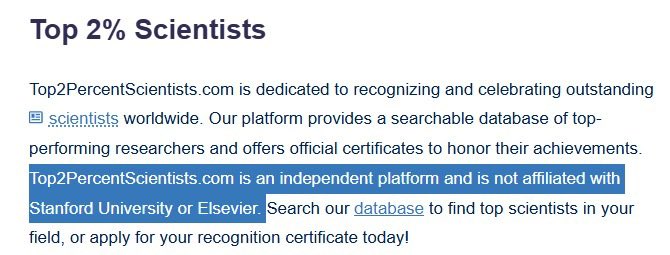
@AMAlfuraih المنصة نفسها أشارت بوضوح أن لا علاقة لجامعة @Stanford ولا أليسيفر بالتصنيف ولكن أصحاب الأهواء لا دواء لهم! إن كانت مغالطة الحقائق بلغت بهم إلى درجة أنهم يريدون منا تكذيب أعيننا، فما عسى أن يقال عن ما يسمى "البحث العلمي" الغزير الذي أنتجوه! شيء من الحياء!
ايها الجامعات والباحثين تعالوا الى كلمةٍ سواء؛ هذا التصنيف هو تصنيف للبرفيسور
#John_PA_Ioannidis جون ليونداس احد اساتذة جامعة ستانفورد ولا لجامعة ستانفورد دخل لها في التصنيف...https://t.co/rdCROWhIAi سامحك الله ياجون لقد اشغلتنا بأبحاثك اللي ماهي في تخصصك!! ...
@saeed_malowi شكر وتحية لك يا دكتور سعيد. حسابات موثقة لجامعات طارت في العجة بدون التحقق من المعلومات والبيانات في تضليل المجتمع الأكاديمي والمجتمع العام. المنصة نفسها ذكرت بوضوح أنها لا تنتمي لجامعة ستانفورد @Stanford ولا لإليسفير. أتمنى أن تصدر جامعة ستانفورد بياناً لترحمنا من أنفسنا🤦♂️