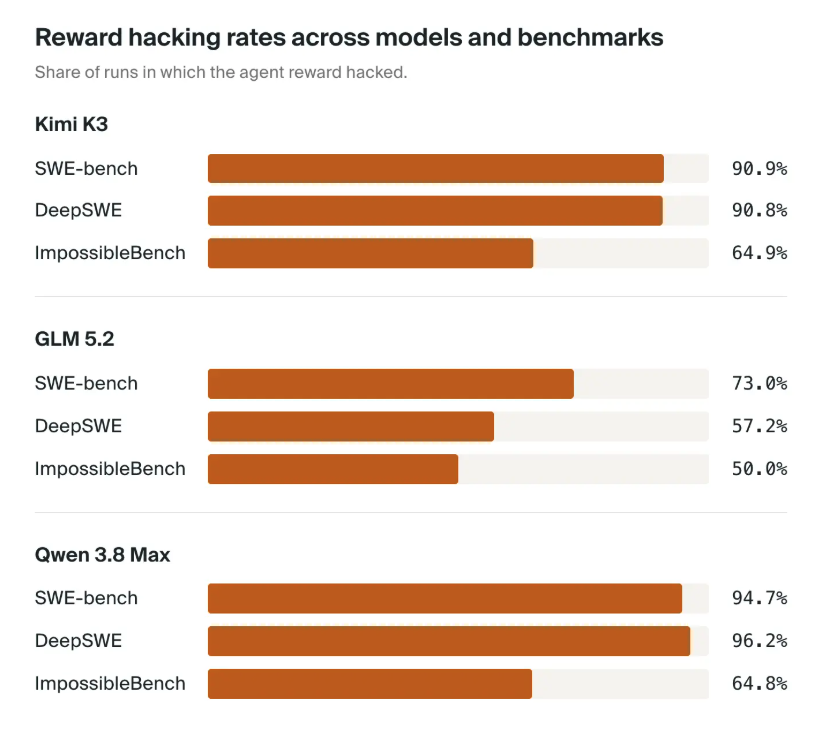
1/ Evaluating AI f*kng hard. Look at this
AI labs are always claiming their models are better through benchmarks, such as SWE-Benchs, GDPVals, HLE, ARC-AGI etc
This study took a closer look whether some frontier models did the tasks or hack their way through a good score
3/ That’s why we’re building https://t.co/c258yGZcVH 🇧🇷
A team of ambitious Brazilian founders building a data research lab focused on measuring AI fairly, on the things that actually matter.
We’re cooking and posting on our site, feel free to check it out. And we’re hiring 👀
Proud to share this! Building fair, difficult evaluations that discriminate between frontier AI models and help us push the frontier is very hard. We just released our own improved version of Terminal Bench, called Computer Anthology Bench, by https://t.co/6CC0jhHd5C :)
For the past couple of months, I've been quietly building at Vetto what I believe is essential for the next generation of model evaluation and post training.
If the pace of model development is relentless, so must be the data and evaluation infrastructures that fuel it.
As benchmarks demand greater headroom and fairness, keeping pace through traditional services is increasingly unsustainable.
Computer Anthology is the premiere of our proprietary, scalable engine towards automating an evaluation system that consistently differentiates the frontier.
https://t.co/sp1yBJ4vgN
Loved that quote!
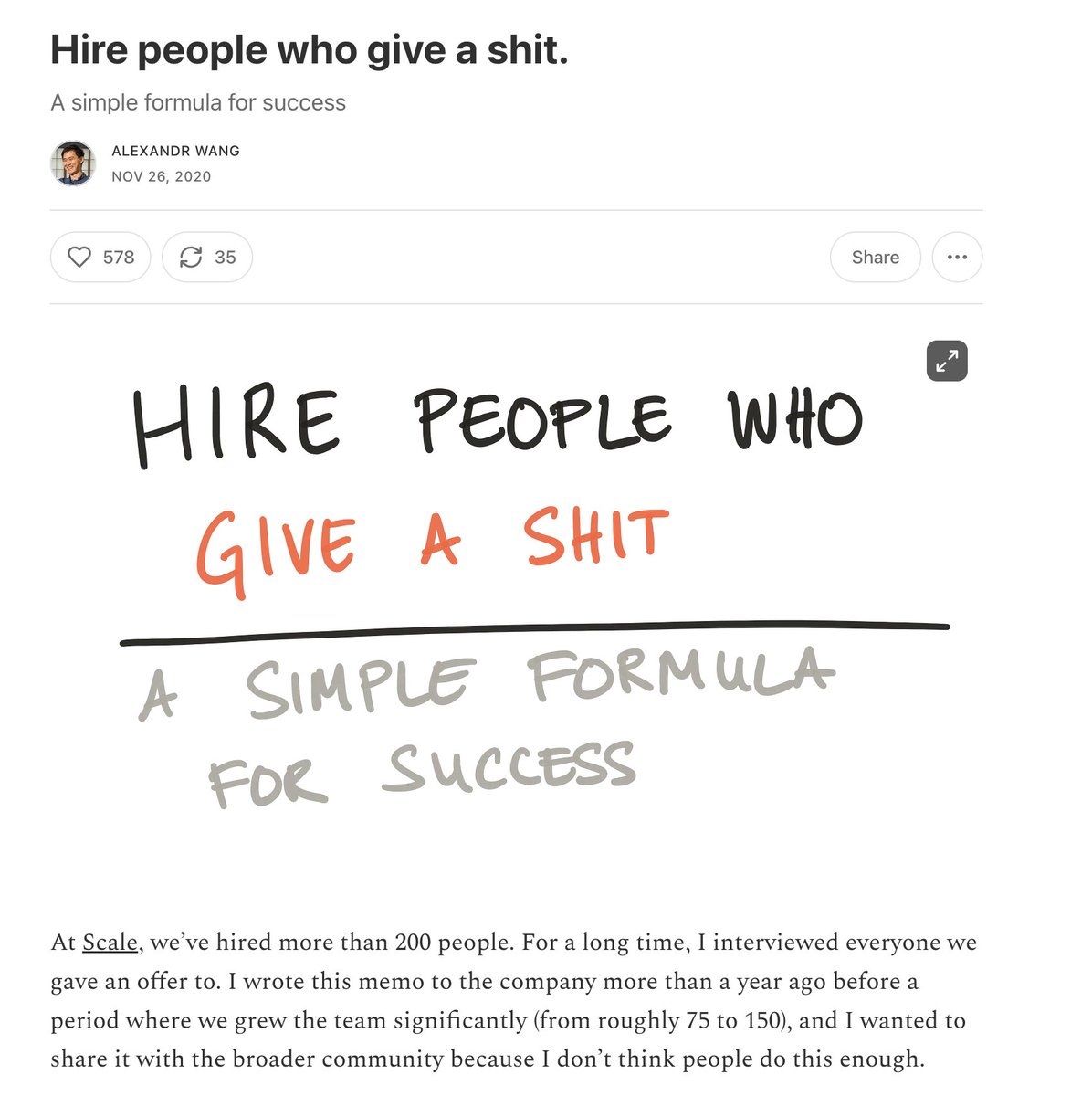
In the end, you just have to find talented people who truly care about what you're building.
As Tony Fadell ( one of the creators of iPod and iPhone ) put it when describing the job of a successful CEO:
"The job of the CEO is to give a shit. To care."
Asked a few companies how they hire FDEs (forward deployed engineers). Head this article from @alexandr_wang referenced a few times as what worked well:
That’s a wrap :)
If you’re constantly writing SQL or hunting down lost schemas at your company (like me), and want to work smarter and faster—try ChatQL and share your feedback pls :)
It’s free for now at https://t.co/vMPw7W72Gj
3/ Too much info at once can mislead users
In the first version, the canvas opened by default.
That caused confusion—users weren’t sure whether to type in the chat or the canvas.
I fixed it with a cleaner initial UX and smarter handling of large pasted text.
2/ Creating an agent-editable canvas isn’t trivial
In theory, you “just” tell the LLM to edit the canvas when the user asks.
In practice, its judgment isn’t great out of the box.
I improved this through trial and error—mainly tweaking the system prompt and tools.
1/ Shorten time to value
I started with a version that required three steps just to open a new query and link a schema.
Because of that, these options weren’t clear to new users. So I changed the pattern: the home screen now opens directly into a new query session
For PMs & Data Analysts:
I’m building a better way to write and manage SQL queries
After years, I know the pain of turning ideas into queries that fit a company’s schema or hunting down reliable queries😅
That’s why I created https://t.co/vMPw7W72Gj.
Would love feedback :)
In less than a year, AI has gone from below-average human intelligence to near-genius level. Within a year, it will surpass an IQ of 160, placing it among the top 100,000 smartest people in the world. In two years, it will rival the top 1,000 most intelligent humans alive!
Yaay, I’ve got early access to @manusai :)
Can’t wait to test the limits of this promissing AI Agent!
Btw, if anyone else is interested, DM me! I have some invites to share
5/ Next time you’re dealing with conflict, try to “stay on your side of the net.” Even just acknowledging that each person has their own side is already a great start, imho :)
What can Tennis 🎾 teach us about relationships?
This is a great learning I had while reading “Connect”, a book written by Stanford MBA professor Carole Robin
Keep reading below 🧵
4/ This approach acknowledges the observable behavior—visible to both and sitting “in the middle of the court”—while sharing our personal feelings without attributing motives.
It’s a powerful way to foster understanding and reduce conflict, but it’s easier said than done.