@scaling_rn Depends who you're retargeting
If new customers who have engaged but haven't converted yet > new customer PL
If existing customers > returning customer PL
Same for ecom
Loads of ecom brands lean hard on paid ads to grow
Revenue looks great and the P&L looks fine
Then spend slows down or goes off and revenue goes *poof
Lightbulb moment: split the P&L into new vs returning customers
New is where all the ad spend lands
Put those costs against it and it's burning cash fr
Returning came back on their own
> that’s ownership and brand equity
Blended, one margin hides a side losing money and a side making it
Split it and you'll see which side is paying the bills
Do it just once 👀🤓
consumer apps are completely cooked.
know 2 separate founders doing 7 figures a month on mobile apps:
- one cut meta ad spend by 70%
- the other turned meta off 100%
both are saying the exact same cope: "working on extending ltv before turning ads back on."
it is a never ending meat grinder against inflating cpms. the second u turn off paid acquisition, revenue plummets off a cliff.
b2b is slower, 10x less sexy, but u actually stack and compound recurring revenue month over month.
building on rented land vs building an empire 📉
Tail old as time
Founders saying they want to do:
10
50
100 mil
Keyword: "want"
What they actually do: operate with 10% input required to hit those numbers
Then act surprised when they don't break out of 7-figure jail
@oliverbrocato Yup even for ecom brands too reliant on paid ads
Switch it off… then *poof
Only when they split PL new vs returning customers is the lightbulb moment
Burning cash fr
The perfect vibe code run stack doesn't exi…
• London easy run
• Wispr Flow
• Grok Bot controlling Fable 5.2 orchestrator agents on the Mac Mini
Pure bliss… flow state
Unlimited thinking power unlocked
PolyAI has raised $200M from Nvidia, Khosla Ventures, and multiple top VCs.
We're one of the fastest-growing companies in the UK, and we handle 500M+ calls for:
• Marriott
• PG&E
• Gordon Ramsay's restaurants
• And 3,000 more real deployments
Which means that if you've ever called them, chances are you've talked to our voice agents.
Every restaurant we onboard books thousands in revenue within 30 days.
But how?
Because PolyAI works 24/7, answering every call in <2 seconds, and we also:
• switch between 45+ languages
• handle payments & cancellations
• verify identities
• and even upsell your services
If you want to try creating an agent with PolyAI, we built Agent Studio Lite to make it easy. Just enter any URL, and in 5 minutes it will analyze your website and build a working agent.
We're opening early access to a limited number of people. Comment "PolyAI" and we'll add you to the waitlist and give you 3 months for free!
almost every founder i talk to thinks they're behind target... most aren't
they just don't know the difference between budget and forecast
January: you set £200k profit target (that's budget)
March:
- supplier costs spike 20%
- ad costs up
- team member leaves
But you're still comparing to that £200k from January & the goal seems impossible now
instead, you need to think of it like a road trip
you plan to arrive 3pm (that's the budget)
then you hit traffic, weather changes, gps updates to 4pm (that's forecast)
lets say you arrive 3:30pm. Did you miss your target?
well, only if you measure against the original 3pm budget, but you beat the updated 4pm forecast by 30 minutes
same with business
budget = original plan from january
forecast = updated target based on what's actually happening
most founders beat themselves up for missing budget when they're actually crushing forecast
it's good to track both but without an adaptive forecast you'll spend the whole year feeling like you're failing when you're not
do you run budgets, forecasts, both, or neither?
I've worked with multiple seven-figure e-com businesses
The ones who scale fast vs the ones stuck at the same revenue for years?
One difference: Speed
Stuck founders wait:
- "Once we hire that person..."
- "Too busy right now..."
- "When Q4 is over..."
Scaling founders move:
- "Fix problems as we go"
- "Make decisions fast"
You're not launching a nuclear rocket. 98% of decisions are reversible.
Hired wrong? Fire them
Product flopped? Kill it
Price too low? Raise it
The cost of moving slow is way higher than the cost of fixing a wrong decision
If you're waiting for certainty, you'll wait forever. There's always another fire. Another excuse. Another delay.
Speed compounds
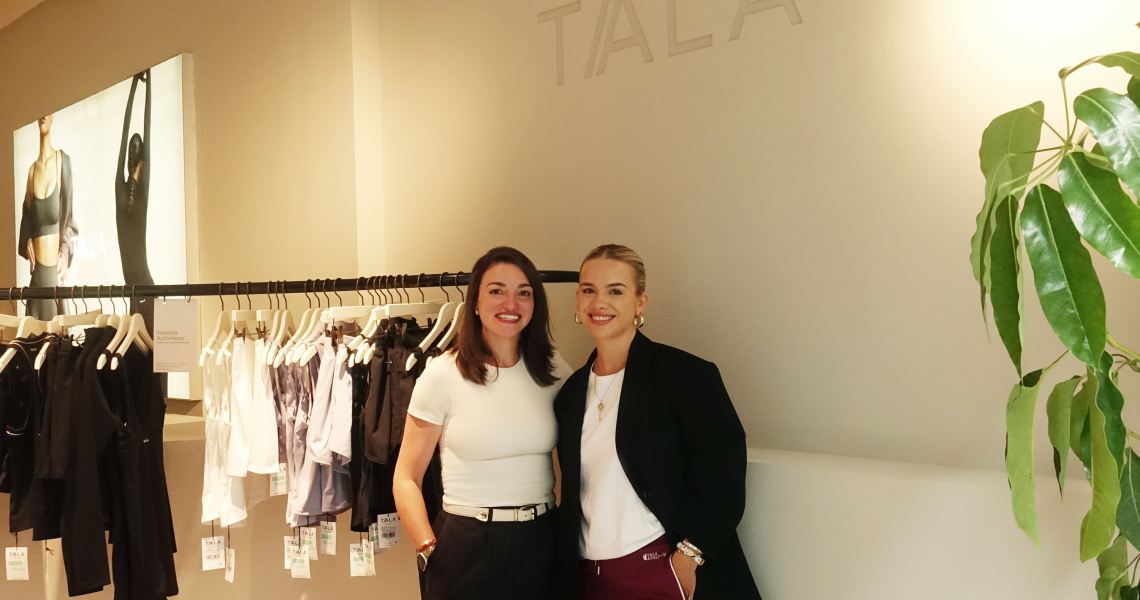
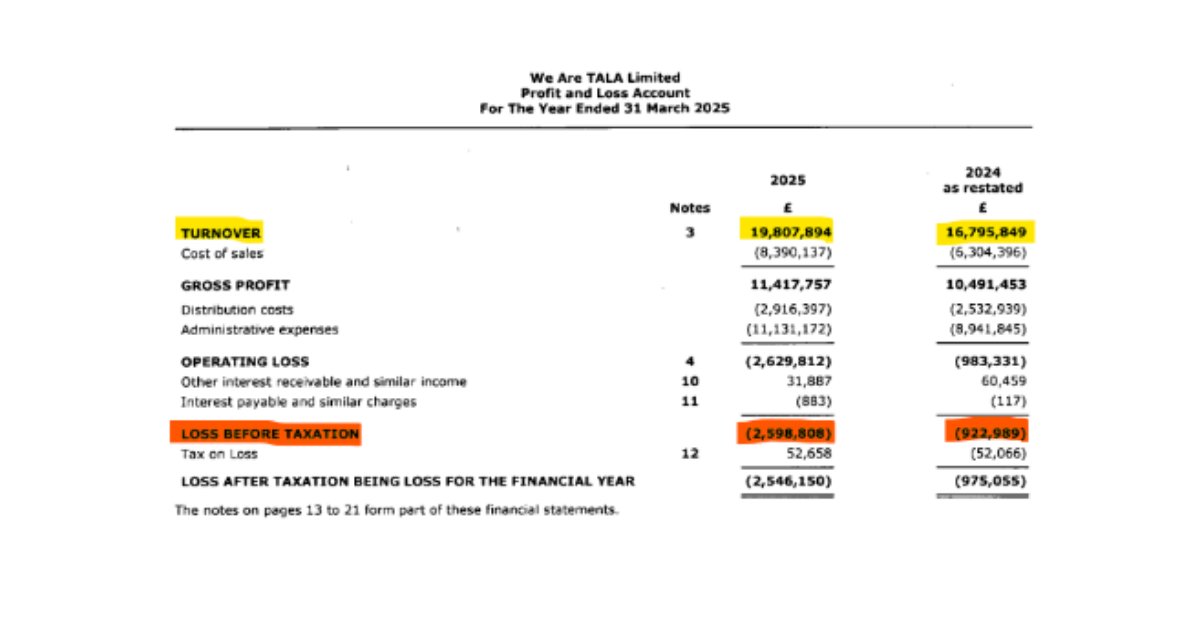
tala's ceo just got sacked after £2.5m in losses. revenue was up 19%
brutal lesson here.
revenue: £20m (up 19%)
gross margin: 58% (actually good)
operating loss: £2.6m (up 165%)
they grew revenue while bleeding cash faster.
here's how they screwed it up:
-- opened 2 stores in london (premature)
-- hired a ton of people (before they needed them)
-- switched logistics providers mid-growth (expensive timing)
-- pushed into US right before trump tariffs hit
admin costs: £11.1m (that's 97% of their gross profit straight to overhead)
-- every pound of new revenue cost more than a pound to generate.
you can't scale your way out of broken unit economics. you just lose money faster.
fix profitability first. then scale. not the other way around.
Most ecommerce founders do this backwards. they hit £500k revenue and immediately start hiring, opening stores, expanding markets.
meanwhile their margins are <10% and they're one bad month from broke.
tala will probably survive this. grace has funding and can restructure.
most of you don't have that runway though...
Are you team 'expand first' or 'profit first'?
You can't optimise what you don't measure...
If you can't list your top 5 products by contribution margin now, you have a blind spot...
And it's probably costing you 20-40% of your potential profit
What's contribution margin? It's the margin that is left after ALL variable costs that CONTRIBUTE (hence 'contribution') to your overheads
Most founders only count product cost. They forget:
-- Direct labor time
-- Packaging materials
-- Shipping supplies
-- Payment processing fees
-- Returns
"What's your margin on Product X?"
I ask this question in every first call with ecom clients
The answers I get:
→ "Uh... around 30%?"
→ "Good, I think?"
→"Let me get back to you on that"
If you can't answer this immediately, you're guessing
And guessing in business? You're cooked
I worked with a £100K/m client who didn't know their unit economics
When we finally calculated it:
Their bestseller: 12% margin
Their "side product": 34% margin
Many many SKUs: Actually losing money
They'd been scaling... the wrong products
Why do we need to know by product? It means we have clarity on our range, know what's worth selling and what isn't.
Also, products with higher margins can afford to be pushed as a promo and discounted, but still remain in line with profitability goals
You can't scale what you don't understand.
Most founders optimise for revenue. The smart ones optimise for margin