Have you encountered the problem to process gut tissue to obtain single-cell suspensions suitable for scRNAseq (or other follow-up studies)? Do you want to store gut samples for years until you complete your cohort? Check our new paper https://t.co/etUlZWPail
Dissociation methods matter. Happy to share our paper in @SciReports on the effects of gut mucosal biopsy dissociation methods on celltype composition and single cell gene expression DOI:
10.1038/s41598-022-13812-y
This new paper is probably the most prominent example to date of how linking genetic variation to cell-level, rather than tissue-level, gene expression can transform the interpretation of GWAS signals.
The study generates a single-cell eQTL resource from intestinal biopsies and blood samples from 421 individuals, including 125 with inflammatory bowel disease (IBD)👇
🚨What if we could reliably program macrophage polarization state?🚨
https://t.co/6qGxuHptQq
Macrophages are highly plastic immune cells that perform critical functions by polarizing into distinct cellular states. The polarization state of macrophages can substantially influences the progression of cancers, infections, and autoimmunity. (1/11)
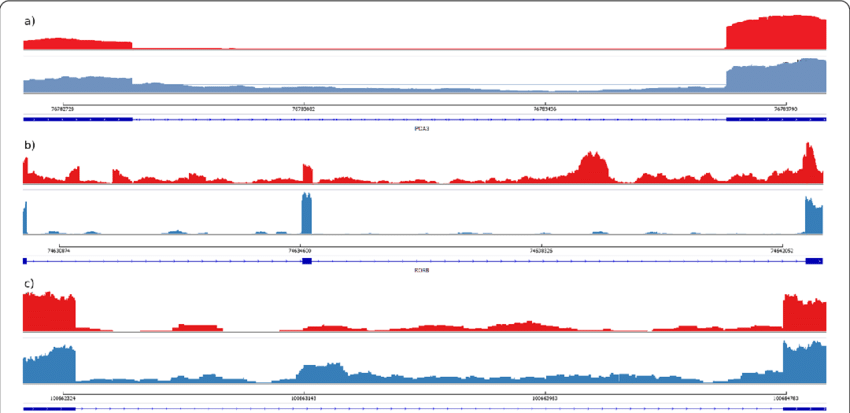
Why are there intronic reads in your bulk RNA-seq data?
You're not alone—it's common, and the reasons are more layered than you think.
Let’s break it down. 🧵
La terapia génica ya no es ciencia ficción. Algunas investigaciones han conseguido que el propio organismo vuelva a producir insulina sin necesidad de inmunosupresión y ni insulina externa. Esta línea de investigación se prepara para llegar a personas. Más https://t.co/OeDAEpE5zk
Last day at the #Ribored2026.
It has been an epic journay!
Thanks to the speakers for their inspiring presentations and thanks to the organizers for an outstanding meeting!
See you in #Ribored2028!!
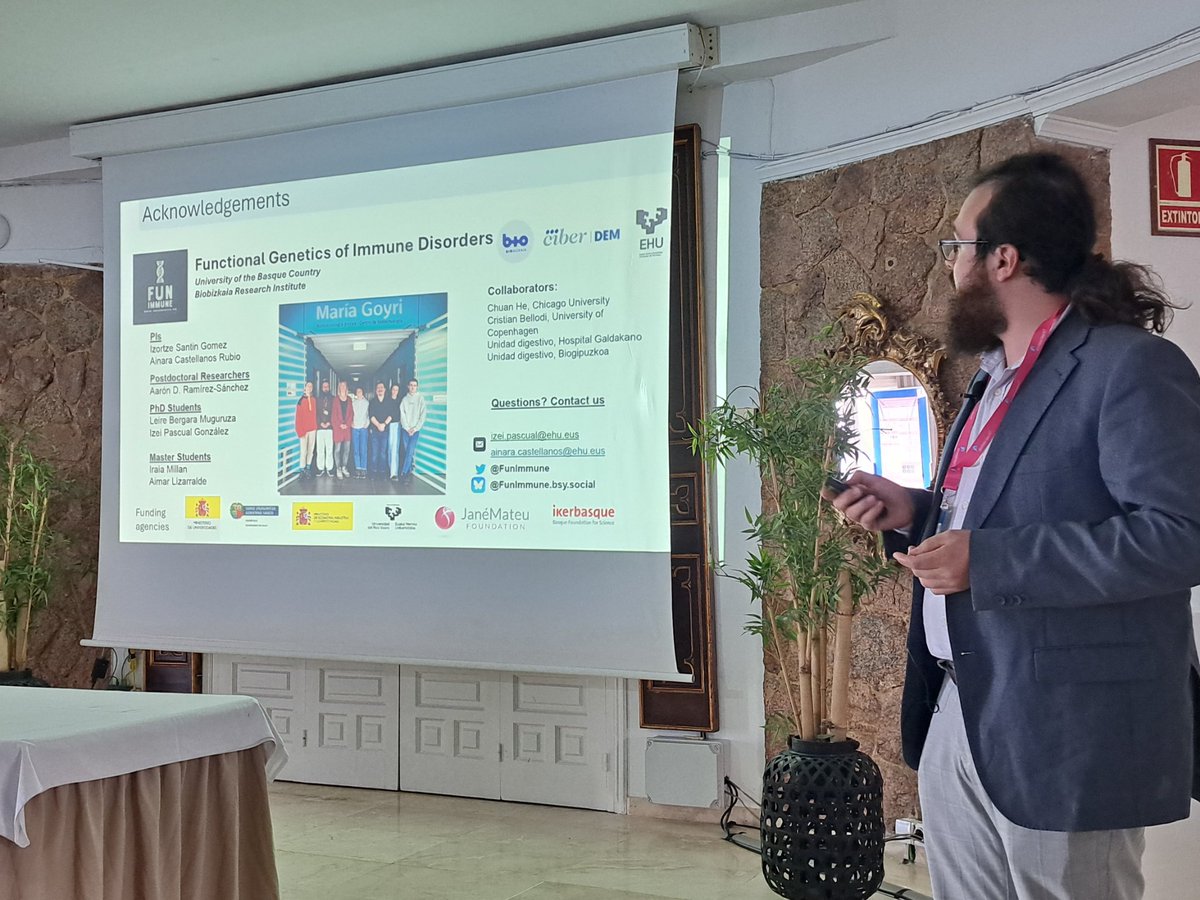
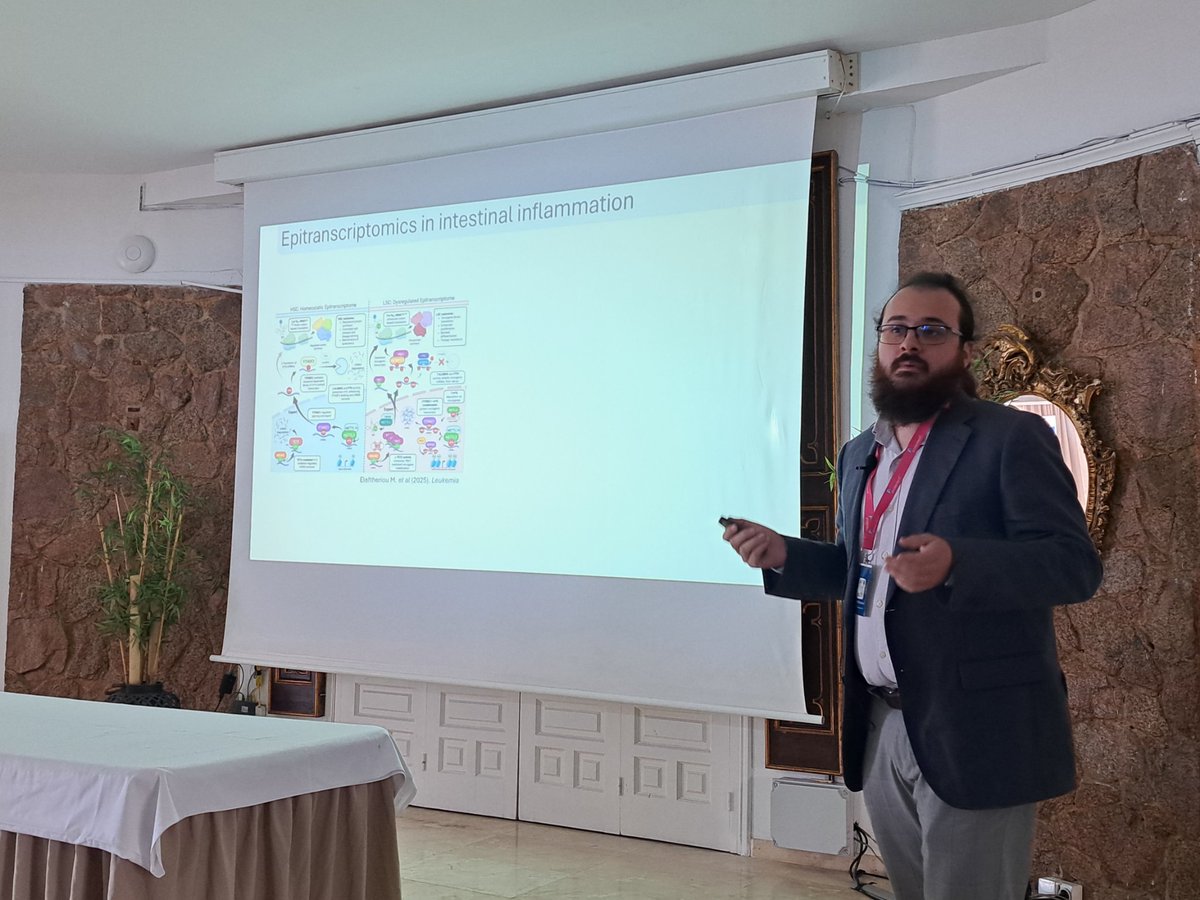
Nice presentation of our PhD student @IzeiPascual at the #RiboRed2026 meeting. He has shown the relation between PUS10 and epitranscriptomics with intestinal inflammatory diseases. 🔝🔝🔝
Well done, Izei! 👏👏
Excited to be at the #RiboRed2026 meeting!
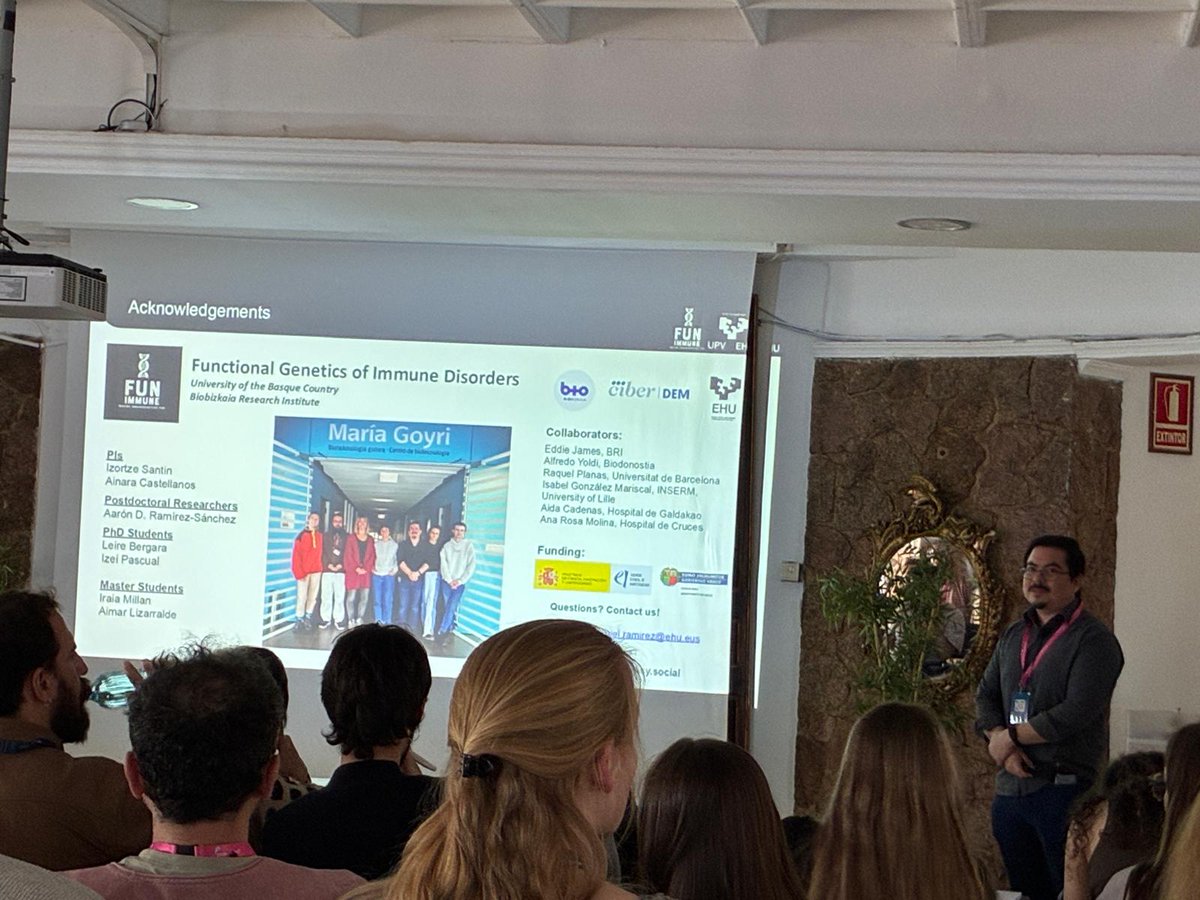
Today, our postdoc @AaronRamirez02 presented his work on virus-induced non-canonical translation and the impact of micropeptides in type 1 diabetes 👏👏👏
Great discussions and inspiring science! 🧬✨
Esta investigación es posible gracias a la Beca Jóvenes Talento de la fundación @diabetes_CERO y al maravilloso equipo de investigación @FunImmune, del que tengo la fortuna de formar parte.
Tuve la oportunidad de hablar sobre mi investigación en #DiabetesTipo1 en una entrevista para @diabetes_CERO
Comparto un poco sobre la importancia de los virus en el desarrollo de la enfermedad y nuestro plan para estudiarlos.
Aquí pueden leerla:
https://t.co/x7mpgWf91j
Sci-Hub is an evil website that pirated 85M+ research papers and made them freely available
And now they've added AI to their database to make Sci-Bot.
It answers your questions using latest, full-text articles.
But DO NOT use it. We should all try to make billion-dollar academic publishers richer.
I'm putting the link below so you know how to avoid it.
I'm genuinely enjoying working on what will be my SnapGene replacement software. Chiseling away toward my freedom is uniquely exciting and I can promise the software will be maintained...bc I'm using it daily. Aiming for a May 24th release date of v1.0.0
https://t.co/3mkWtVqa1T
Hoy, la investigadora de nuestro grupo, Izortze Santin, participará como ponente en el V. Ciclo de Investigación y Ciencia en Diabetes, organizado por @adirmu@IMIB_RMurcia
So happy to share our last contribution published in @CellReports and leaded by @ARNesLab describing a novel #RNA regulatory layer in #PDAC. Thanks for involving us!
https://t.co/s61WRTpVUT
Hoy @AaronRamirez02, investigador postdoc en nuestro grupo, ha presentado su trabajo sobre el efecto de las infecciones víricas en la traducción no canónica de la célula beta, en el congreso #FSED2026.
Gran presentación! 👏👏👏
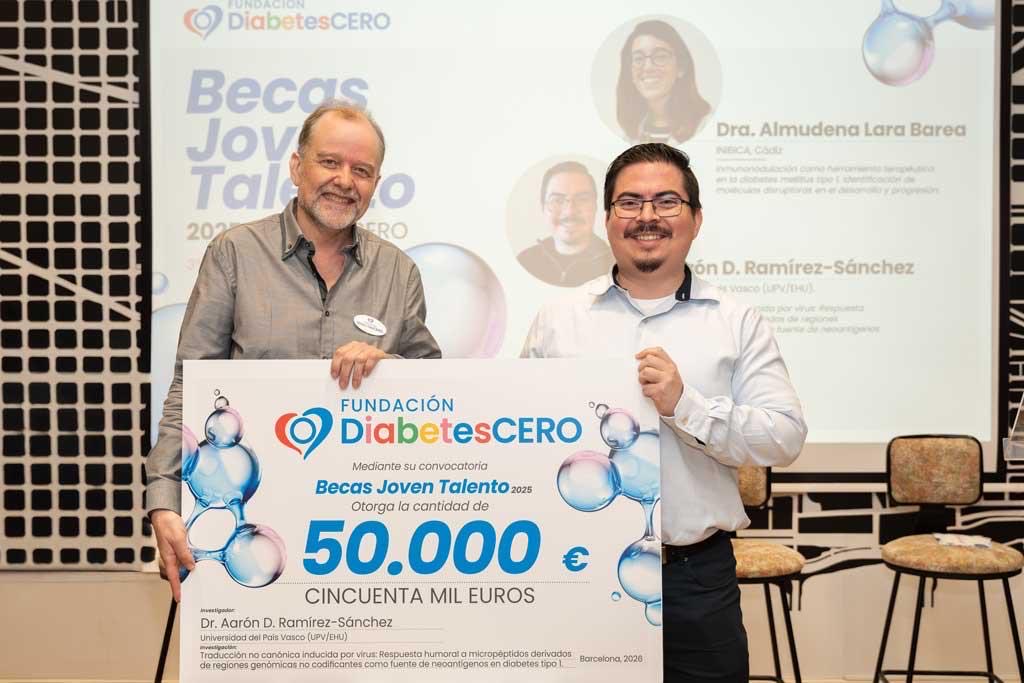
Congrats to our postdoc @AaronRamirez02 who received one of the two Becas Talento Joven from @diabetes_CERO. He will study the involvement of micropeptides in #T1D autoimmunity.
Gaur, #otsailak11, neska eta emakume zientzialarien nazioarteko eguna da.
Gurean egunero da otsailak 11. Kristalezko sabaian zartadurak eraginez, etorkizuneko emakume zientzialariak heziz; gure eguneroko jarduerarekin, sistema iraultzeko prest!👩🏻🔬💜✊���
#EmakumeakZientzian