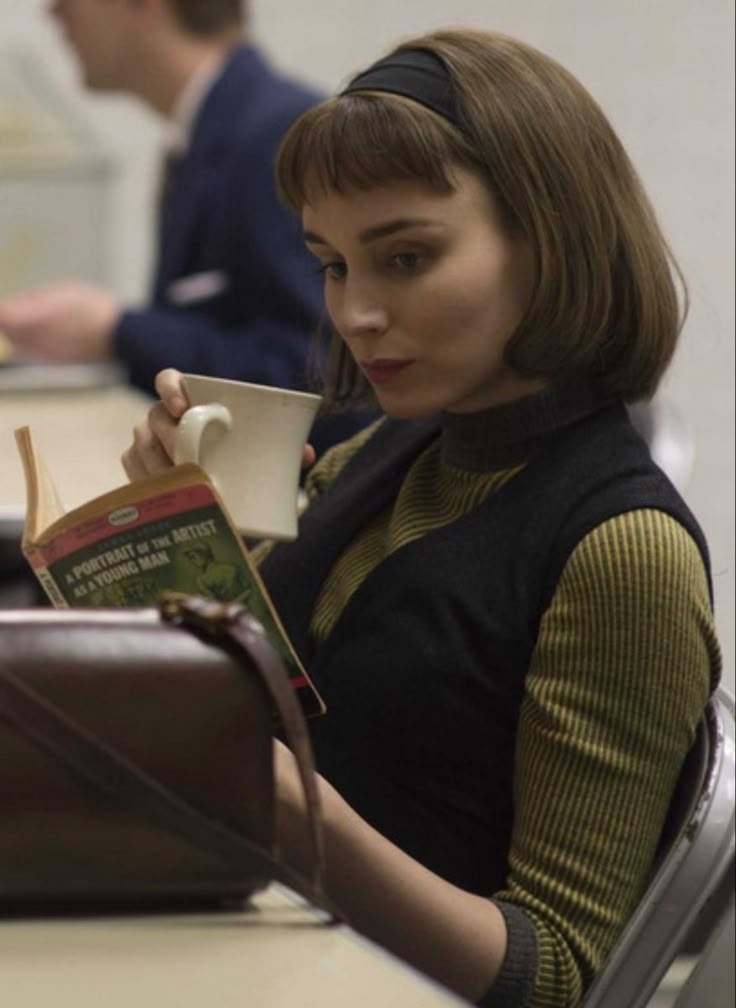
Thread of various Carol / The Price of Salt related links that I feel should be wider known…If you have anything else similar pls send it to me… and if anything here is wrong or misinformed pls lmk!
Another thought… but this whole discussion I think is just seeped modernism. So many recent queer characters in have explicitly stated their labels or have coming out scenes (cough s******* t***** cough) that ppl can’t handle when a character is a bit more nuanced or implied
People calling the protagonist of one of the oldest modern contemporary works in lesbian fiction (colloquially credited as one of the first lesbian novels that didn’t have the protagonist kill themselves or force themselves into heteronormative lives) unlabeled…
People really fight so hard to dequeer lesbian stories it’s crazy 😓😓😓 . Highsmith was a lesbian who wrote the novel while recovering from 1950s conversion therapy but no yeah Therese and Carol are unlabeled since they don’t have an explicit “coming out”scene yup yup got it
In the book Therese was miserable every time she was physical with Richard and Carol has a snobby monologue on how straight sex isn’t enjoyable and that it’s just a duty of marriage since they were both in heteronormative shackles ‼️
no livro therese quase se mata quando tá com o richard demonstra a maior repulsa do mundo no filme ela só falta estrangular ele a carol comia a abby e só faltava cuspir na cara do harge e o povo ainda acha que as duas são bissexuais tenha santa paciência
@ROONEYTISM Belivaird praise = Mandatory
“Belivaird is les4les” = Bare minimum
“Bisexual Carol and/or Therese” = Sued for defamation
“Carol is manipulative” = Sued for defamation
Abby hate = Blocked and reported
Richard and/or Harge sympathisers = Death on sight
carol and therese are les4les if youve ever heard or saw how therese acts with dannie and richard and carol interacts with and talks abt harge vs how she interacts with and talks about therese and abby lmao
CAROL was released 11 years ago today.
Todd Haynes and cinematographer Edward Lachman shot the film on Super 16mm to recreate the grain, muted colours and visual texture of photography from the late 1940s and early 1950s.