Panel 1. MCL risk categorization
��High-risk
•At the start of 1L treatment (or evolving during disease course):
•TP53 mutation (strong effect, median OS <3y with CIT +/– autoHCT)
•TP53 deletion, p53 expression >50% (immunohistochemistry), Ki-67 >30%, MIPI-c high, blastoid/pleomorphic variant (in the absence of Ki-67 information) (moderate effect, median OS about 4-5y).
•At the end of induction after autoHCT, the provisional criterion:
•MRD persistence (clonoSEQ 10–6level) (strong effect, but still limited evidence).
•At first relapse/progression:
•Progression of disease within 24 months of treatment initiation: POD24 (strong effect, median OS from relapse <1y)
•Standard-risk: all other patients.
•Low-risk: indolent MCL (non-nodal without adverse genetic features or nodal without symptoms, high tumour burden, high Ki-67, or blastoid morphology).
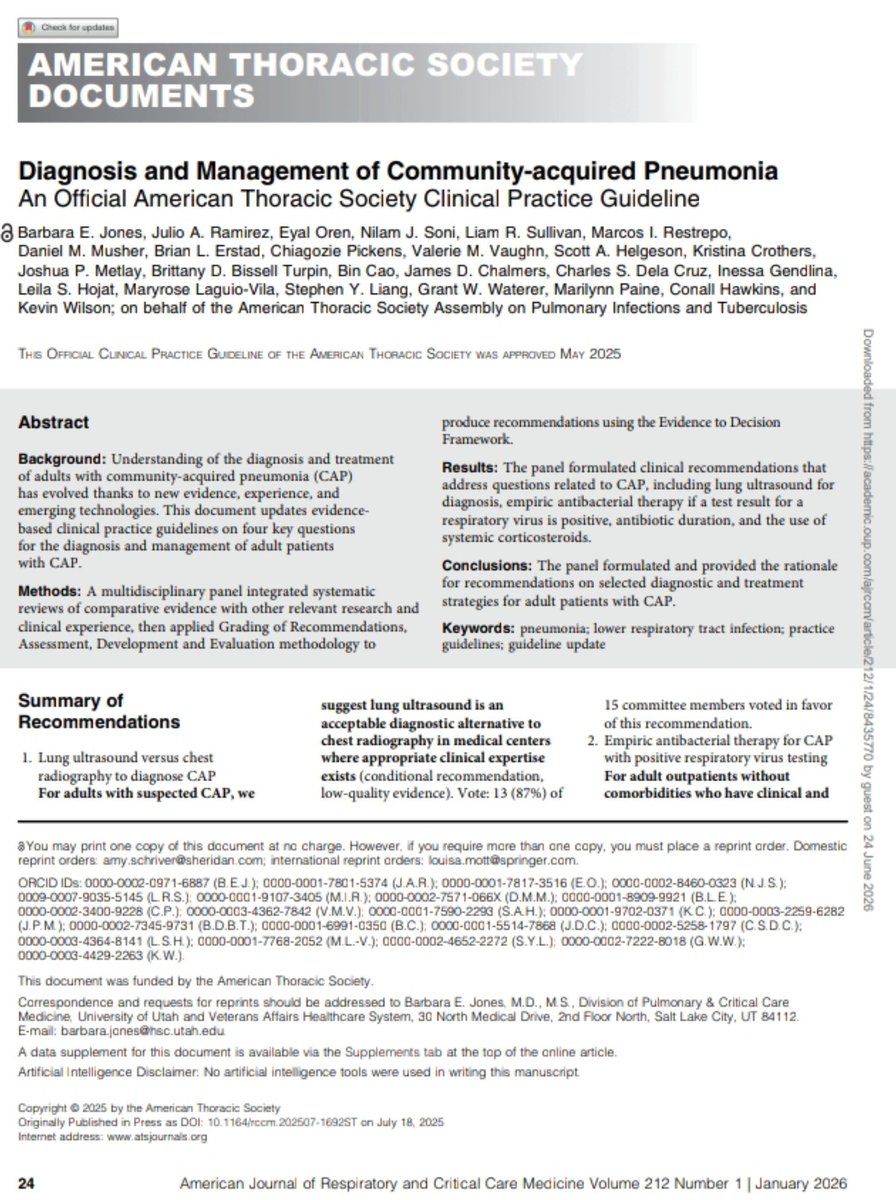
🫁🦠Qué Hay de Nuevo en Neumonía Adquirida en la Comunidad?
🧪Diagnóstico Microbiológico
💊Tratamiento Antibiótico
⏱️Duración de Tratamiento
🦠Cobertura de Patógenos Resistentes
🏥Manejo Paciente Hospitalizado
📖Guía ATS 2026
Artículo Completo👇🏻✅🆓
https://t.co/aR5SFK2xfj
Rusfertide (Mimrylo) is FDA approved for the treatment of erythrocytosis in adults with polycythemia vera. (FDA Product Information 2026 Aug)
Ropeginterferon alfa-2b-njft (Besremi) receives expanded FDA approval for the treatment of essential thrombocythemia in adults. (FDA Product Information 2026 Aug)
🩸 Red-Cell Antigen Phenotyping: How to Interpret It
🔬 Antigen phenotyping determines which inherited antigens are present (+) or absent (−) on the patient’s red blood cells.
🧬 Major systems commonly tested:
🔴 Rh: C, c, E, e
🟠 Kell: K, k
🟡 Duffy: Fya, Fyb
🟢 Kidd: Jka, Jkb
🔵 MNS: M, N, S, s
✅ Positive antigen = expressed on the RBCs
❌ Negative antigen = absent; the patient may form an alloantibody against it after exposure through transfusion or pregnancy.
⚠️ Examples:
E− → risk of developing anti-E
K− → risk of developing anti-K
Fya− → risk of developing anti-Fya
Jka− → risk of developing anti-Jka
🩺 Why is phenotyping important?
🩸 Investigating or preventing RBC alloimmunization
🎯 Selecting antigen-negative compatible units
♻️ Supporting chronically transfused patients
🔎 Interpreting complex antibody panels
🛡️ Preventing delayed hemolytic transfusion reactions
🤰 Assessing antibodies relevant to hemolytic disease of the fetus and newborn
🌍 Special example: Fy(a−b−)
This is the Duffy-null phenotype, common among individuals of African and Middle Eastern ancestry.
🧪 It may be associated with a persistently lower circulating absolute neutrophil count—now called Duffy-null–associated neutrophil count (DANC).
✅ Usually no increased infection risk
✅ Does not require treatment by itself
⚠️ Diagnose only after clinical correlation and exclusion of other relevant causes of neutropenia.
🚨 Important limitations
🩸 Phenotyping may be unreliable following recent transfusion because circulating donor RBCs can produce mixed results.
🧪 A positive direct antiglobulin test may also interfere with serologic testing.
🧬 RBC genotyping is preferable when recently transfused, DAT-positive, extensively alloimmunized, or when serologic findings are inconclusive.
📌 Phenotype tells us what is expressed on circulating RBCs; genotype predicts inherited antigen expression.
🔗 References:
American Society of Hematology—Duffy-null associated neutrophil count
NCBI—Blood Groups and Red Cell Antigens
Canadian Blood Services—Serological best practices
#Hematology #TransfusionMedicine #BloodBank #DuffyNull #DANC
If FIT vs UNFIT is dead… what replaces it?
Ask the leukemia first.
For decades, AML induction started with the patient:
FIT → intensive chemotherapy
UNFIT → Aza-Ven
PARADIGM challenges that sequence.
Before choosing induction, rapidly identify the biology that changes the first move:
PML::RARA → APL pathway
CBF AML → CBF-directed therapy
FLT3-mutated → FLT3-directed strategy
NPM1-mutated <60 → PARADIGM did not study this population
Then complete IDH1/2, TP53, NGS and cytogenetics to refine treatment, prognosis, MRD and transplant strategy.
For the remaining PARADIGM-like AML, being capable of tolerating 7+3 may no longer be enough reason to give it.
That is the larger message:
FITNESS tells us what the patient CAN tolerate.
BIOLOGY should tell us what the AML NEEDS.
The new sequence?
BIOLOGY → BEST BACKBONE → MRD → TRANSPLANT
In Biology We Trust. 🧬
#AML #Medtwitter
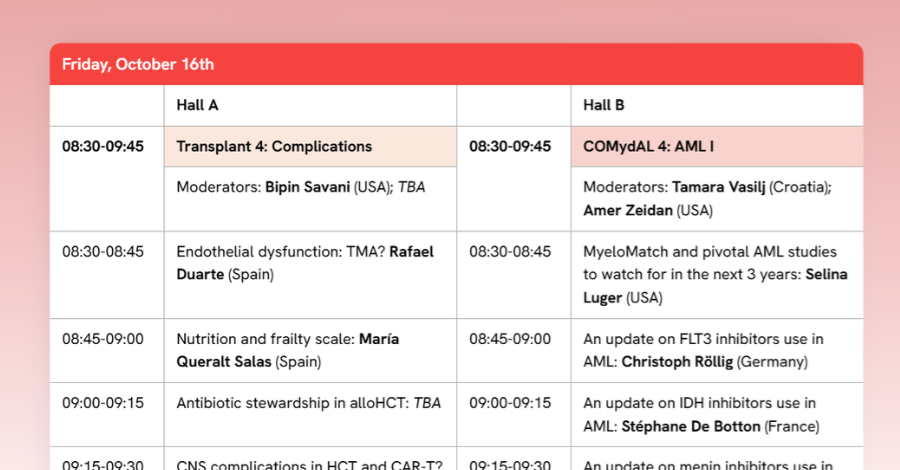
🔴Explore a comprehensive scientific program featuring the latest developments in clinical hematology, including leukemia, lymphoma, myeloma, MDS, transplantation, cellular therapies, coagulation disorders, and emerging therapeutic innovations.
View the full IACH 2026 program:
https://t.co/AAvvMdQRjq
@Mohty_EBMT
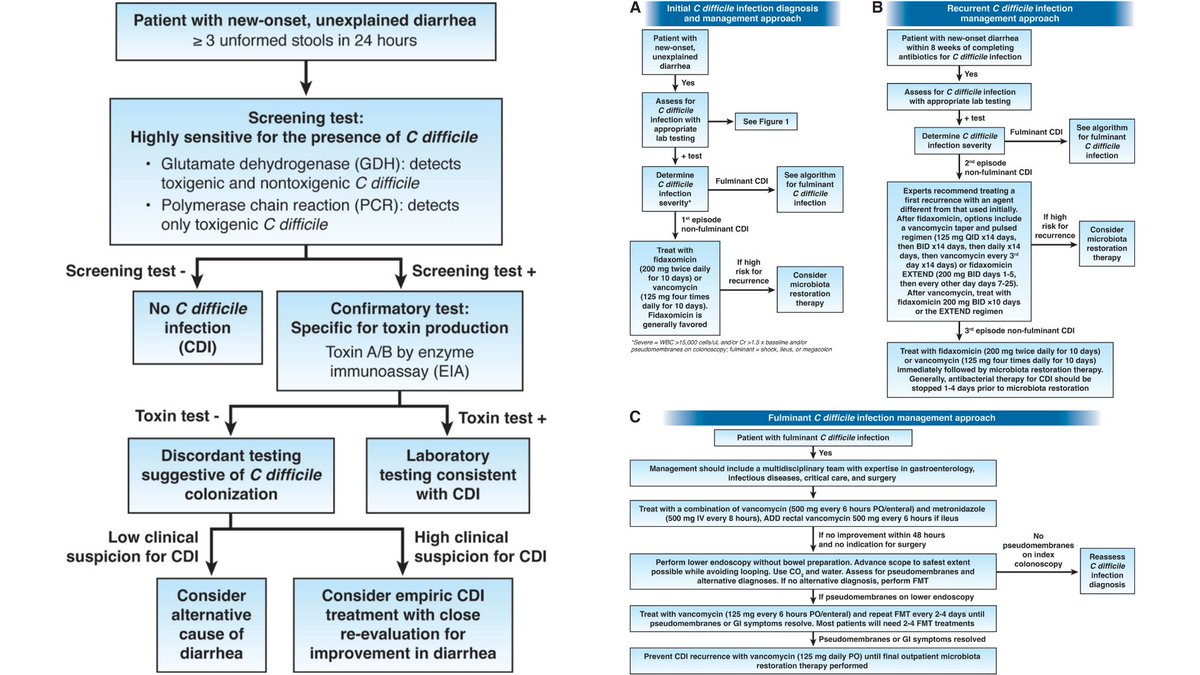
🧵 Our new clinical practice update: 14 expert tips for managing #Cdiff infection in adults.
The CPU provides updated best practices for clinicians caring for patients with CDI.
Read more: https://t.co/jThRL9BAzU
Join the webinar on 11/18: https://t.co/WFBmxWdqQN
@AGA_CGH
PARADIGM | Aza–Ven vs Intensive Induction in Fit AML
For decades, fit AML = intensive induction.
PARADIGM challenges that reflex.
In 172 induction-eligible patients with AML, with 72% ELN 2022 adverse-risk disease:
• Median EFS: 14.5 vs 6.2 months — HR 0.57
• Overall response: 88% vs 62%
• Composite CR: 78% vs 53%
• HCT: 60% vs 40%
• Grade ≥3 infection: 28% vs 41%
• Grade ≥3 hemorrhage: 2% vs 12%
But who was excluded?
❌ Core-binding-factor AML
❌ FLT3-mutated AML (VAF ≥5%)
❌ NPM1-mutated AML if age <60 years
❌ Prior chemotherapy/HMA for myeloid malignancy (except permitted hydroxyurea/ATRA)
So this is not “Aza–Ven for every fit AML.” The authors particularly frame the findings around fit, transplant-eligible patients with nonfavorable-risk, FLT3-nonmutated AML.
And importantly, OS superiority was not established: median OS was 21.5 vs 18.0 months.
⭐ Take-home:
FIT ≠ automatically intensive.
Fitness alone may no longer be enough to choose induction — AML biology + transplant strategy matter.
Reference: Fathi AT et al. Azacitidine–Venetoclax or Induction Chemotherapy for Acute Myeloid Leukemia. N Engl J Med. 2026;395:845–858.
#MVOnco #AML #Leukemia #Venetoclax #Hematology #NEJM
🧬 How should Ph-like ALL be treated?
Practical algorithm presented by Dr Bakkar at HAAG 2026 👏🩸
1️⃣ Identify the molecular driver early
Rapid fusion testing/RNA sequencing should accompany induction—do not wait for relapse.
2️⃣ ABL-class Ph-like ALL
💊 Add an appropriate ABL tyrosine kinase inhibitor to multiagent chemotherapy as early as feasible.
📉 If MRD becomes negative: continue risk-adapted chemotherapy + TKI.
🚨 Persistent MRD: consider blinatumomab, inotuzumab ozogamicin or CD19 CAR-T, followed by selective allogeneic HCT.
3️⃣ CRLF2/JAK-pathway Ph-like ALL
🧪 Standard ALL chemotherapy remains the backbone.
🎯 Ruxolitinib/JAK inhibition remains investigational and should preferably be delivered within a clinical trial.
📉 MRD response determines subsequent escalation.
4️⃣ MRD is the decision point
✅ Deep MRD response supports continuation of protocol-directed therapy.
⚠️ Persistent or rising MRD should trigger immunotherapy, clinical-trial enrollment and reassessment for allogeneic HCT.
📌 Take-home message: Ph-like ALL may benefit from early incorporation of a lesion-matched TKI, but prospective trials are still defining the optimal kinase inhibitor, timing, duration and role of immunotherapy.
📚 Tran & Tasian—Blood | Tasian et al.—Blood
#HAAG2026 #PhLikeALL #ALL #MRD #TargetedTherapy #Immunotherapy #Hematology 🧬🎯
⚖️ Conditioning intensity versus outcomes in allo-HSCT
Teaching pearl from Dr Osman 👨⚕️
🔥 Myeloablative conditioning (MAC)
✅ Lowest relapse risk: approximately 10–20%
⚠️ Highest 2-year TRM/NRM: approximately 25–35%
📈 Overall survival: approximately 40–60%
👤 Best suited to younger, medically fit patients
🎯 Offers stronger disease control in MRD-positive disease
🌿 Reduced-intensity conditioning (RIC)
↔️ Intermediate relapse risk: approximately 15–25%
📉 Lower TRM/NRM: approximately 15–25%
📈 Overall survival: approximately 45–55%
👤 Appropriate for patients with good-to-moderate fitness
🎯 May retain benefit in MRD-positive disease
🍃 Non-myeloablative conditioning (NMA)
⚠️ Highest relapse risk: approximately 30–40%
✅ Lowest TRM/NRM: approximately 5–15%
📈 Overall survival: approximately 30–50%
👴 Often considered for older or significantly comorbid patients
🛡️ Relies heavily on the graft-versus-leukemia effect
🧠 Take-home: More intensity reduces relapse but increases toxicity; less intensity improves tolerability but may sacrifice disease control.
⚠️ These percentages are approximate and vary by disease, MRD status, age, comorbidities, donor and GVHD prophylaxis.
#HSCT #BMT #MAC #RIC #NMA #MRD #Hematology #PearlsByDrOsman
📚 EBMT Handbook: Conditioning
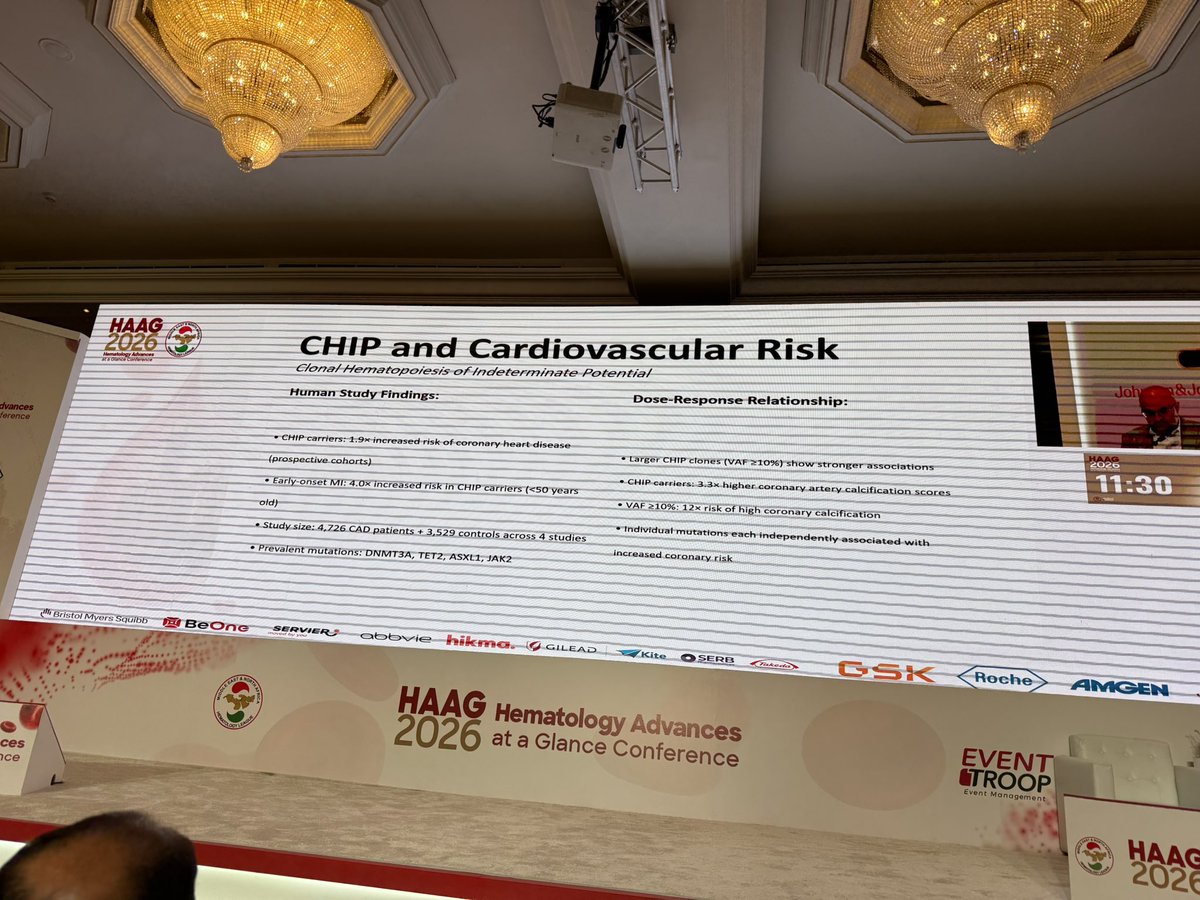
❤️🧬 CHIP is not only a hematology issue—it is a cardiovascular risk factor.
Key data presented by Dr Ahmed Osman, KFSHRC Riyadh at #HAAG2026 🇸🇦
Across four human studies including 4,726 patients with coronary disease and 3,529 controls:
📈 CHIP was associated with a 1.9-fold higher risk of coronary heart disease
🚨 In individuals aged <50 years, CHIP was associated with a 4-fold higher risk of early myocardial infarction
🫀 CHIP carriers had substantially greater coronary-artery calcification
📊 Larger clones—particularly VAF ≥10%—showed stronger cardiovascular associations
🧬 DNMT3A, TET2, ASXL1 and JAK2 mutations were each independently associated with increased coronary risk
👉 The message: clone size matters, mutation identity matters—and CHIP should prompt careful attention to modifiable cardiovascular risk factors.
⚠️ CHIP increases risk; it does not guarantee a cardiovascular event.
📚 Jaiswal et al., NEJM
#CHIP #CardioOncology #Atherosclerosis #ClonalHematopoiesis #Hematology
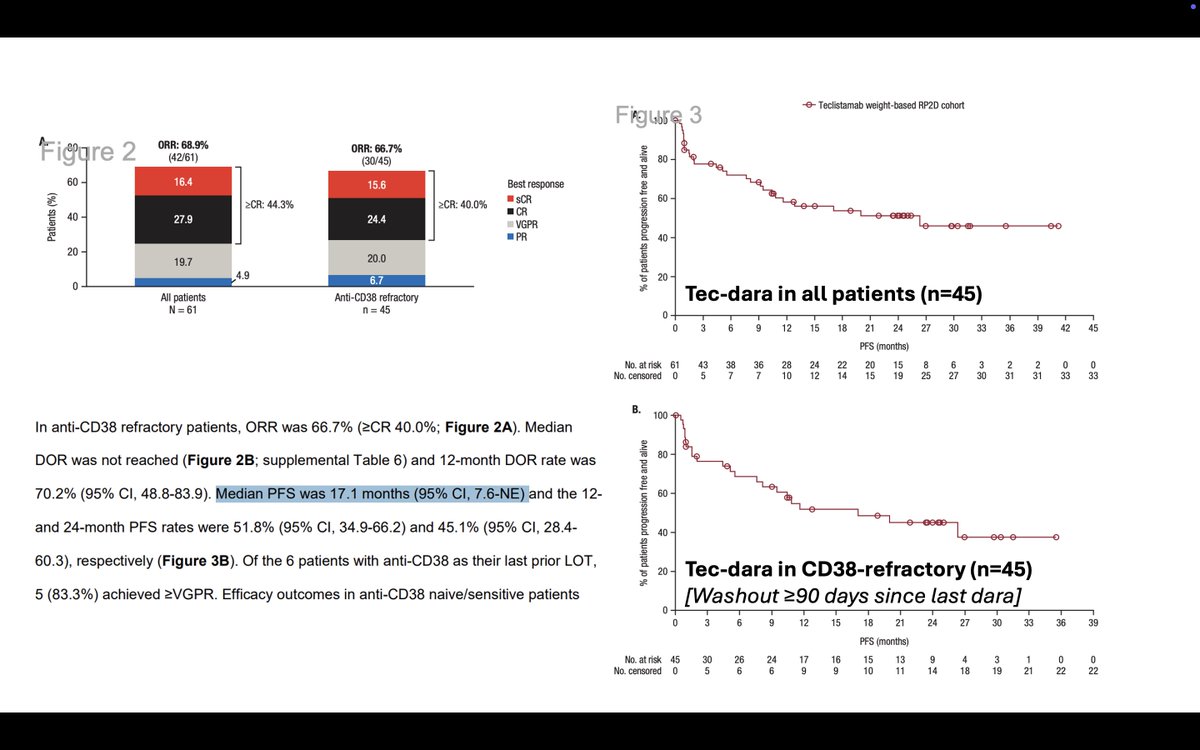
🚨 Modest @BloodPortfolio title doesn't do justice to TRIMM-2 analysis.
Tec-dara in CD38-refractory myeloma (as long as ≥90-day washout):
ORR 68%, mPFS 17 months (longer than TEC-1)
Does tec-dara work in CD38-refractory myeloma? Evidently, yes!
Congrats @paurotero et al 👏
🧬 CHIP, ICUS, CCUS and CCMUS—know the difference!
Excellent overview by Dr Ahmed Osman, KFSHRC Riyadh at #HAAG2026 🇸🇦🩸
🔹 CHIP: myeloid-driver mutation, typically VAF ≥2%, without unexplained cytopenia or overt myeloid neoplasm
🔹 ICUS: persistent unexplained cytopenia without significant dysplasia or detectable clonality
🔹 CCUS: unexplained cytopenia + myeloid somatic mutation, but insufficient criteria for MDS
🔹 CCMUS: cytopenia + monocytosis + clonal mutation, without fulfilling criteria for CMML
Why does clonal hematopoiesis matter? ⚠️
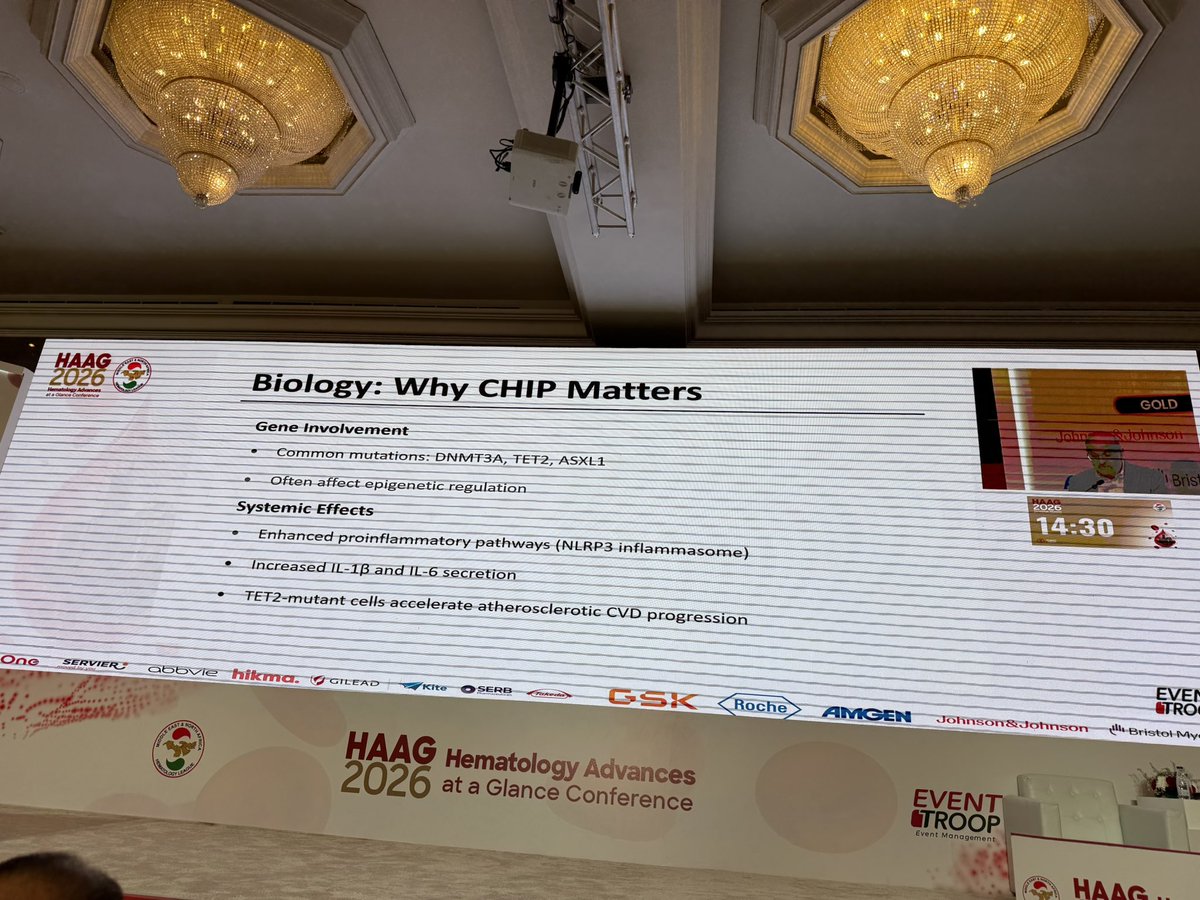
🧬 Common genes: DNMT3A, TET2 and ASXL1
🔥 Mutant clones may enhance NLRP3 inflammasome signaling and IL-1β/IL-6 production
❤️ TET2-mutant hematopoiesis has been linked to accelerated atherosclerosis and cardiovascular disease
📈 Clone size, mutation type, number of mutations and blood-count abnormalities help determine progression risk
👉 CHIP is not leukemia—but it is not always biologically silent.
📚 Review of CHIP, ICUS and CCUS | TET2 clonal hematopoiesis and cardiovascular disease
#CHIP #CCUS #ICUS #CMML #ClonalHematopoiesis #Hematology
🧬 Ph-like ALL: identify the lesion, then target the pathway
Key message from Dr Bakkar at HAAG 2026 👏🩸
🔴 CRLF2/JAK–STAT group
CRLF2 rearrangement or F232C, EPOR/IL7R alterations and JAK2 fusions
➡️ JAK–STAT ± PI3K/mTOR activation
🎯 JAK inhibitors are under clinical investigation
🧪 Anti-TSLPR antibodies and CRLF2-directed CAR-T remain experimental
🔵 ABL-class group
ABL1, ABL2, CSF1R, PDGFRA or PDGFRB fusions
➡️ STAT5 and PI3K/mTOR signaling
🎯 Potential sensitivity to ABL tyrosine kinase inhibitors—especially imatinib or dasatinib—combined with ALL therapy
🟠 Other kinase/RAS lesions
FLT3, NTRK and other fusions or RAS-pathway alterations
➡️ STAT5, PI3K/mTOR and MAPK/ERK activation
🎯 FLT3, TRK, FAK, PI3K or MEK inhibitors remain lesion-specific and mostly investigational
💡 Clinical pearl: morphology cannot reveal the driver. Rapid FISH plus comprehensive RNA-based fusion testing/NGS should be performed early—ideally during induction—because delayed identification may miss the window for targeted intervention.
⚠️ Except for selected ABL-class disease, most targeted strategies should currently be used through clinical trials.
📚 Tasian, Loh & Hunger—Blood | Tran & Tasian—Blood 2025
#HAAG2026 #PhLikeALL #ALL #PrecisionHematology #Genomics #TargetedTherapy 🧬🎯
⏱️ AML is urgent—but urgent does not always mean immediate induction before adequate assessment.
Important message from Dr Ihab Alhumaidi at #HAAG2026 🩸
In 2,263 intensively treated patients, starting therapy at 0–5, 6–10, 11–15 or >15 days after diagnosis was not associated with a significant survival difference (P=0.21).
This clinically necessary window may allow:
🧬 Complete molecular/cytogenetic profiling
🩺 Comprehensive fitness assessment
🛟 Stabilization and supportive care
🎯 Selection of the most appropriate therapy
Fitness should then be reassessed dynamically during treatment, while disease biology must be reevaluated at relapse to guide salvage therapy.
🚨 This does not justify delay in unstable patients, suspected APL, leukostasis, DIC or rapidly progressive organ compromise.
📚 Röllig et al., Blood | ELN fitness recommendations
#AML #PrecisionHematology #MolecularTesting #Leukemia
🩸 The wonder of hematopoiesis!
Excellent opening by Dr Ahmed Osman, KFSHRC Riyadh at #HAAG2026 🇸🇦
🔄 An estimated 10 trillion cells may require replacement each day
🌱 This immense system originates from hematopoietic stem cells
🧬 Through precisely regulated self-renewal and differentiation, they generate:
🔴 Red cells
⚪ Myeloid and lymphoid cells
🟣 Megakaryocytes and platelets
When this delicate balance is disrupted, the consequences include cytopenias, marrow failure, immune dysfunction and hematologic malignancy.
👉 Hematopoiesis is not simply blood-cell production—it is one of the body’s most remarkable continuously regenerating systems.
📚 NIH review of hematopoiesis
#Hematopoiesis #StemCells #BoneMarrow #Hematology #KFSHRC
🔥 PARADIGM phase II: can VEN–AZA challenge intensive chemotherapy in newly diagnosed, IC-eligible AML?
Excellent presentation by Dr Ihab Alhumaidi at #HAAG2026 🩸
Patients were randomized to:
🔴 Venetoclax–azacitidine
vs
🔵 Intensive chemotherapy: 7+3 or CPX-351
➡️ Allo-HCT was permitted in both arms.
📊 At 21.9 months’ median follow-up:
✅ Median EFS: 14.6 vs 6.15 months
✅ 1-year EFS: 53.4% vs 36.0%
✅ Unadjusted HR: 0.57
✅ Adjusted HR: 0.66
✅ P = 0.0021
🚨 A potentially treatment-shaping result: being eligible for intensive chemotherapy does not automatically mean it is the optimal treatment. Molecular profile, transplant strategy, toxicity, quality of life, and mature survival data remain essential.
📚 PARADIGM study—NEJM
#AML #Venetoclax #Azacitidine #AlloHCT #Hematology
🧬 Not all CHIP or CCUS carries the same risk.
Excellent discussion by Dr Ahmed Osman, KFSHRC Riyadh at #HAAG2026 🇸🇦🩸
The Clonal Hematopoiesis Risk Score—CHRS integrates:
⚠️ High-risk mutation type
🔢 ≥2 mutations
📈 Clone size/VAF ≥20%
🩸 CCUS rather than CHIP
🎂 Age ≥65 years
🔴 RDW ≥15%
🔬 MCV ≥100 fL
🟢 A solitary DNMT3A mutation generally lowers risk
Estimated 10-year risk of myeloid neoplasm:
🟢 Low risk: 0.7%
🟠 Intermediate risk: 7.8%
🔴 High risk: 52.2%
DTA mutations also change meaning across disease stages:
🔹 Solitary low-VAF DNMT3A is common in CCUS
🔹 In MDS, DTA mutations frequently coexist with additional abnormalities
🔹 DNMT3A predominates in lower-blast MDS, whereas TET2 and ASXL1 are enriched in increased-blast MDS
🔹 In AML, DNMT3A and TET2 frequently co-occur with NPM1, while ASXL1 follows a different genomic pattern
👉 Never interpret a mutation in isolation: gene identity, clone size, co-mutations and hematologic phenotype determine clinical risk.
📚 Weeks et al., NEJM Evidence | Huber et al., Blood
#CHIP #CCUS #CHRS #MDS #AML #ClonalHematopoiesis