On the 28th of Dhu-l Hijjah: the anniversaries of the passing of Sh. Muhammad Yasin al-Fadani and Sh. Abu Bakr al-Mashhur, may Allah have mercy on them both
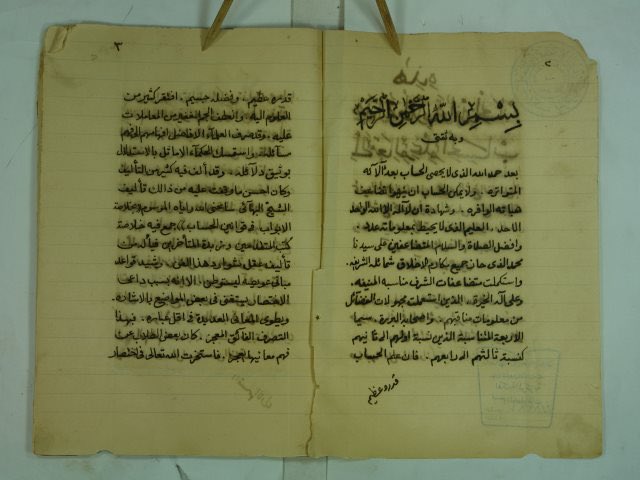
Rashid bin Mohammed bin Khunaine was a distinguished Najdi historian & Hanafi judge, born in Al-Kharj, 1694, just before the establishment of the First Saudi State.
He grew up in Al-Kharj & emerged as a leading Hanafi scholar. From 1749-1786, he served as a judge in ad-Dilam.
Ibn Fayruz, also known as Muhammad bin Abdullah al-Tamimi al-Najdi, was a respected Najdi Hanbali jurist known for critiquing the Wahhabi movement.
He authored the notable book "Responding to Those Who Declare the People of Riyadh and Its Surroundings as Non-believers."
@mohammed_hijab Do you realize that “Najdi” refers to a regional identity, and that real Najdis aren’t monolithic?
Some even opposed Muhammad ibn Abd al-Wahhab, such as Ibn Fairuz al-Tamimi. Nobody cares about your lineage; stop politicizing our identity to serve your Islamist political agenda.
@NajdiMemoirs@mohammed_hijab Agreed. It is up to people like you to share these archives and make this reality apparent to the people. You should use your page to highlight the legacy of these scholars like Ibn Fairuz at-Tamimi, Ibn Gharib ash-Shammari, Ibn Suhaym al-Anezi, Al-Muways, Mirbid, Ibn Afaliq etc
I knew Hijab was an Idrisid Sharif and his grandfather an Azhari Sufi saint, but reading the Silsilah fully now he is also the grandson of one of the greatest Sufi masters of his age, Sayyidi Abd al-Aziz al-Dabbagh (author of al-Ibriz)!
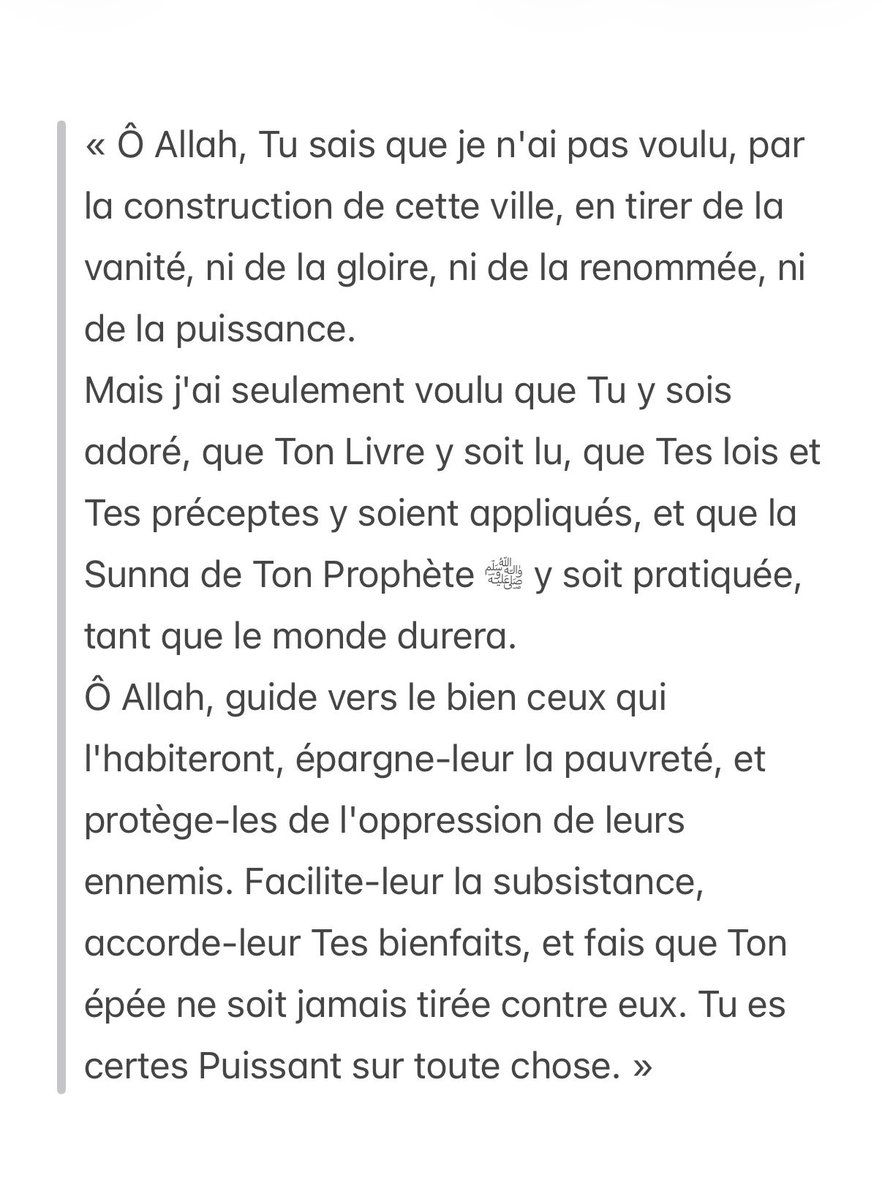
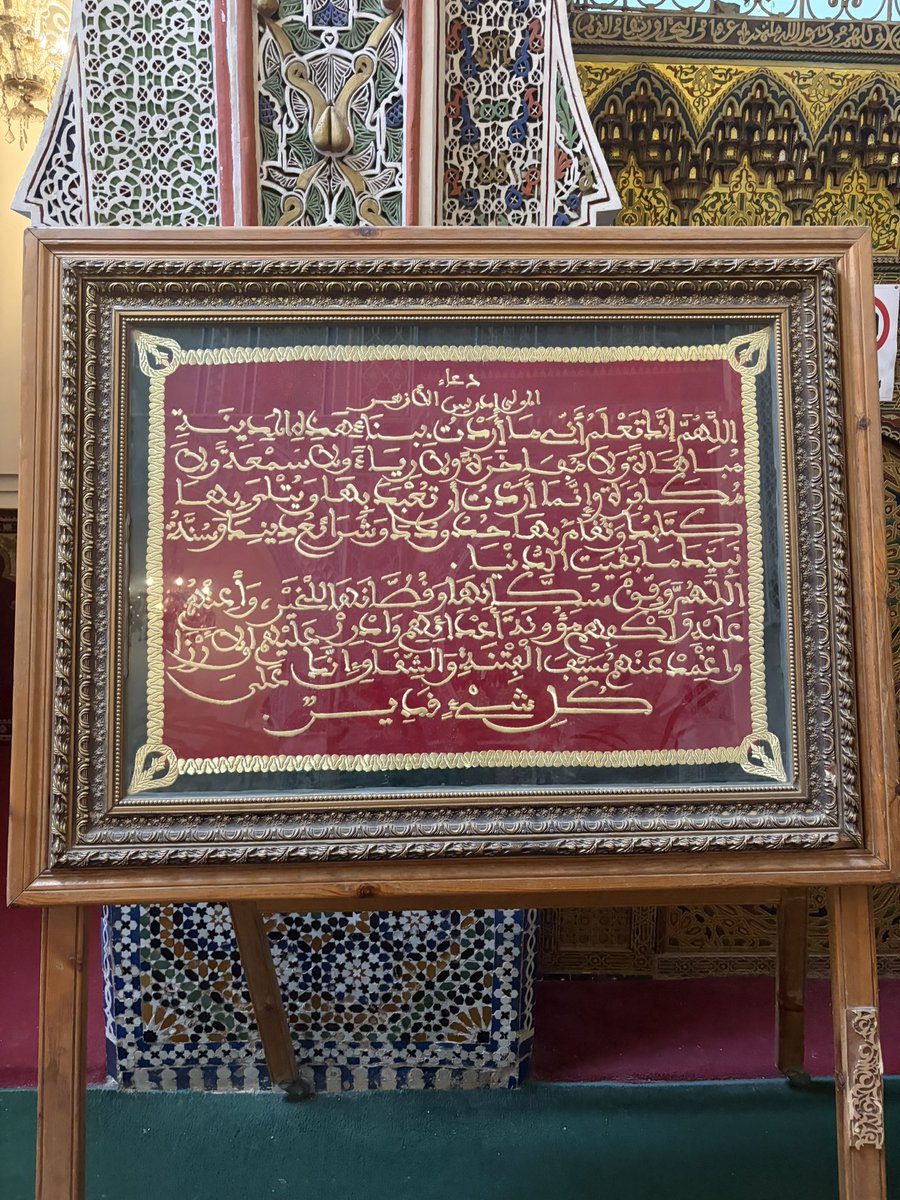
La magnifique invocation pour la ville de Fès d’Idriss II, le deuxième émir idrisside et fils du fondateur du Maroc, l’arrière arrière arrière petit fils du prophète ﷺ, trouvée ici dans son mausolée à Fès :
هذا نسبي الكامل:
محمد نبيل حجاب
↓
نبيل حجاب
↓
محمود حجاب
↓
أحمد محمد حجاب (السيد أحمد محمد حجاب الشريف الإدريسي الحسني)
↓
محمد الشريف (محمد الشريف الإدريسي)
↓
محمد الإدريسي (محمد الإدريسي الحسني)
↓
أحمد الإدريسي (أحمد الإدريسي)
↓
عبد الوهاب التازي (عبد الوهاب التازي الدباغي)
↓
عبد العزيز الدباغ (مولاي عبد العزيز بن مسعود الدباغ الإدريسي الحسني، صاحب الإبريز)
↓
مسعود الدباغ
↓
أحمد الدباغ
↓
محمد الدباغ
↓
محمد الدباغ
↓
أحمد بن عبد الرحمن الدباغ
↓
قاسم بن أحمد بن محمد الدباغ
↓
قاسم الدباغ
↓
محمد الدباغ
↓
محمد الدباغ
↓
إبراهيم الدباغ
↓
عمر الدباغ
↓
عبد الرحيم الدباغ
↓
عبد العزيز الدباغ
↓
هارون الدباغ
↓
فنون الدباغ
↓
علوش الدباغ
↓
منديل الدباغ
↓
عبد الرحمن الدباغ
↓
عيسى الدباغ
↓
أحمد الدباغ
↓
محمد الدباغ
↓
عيسى الدباغ
↓
مولاي إدريس الأزهر (الإدريسي الحسني)
↓
مولاي إدريس الأكبر (بن عبد الله الكامل)
↓
عبد الله الكامل
↓
الحسن المثنى
↓
الحسن السبط (الحسن بن علي)
↓
علي بن أبي طالب رضي الله عنه
↓
فاطمة الزهراء رضي الله عنها
↓
محمد ﷺ
Coming soon: The first season of Dalail, with Dr. Hamza al-Bakri, opens wide the major questions in the history of kkala Dr. Hamza deep and engaging introduction to Sunni theology....
قريبًا، دلائل مع الدكتور حمزة البكري.
https://t.co/1h5rNBYTZs
و أعلم وفقني الله و إياك
أن الفقه في هذه الأمة المرحومة
قد انعقد بأربعة مذاهب :
١-المذهب الحنفي
٢-المذهب المالكي
٣-المذهب الشافعي
٤-المذهب الحنبلي
و عليها أجمعت الأمة
فمن تمذهب بأحدها و عمل به
فقد برأت ذمته أمام الله ﷻ
Mohammed Hijab EXPOSES crimes committed by MIAW and Wahhabis.
"They designated people as disbelievers. They said it was okay to take Muslim women and children as slaves. They executed people because of this."
بين الطلب من الأموات ودعاء الأحياء عند السلفنجية تناقض واضح وصريح .
إن قيل: الطلب من الميت شرك لأنه دعاء من دون الله..
قلنا: الطلب من الحي شرك لأنه دعاء من دون الله.
فإن قيل: الطلب من الحي القادر الحاضر ليس شركا.
قلنا: يعني الحي القادر الحاضر يجوز دعاؤه من دون الله وليس شركا؟
فإن قيل: ليس شركا..
قلنا: وقعت بالشرك لأن دعاء العبادة من دون الله للحي والميت شرك، فكما أن الميت يعبد من دون الله كذلك الحي يعبد من دون الله.
فإن قيل: ندعو الحي كسبب بإذن الله.
قلنا: كذلك دعاء الميت كسبب بإذن الله.
فإن قيل: لكن الميت ليس سببا.
قلنا: هذا في محز النزاع وموضع الخلاف فلا يستشهد به... ولو سلمنا جدلا أن الميت ليس سببا.. ودعاه من يعتقد أنه سبب جعلي قادر على الاستجابة بوجه ما بإذن الله، هل يكون مشركا؟
إن قال: نعم يكون مشركا لأنه لن يستجيب له.
قلنا: وهذا أيضا موضع النزاع، فخصمك لا يسلم أنه لا يستجيب بإذن الله وإلا نسب العجز لله، لأنه قادر بإقدار الله له وليس بذاته...
ولو سلمنا أنه لن يستجيب، فيلزمك أن دعاءك الحي العاجز عن قضاء حوائجك لفقر أصابه أو لعلة أقعدته عن الاستجابة شرك.. فهل هو شرك عندك؟
إن قال: نعم... لا يعد من العقلاء..
وإن قال: لا...
قلنا: فكذلك الطلب من الميت غير القادر ليس شركا..
وبذلك تكون قد أقيمت الحجة وحصل المطلوب.
وليس بعد الحق إلا الضلال.
ماهو الخير الذي جلبته للامة؟ قتل اهل الطائف وحريملاء والعارض وحصار مكة وسبي نساء جزيرة العرب وهذا ليس كلام الطرف المقابل بل أرخه الوهابية في كتبهم.
ام الجماعات التي ذبحت الأمة الإسلامية كداعش والقاعدة وجهيمان....
اما الأجوبة المسبقة في لا تعدوا كونها ترقيع يزيد الخرق على الراقع.
Firstly, I never claimed that “MIAW and his followers didn’t ally with outside powers to fight the Ottomans.” What I actually stated was: “just as his followers declared the Ottomans to be a kafir state…”
I’m sorry, but this is below GCSE-level English comprehension a generous C grade at best.
Secondly, let us assume for the sake of argument that “the Ottomans made takfir first.” Does that then give him the right to make takfir in return? What kind of childish, reciprocal reasoning is this?
Thirdly, I have attached clear evidence from a prominent Najdi shaykh, Ibn Sahmaan, engaging in mass takfir.
So we return to the Najdi fork in the road: do you honestly believe that if these Najdis were alive today, they would not make takfir of the modern Arab states?