Намагаюсь переварити цей виїзд в голові і думаю про те, що стало дійсно страшно усвідомлювати масштаб трагедії що зараз відбувається на окупованих. Голод, замерзлі люди взимку, потоп, тортури, тиск, зґвалтування, ізоляція. Відбувається ГЕНОЦИД, який ми навіть не бачимо. Важко..
Дізналась і вам розкажу. Українські розробники створили платформу по пошуку загублених тварин.
Ші за допомогою фото і місця може допомогти знайти тварину
https://t.co/tWYc1kuXQU
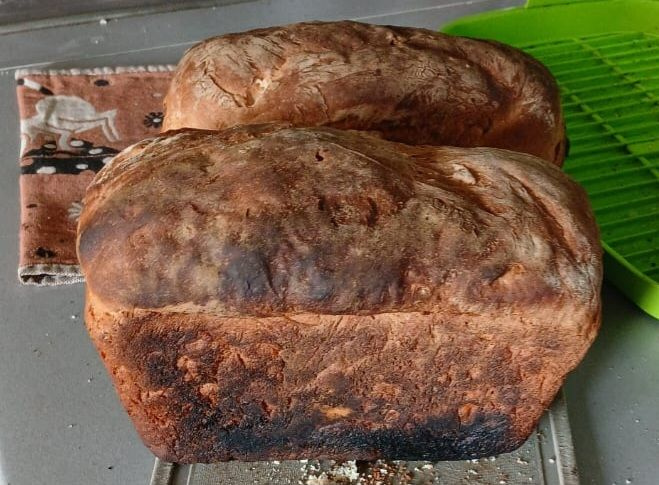
Цей хліб спечений вчора в окупованих Олешках. Спечений на буржуйці. Спечений замість паски, але він чи не найправдивіший великодній хліб сьогодні. Свідчення життя. Свідчення надії.
Окуповані Олешки потерпають від нестачі продуктів і ліків ще з кінця грудня.
⬇️
Терміново шукає родину собачка. Його дім і власницю вбила ракета в Коростені. Собачка плаче. І живе в руїнах. Будь ласка допоможіть знайти люблячу родину! Привезу до нової родини. 0662087901
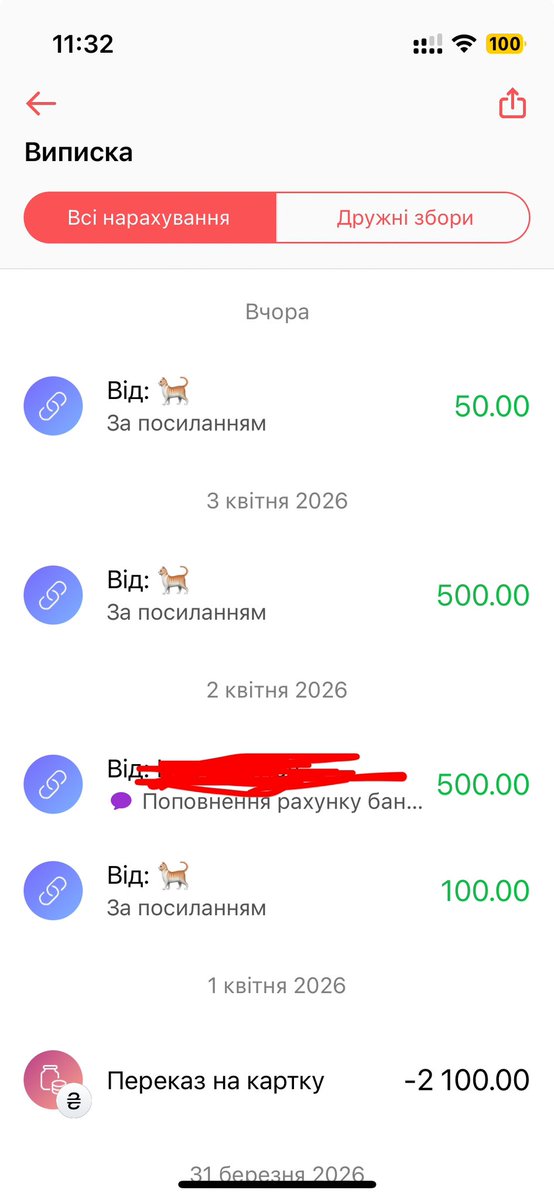
Звіт за останнє зняття з банки 2100
https://t.co/vFQZZXnRlz
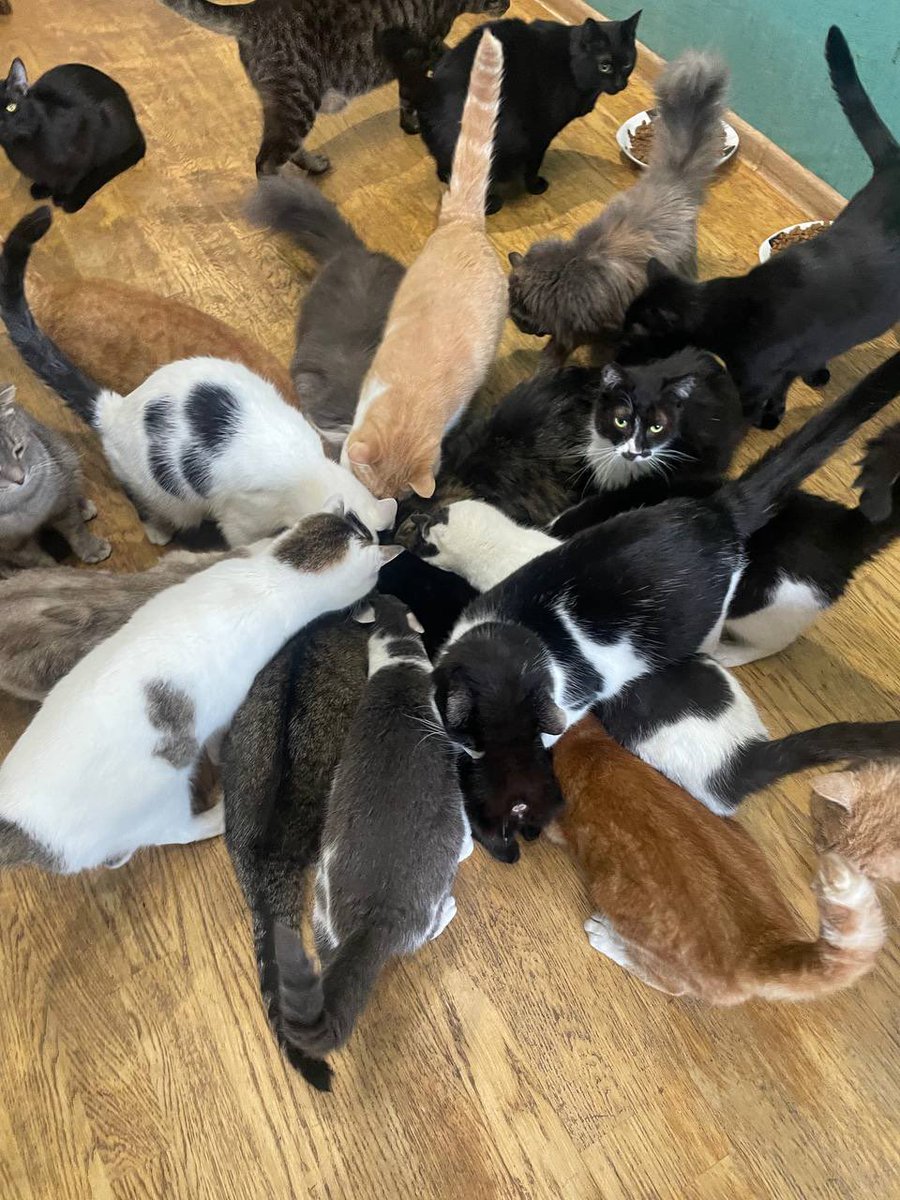
Вдячна кожному та кожній, хто підтримує нас з годуванням і поширенням для прилаштування😭
І тим, хто бере тваринок💕
While Ukraine is demilitarizing the Nazi Kremlin regime, the Russians have launched a new terrorist attack on a residential building in Odesa, killing three civilians, including a child.
On February 24, 2022, the full-scale invasion of Ukraine began.
It was on that day, around four or five in the morning, that Kherson region awoke to sounds that had never before existed in its peaceful life: dull thuds tearing through the silence, the roar of low-flying helicopters, the first explosions near the airport in Chornobaivka and military units. From the windows of apartments and houses, people watched as the sky turned black with smoke, flashes lit up on the horizon, and then — endless columns of enemy equipment rolled down our roads like a black cloud blotting out the sun.
Kherson woke up in shock. Phones rang off the hook: “Do you hear that? Is this war?”, “Mom, they’re already close”, “Daughter, they’re in the neighboring village”. Children hid under blankets, adults stood by windows, unable to believe their own eyes. Some frantically gathered documents and children, some ran to stores for water and bread, some simply froze, listening to the ground tremble under tank tracks.
Four years have passed.
Four years of pain that never subsides. Four years of daily struggle, losses that no statistics can contain, tears that no one can count. Four years of faith that sometimes hung by a single thread — and yet never broke. Kherson endured occupation, protests under gun barrels, abductions, torture, hunger, fear for every moment. And then — the joy of liberating the right bank, which was also soaked in tears, because returning home always comes hand in hand with graves.
But the left bank of Kherson region remains in captivity. The majority of the oblast — dozens of towns and villages — Oleshky, Hola Prystan, Nova Kakhovka, Kakhovka, Skadovsk, Henichesk — are still under temporary occupation. There, beyond the Dnipro, our people live every day. Our parents, mothers, children, brothers, and sisters. They wake up under foreign flags, hide phones with Ukrainian news, whisper in their native language when no one is listening. They survive in constant fear: for children being forced into “re-education”, for property they are made to re-register under foreign documents, for every word that could cost them freedom or life. They are waiting. Waiting for us. Waiting for the day we return.
That morning of February 24, 2022, has remained inside forever. It lives in everyone who woke up to explosions that day. In everyone who saw foreign boots trample their native land. In every heart that still trembles at the low hum in the sky or a sharp sound reminiscent of that first one. And especially — in those who remain on the left bank. For them, the war has not ended. It continues every day: in searches, in queues for “humanitarian aid”, in the silence when they remember loved ones on the right bank, in tears hidden from foreign eyes.
This day divided all life into “before” and “after”. Before — when we could still plan tomorrow, laugh without reason, hug loved ones without thinking it might be the last time.
(We remember. We wait. We love.)
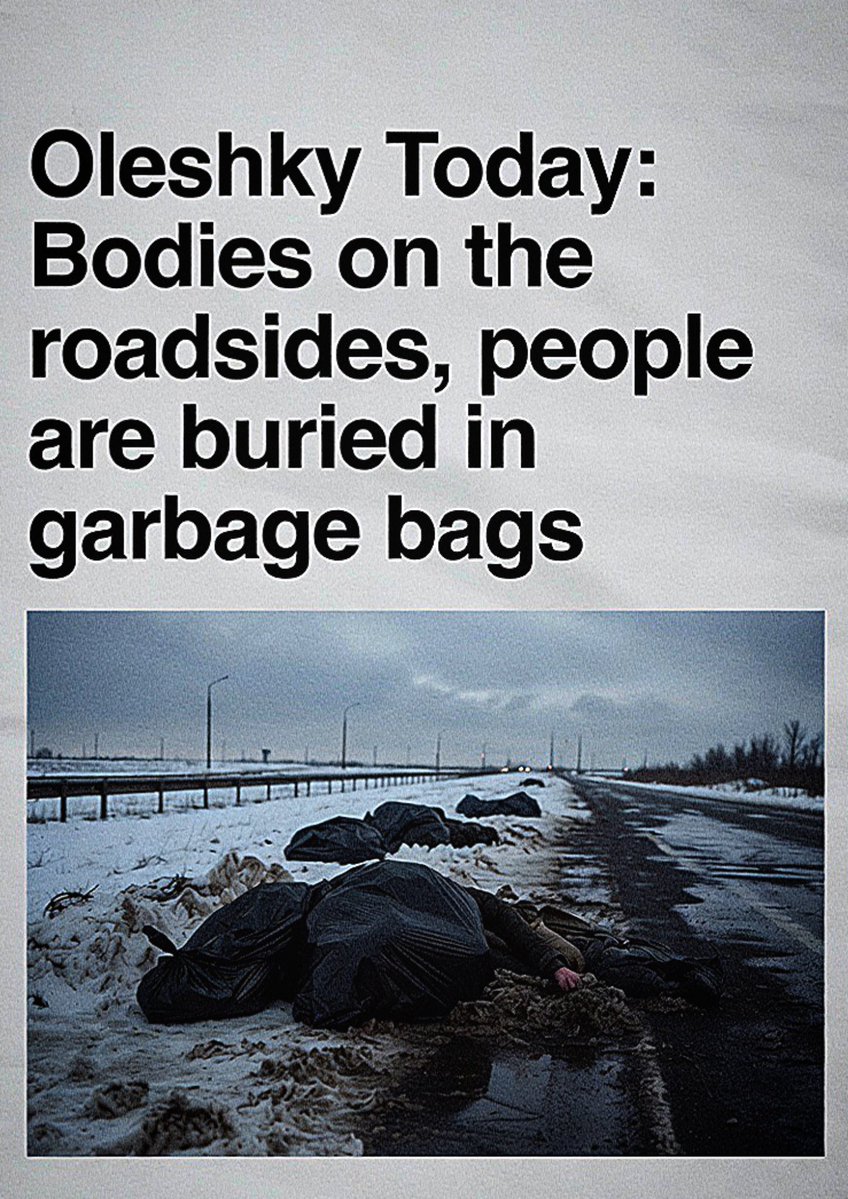
Because there are no coffins, people are being buried in bags. The bodies of the dead aren’t being removed — they’re just left on the roadsides. Locals say that along the highway toward Crimea, there are bodies that dogs are already eating. No one knows if they are civilians or military.
People are even afraid to stop on the road because they risk coming under drone attack, so they don’t approach the bodies.
It’s unknown how many people have died in their own homes from cold, hunger, illness, and exhaustion. Neighbors often don’t find them right away.
Burial is a separate problem. There are no coffins in the city at all. Earlier they brought in russian “paper” coffins — we called them that, but at least they were something. Now there are none. So people are buried in bags.
And another horror: men are disappearing. russian soldiers just take them away, and no one knows what happens to them next.
Oleshky, Kherson region. This is no longer just war — it’s the complete devaluation of human life.
#Oleshky #Kherson #Ukraine
😢 Гуманітарна катастрофа в окупованих Олешках: омбудсман Лубінець звернувся до РФ та Червоного Хреста щодо евакуації цивільних
В місті зберігається катастрофічний дефіцит питної води, відсутні стабільні електро- та газопостачання, обмежена медична допомога. Не вистачає й їжі – її останнім часом просто неможливо підвезти через небезпеку на дорогах.
Ситуація вздовж лівого берега Дніпра проти Херсона серйозна. Харчі перестали завозити у грудні. Люди голодають і знаходяться під постійними обстрілами.
Немає ні світла, ні води. Мертві цивільні лежать повсюди — їх їдять собаки.
Today in Oleshky, nearly two thousand people — including fifty children — are forced to choose between starving to death or walking dozens of kilometers along mined roads under constant threat of shelling, just to find a piece of bread.
Every day in this temporarily Russian-occupied city in Kherson region, two to three people die from malnutrition, heart attacks, and Russian shelling. There was also a recent case where occupiers killed an elderly man who tried to stop them from looting food supplies.
This horrifyingly resembles the Holodomor of 1932–1933. People have no food, no medicine, no fuel, and no electricity.
In 2026, innocent civilians are being forced to choose between death by hunger and death by bullet.
It’s painful to read this.
#Oleshky #Ukraine #Holodomor #HungerInUkraine #StandWithUkraine #UkraineWar #RussianAggression #HumanitarianCrisis #ChildrenOfWar #StopRussianTerror #WarCrimes #Famine #NeverAgain #SupportUkraine #Kherson
Вони не винні, що народжуються на вулиці. Кожне небажане кошеня чи щеня — це чиєсь коротке життя, повне голоду і страху.
Без стерилізації коло страждання не зупиняється ніколи. Сьогодні одне безпритульне — завтра їх десятки. Ми можемо це змінити.
https://t.co/n6uZjyj7ES
Платформа Service95, створена британською співачкою Дуа Ліпою, організувала благодійну вечірку на підтримку України 🫶🏼
Зібрані відвідувачами кошти спрямували до британської організації Driving Ukraine, яка з початку повномасштабної війни допомагає Україні 🫂
Команда волонтерів переобладнує та доставляє українцям карети швидкої допомоги й військовий транспорт. Цього разу гроші спрямують на нове евакуаційне авто 🚙
Крістофер Б'юлман, автор Чорноязикого злодія, поки підписував книги, розповів всім, хто чув у черзі, як росія розбомбила Фактор-друк. А потім запевнив:
Він не дозволяє зараз і не дозволить публікувати свої книги на росії .
Я там і розплакалася через цю щиру підтримку. Це так 💔