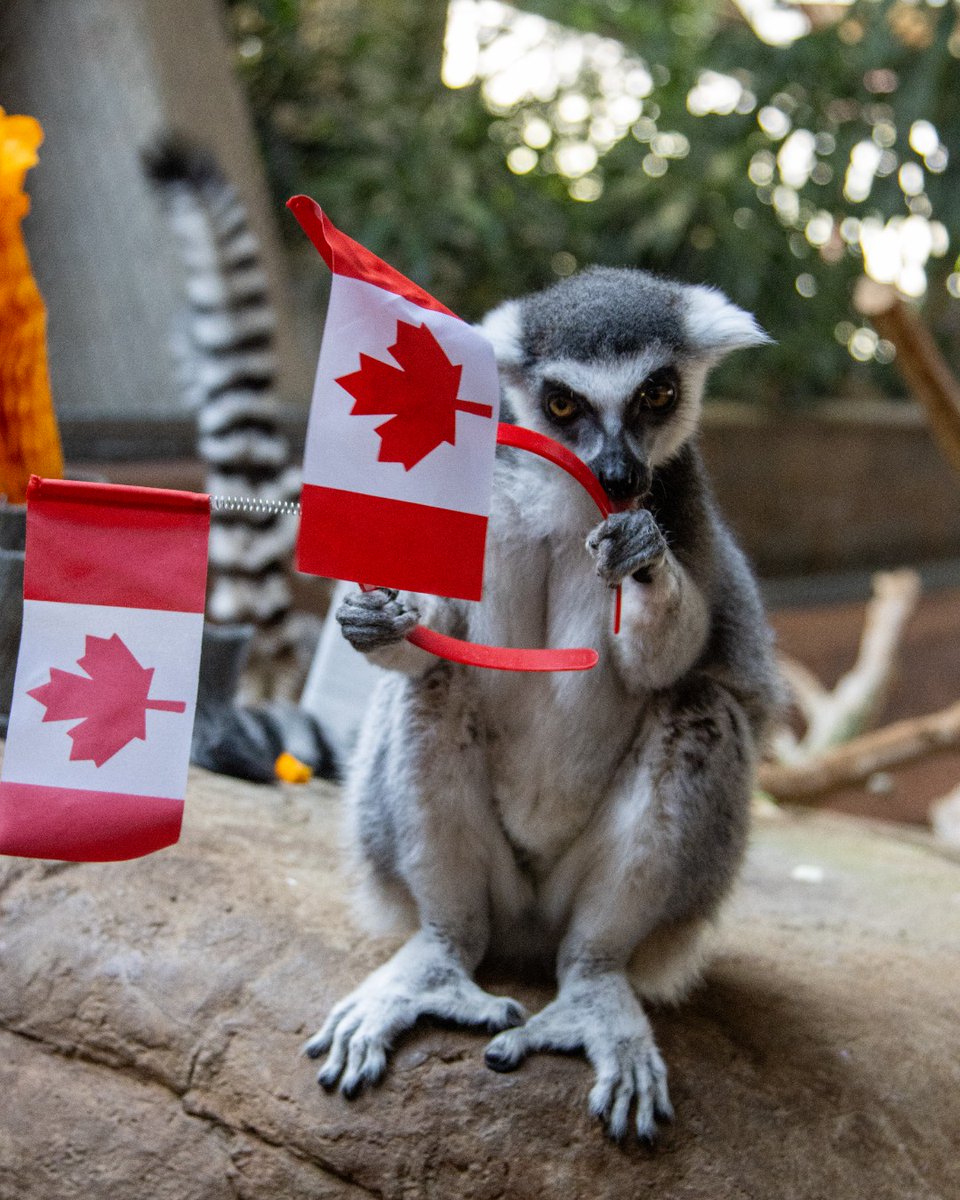
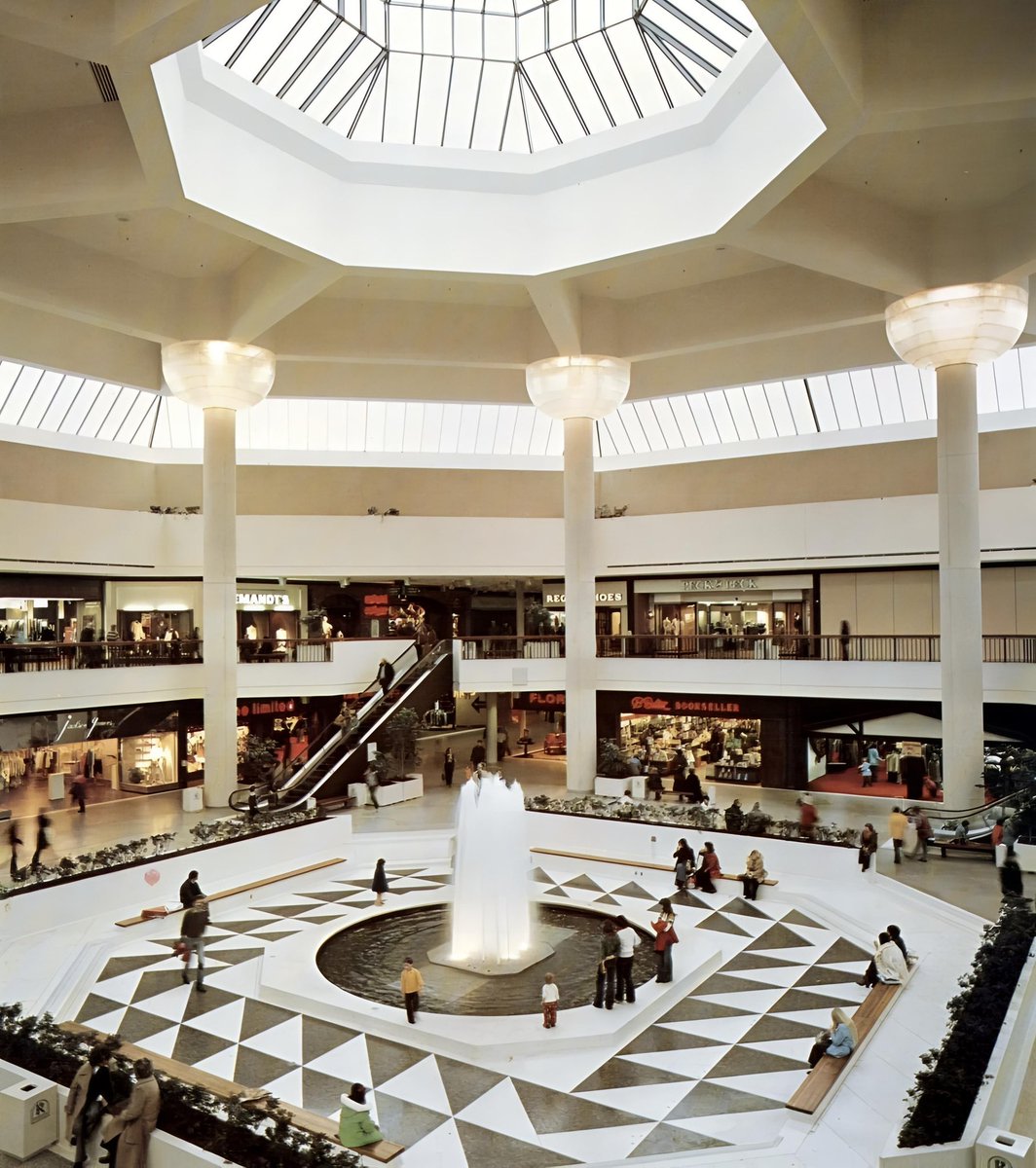
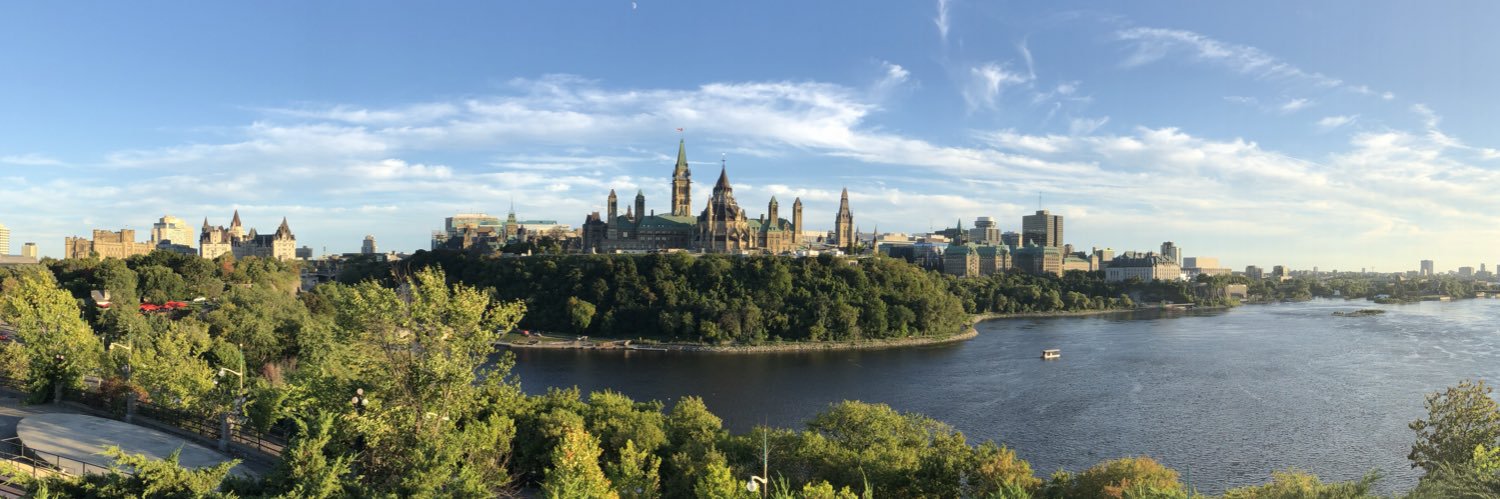
Bonne Fête ville de Québec !Le 3 juillet est la journée anniversaire de la fondation de Québec par Samuel de Champlain. Cette année, Québec fête son 418e anniversaire de fondation. (photo ; fête du tricentenaire de Québec en juillet 1908
Mont Saint Michel rises out of the tidal flats in a way that still catches people off guard, even if they have seen photos before. The abbey was founded in the 8th century after a vision of the Archangel Michael, and for centuries it functioned as both a pilgrimage site and a fortified stronghold. Its isolation was its strength. The tides made access difficult, which helped protect it long before modern defenses existed.
Those tides still shape the experience today. They move faster here than almost anywhere else in Europe, and the landscape changes hour by hour. Time your visit carefully. Low tide lets you see the scale of the bay, while high tide turns the mount back into an island. Guided walks across the sands are worth doing if conditions are right, but never attempt it alone.
Inside the abbey, the climb is steep and deliberate. Narrow stairs, thick stone walls, and long corridors remind you this was built for monks, not crowds. Go early or stay late if you can. Midday gets busy, especially in warmer months, and the atmosphere shifts quickly.
Mont Saint Michel rewards patience. It is not a quick stop. Give it time, watch the light change, and let the place reveal why it has held attention for more than a thousand years.
📍 Mont-Saint-Michel, Normandy 🇫🇷
No one can make you feel more invisible than a cat. You can scream their name 15 times, shake the treat bag, and use your most cheerful voice. They won't turn their head. They won't move a muscle. They'll just twitch one single ear slightly to let you know they hear you perfectly fine, they are just actively choosing to ignore your existence.
This sightline through the Arc du Carrousel, past the Louvre Pyramid, and into the museum beyond is one of the more deliberate views in Paris. After dark, when everything is lit up, and the geometry snaps into focus, it's particularly striking.
Each element belongs to a different chapter of history. The arch was commissioned by Napoleon to mark his military victories. The palace-turned-museum behind it once served as a royal residence for French kings. The pyramid, added in 1989, was so controversial at the time that it sparked a national debate.
What's worth noticing is that none of it was torn down or replaced. The symbols of empire and monarchy were absorbed rather than demolished, gradually repurposed into public institutions.
Even the pyramid, once widely criticised, now looks like it was always meant to be there. This corridor is one of the places where you can see most clearly how the city has layered new meaning onto old structures without letting go of them entirely.