Biólogo, aracnólogo, espeleólogo, buzo & fotógrafo. Investigador y Curador Asociado en la División Aracnogía del Museo Argentino de Ciencias Naturales (MACN)
Today, I saw my humble tribute to Stefan Hendrik Foord (1971-2023) materialize in the best way possible: the publication of a new species of the African arachnofauna named after him (@AI_Journal). Live forever in this incredible opilionid, my dear friend! https://t.co/vzpKpw5pag
New paper out! https://t.co/bx1SbwuJa4
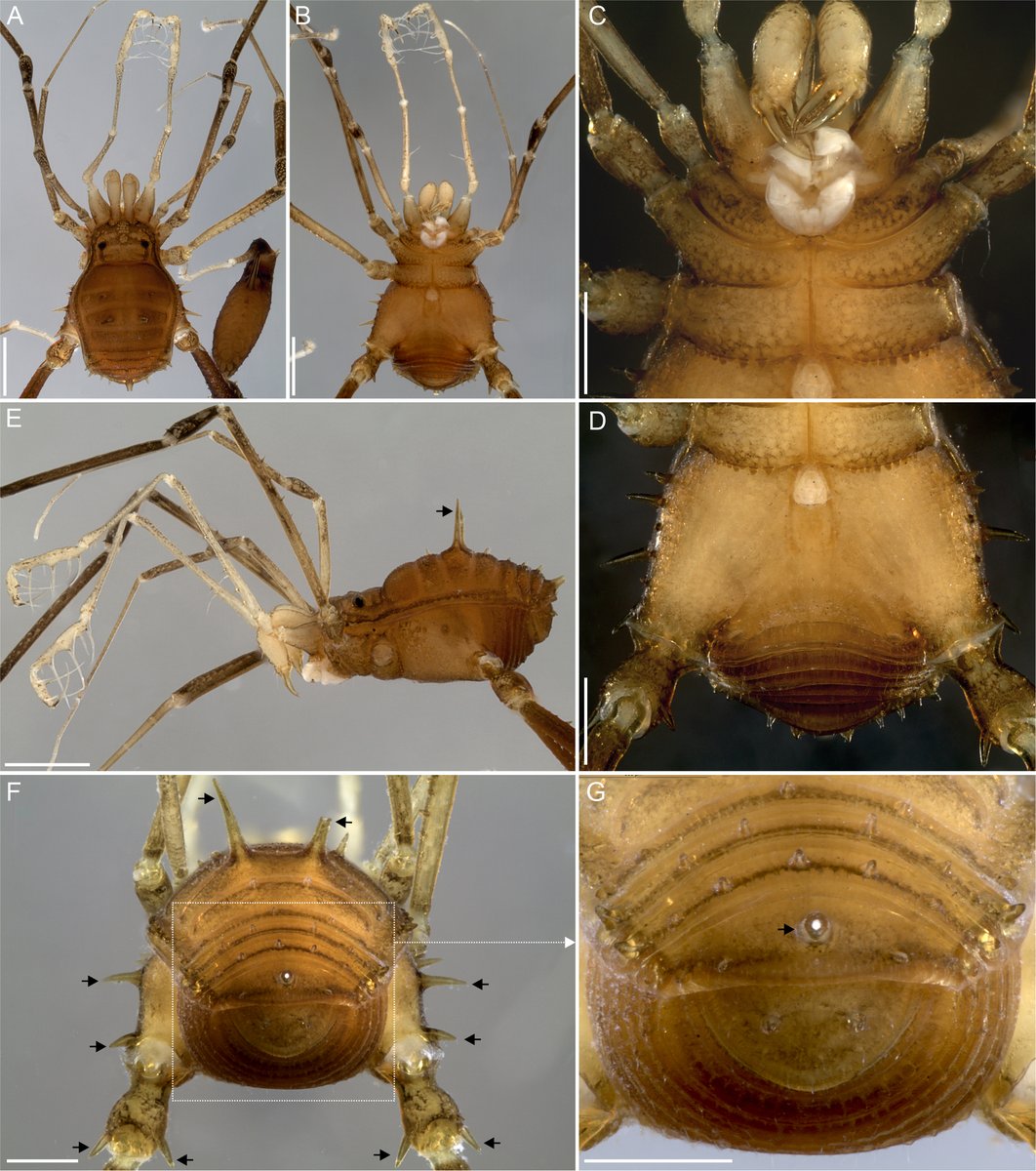
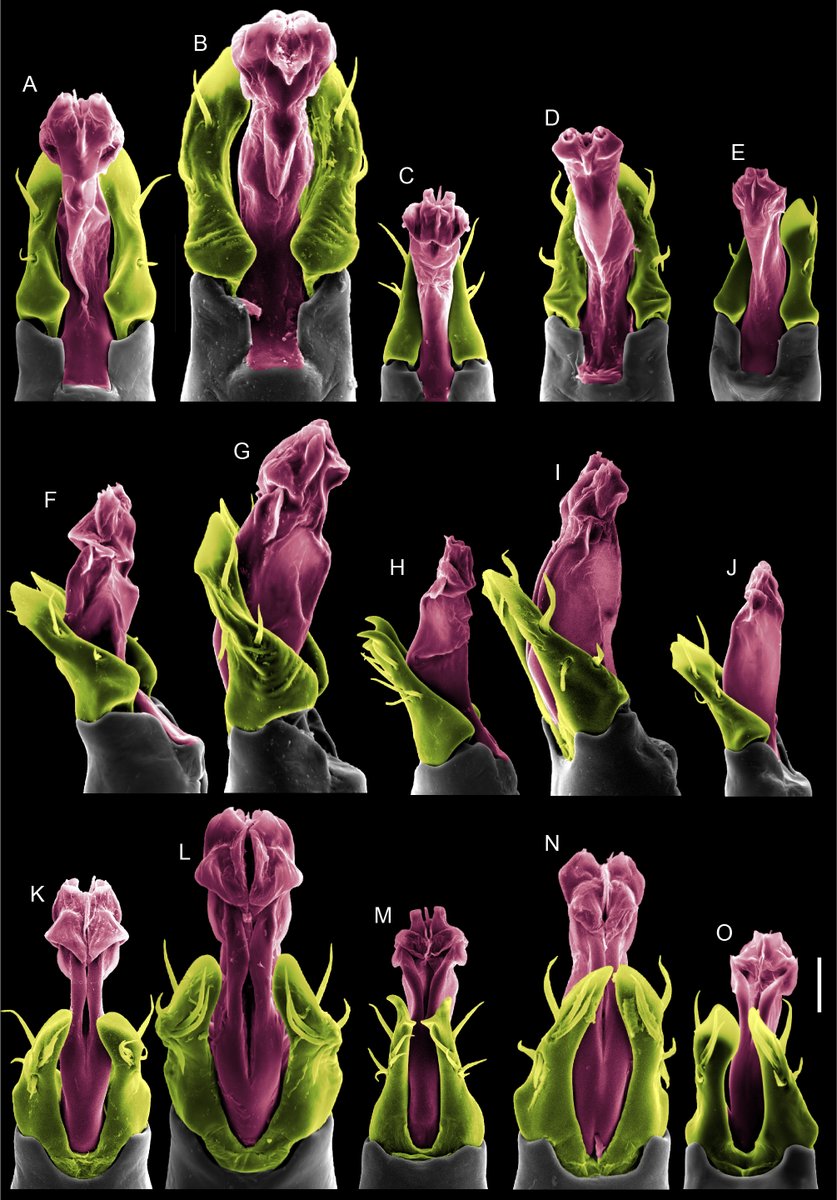
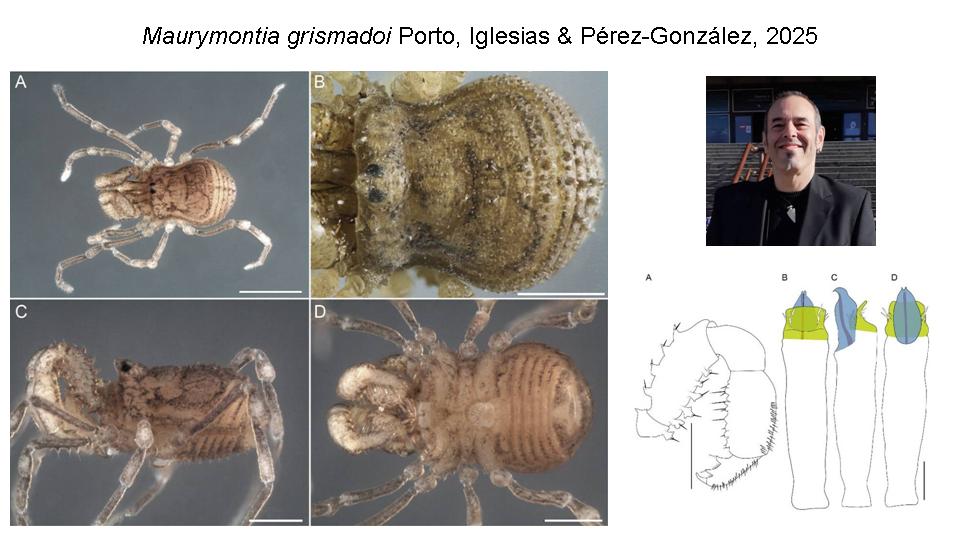
We revise South American triaenonychids formerly placed in Ceratomontia and propose the new genus Maurymontia, honoring Emilio Maury.
Three new species described, incl. M. grismadoi.
Happy New Year! 🎉
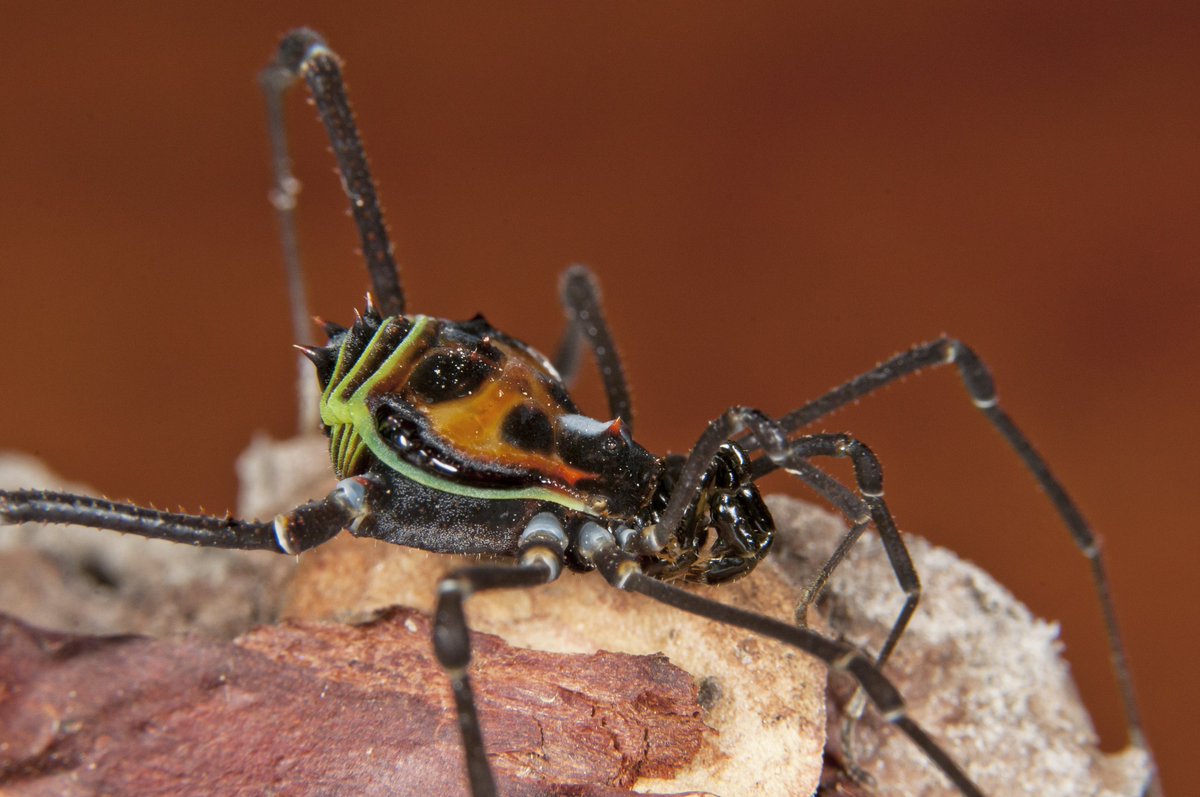
The holotype of Maurymontia mborore, a new genus and species of Triaenonychidae recently described by my friends and colleagues Williams Porto and @abelaracno. From Misiones, Argentina. We found a single male in a rocky area within the subtropical woodlands by sifting litter.
We are pleased to share our traditional report on the new genera and species described by the staff of MACN during 2024 (more precisely, between December 2023 and November 2024). You can download it from the link at the bottom of this post.
https://t.co/sauaWzdo18
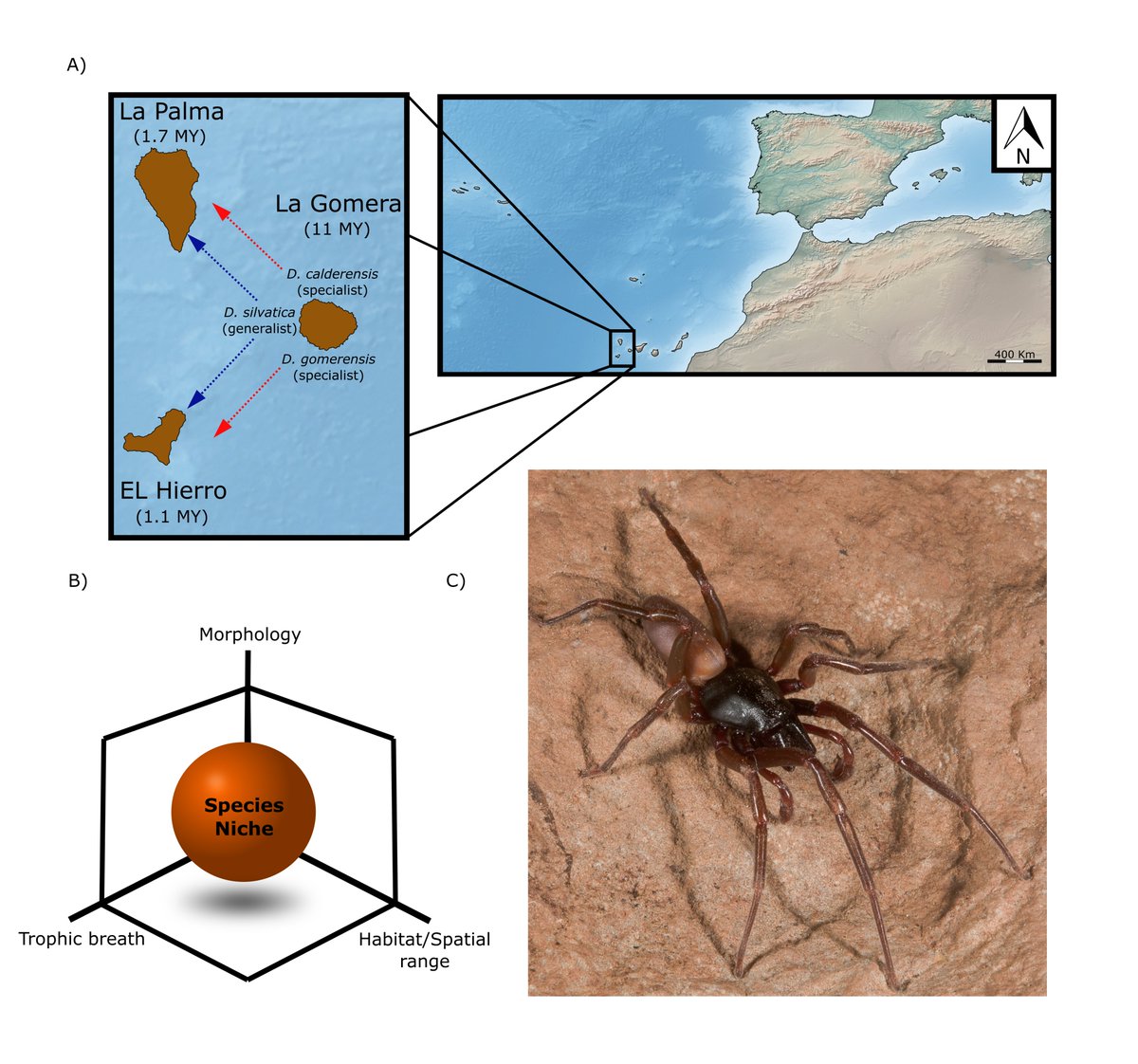
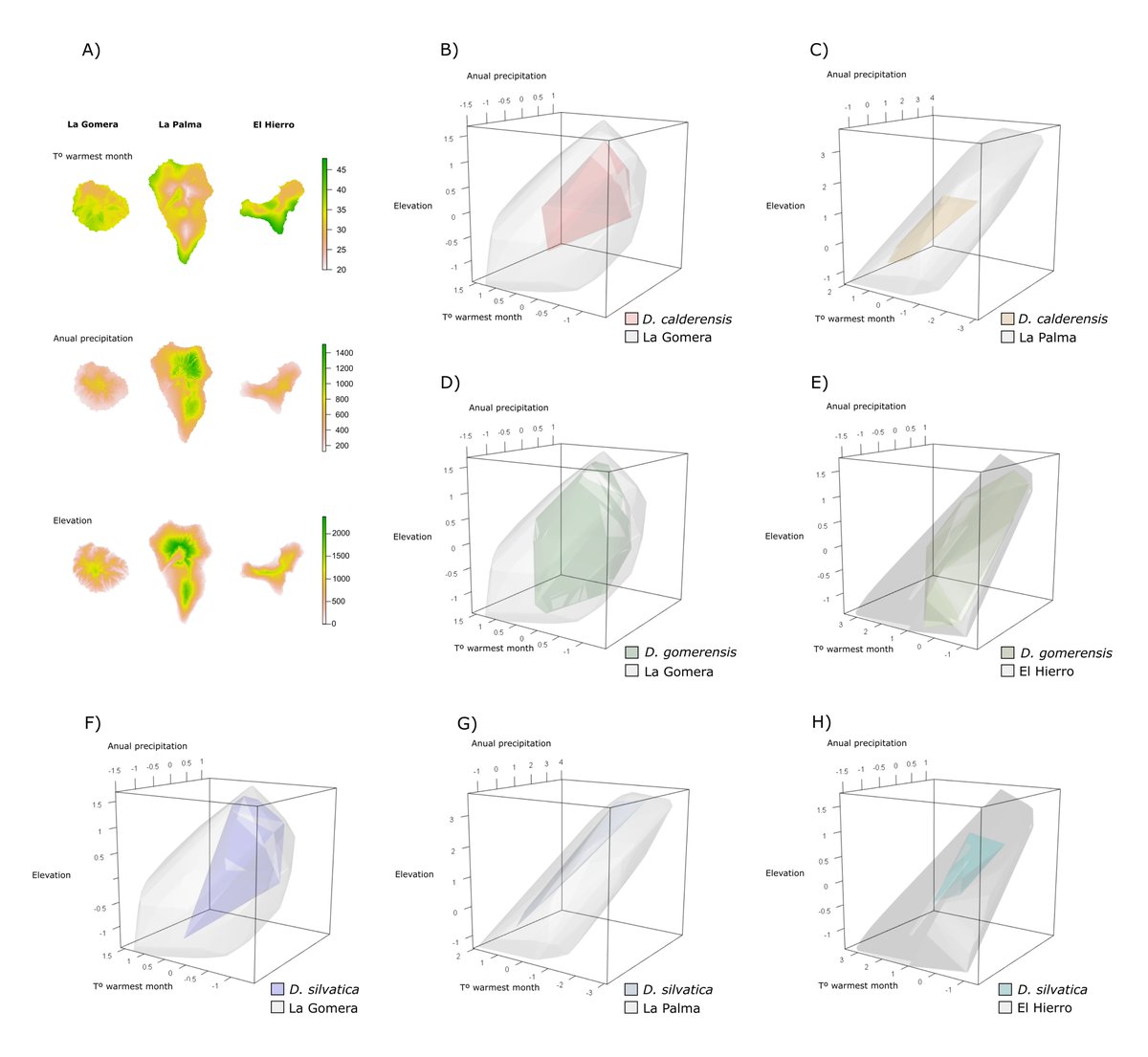
Paper out🕷️📢! We explore the implications of different cheliceral morphotypes related to different trophic adaptations on the species' ability to undergo ecological release in the red devil spiders from the Canary Islands.
Full text at @InsectDiversity:
https://t.co/Dtb03dlKvs
🎉Excited to share our new paper in Zoosystema!
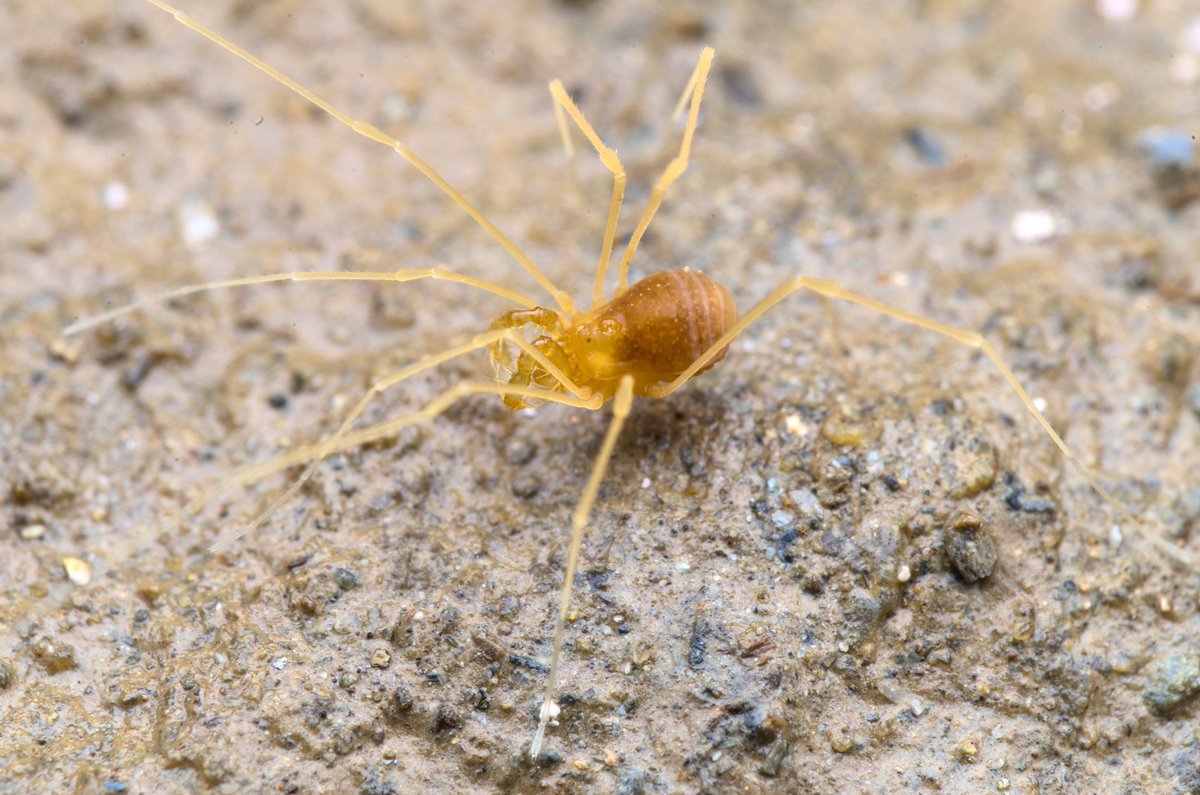
Buemarinoidae, an enigmatic Opiliones family once known from six monotypic genera, is expanded with a redescription of Malagasy Flavonuncia pupilla + 4 new species.
Read more: https://t.co/lMAKk5Di2v
#Opiliones#Taxonomy#MACN
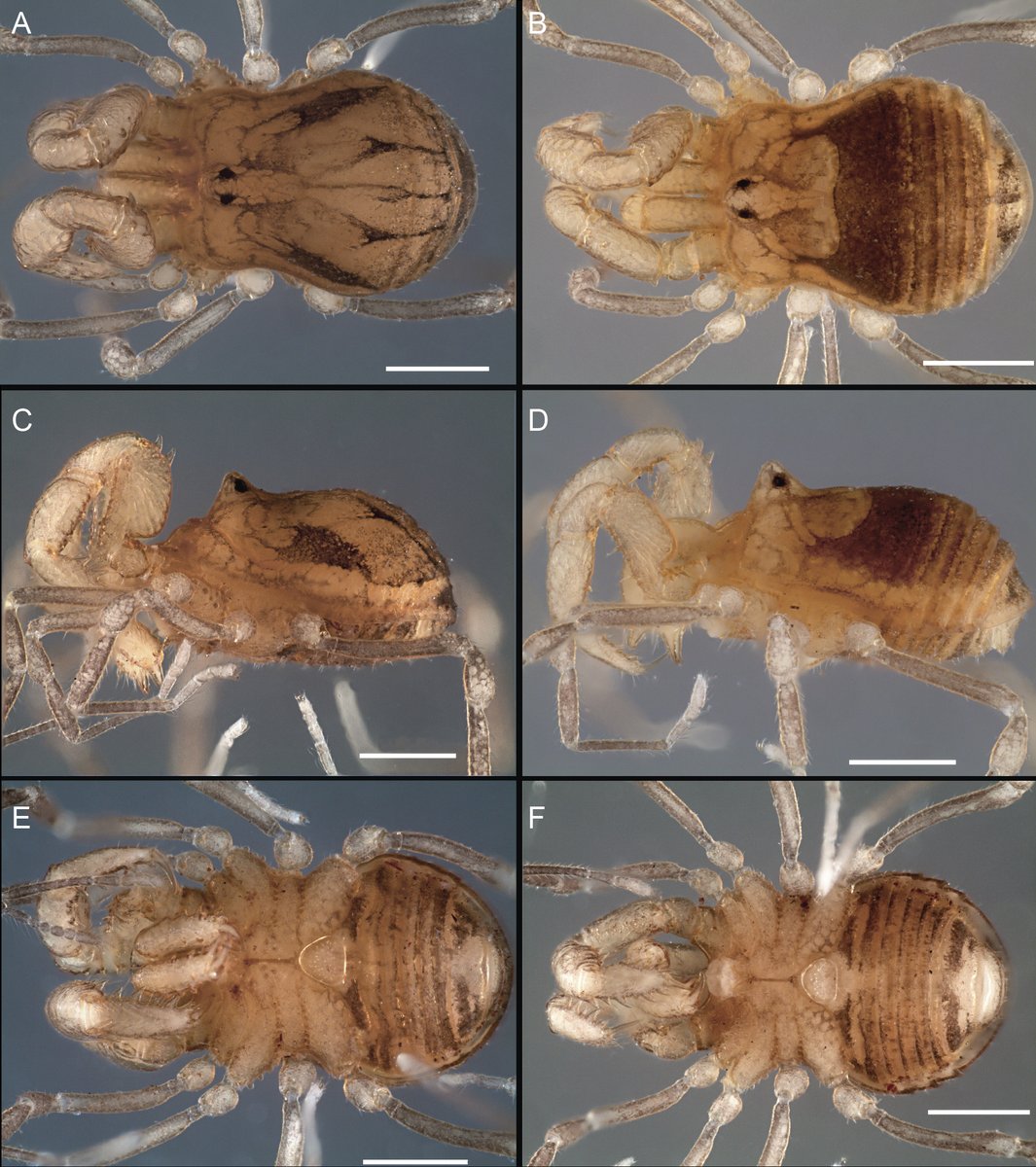
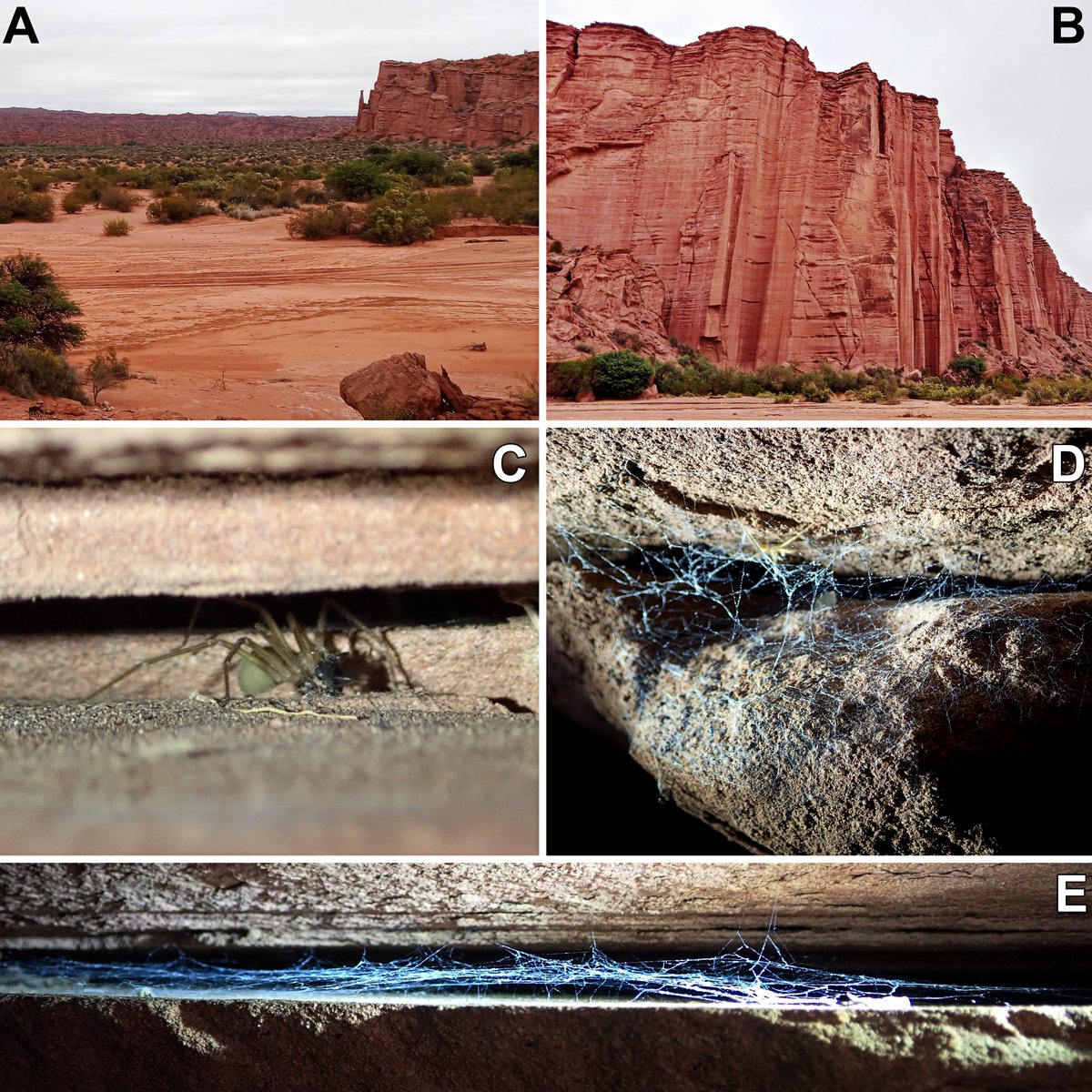
Loxosceles galianoa, una nueva especie de araña del noroeste árido argentino. Bautizada en honor a María Elena Galiano, es pariente cercana de L. laeta, pero vive en ambientes naturales. En el artículo, también discutimos la evolución de la genitalia femenina en Loxosceles.
Convocatoria del Instituto de Biología de la Universidad Nacional Autónoma de México, para una Persona Técnica Académica de Tiempo Completo en el área de Manejo de la Colección Nacional de Arácnidos (CNAN)
Consulta la convocatoria en: https://t.co/tyS9alOq8w
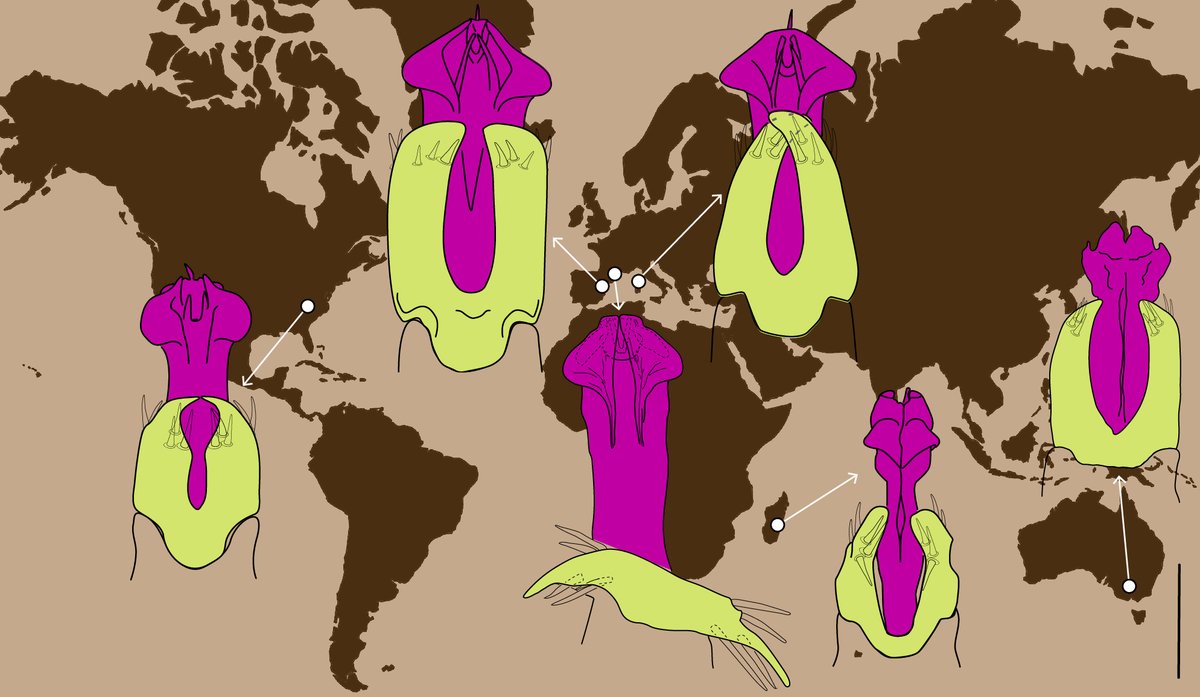
Uncovering the worldwide footprint of an ancient relictual lineage of harvestmen: new genus and species of Buemarinoidae from Australia (Opiliones: Laniatores: Triaenonychoidea) https://t.co/yXfRRsKBt1
Now fully citable, with a volume number.
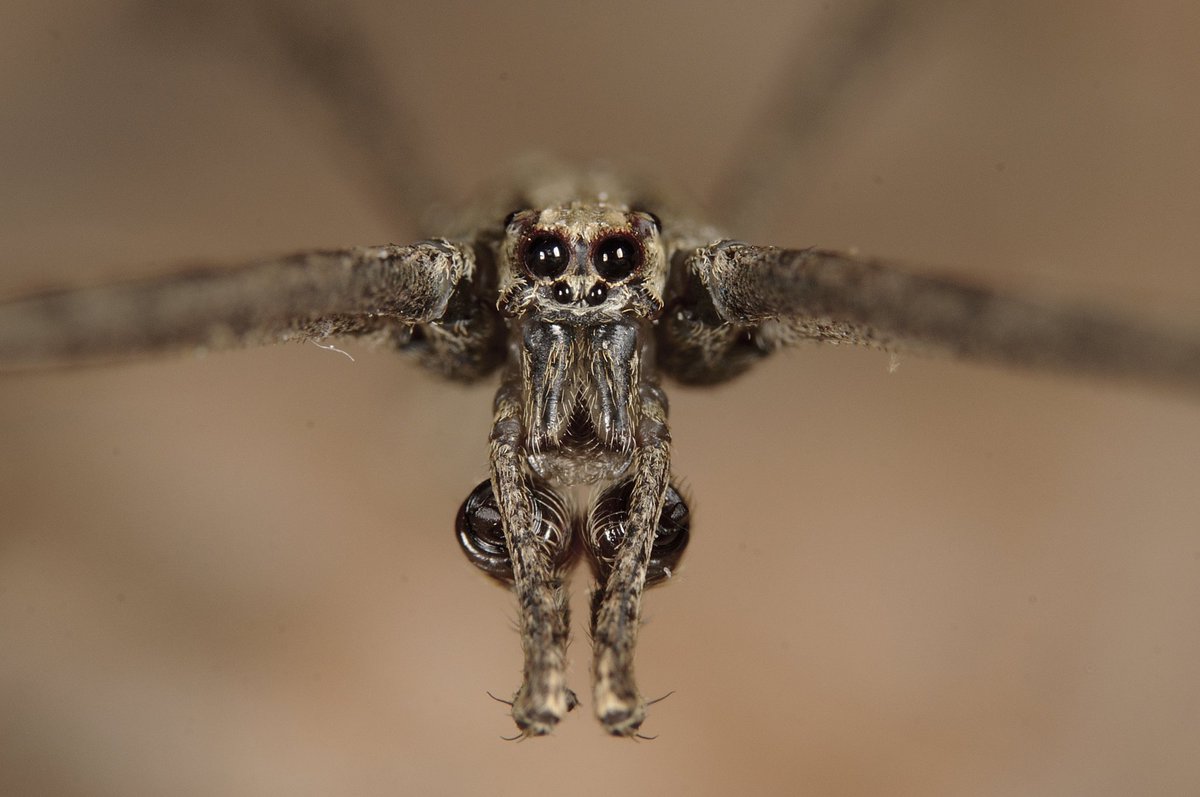
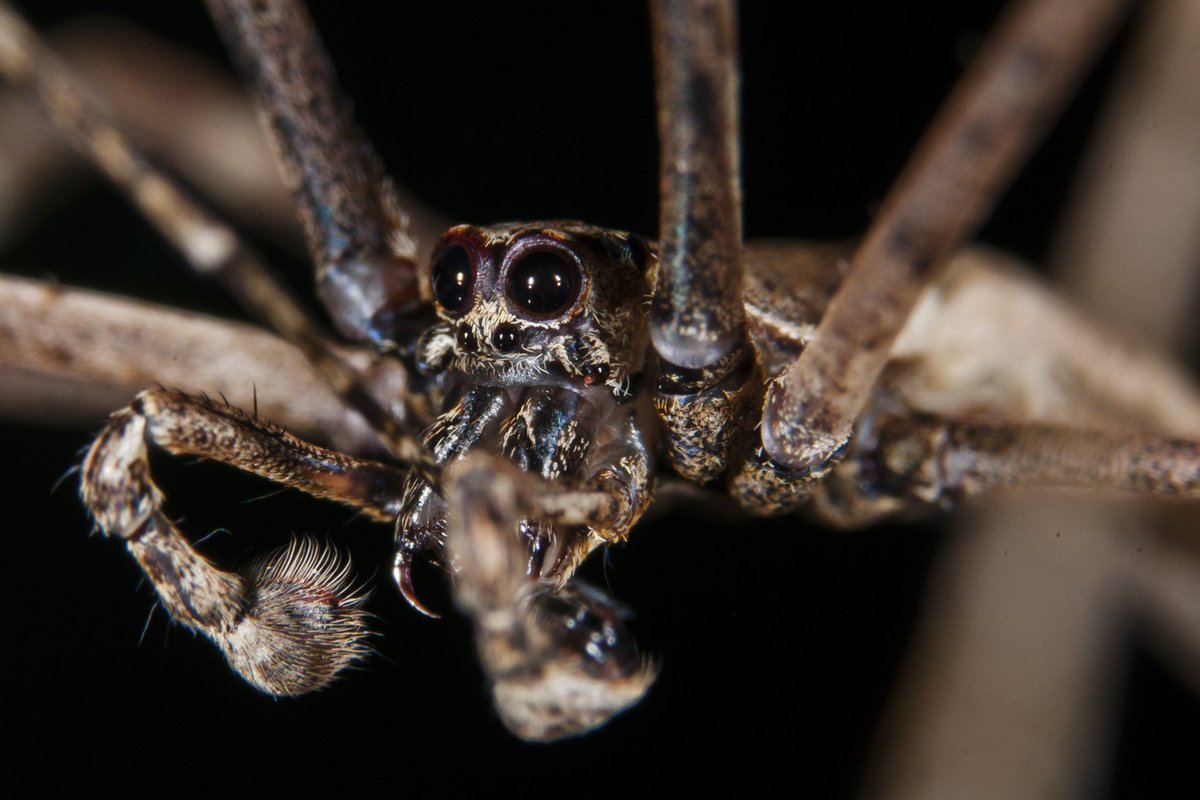
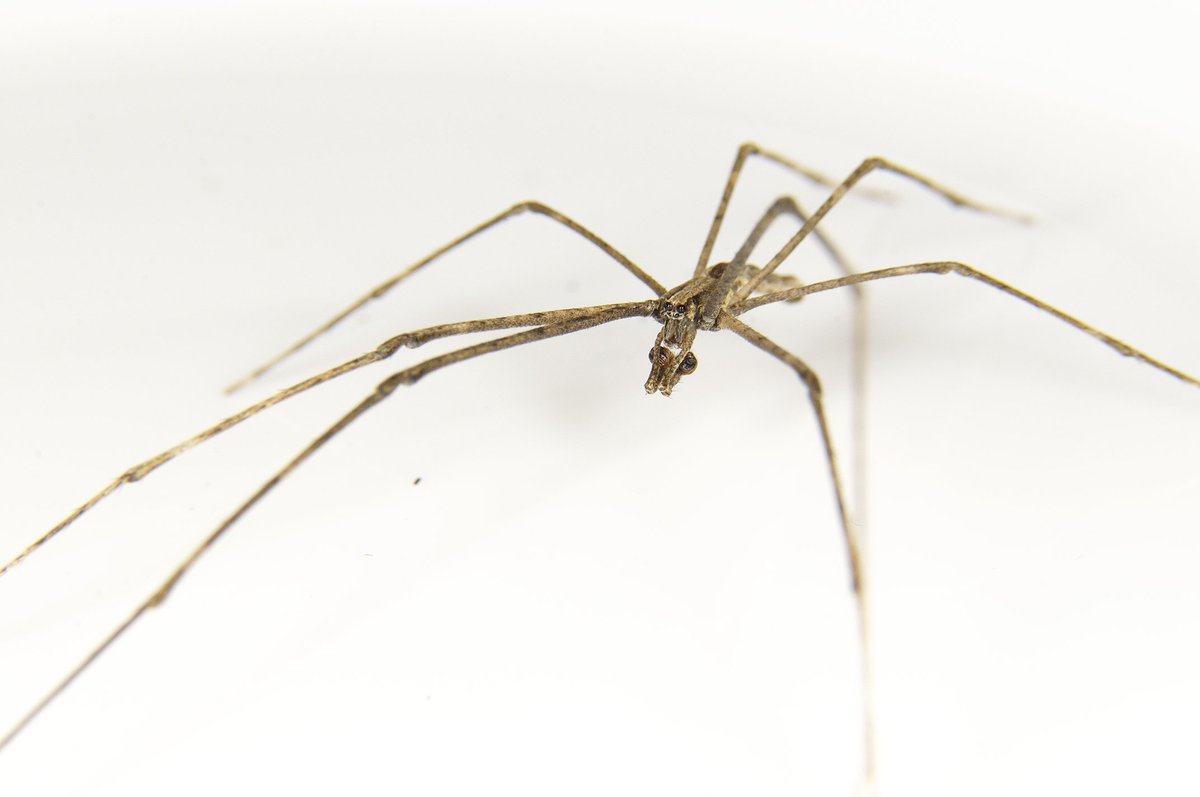
Deinopis spiders are incredibly photogenic, perhaps due to their two enormous eyes that provide them with exceptional night vision. This is a male (notice its boxing glove-shaped pedipalps, which are used during mating), photographed in Buenos Aires.
Male and female of the opilionid Sadocus polyacanthus photographed near Lake Moquehue, Neuquén, Argentine Patagonia. Species Sadocus are among the largest and most colorful opilionids. Lake Moquehue marks the northernmost limit of this species' distribution in Argentina.
@Megabunus@BritishSpiders It is indeed an Acropsopilionidae: Acropsopilio an introduced opilionid in UK. But for the sp. ID is necessary to study the specimen. Cheers.