Tonight we are launching Xarani, our fintech unit. Xarani is the thread that connects or stitches the digital ecosystem.
At Xarani, we are embedding AI directly into our solutions. Facial recognition enables us to recognise your face and match it to the ID that was taken when you were 18 years old. Even if you are 70, our technology is able to confirm that you are the same person because there are features that do not change regardless of age.
We also have liveness detection. Liveness detection ensures that when you take your selfie, we are able to detect that you are a live person—you are not a deepfake.
To our partners, public and private, thank you for helping us to build Zimbabwe’s digital infrastructure.
Agrippa Mugwagwa, Managing Director of Xarani, addresses guests
Funding for startups in our part of the world, FINALLY!
A new US$64 million venture fund is targeting Southern Africa, including Zimbabwe. It’s a partnership between Botswana Tech Fund and Launch Africa, backed by British billionaire Steve Lansdown. It is targeting tech startups (from pre-seed through to growth stage) with a focus on fintech, agritech, mobility, and digital infrastructure.
If you’re a Zimbabwean founder, this is your call.
Full breakdown on last week’s #AfricaTechKin on @ZiFMStereo
Cabinet has approved the Research Amendment Bill, presented by Justice Minister Ziyambi Ziyambi. The bill amends the Research Act to establish a Research Authority of Zimbabwe and a Research Fund. It also sets a national target of at least 1% of GDP for research and development funding. The Fund will support innovation, technology adaptation, and human resource development to strengthen the country’s research capabilities.
#PostCabinetBriefing
The ZRP urges Zimbabweans to prioritize rendering assistance to victims of road traffic accidents, such as promptly notifying emergency services and offering first aid where possible, rather than capturing photographs or videos of horrific accident scenes and sharing them on social media. The law will take its course on anyone who will be found taking photographs or videos of accident scenes. A case in point is a recent road traffic accident involving the Ronald Mujuru’s family in Masvingo.
The man who scaled M-PESA to 60 million customers now runs Absa's retail banking empire.
@Sitoyo takes charge April 1 — the first non-South African to lead Absa Personal and Private Banking.
This is the fintech-to-banking crossover the continent has been waiting for.
Back in 2005, while at Caltex, he sketched the idea of fuel stations as mobile money agent points. That concept became the agent model now replicated globally.
At Safaricom from 2011, he rose from M-PESA Strategy head to Managing Director of M-PESA Africa. Under his watch: the Super App, Fuliza, PayPal integration, AliPay partnership, Ziidi Trader for stock trading.
60 million customers. 8 African markets. 5 million businesses.
The 11:FS Hall of Fame inducted him. Now Absa has hired him to bring that playbook to traditional banking.
If he succeeds, every bank on the continent will study this move.
If they fail to respond, they already know what's coming.
The Man Who Scaled M-PESA to 60 Million Customers Now Runs Absa's Retail Empire
https://t.co/BGMDvwoJxg
I have seen the spirit of giving alive in the rural setting. People , who many on here, would call “Poor” , noticed this was our first year on the ground, so everyday we get gifts of Nyimo, Nzungu, Avocados, Mangos, Chibage… it’s very very humbling. People without a “dollar” to their name have given us more “VALUE” than any of the Gazillionaires in my phone book.
BAT's transformation is from the root up.
In this week's episode of The @SmokelessWord, Mauricio Cantisani joins Kingsley to take us behind the scenes of BAT's leaf operations and how they are fighting illicit trade.
Watch the trailer!
Every single bale, traced back to the farm.
BAT's very own Mauricio Cantisani joins The @SmokelessWord this week to break down how we're using advanced data and technology to connect the dots across our supply chain.
Episode out now!
98% of BAT Brazil’s partner farms are now multi-crop businesses.
That’s supporting progress from the root up. Mauricio Cantisani explains on The @SmokelessWord how “farmer progression” is securing livelihoods through diversification.
Episode out now! Link in bio.
This is how Zimbabwe moves global lithium prices, among other strategic minerals.
Yesterday, Zimbabwe banned the exports of lithium concentrates and other raw minerals.
And guess what happened? Lithium prices on the global market surged on fears of tighter supplies.
@nickmangwana@Jamwanda2@joecharex
China's lithium price surged on Thursday after Zimbabwe suspended raw mineral exports, sparking concerns over supply disruptions, at a time when growing energy storage demand is projected to drive a boom in the market. https://t.co/YO08PrsKXv
Rural Zimbabwe doesn’t fail digital finance, digital finance often fails rural Zimbabwe.
Offline gaps, cash shortages, agent dependency.
ZimXFinance is being built around those constraints, not ignoring them.
DID YOU KNOW
In Zimbabwe, bread is a common breakfast item in many households. However, traditional and indigenous Zimbabwean foods emphasize locally grown staples like maize (corn), millet, sorghum, pumpkins, sweet potatoes, and other native crops. These provide hearty, nutritious alternatives to bread for breakfast, often in the form of porridges, boiled roots, or simple preparations.
Here are some popular indigenous or traditional Zimbabwean alternatives to bread for breakfast:
1. Bota (or soft maize porridge): This is a thinner, smoother version of sadza (the stiff maize meal staple), made by cooking maize meal (mealie meal) in water or milk until it's creamy like oatmeal. It's a classic breakfast staple—often sweetened with sugar, topped with milk, butter, or peanut butter for extra nutrition and flavor. It's filling, easy to digest, and deeply rooted in Zimbabwean diets.
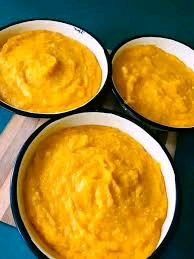
2. Nhopi (pumpkin or butternut porridge): A nutritious porridge made from pumpkin (or butternut squash) mixed with maize meal, sometimes with peanut butter or milk. It's naturally sweet, indigenous to the region, and commonly eaten as a warm breakfast dish.
3. Amacebelengwane: This is a bread substitute which is mase from mealie-meal mixed with water and then pasted on the inside of a pot and put on a fire to cook. It is served with tea.
4. Sweet potatoes (boiled, roasted, or baked): Sweet potatoes are a traditional, widely available indigenous crop in Zimbabwe. They're often boiled or roasted whole for breakfast, sometimes mashed or eaten plain. They're a frequent bread substitute, especially in rural areas or during certain seasons, providing natural sweetness and energy.
5. Porridges from traditional grains — Finger millet (rapoko), sorghum, or pearl millet porridges: These pre-date maize in Zimbabwe (maize became dominant post-colonization). Millet or sorghum porridge is thicker or fermented for tanginess, often served plain or with milk/sugar. They're highly nutritious (rich in minerals and fiber) and considered more "indigenous" staples.
6. Chimodho or mealie meal bread/corn bread/Flour A homemade cornbread-like item made from flour or maize meal, sometimes mixed with sweet potato or cassava flour. It's baked in a pan over coals and served as a traditional "bread" alternative for breakfast.
7. Other mentions in Zimbabwean contexts include items like boiled dried corn kernels (mangai) or fermented drinks like maheu (a non-alcoholic maize drink), but these are more snacks or accompaniments.
These options are affordable, use local ingredients, and align with Zimbabwe's agricultural heritage. Many are versatile—pair them with tea, peanut butter, fruits, or leftovers for a complete meal.
Two Policies were recently ratified. We have published an overview of these policies and what it would mean for you. Read more here>> https://t.co/nB77sTKl7Q