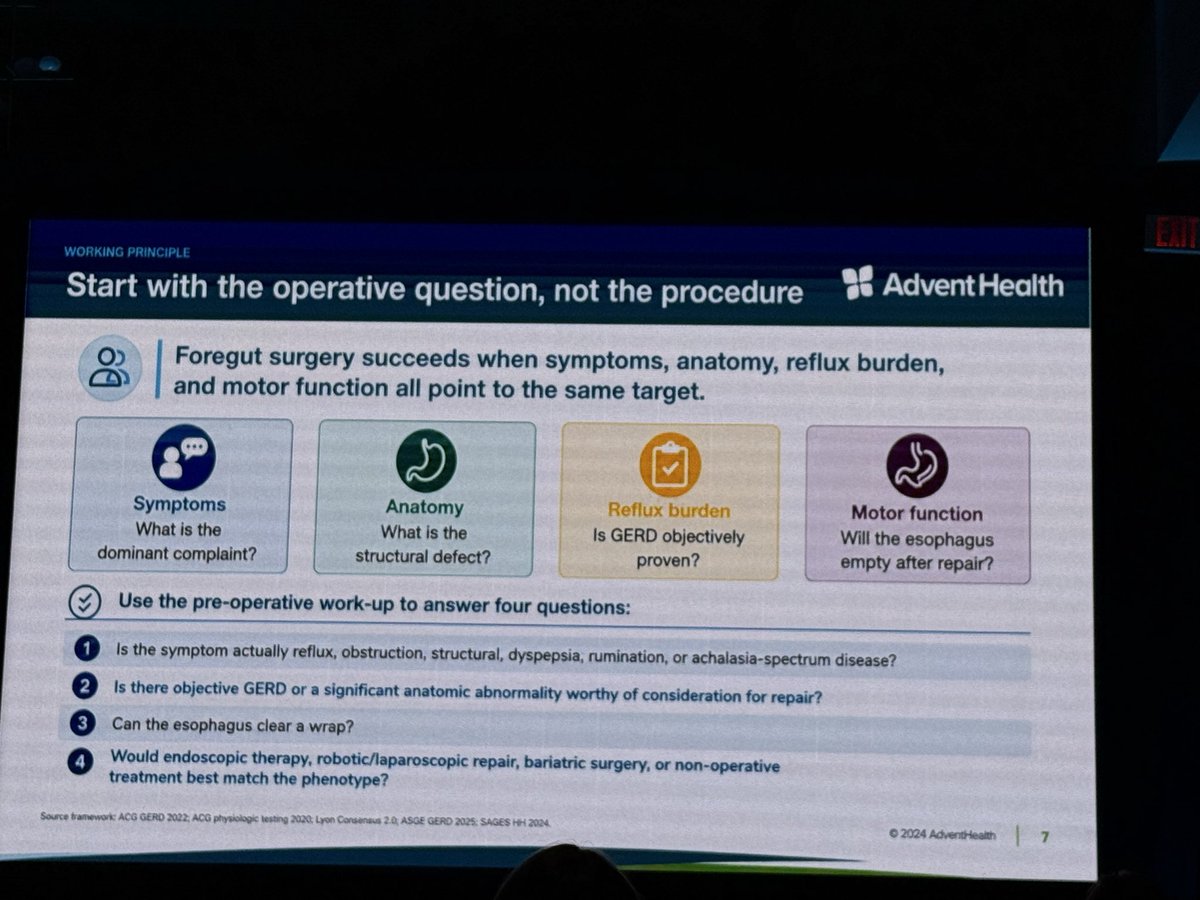
Start with the operative question, not the procedure.”
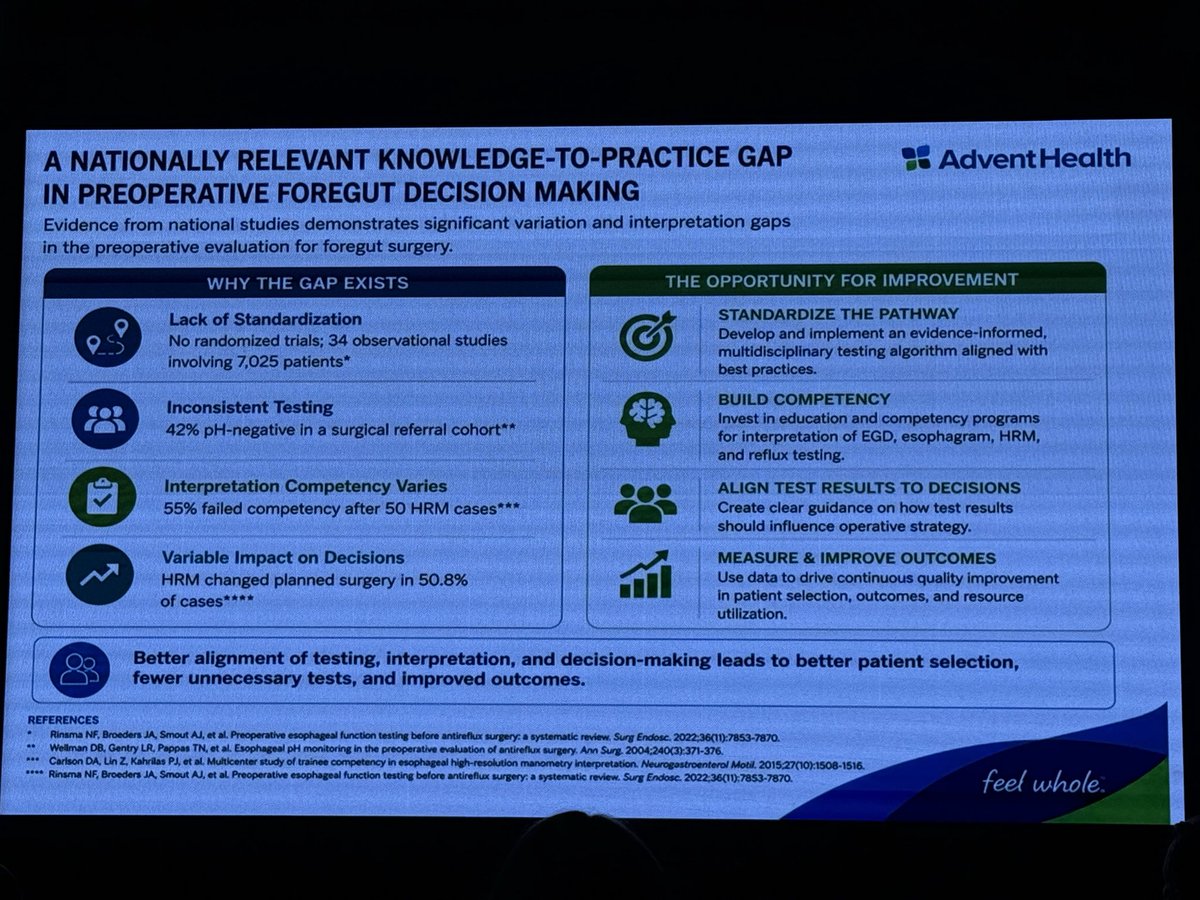
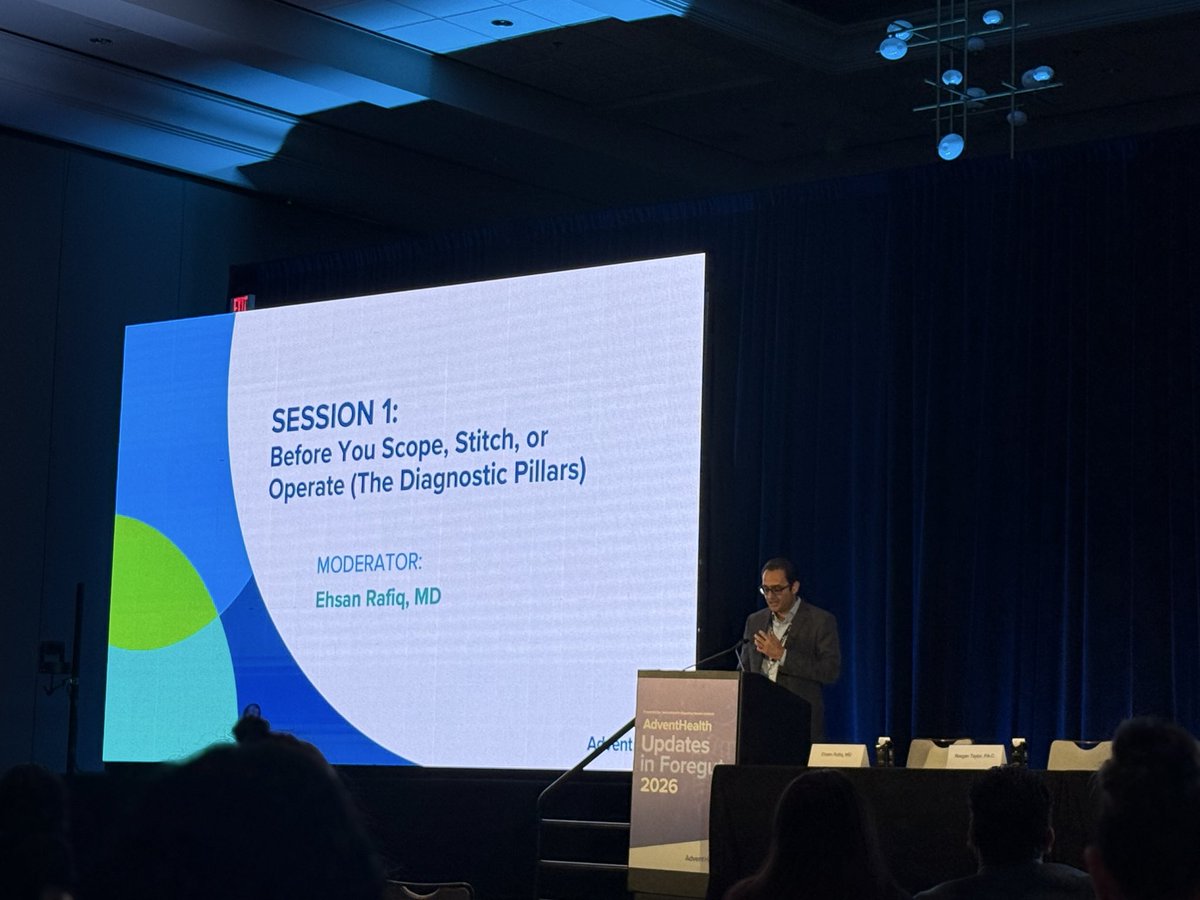
Great first session at #Foregut2026 on getting pre-op patient selection right.
🔑 Symptoms + anatomy + objective reflux burden + motor function should point to the same therapeutic target.
And a pearl worth remembering: HRM isn’t a GERD test—it helps prevent the wrong operation.
The goal isn’t getting a patient to surgery. It’s getting the right patient to the right intervention.
Las nuevas infecciones por VIH bajaron a nivel global de 2.1 millones en 2010 a 1.2 millones en 2025, y las muertes por SIDA disminuyeron de 1.3 millones en 2010 a 570,000 en 2025, el número más bajo en más de 30 años.
(Cuando la humanidad se decide, logra cosas maravillosas.)
Surgical therapy for #gastroparesis in adults with #diabetes was associated with improved glycemic control, reduced insulin utilization, and fewer diabetes-related complications vs nonoperative management.
https://t.co/b5mV3uBW2T
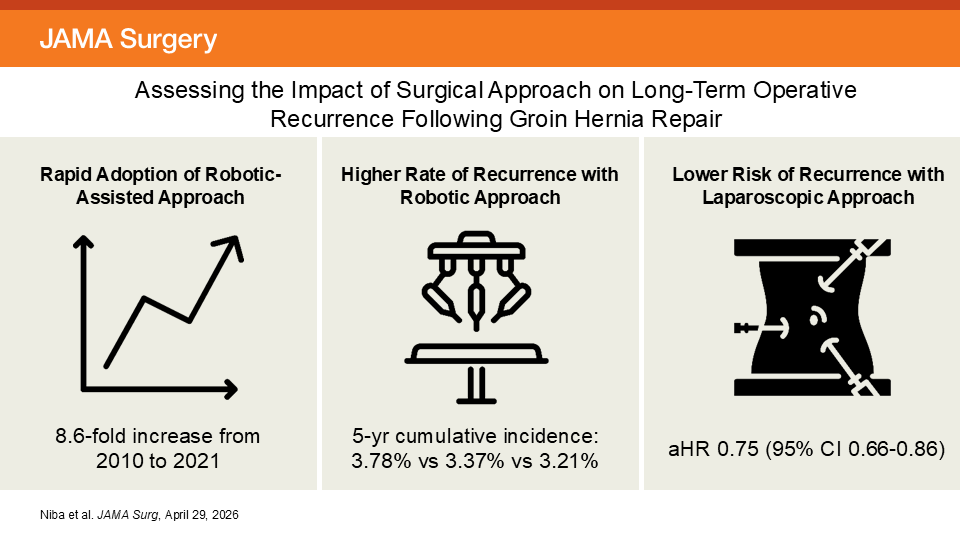
Robotic-assisted groin hernia repair was associated with a higher long-term operative recurrence rate than laparoscopic or open repair among #Medicare beneficiaries, with overall recurrence rates remaining low across all methods.
https://t.co/qY9rxbfYJS
In the STITCH trial, small-bites fascial closure for elective midline laparotomy was associated w/ reduced long-term incidence and size of incisional hernias vs large-bites closure. At 13 years, cumulative incidence and width of hernias >20 mm were lower w/ small-bites technique.
Greater familiarity between surgeons and their assisting team was associated with lower intraoperative stress, reflected by increased vagal tone. https://t.co/6pqddvFs70
Long-term PRIMA trial data show that prophylactic mesh does not increase mesh-related problems during subsequent laparotomies, supporting its durability and safety. https://t.co/1UxWNARBG7
Sobre este artículo, llevo años sosteniendo lo mismo:
Small bites es mejor que large bites para el cierre de laparotomía media.
Pero el verdadero mensaje está entre líneas: incluso en la cohorte STITCH, una población electiva de riesgo intermedio, la HI acumulada es muy alta.
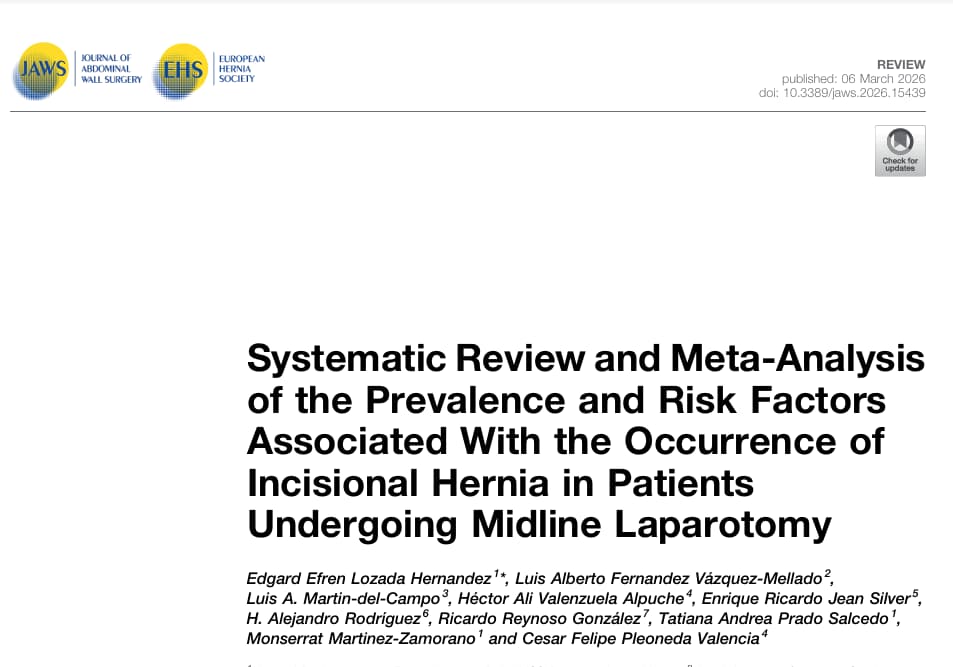
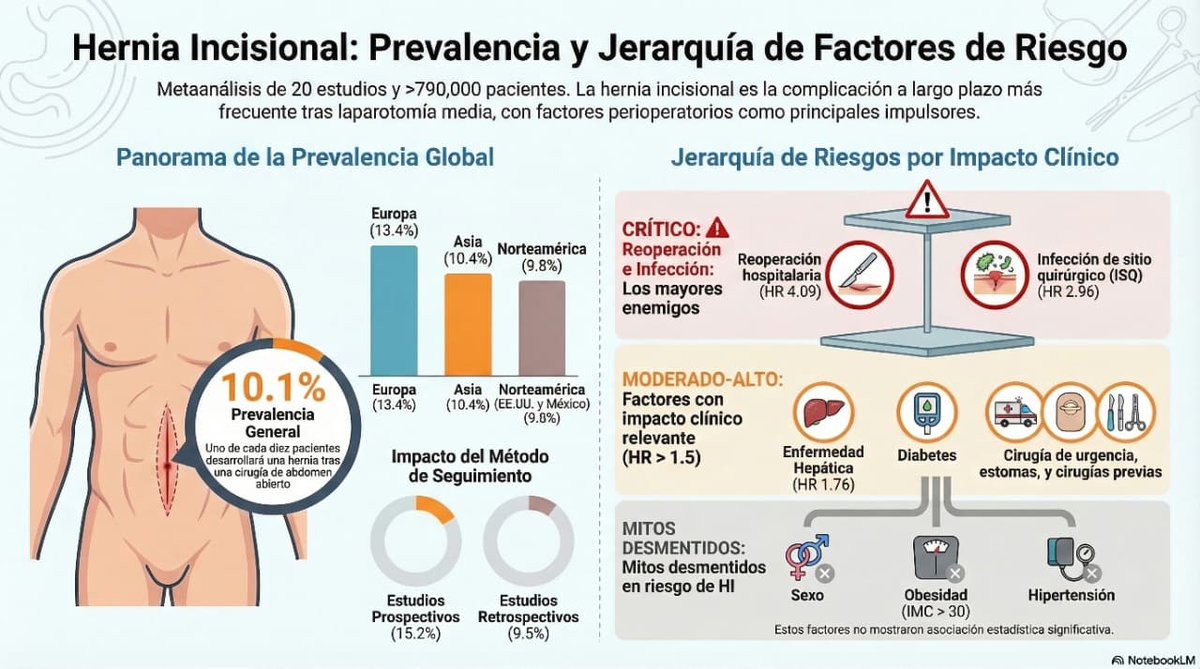
Nuestro nuevo metaanálisis sobre HI tras laparotomía media. ¿Qué tan frecuente es y qué factores realmente aumentan el riesgo de desarrollarla? Analizamos datos de casi 800,000 pacientes. La prevalencia global de HI es del 10.1%. Los mayores FR (¡Superan a las comorbilidades!).