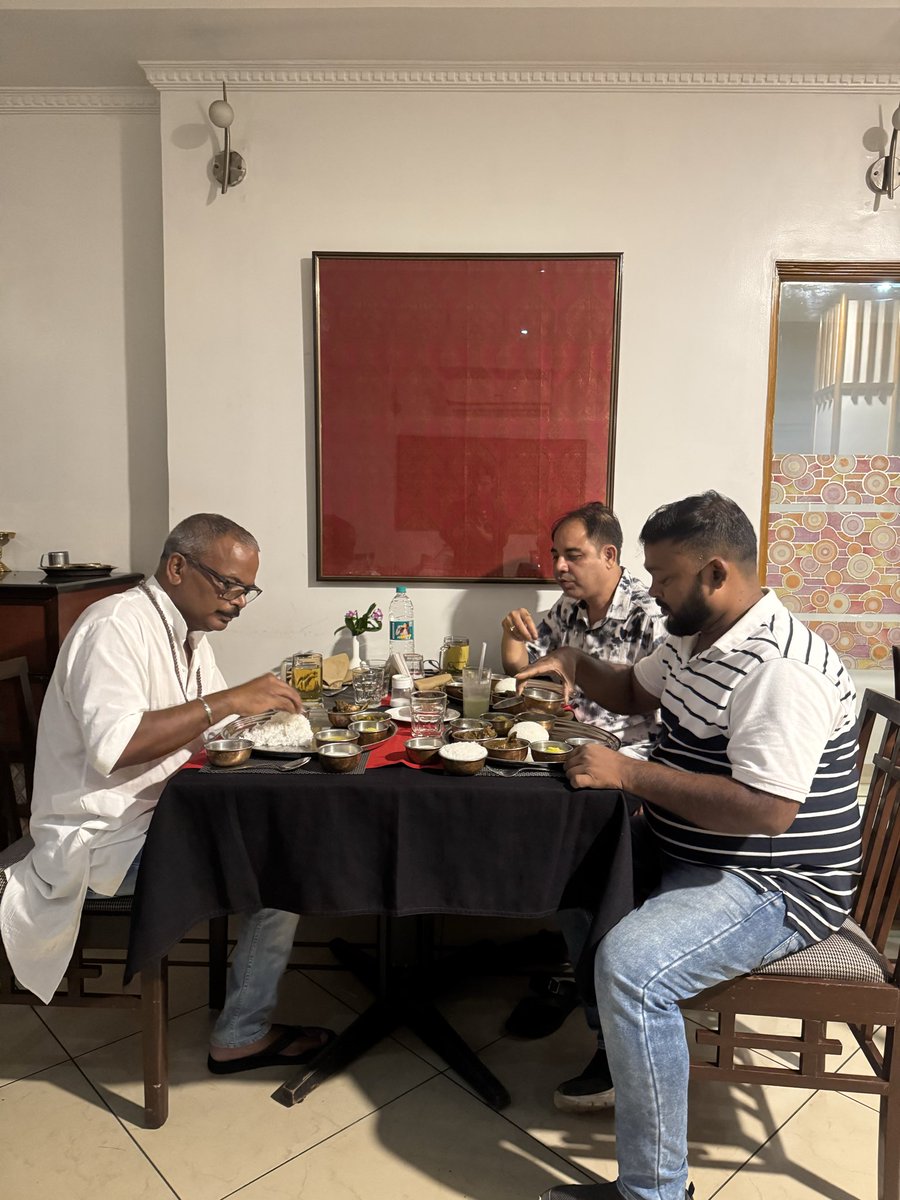
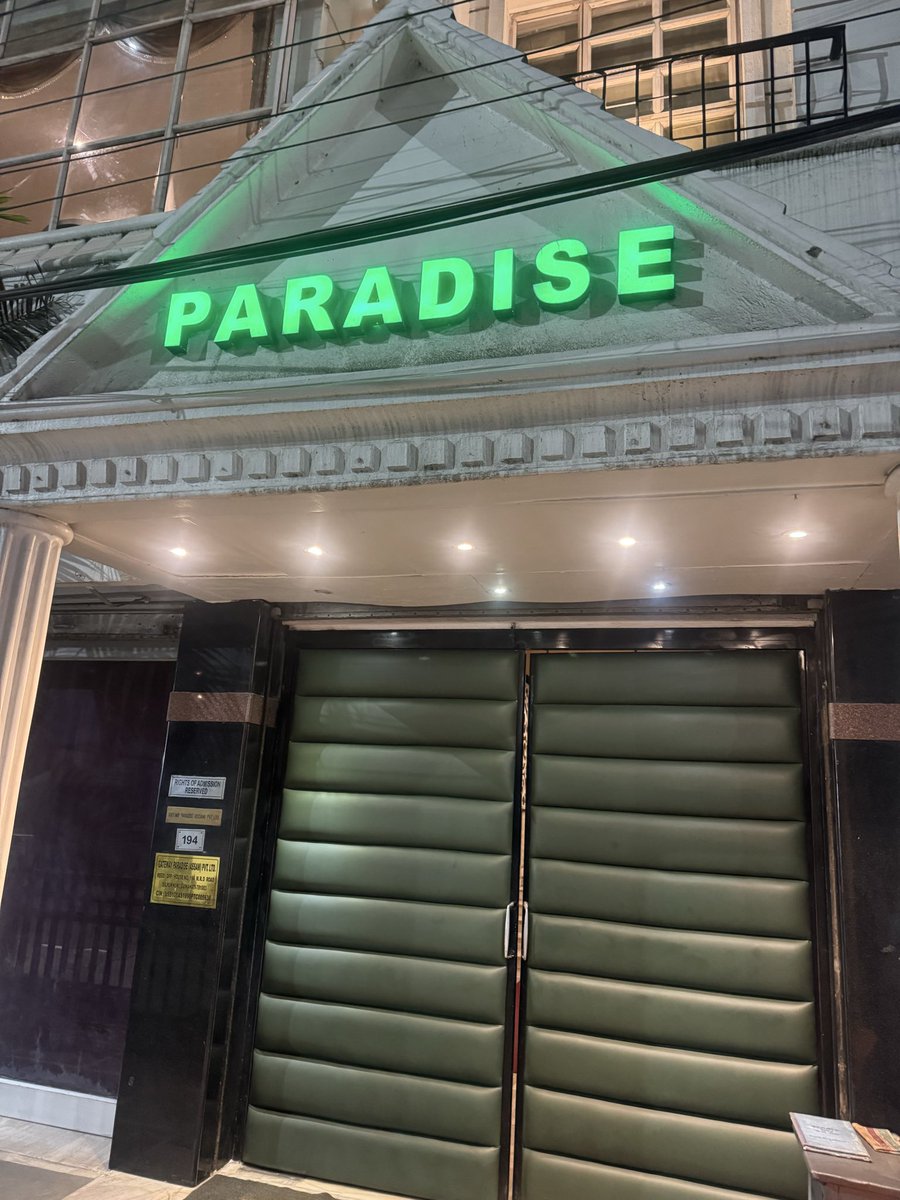
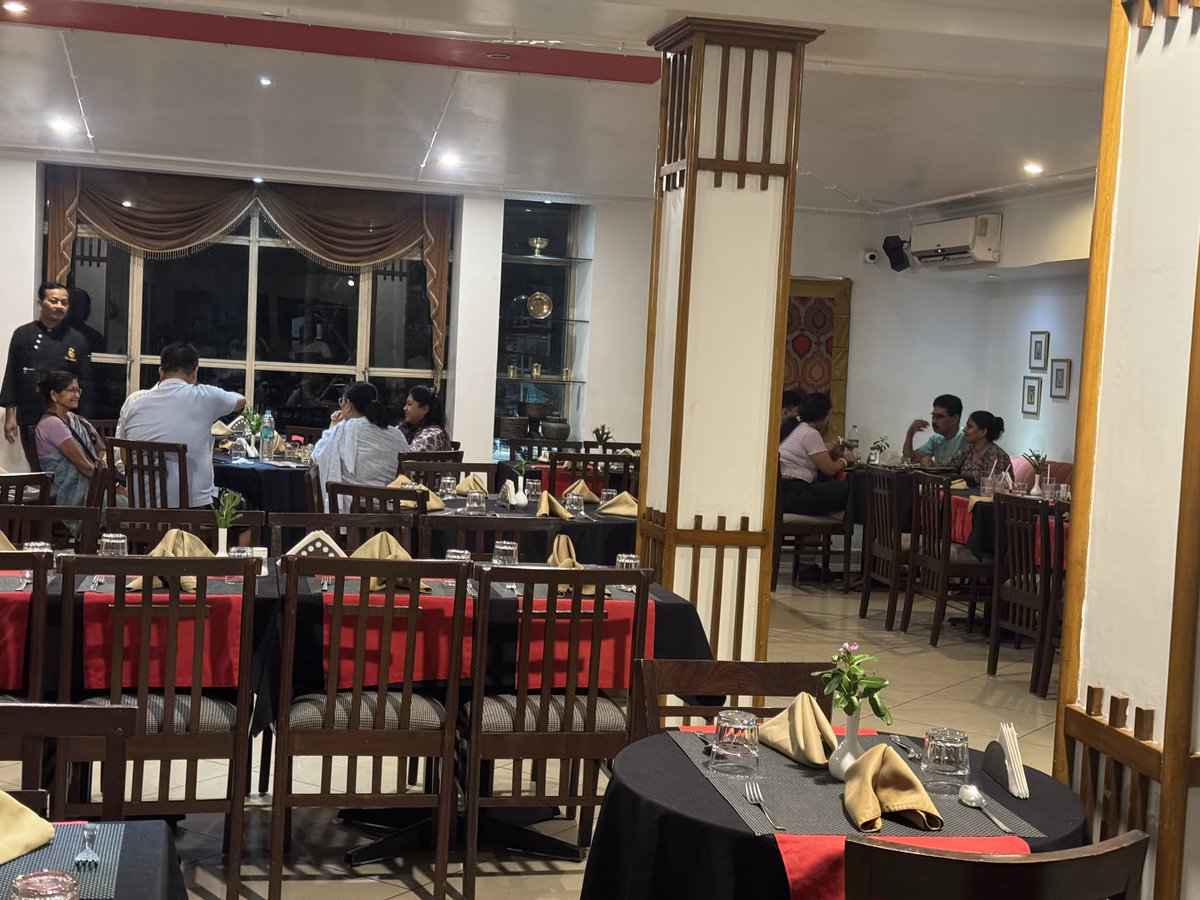
#8pm : #ParadiseHotel
পেৰাডাইচ এখন ইতিহাস প্ৰসিদ্ধ হোটেল।
অসমত পেৰাডাইচৰ যাত্ৰাৰ আৰম্ভণি হৈছিল ১৯৫১ চনত। প্ৰতিষ্ঠাপক প্ৰয়াত যতীন্দ্ৰ নাথ বেজবৰুৱাই ঘৰৰ বাহিৰত পৰম্পৰাগত অসমীয়া খাদ্য পৰিবেশনৰ এক নতুন ধাৰণাৰ শুভাৰম্ভ কৰিছিল।
শিৱসাগৰৰ পৰা আৰম্ভ হোৱা এই যাত্ৰাই যোৰহা��ত হোটেল জনতা পেৰাডাইচ আৰু হোটেল পেৰাডাইচৰ জৰিয়তে বিস্তাৰ লাভ কৰে। পিছত ১৯৮৪ চনৰ ২১ মে' তাৰিখে তেওঁৰ পুত্ৰ শ্ৰী এছ. কে. বেজবৰুৱাই গুৱাহাটীত পেৰাডাইচ ৰেষ্টুৰেণ্ট প্ৰতিষ্ঠা কৰি অসমীয়া খাদ্যক এক নতুন পৰিচয় আৰু জনপ্ৰিয়তা প্ৰদান কৰে। পৰিয়ালৰ সকলোৰে বাবেই অতি উপভোগ্য এই হোটেলত আমি গুৱাহাটীত পঢ়ি থকা অৱস্থাত প্ৰতি মাহত অন্তত: এবাৰ খোৱাতো অভ্যাস হৈ পৰিছিল । এতিয়াও সময়-সুবিধা পালে ইয়াৰ ৰুচি ল'বলৈ যাওঁ ।
Paradise is a historic landmark in Assam's culinary journey. Founded in 1951 by Late Jatindra Nath Bezbaruah, it pioneered the concept of serving traditional Assamese cuisine outside the home. The legacy reached Guwahati on 21 May 1984, when Mr. S. K. Bezbaruah established Paradise Restaurant, giving Assamese food a new identity.
It has always been one of my favourite places. During my student days in Guwahati, we made it a point to dine here at least once a month, and even today, I visit whenever I get the chance.
#Paradise #Dinner
Hooliganism by Assam BJP youth leader Abhilash Dutta on the streets of Guwahati is condemnable
Holding power is not a licence for violence
Driver physically assaulted only for overtaking his vehicle. Victim filed FIR in Police station and alleged he later received death threats
India's anti-defection law (10th Schedule) was enacted in 1985 to curb the scourge of horse-trading. As Madhav Khosla and I show in this review of anti-defection laws, corruption has merely shifted form. Open-access link: https://t.co/ZL4zrwI5aH
Featured today in The Hills Times (16.07.2025):
My article on Golap Borbora, Assam’s first non-Congress CM, reflects on his legacy as a freedom fighter, socialist leader, and a symbol of principled politics. Honoured to pay tribute on his centenary.
#GolapBorbora100
The Contradictions of Hindi in India
A Delhi reporter asks a local a question in Maharasthra. The local shoots back: “Speak in Marathi.” The reporter says he’s from Delhi. The local finally replies… in Hindi.
That, my friends, is the paradox of Hindi: half the people say they don’t want to speak it; almost everyone ends up using it when the situation demands it.
We all accept English as the language of globalisation—trade, commerce, corporate jobs, visas, LinkedIn flexing. No debate there. English is what you pull out for the boardroom and the bio-data.
Hindi is different outside the Hindi heartland states. It’s the platform ticket language. Construction site, marketplace, roadside tea stall language. It links the working class across states where English is a luxury and local languages don’t overlap.
Yes, in parts of the Northeast—Mizoram, Meghalaya—and in stretches of the South, Hindi is scarce. Fair.
But then why the apprehension where it does appear? Because Hindi isn’t coming to evict your mother tongue. Nobody in India, outside a few Hindi heartland states, is about to abandon their own language for Hindi. If anything, English is the real homewrecker there.
What Hindi actually displaces is the local lingua franca—the language people used to fall back on when they didn’t know the local tongue. Once upon a time, at the height of Assamese reach, large swathes of Arunachal used Assamese as the common bridge. Today, that bridge is increasingly Hindi. When that shift happens, the soft cultural hegemony of one community over another loosens. Dominance seeps away.
Ask around in Barak Valley: many Manipuris now choose Hindi over Bengali, not because of Bollywood patriotism, but because Hindi feels like neutral ground in a contested linguistic field.
That’s the secret superpower of Hindi in multilingual India: it’s not emotionally owned by every community, so it can be jointly rented by all.
But as Hindi scales up as the lingua franca, it drags in the psychological baggage that triggers insecurity in local politics, where people fear being culturally out-competed, out-voiced, or out-administered by the "mainland India".
Hindi is neither the villain nor the hero. It’s that awkward mediator at a family fight — nobody wants it, but everyone needs it.
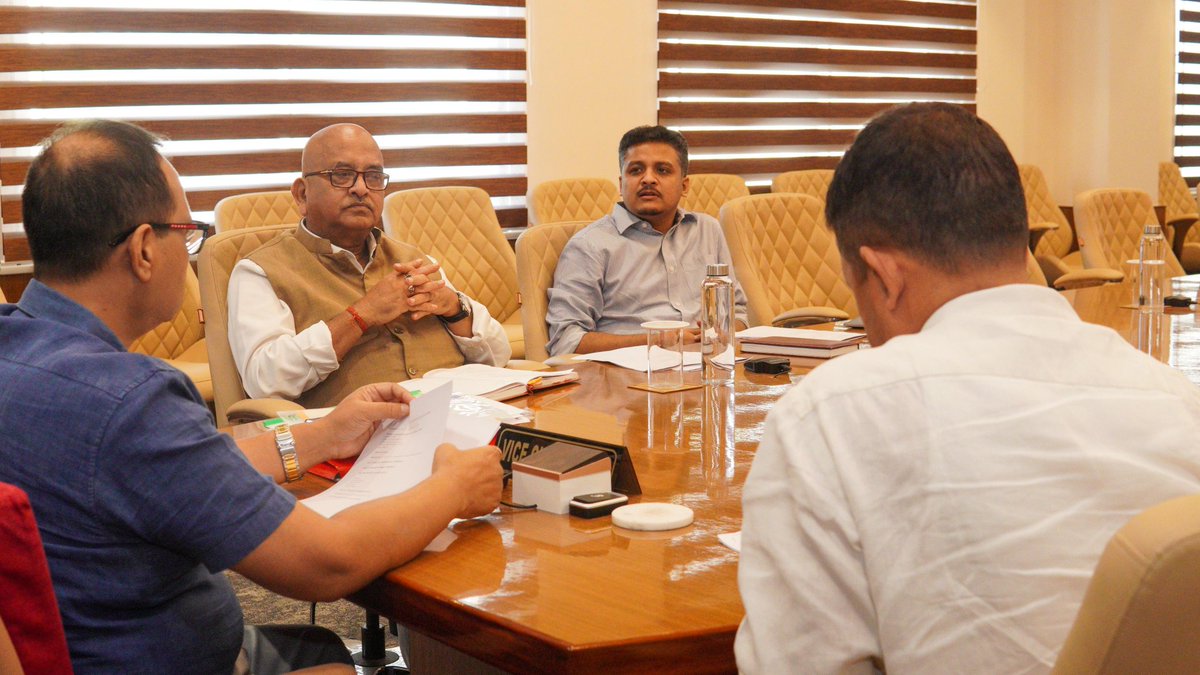
Meeting of the Committee formed by the Assam Government to prepare a souvenir on the life, politics and ideals of Golap Borbora on the occasion of his 100th Birth Anniversary.
Why do Indians spend so much to celebrate a wedding ? Francis Bloch, @SonaldeDesai and I showed (with a sample of 800 poor households from Karnataka) that the average family spends 6 times their annual income on a wedding, and it is mainly driven by a desire to signal social status. Given this, $600 million (which has been reported as the cost of the Ambani wedding) seems relatively conservative. https://t.co/BfdOYAtgyo
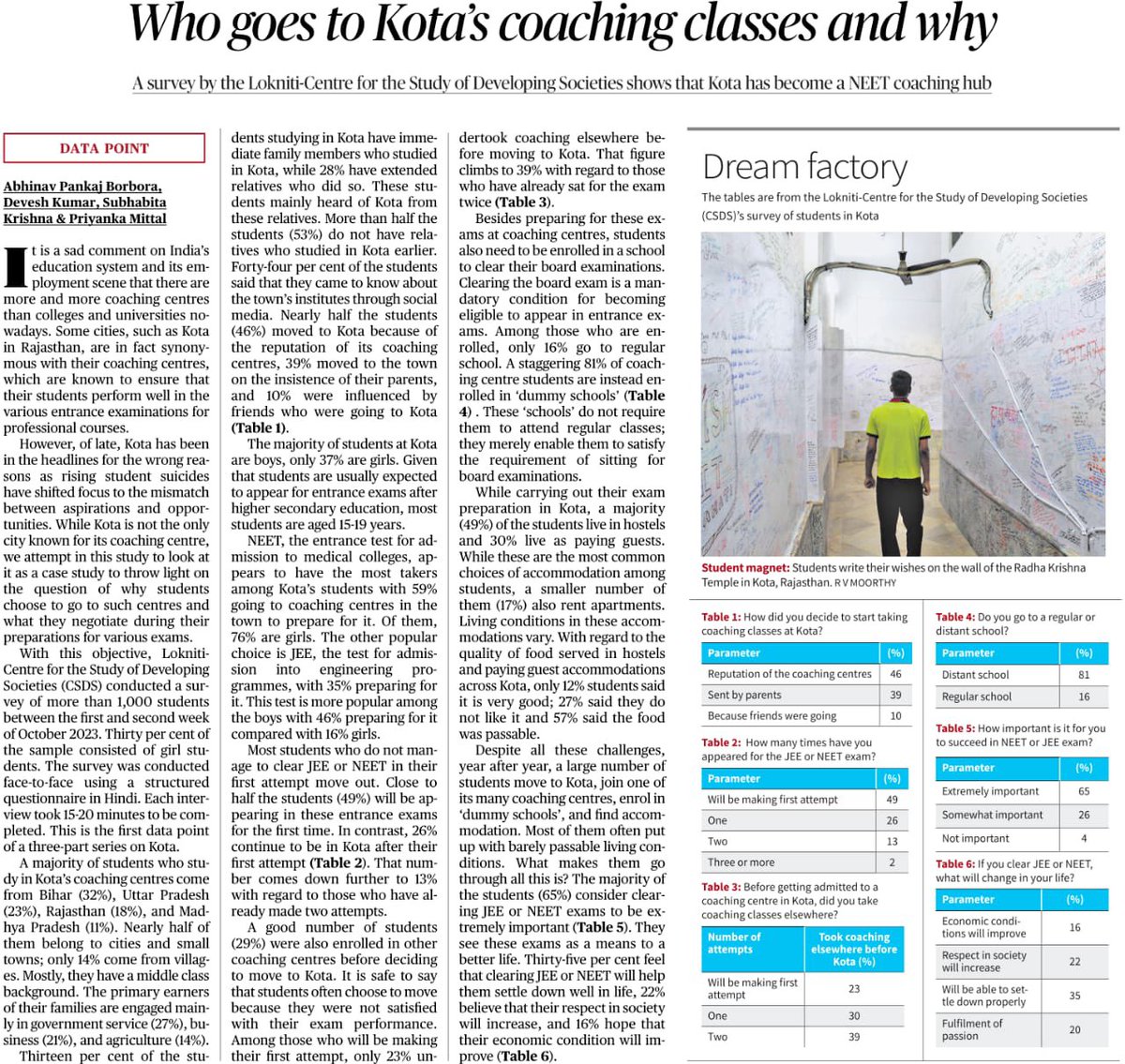
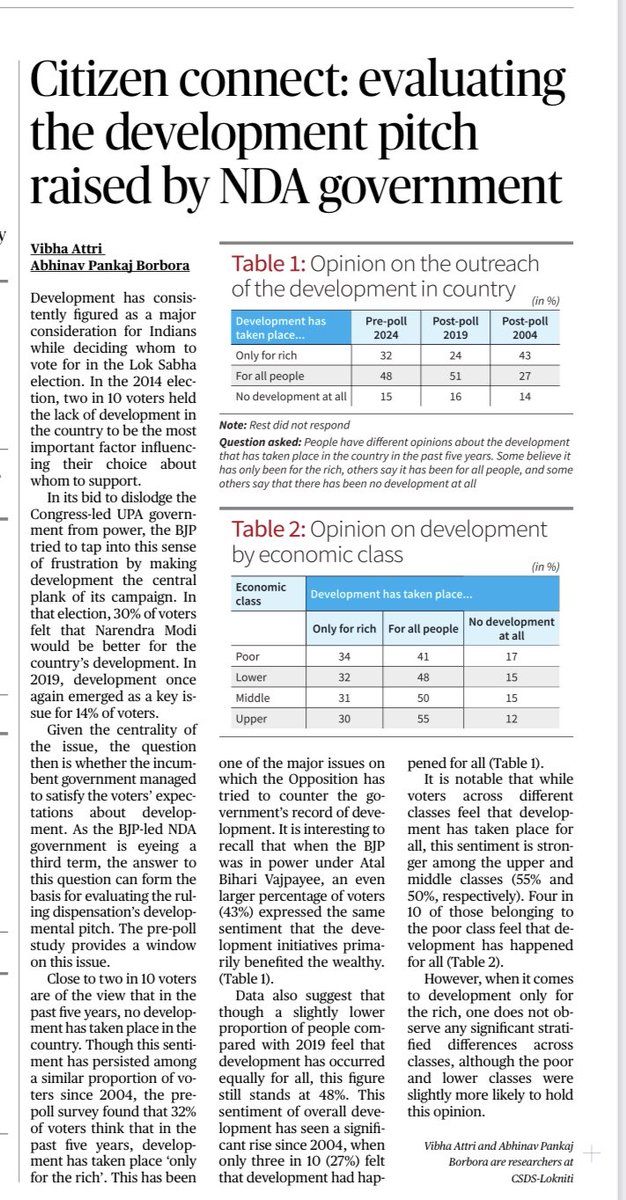
Dreams and Paper Leaks Collide: Understanding India Through the Lens of NEET and UG-NET Fiasco
Abhinav Pankaj Borbora, Nirmanyu Chouhan✍️
#Education
https://t.co/cv4B5COpU2