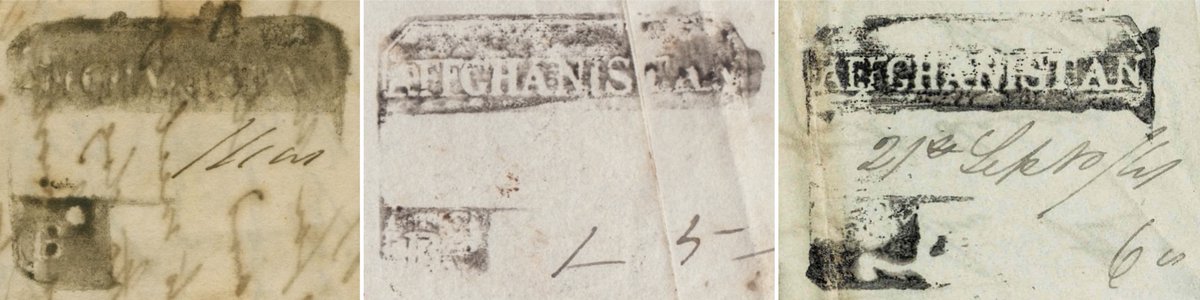
2/2 In my latest, I discuss the third letter bearing this rare mark. I was compelled to do so after the greatest existing Afghanistan collection of Camellia PLC went under the hammer last week in Zurich.
Read here: https://t.co/soKc2RImjr
1/2 For some reason, experts of Afghanistan philately, and the First Anglo-Afghan War 1838-42 think that there are just two letters existing which bear the 'AFFGHANISTAN/B' intaglio handstamp applied in 1841 in Kabul.
Why was this 'G.P.O / MADRAS / OVERLAND MAIL' stamp issued in 1867? By then, the phrase 'overland mail' was itself going obsolete.
In my article, I review existing literature, present my thoughts, and show some usages of this stamp.
https://t.co/IXsXabv7e4
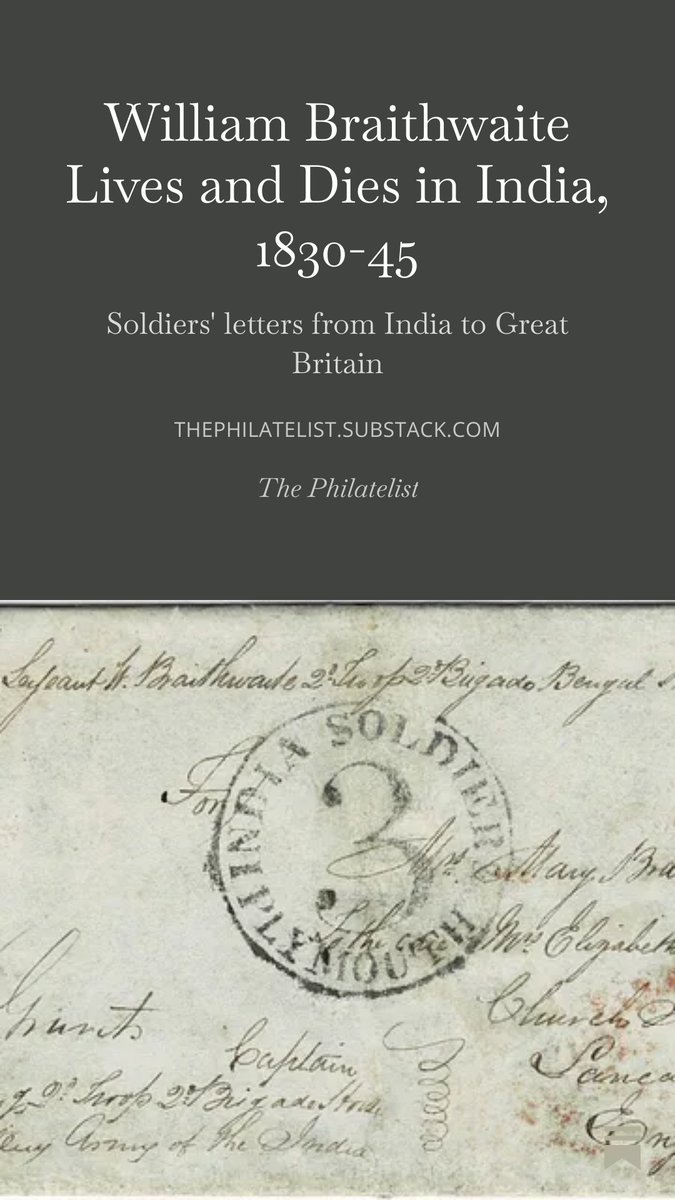
A man tries to escape lack of opportunities in England soldiers for 15 years in India.
This article discusses three of his letters written 1830, 1836, and 1839.
And the three different 'INDIA SOLDIER&c' entry handstamps applied at English ports.
https://t.co/QCEZJKwaBu
Simpson and Louis deserve a lot of kudos for their 2020 book on Victorian Great Britain Mixed Franking Covers. They got me interested in this topic.
In my latest article, I explore a 1869 'Gold Standard' mixed franking cover from GB to India.
Read more: https://t.co/6fAauZOaLM
2/2 It was written for the book 'The Royal Philatelic Society London: Activities in India' edited by Markand Dave and M.S. Santhosh, which was released at the 25th RPSL Regional Meeting at Mumbai on 21 December 2025.
1/2 My latest article seeks to investigate all papers on Indian topics published in the world's premier philatelic journal - 'The London Philatelist' - from its inception in 1892 to 2025.
https://t.co/qBtm8fRdJF
1/ My latest interview is with Chris King and it has been published in the latest Fall/Winter 2025 issue of the Philatelic Literature Review.
The multifaceted Chris King is arguably the most recognised and influential living philatelist. His candid disclosures about his life..
2/ ...and his deep insights on the hobby are a treat to read.
This almost 16,000-words comprehensive, far-reaching interview had to be cut down to about 9,500 words for print. If you are a subscriber to the PLR, you can read the print version here: https://t.co/O1Z0uegTsi.
Deep diving into both the Ps - philately and postal history - can be so much fun!
My latest blog post uses the example of the 6 pies 8 annas stamp of British India (1867-74) to illustrate how.
https://t.co/L3ynHfBx1M
My latest article is on the auction of the philatelic library of Yves Vertommen of Luxembourg held in June 2025. It can be read online.
https://t.co/iAq28pKAcv
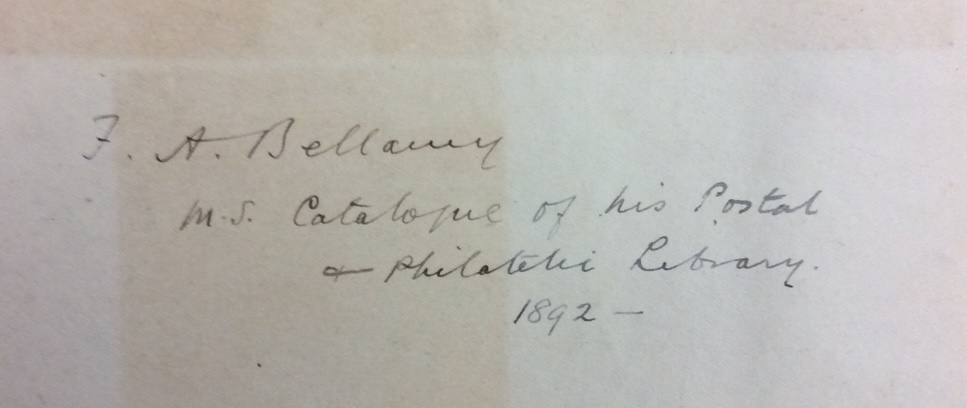
Happy to have won the 2025 Thomas F. Allen (https://t.co/SFMzduQwWx) award for the best article to appear in the PLR during the previous year. It was on one of philately's greatest bibliophiles - Frank Bellamy - and his catalog.
It can be read here: https://t.co/etL8JwOVKe
2/2 I also look at the one occasion in October 1839 when he actually justified his lofty reputation - taking Indian mails from Alexandria to Malta on the Egyptian Pasha's steamer, Generoso.
https://t.co/gS2cWc0kNG
1/2 In my latest post, I delve into the 'other side' of Thomas Waghorn, the most important personality in the development of the 'Overland Route' between the East and the West.
2/2 Why were they used? What may have caused letters bearing them to be scarce?
I specifically focus on letters from India. Read my article here: https://t.co/uz7tqHxx7O
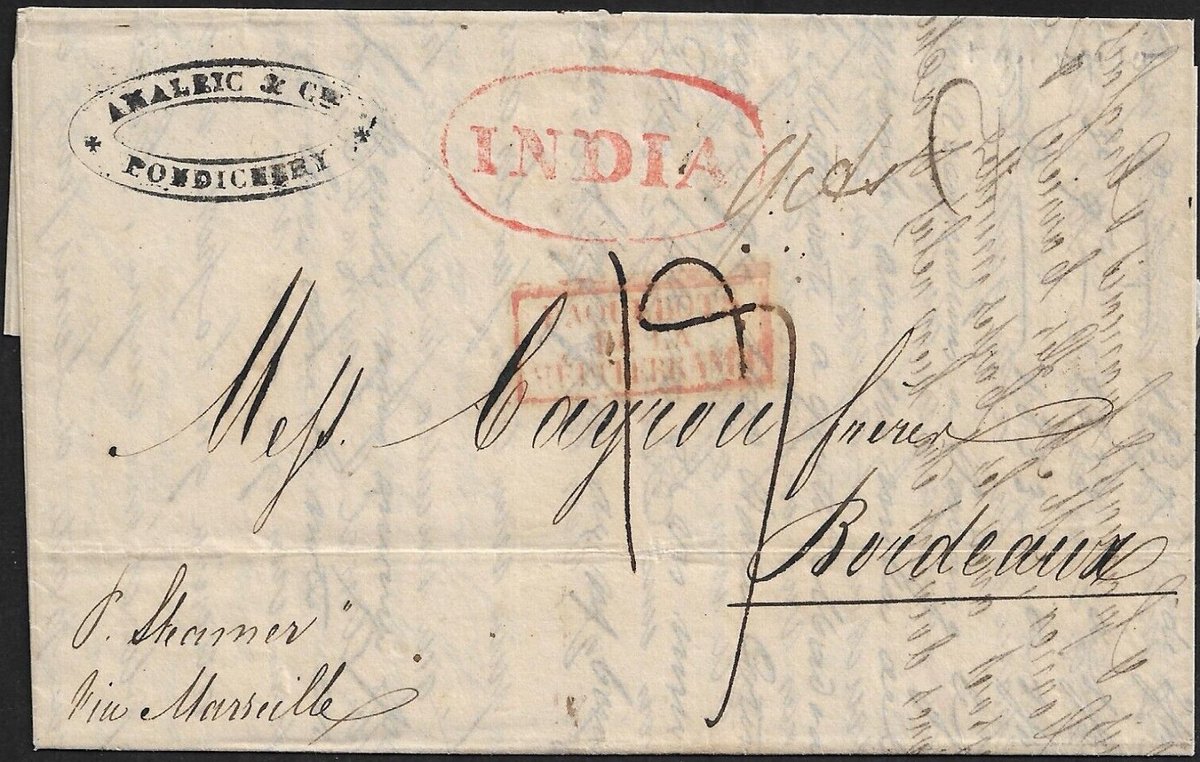
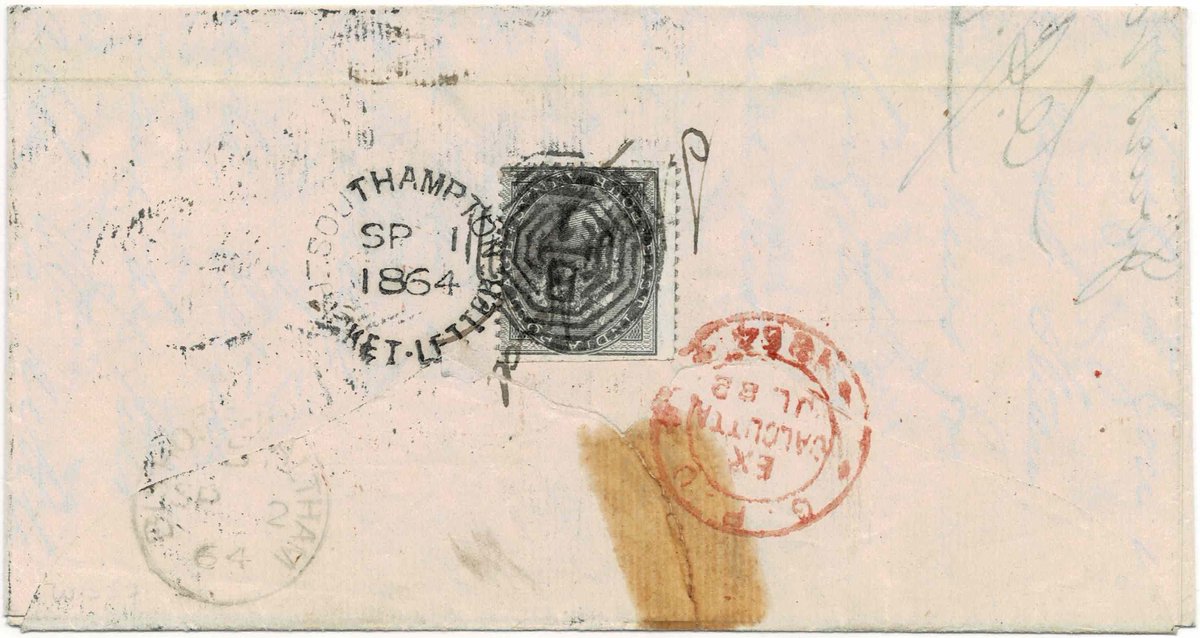
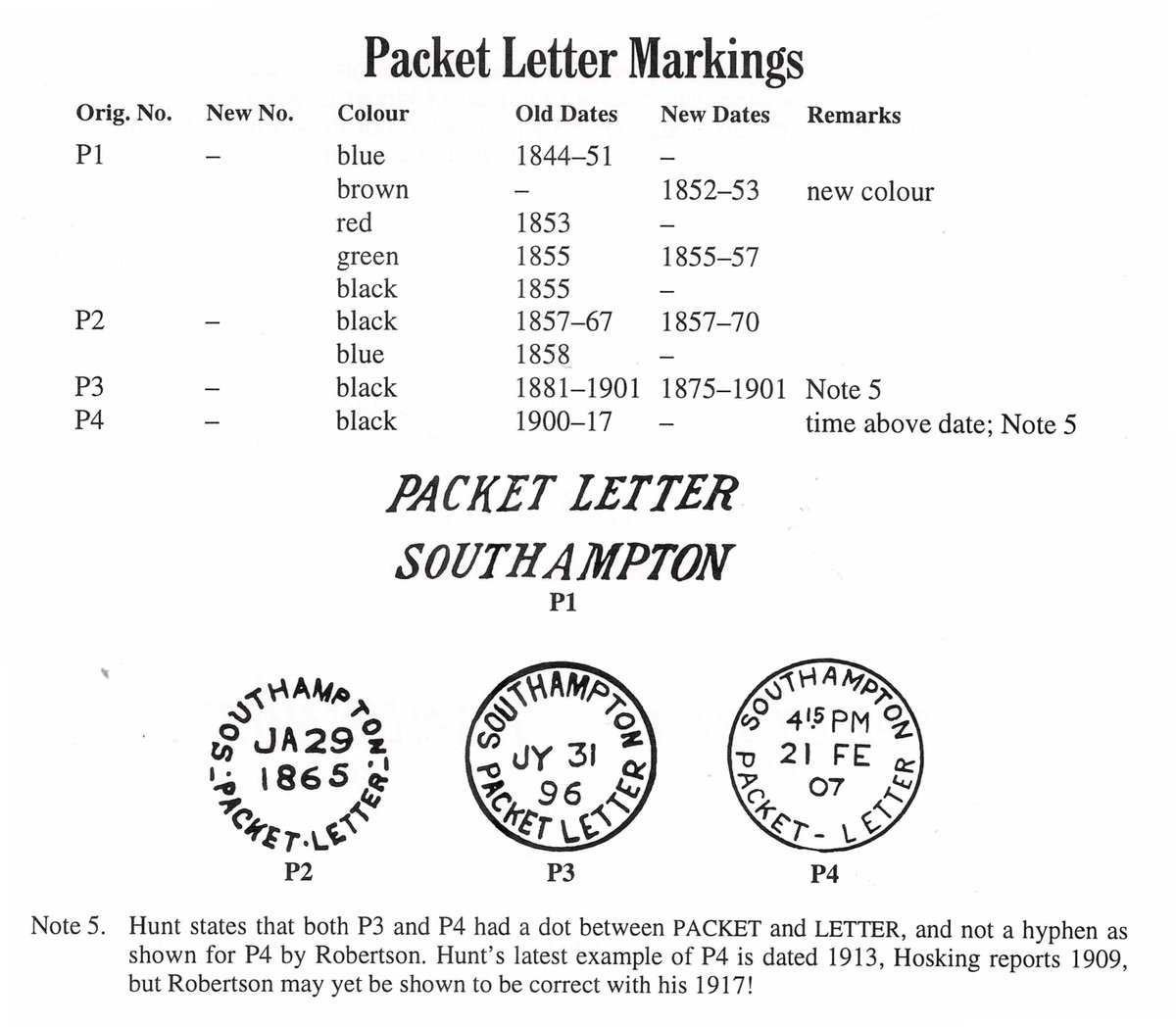
1/2 Sometimes postal historians need to theorise since there is hardly any primary data available. That's what I have done in my latest article on the Southampton Packet Letter stamp used from the mid-1840s into WWI.
@philatelyreview If I get a cover, I just cannot resist trying to improve it. Especially if the cover is not very expensive. And it's paper is thick enough.
I would use a paint brush and some water to loosen the arrow. Usually my experience says they come off without any issues.