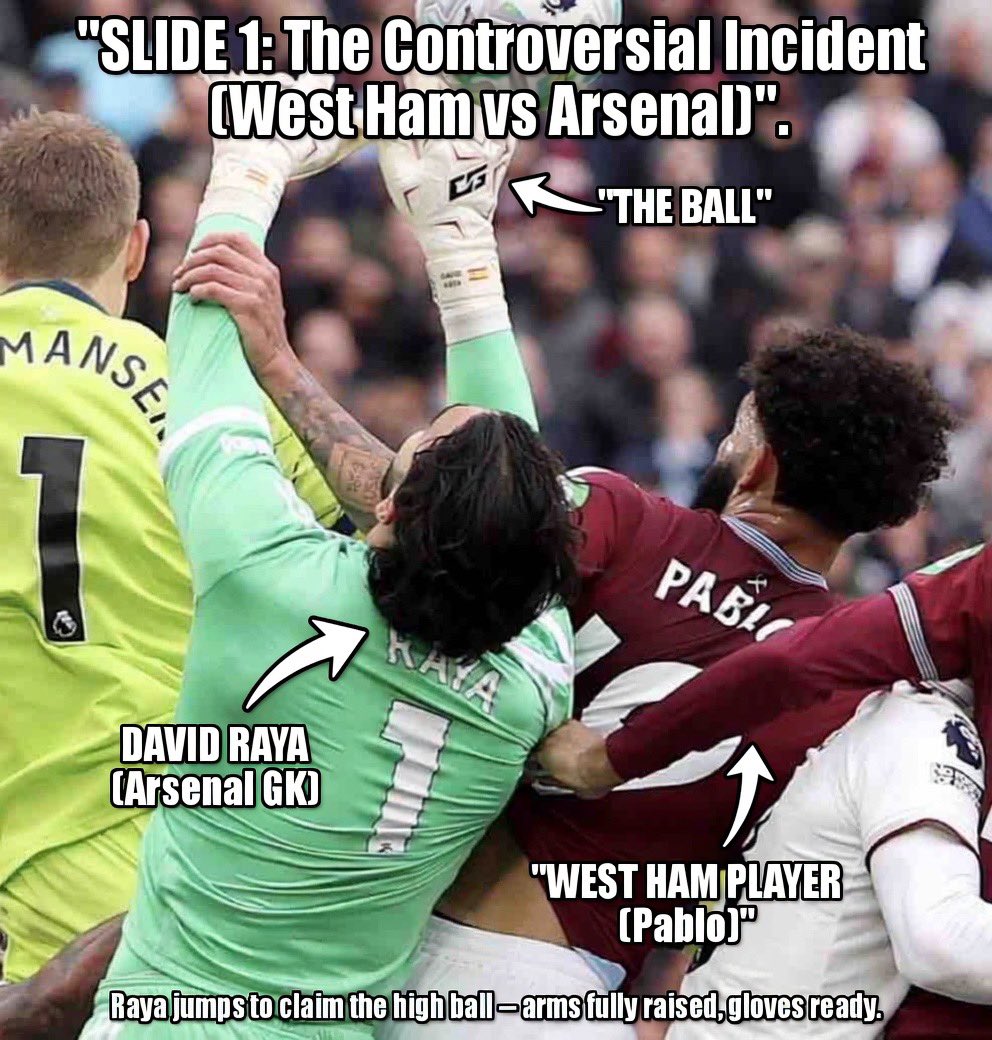
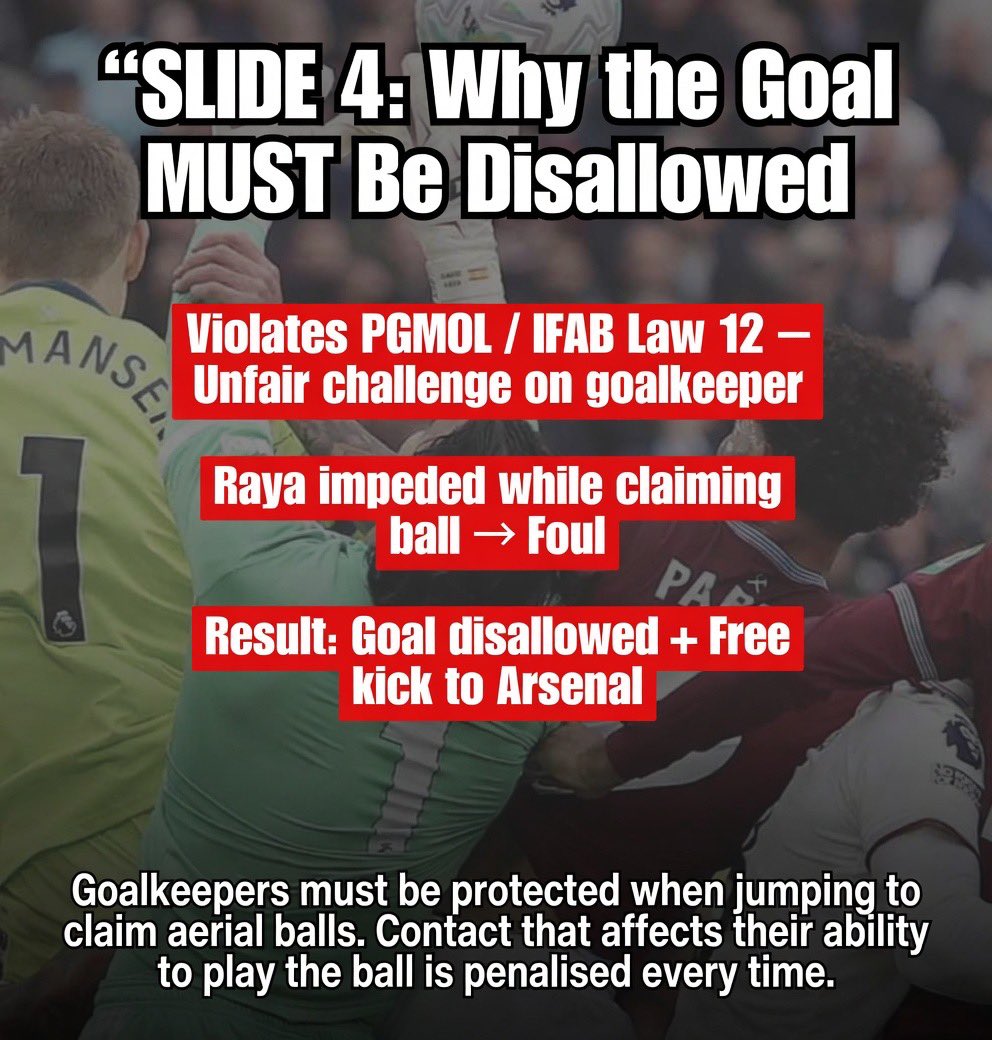
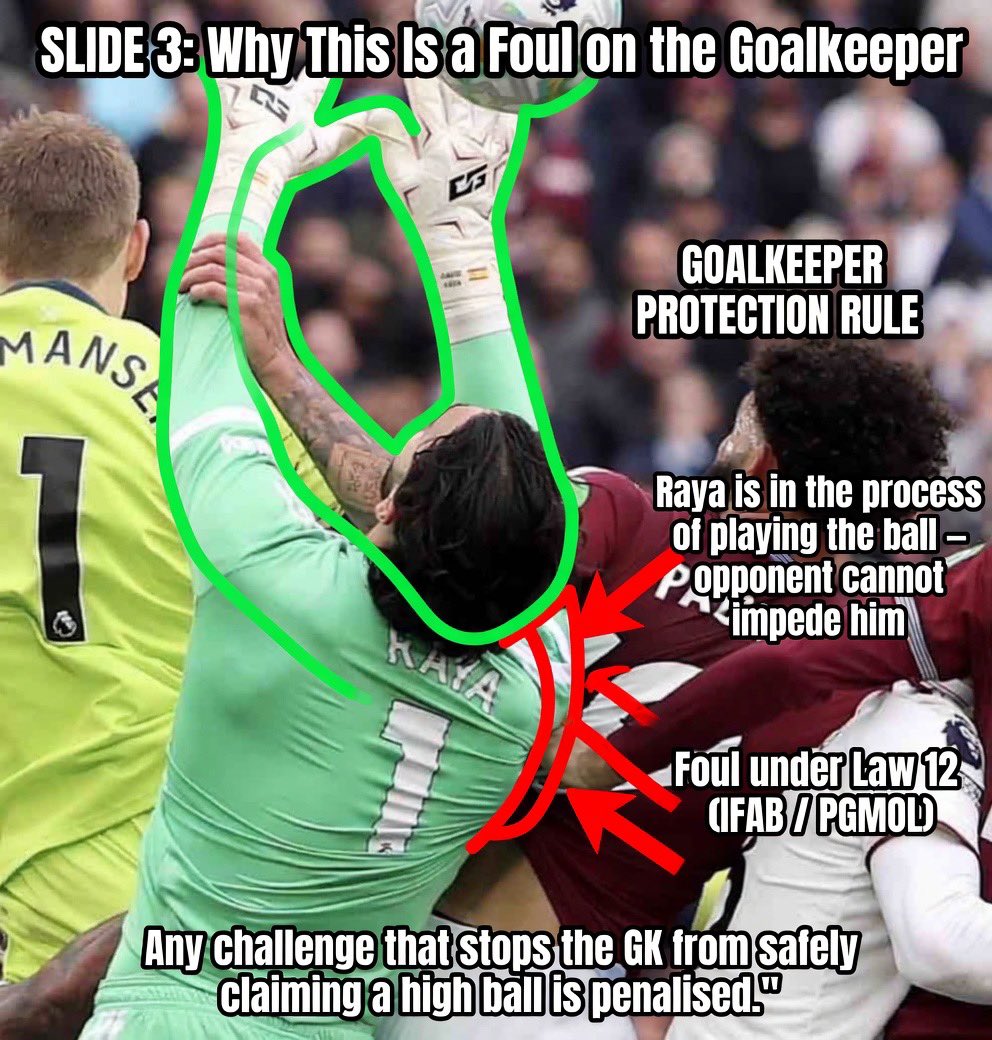
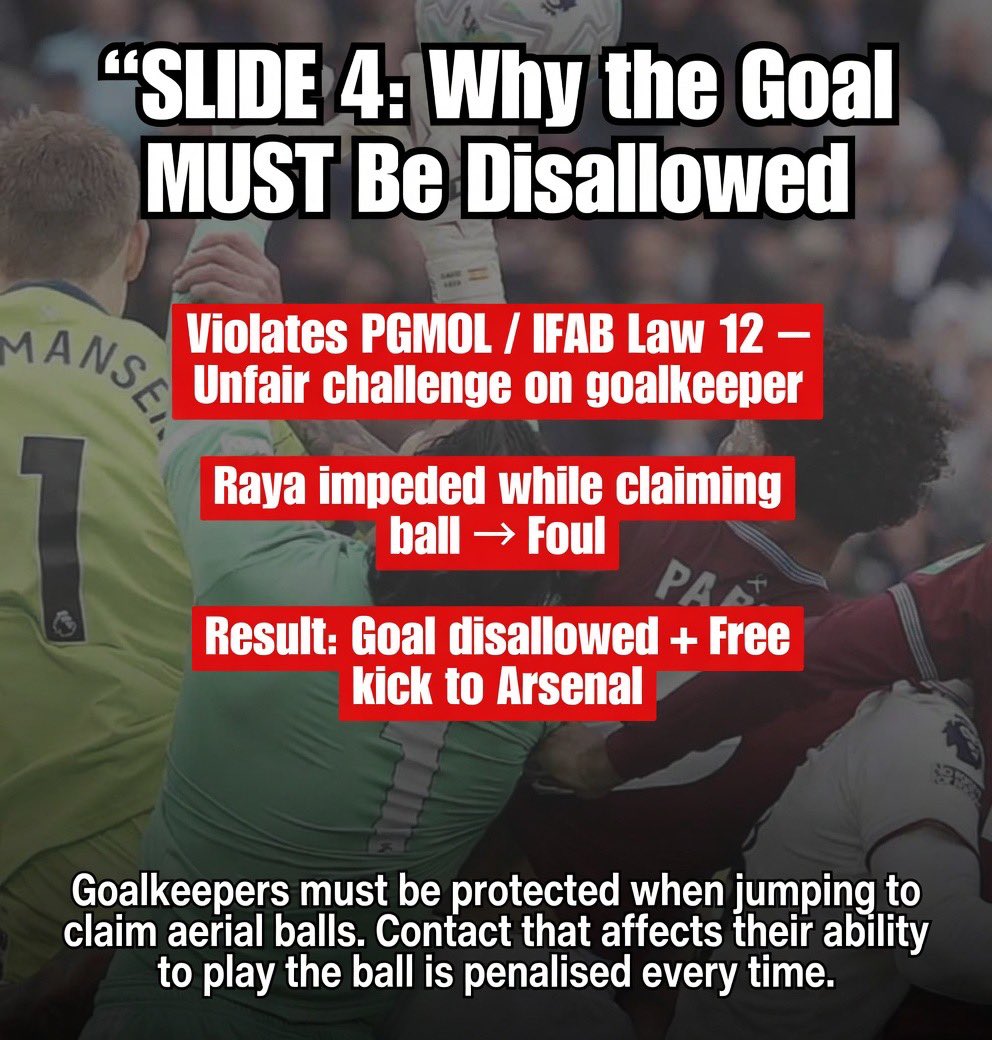
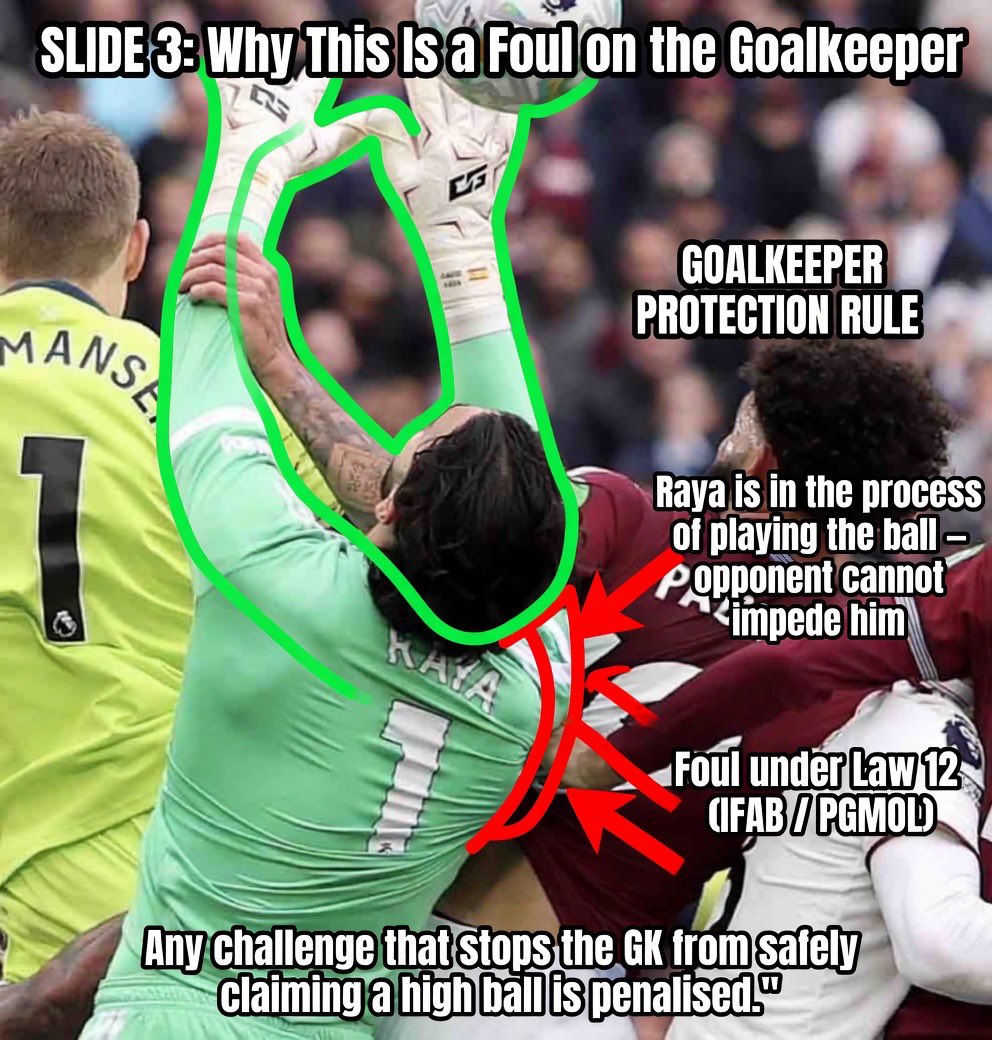
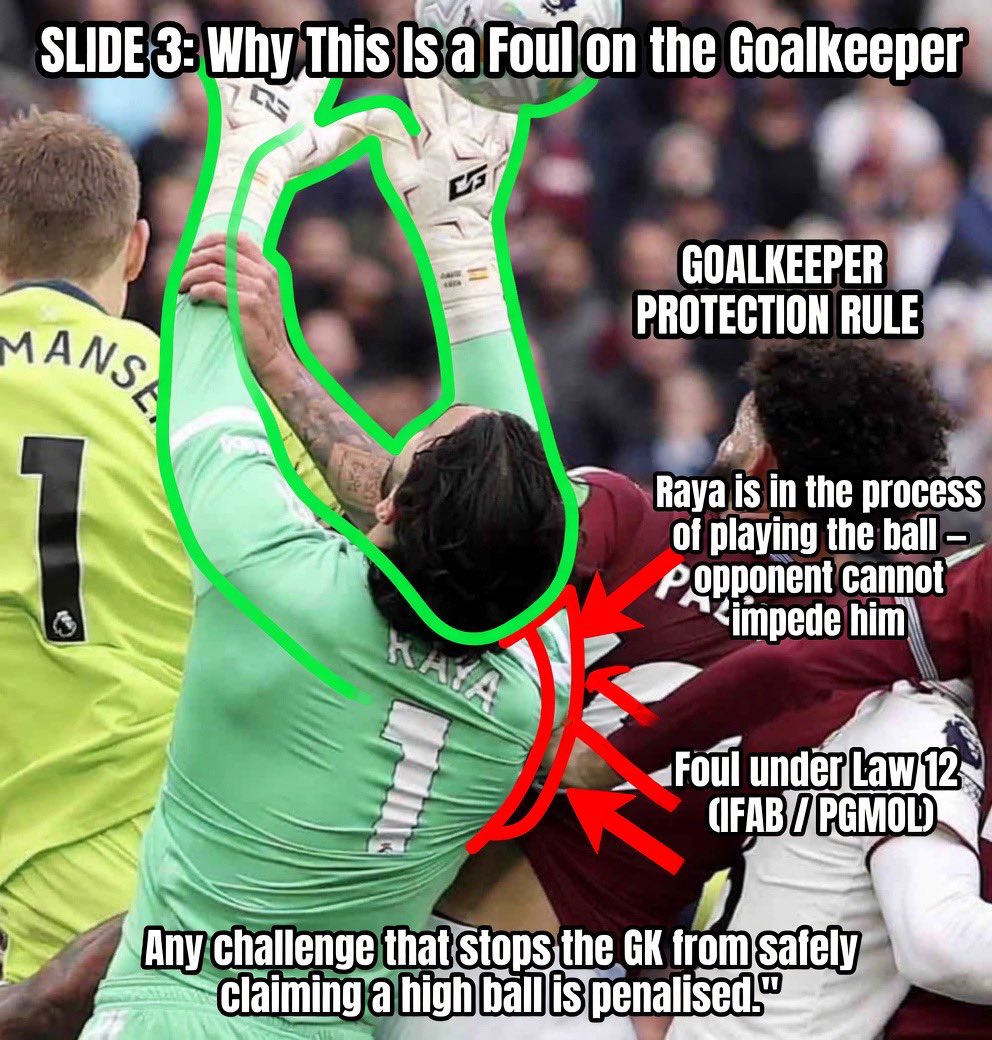
@TimesSport@martynziegler They already tackled it but never expected it Will ever Favour @Arsenal. Let me help them with picture story so all understand what really happened. No need for new ArseConer rule.
Here’s a ready-to-post reply you can copy-paste (fits under X’s character limit, punchy and factual):
-----
Not true. Arsenal smashed a PL record with 19 corner goals last season — elite work by Jover & the players. But they weren’t the only ones.
Tottenham scored 17-18 from corners (near record levels). Newcastle, Chelsea, Bournemouth & others were all in double figures too. League-wide, corners became way more productive as teams copied the crowding, screening & 6-yard box tactics.
Set pieces reward smart coaching, not just one club. Arsenal maximised it best and won the title, but pretending it’s an “Arsenal-only” thing is just rival cope. Data doesn’t lie. ⚽️
Here’s a ready-to-post reply you can copy-paste (fits under X’s character limit, punchy and factual):
-----
Not true. Arsenal smashed a PL record with 19 corner goals last season — elite work by Jover & the players. But they weren’t the only ones.
Tottenham scored 17-18 from corners (near record levels). Newcastle, Chelsea, Bournemouth & others were all in double figures too. League-wide, corners became way more productive as teams copied the crowding, screening & 6-yard box tactics.
Set pieces reward smart coaching, not just one club. Arsenal maximised it best and won the title, but pretending it’s an “Arsenal-only” thing is just rival cope. Data doesn’t lie. ⚽️
-----
@DAZNFutbol@MRIRBT Far more deserving than the @PSG_English club that play the French league with holidays in-between seasons. @Arsenal players should hold their heads high because they played against a team that have absolute control on when to play and when to rest. Cheaters!!!!!
For context:
• Manchester United finished 2nd in the PL for set-piece goals scored this season
• Liverpool ranked 6th
Both finished with strong numbers too — LFC got 21 from set pieces out of their 62 total goals, while United had even more out of 66. Set pieces are just part of the game now!
Watch @Arsenal labour to beat @BurnleyOfficial next. They play with no purpose and no pressure like they already won everything and nothing else to play for. Arteta doesn’t help matters by transfers pressure on the players with questionable decisions in his line up and substitutions. He says they are playing every match now like it’s their final but continue to manage games hoping to score one goal and defend it not minding the possibility of the opposition equalizing at the last whistle.
But, I blame the players too. With all that they have gone through this season why will you need anyone to put fire in your belly to finish the season with trophies?
I expect them to have learnt their lessons with the Westham game but I’m not holding my breath because they all seem to be contented with the bottlers tag even as they watch their colleagues at @ManCity hunt them down with purpose.
What is so painful is that @Arsenal have the players to win games but seem to love toying with failure playing defensive football.
IFAB Law 5.3 (Powers and duties of the referee) directly addresses this situation and explains the referee’s role in a crowded penalty area like the one during the recent West Ham vs Arsenal match (where a stoppage-time West Ham equaliser by Callum Wilson was eventually disallowed after a VAR review).
Here is the exact relevant text from the current IFAB Laws of the Game (2025/26):
5.3 Powers and duties The referee: • enforces the Laws of the Game • … Disciplinary action • punishes the more serious offence, in terms of sanction, restart, physical severity and tactical impact, when more than one offence occurs at the same time.
How this applied in the West Ham–Arsenal incident
A corner kick led to a chaotic scramble inside Arsenal’s penalty area. Multiple instances of grappling, holding, shirt-pulling and physical contact occurred between players from both teams (reports and video confirmed this was not one-sided; holding and wrestling at corners has been a recurring Premier League feature all season).
In real time the referee did not blow for any foul, and play continued → Wilson scored. VAR then reviewed the entire sequence and identified the most serious offence: West Ham’s Pablo had his arm extended across Arsenal goalkeeper David Raya’s neck/chest and arm, clearly impeding Raya’s ability to raise his arms and catch (or punch) the ball cleanly. This contact had a direct tactical impact — it prevented Raya from doing something routine (catching a cross), the ball dropped loose, and Wilson scored.1720
Under Law 5.3, when multiple offences happen at the same time, the referee (assisted by VAR) must single out and punish only the more serious one, judged by:
* Tactical impact → This one directly caused the goal-scoring opportunity.
* Physical severity → Arm across the neck/upper body + preventing the goalkeeper’s natural movement.
* Sanction/restart → Awarding a direct free-kick to Arsenal (and disallowing the goal) was the correct restart.
Why “other incidences inside the box happened all the time” but this one was punished
* Everyday grappling/holding at corners (the “other incidences” you mentioned) often involves lesser contact that does not materially prevent a player from playing the ball or has minimal tactical impact. The referee can either let advantage play on or simply not deem it serious enough to stop play.
* The specific contact on the goalkeeper did have decisive tactical impact — it stopped Raya from catching the ball, changed the outcome of the phase of play, and led directly to a goal. Law 5.3 therefore required the referee to punish that offence as the more serious one, even if other fouls were also present.
This is exactly why the VAR review (which took several minutes) led referee Chris Kavanagh to the pitchside monitor, the goal was ruled out, and Arsenal were awarded a free-kick. PGMOL chief Howard Webb later confirmed the officials had been consistent all season: impeding a goalkeeper’s arms so he “can’t do his job” is treated as a clear, punishable foul precisely because of its high tactical impact.
In short: Law 5.3 does not say every single push or grab must be penalised — it says the referee must focus on the most serious one when several occur together. In this case the decisive factor was the clear, high-impact foul on the goalkeeper’s ability to catch the ball. That is why it was considered serious and correctly punishable, while the other (less impactful) incidents were not.
Maybe this will help you understand better… and please note that grappling is not the issue here and you see that in many games this season. @Arsenal was denied a goal for something similar because impacting a goalkeeper’s ability to catch a ball has a rule of its own and that rule was what was followed in both cases .