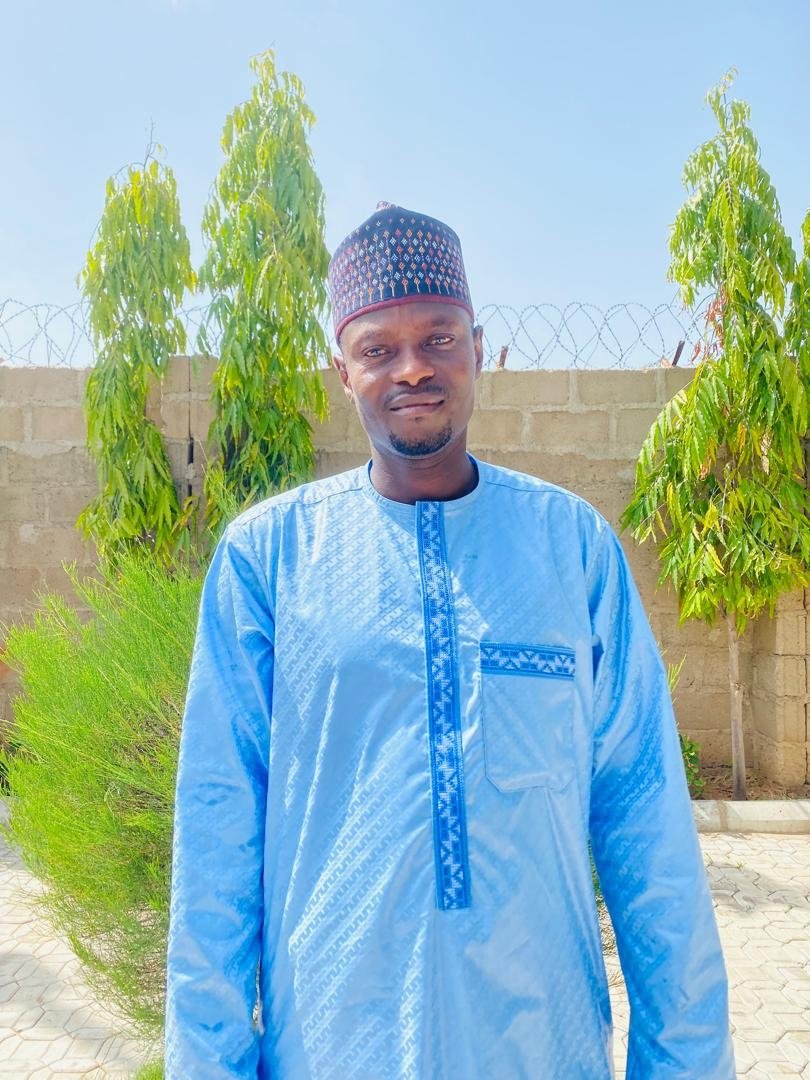
“Limamin da Yayiwa Masassuka Sallah Gawa , Bazan Bishi Sallah”
Inji Sheikh Ali
Ni Kuma Wallahi, Addu’a naga Kayiwa Masassuka Is either Na Barka a Matsayin Jahili ko Kuma Kafiri .
The ransom paradox is one of the hardest moral and policy dilemmas of our time.
The Nigerian government is right to argue that paying ransom fuels kidnapping. Every payment strengthens the business model of armed groups, finances future attacks, and puts more people at risk.
Yet the same governments rarely rescue those taken. Military rescues remain the exception, not the norm. Every day in captivity means forced labour for many men and sexual violence for many women and girls, torture, hunger, disease, and the constant fear of execution.
What, then, is a family expected to do?
Accept the principle that ransom should never be paid, while watching a loved one endure horrors that may end in death? Obey a law that prohibits payment, when that same system could neither prevent the abduction nor secure the victim's release?
For many families, the greatest burden is not poverty. It is having the means to save a son, daughter, spouse, or parent, yet being forbidden to do so.
This is the paradox. Society asks families to sacrifice the person they love today to reduce the risk to others tomorrow. It is a policy built on collective security, but borne almost entirely by individual families. Until states can reliably prevent kidnappings and consistently rescue hostages, the moral burden of banning ransom payments will remain deeply contested.
If Trump had studied the religious ideological foundation of the Iranian revolution,he wouldn’t have been wasting his time warning them of more bombs and ‘Hell’.If the killing of their Supreme leader and Children couldn’t bow them,hitting their power lines and Bridges will not.
BOMBSHELL: Iran offered to give away ALL of its enriched uranium during peace talks in Geneva. The British thought it was a credible offer. Hours later, Trump started bombing Iran anyway. The US didn't want peace, they wanted war.
Israel bombed a bank in Tehran. The IRGC responded by declaring that Israeli and U.S. banks would become legitimate targets in retaliation. Washington reacted by evacuating American banking personnel across the Middle East. In such a sequence, the immediate question is not who struck first but who bears the broader strategic consequences. Israel can claim a tactical action, yet the ripple effect forces the United States to protect a far larger financial network and regional presence..
A similar asymmetry appears in the energy domain. Israel targeted Iran’s oil depots, damaging infrastructure inside Iran. Tehran’s response, however, targets the flow of energy itself by threatening to close the Strait of Hormuz to U.S. tankers or shipments destined for the United States. While depot strikes affect Iranian assets, pressure on the Strait of Hormuz threatens a critical global chokepoint through which a large share of the world’s oil supply passes. In that equation, the strategic costs extend far beyond Iran and Israel, placing the greatest pressure on global markets and on the United States, whose economy remains deeply tied to energy stability.