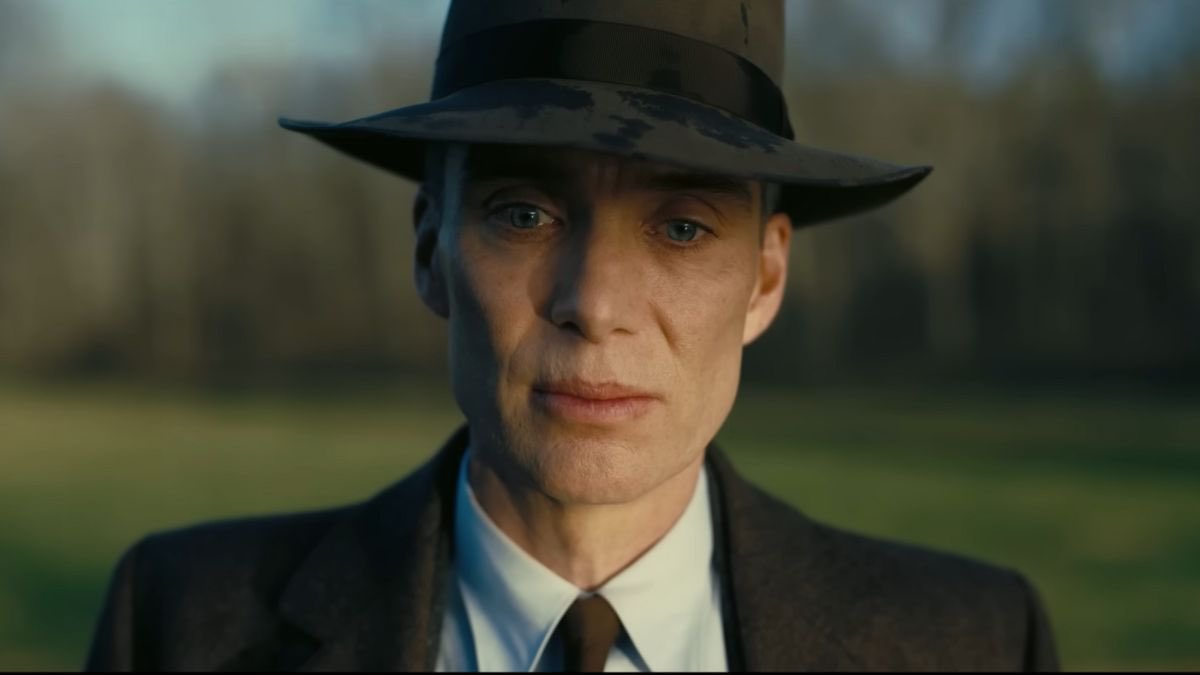
The problem with playing Cillian Murphy was that Hollywood could never fully sell him as safe.
His face looked too intelligent for most blockbusters. Too cold for romantic leads. Too fragile for action movies. Studios kept trying to place him inside familiar machinery, and the machinery kept rejecting him.
Then came 2023.
A three-hour historical drama about theoretical physics. No superheroes. No franchise. No guarantee audiences would sit through long conversations about uranium enrichment and moral guilt.
The budget reportedly approached $100 million. The marketing campaign was larger than many action films. And at the center of all of it was Murphy: gaunt, silent, hollow-eyed, carrying nearly every scene.
If the film failed, the blame would land directly on him.
That was the trap.
For nearly twenty years, Murphy had built a career out of avoiding obvious career moves. He turned down roles that would have made him conventionally famous faster. He disappeared back to Ireland between projects. He avoided Los Angeles almost entirely. Even after Peaky Blinders made him globally recognizable, he still felt less like a movie star than a highly controlled secret.
Which made Christopher Nolan’s gamble unusually dangerous.
Nolan was betting that audiences would willingly spend an evening trapped inside the mind of a physicist who spends most of the movie talking, thinking, smoking, and slowly realizing he helped build a machine capable of ending civilization.
Not an action hero.
Not a charismatic billionaire.
A haunted administrator.
And Murphy understood the risk immediately.
The role demanded weight loss. Isolation. Endless dialogue. Complex scientific language delivered with absolute precision. But the real danger was subtler than that. The movie depended on whether audiences could tolerate watching intelligence become self-destructive in slow motion.
Murphy couldn’t play the character as a genius statue.
He had to play him as a man whose own success was poisoning him.
That changes everything.
During production, people around the film described Murphy as almost monastically focused. He reportedly consumed the role to an unhealthy degree. Co-stars joked that he stopped socializing. Emily Blunt later described him as carrying “an enormous burden.” The camera stayed close to his face for much of the movie because Nolan believed the performance itself was the special effect.
That is an insane amount of pressure.
Most actors are protected by pacing, subplots, action sequences, or ensemble casts. Murphy had nowhere to hide. If his performance drifted even slightly toward pretension, the entire movie could collapse under its own seriousness.
And there were reasons to think it might.
The entertainment industry had trained audiences to expect speed, noise, irony, and constant payoff. This film moved in dense conversations, moral ambiguity, and bureaucratic paranoia. Executives elsewhere were spending hundreds of millions trying to reduce risk through intellectual property and nostalgia.
Nolan and Murphy instead made a film where the climax is essentially a security hearing.
On paper, that sounds commercially suicidal.
Then the reversal happened.
The tension became the attraction.
Audiences leaned into the anxiety instead of resisting it. Murphy’s restraint made the character feel more dangerous. He played Oppenheimer less like a triumphant inventor and more like a man watching his own decisions spread beyond his control. The stillness worked because it felt barely contained.
The movie made nearly a billion dollars worldwide.
Murphy won the Academy Award.
And the irony was brutal.
After spending decades refusing the normal path to movie stardom, he finally became a global leading man by playing someone who realizes too late that the thing he built cannot be controlled anymore.
The problem with playing Cillian Murphy was that Hollywood could never fully sell him as safe.
His face looked too intelligent for most blockbusters. Too cold for romantic leads. Too fragile for action movies. Studios kept trying to place him inside familiar machinery, and the machinery kept rejecting him.
Then came 2023.
A three-hour historical drama about theoretical physics. No superheroes. No franchise. No guarantee audiences would sit through long conversations about uranium enrichment and moral guilt.
The budget reportedly approached $100 million. The marketing campaign was larger than many action films. And at the center of all of it was Murphy: gaunt, silent, hollow-eyed, carrying nearly every scene.
If the film failed, the blame would land directly on him.
That was the trap.
For nearly twenty years, Murphy had built a career out of avoiding obvious career moves. He turned down roles that would have made him conventionally famous faster. He disappeared back to Ireland between projects. He avoided Los Angeles almost entirely. Even after Peaky Blinders made him globally recognizable, he still felt less like a movie star than a highly controlled secret.
Which made Christopher Nolan’s gamble unusually dangerous.
Nolan was betting that audiences would willingly spend an evening trapped inside the mind of a physicist who spends most of the movie talking, thinking, smoking, and slowly realizing he helped build a machine capable of ending civilization.
Not an action hero.
Not a charismatic billionaire.
A haunted administrator.
And Murphy understood the risk immediately.
The role demanded weight loss. Isolation. Endless dialogue. Complex scientific language delivered with absolute precision. But the real danger was subtler than that. The movie depended on whether audiences could tolerate watching intelligence become self-destructive in slow motion.
Murphy couldn’t play the character as a genius statue.
He had to play him as a man whose own success was poisoning him.
That changes everything.
During production, people around the film described Murphy as almost monastically focused. He reportedly consumed the role to an unhealthy degree. Co-stars joked that he stopped socializing. Emily Blunt later described him as carrying “an enormous burden.” The camera stayed close to his face for much of the movie because Nolan believed the performance itself was the special effect.
That is an insane amount of pressure.
Most actors are protected by pacing, subplots, action sequences, or ensemble casts. Murphy had nowhere to hide. If his performance drifted even slightly toward pretension, the entire movie could collapse under its own seriousness.
And there were reasons to think it might.
The entertainment industry had trained audiences to expect speed, noise, irony, and constant payoff. This film moved in dense conversations, moral ambiguity, and bureaucratic paranoia. Executives elsewhere were spending hundreds of millions trying to reduce risk through intellectual property and nostalgia.
Nolan and Murphy instead made a film where the climax is essentially a security hearing.
On paper, that sounds commercially suicidal.
Then the reversal happened.
The tension became the attraction.
Audiences leaned into the anxiety instead of resisting it. Murphy’s restraint made the character feel more dangerous. He played Oppenheimer less like a triumphant inventor and more like a man watching his own decisions spread beyond his control. The stillness worked because it felt barely contained.
The movie made nearly a billion dollars worldwide.
Murphy won the Academy Award.
And the irony was brutal.
After spending decades refusing the normal path to movie stardom, he finally became a global leading man by playing someone who realizes too late that the thing he built cannot be controlled anymore.
A year earlier, Yan Ziyi was too young to compete at the Olympics. One day after turning 18, she threw a javelin 71.74 meters - farther than almost every woman in history.
The trap was absurd: she was already good enough to scare the world’s best athletes, but international rules locked her out anyway. While veterans chased medals in Paris, China kept training a teenager who could already throw past them.
Then the restriction disappeared.
Her first major throw as an adult didn’t just win. It detonated. Seventy-one meters means the javelin lands almost three-quarters the length of a football field away - a distance that changes how competitors warm up, how coaches panic, how finals collapse before they begin.
Now the irony: the world spent years protected from Yan Ziyi by paperwork. The day that protection expired, history arrived immediately.
A day after turning 18, China’s Yan Ziyi launched a massive 71.74m throw to become the second-best women’s javelin thrower in history.
Despite being among the world’s best, she was previously barred from the Olympics and World Championships due to age restrictions.
The train was already too fast. Then Japan tried to make it disappear into a tunnel at 330 kilometers per hour.
Engineers noticed the problem by accident. Every time the prototype exited a tunnel, a shockwave exploded out the other side like artillery fire. Windows rattled miles away. People thought something had detonated underground.
The trap was physics. A 400-meter train entering a narrow tunnel at near-supersonic pressure behaves like a syringe forcing air through a needle. The faster the train moved, the worse the explosion became. Japan wanted silence, speed, and perfect punctuality simultaneously. The three goals were starting to cancel each other out.
Then an engineer obsessed with birds noticed something strange. Kingfishers dive from air into water with barely a splash because of their long beaks. He redesigned the train’s nose the same way — stretched, narrow, almost absurdly long.
Critics thought it looked ridiculous. It worked immediately.
The “boom” vanished. Energy use dropped. Speed increased.
One of the fastest trains on Earth was ultimately shaped by a bird trying not to make noise while hunting fish.
Nobody expected a $750,000 horror film made by YouTubers to survive opening weekend. Then OBSESSION crossed $50 million domestic, and suddenly talk of the Hollywood
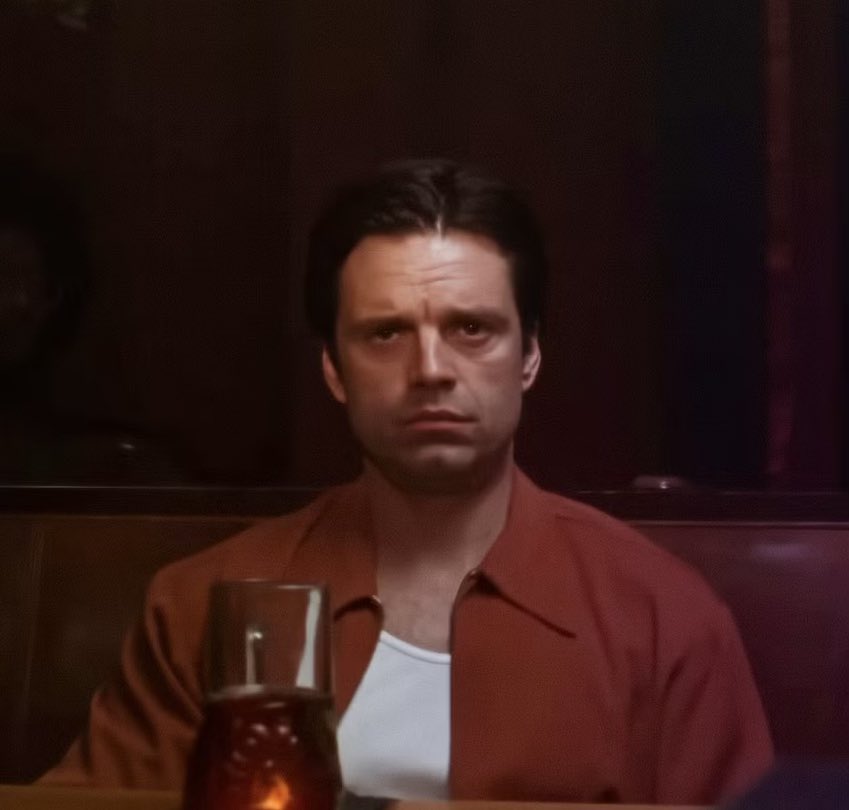
Sebastian Stan teases his role in ‘THE BATMAN: PART 2’, saying that he will play “many roles in this one.”
“‘I’m excited, I’m nervous and trying to keep surprising myself,’ he says of taking on Two-Face and working with hair & makeup teams who have devised how his disfigurement will look.”
(Source: Deadline)
Sebastian Stan about his role in ‘THE BATMAN: PART 2’, - I will play “many roles in this one.”
“‘I’m excited, I’m nervous and trying to keep surprising myself,’ he says of taking on Two-Face and working with hair & makeup teams who have devised how his disfigurement will look.”