The IMF has asked Pakistan to share the information about the idle capacity payments made to all power plants in five years aimed at determining the real positive impact of the government's drive for renegotiating the energy deals on the electricity prices.https://t.co/Udakb8FgJH
Reforming the #energy sector's #tariff regime could hold the key to mitigating Pakistan's #power woes.
@rogueonomist unpacks the impact of the budget on the sector.
Watch @pakistonomy to learn more. 👇
https://t.co/PmJtsPeI7T
1/2
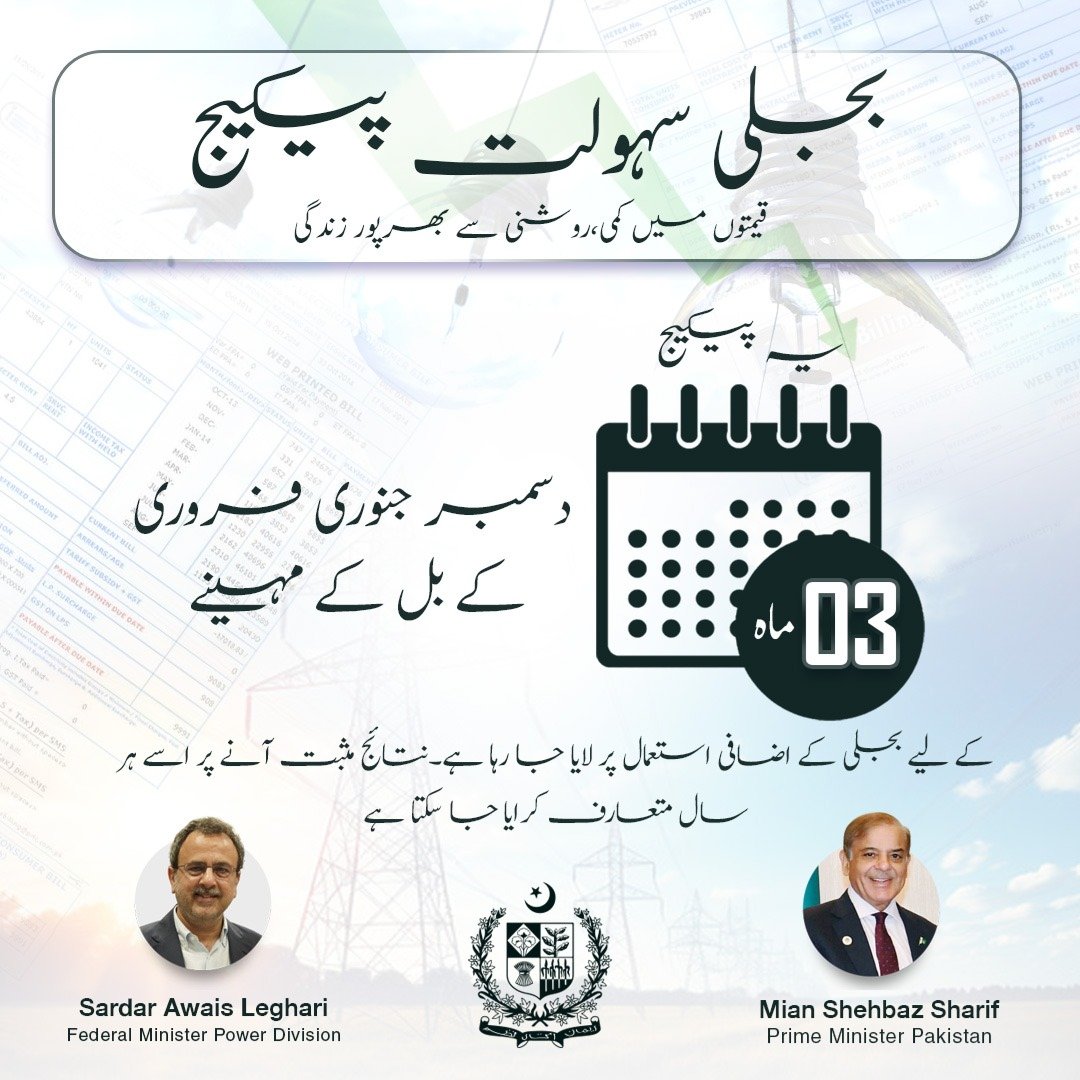
وزارت توانائی، حکومت پاکستان کا بجلی کے اضافی استعمال پر خصوصی رعایتی پیکج!
اب گھر، صنعت اور کاروبار سب بجلی کے اخراجات میں بچت کے ساتھ ترقی کی راہ پر۔
An informal survey in Karachi shows that a 10-kW system with two 5 kW storage batteries costs around PKR 1.5 million, including all expenses. Battery prices have nearly halved in the last year, making peak load shaving economically viable.
This system can generate about 42 units of electricity in a day on average in Karachi, with the majority being available for net metering or self-consumption. If we extrapolate this to the year, it translates it to savings of about PKR 800,000, allowing for a system payback period of less than two years. Larger systems would have an even shorter payback period.
The useful life of panels is about 20 years, so it appears that a solar customer is gaining 10x on their investment over the useful life of their panels. The battery life is claimed at 5000 cycles. However, considering it is at 4000 cycles, the life is of 10 years, and this gives 5x return on battery investment.
As battery prices continue to fall, reduced buyback rates in line with global trends may still be offset by increased self-consumption. This would help mitigate cost-shifting effects on lower-income electricity users who depend on cross-subsidies to keep rates affordable.
https://t.co/9xihASA3SB
Renewables 2024 is out! 📢
It shows the world’s renewable power capacity is on course to surge over the rest of this decade.
Global additions from now to 2030 are set to match the current power capacity of China, India, the EU & the US combined.
More ⬇️ https://t.co/edep82FmLK
In a major development, Pakistan has accepted the International Monetary Fund condition that it will not establish any new special economic or export processing zone and tax incentives already availed by the existing zones will not be extended after expiry https://t.co/CZZCQ9NOdX
What a shame for our civil bureaucracy and the so called ‘dabang' bureaucrats that they could not produce e a single man capable of heading their own mother institution - FPSC. What kind of a prime minister can make such an appointment? And then he expects bureaucracy to improve its efficiency. Pigmy politicians like these have ruined our civil and political institutions.
حکومت تاجروں کے احتجاج کے سامنے ڈھیر۔۔تاجروں کو اثاثے اور بینک اکاؤنٹس کی تفصیلات دینے سے استثنی مل گیا۔۔تاجروں کیلئے محض 3 صفحات کا نیا انکم ٹیکس فارم جاری۔۔کیا آپ جانتے ہیں کہ باقی لوگوں کیلئے کتنے صفحات کا فارم ہے؟
Watching a great interview by Shahzad Saleem (CEO Nishat) where he highlights structural problems in our economy and in our system and offers insights and simple solutions.
It is a long podcast but worth watching/listening to.
Here is a clip where he talks about this ‘elite capture’, a term we see and hear too often in Pakistan.
It Can Cost More to Power a House Than Rent It in Pakistan
- Typically its a fraction of household expenses in countries
- Inflation has eroded purchasing power and spiralling power prices has pushed consumption to the lowest in four years
https://t.co/Psfb3e9327
Since 2010, battery costs have fallen by more than 90% — offering opportunities to cut emissions in road transport & electricity
In 2023, electric car sales rose to almost 14 million. And battery storage deployment in the power sector more than doubled 👉 https://t.co/lh6e73kyvM