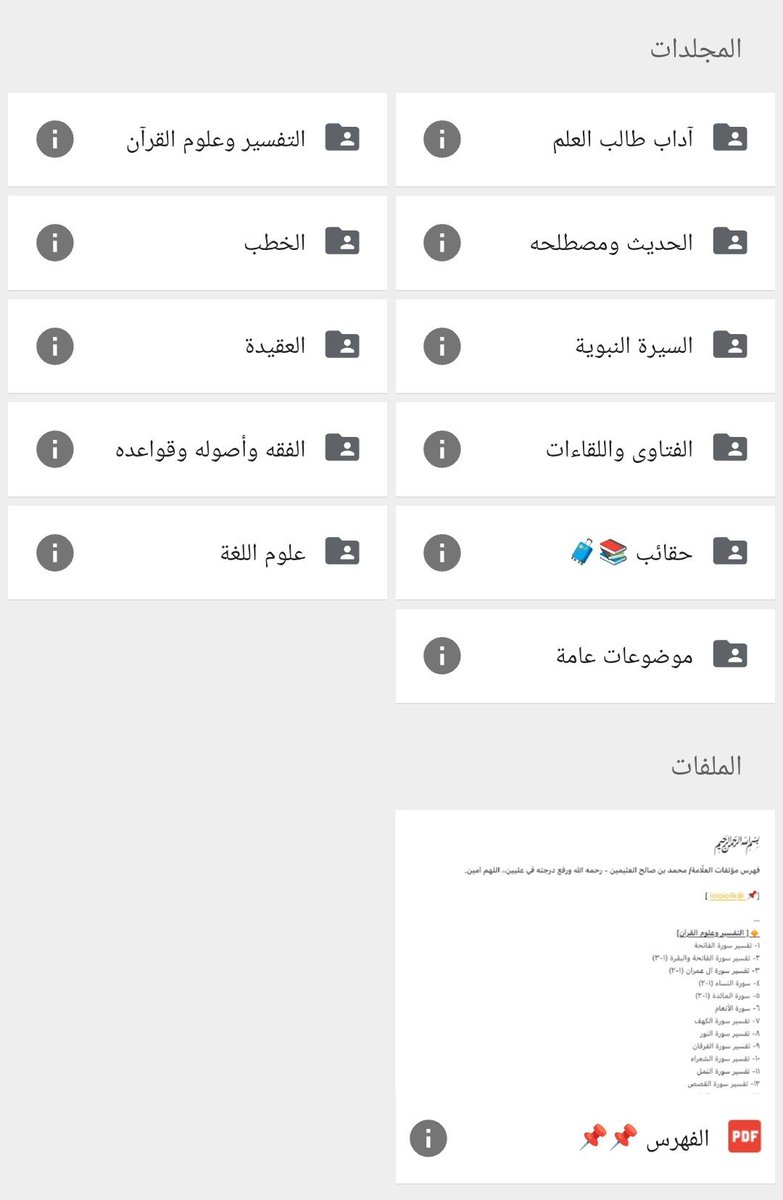
جميع مؤلفات 📚 الشيخ العلَّامة محمد بن صالح العثيمين رحمه الله
جُمعت في رابط واحد ومُقسَّمة ومرتبة للباحث عن أي كتاب 📖👇🏻
https://t.co/xSvhaMXgdI
قال ابن المبارك-رحمه الله: "لا أعلم بعد النبوة درجة أفضل من بث العلم".
Hāfidh al-Hakamī (may Allāh have mercy upon him):
Why should I be deceived by the praise of the people of this world
When I do not know what mention is made of me in the heavens
A Man Sins, But He Shares Knowledge
Shaykh Khālid an-Nimāzī حفظه الله
https://t.co/5HwCrDlITJ
Don’t Forget to like, share and subscribe. May Allah bless you and grant us all beneficial knowledge.
Muḥammad Hijab is deceptively playing on titles in his discussion by using the broad term “Shīʿah” rather than “Rawāfiḍ” - the specific group that Muḥammad ibn ʿAbd al-Wahhāb and the scholars declared to be outside the fold of Islam.
The Salaf, Ibn ʿAbd al-Wahhāb himself, drew a clear distinction between the Rawāfiḍ/ghulāt Shīʿah and the broader, older Shīʿī tradition.
Just like
Every Hanafi is a Sunni, but not every Sunni is a Hanafi. Or every catholic is a Christian but not every Christian is a catholic. In the same way, every Rāfiḍī is Shīʿī, but not every Shīʿī is Rāfiḍī.
The Rāfiḍah are those extreme Shīʿah who fall into clear-cut kufr for example, slandering the Prophet’s wife or elevating ʿAlī to a station that constitutes disbelief.
By contrast, groups such as the Zaydīs of Yemen have never been declared non-Muslim by anyone, nor have majority the Shīʿah of Lebanon, in many cases.
It was specifically the Rawāfiḍ - the dominant religion in Iran and a major presence in Iraq whom Ibn ʿAbd al-Wahhāb and the Sunni scholars declared to be disbelievers.
Muhammed Hijab himself has made takfīr of Iran due to the Rāfiḍī government and mainstream religion.
Be Easygoing and Be Gentle!
Reminder by Shaykh Abdullah al-Qusayyir رحمه الله
Don’t forget to like share and subscribe. BaarakAllahuFeek.
https://t.co/P1MXmrORSp
هذا مقطع لرجل يعفو عن قاتل، وهذا عمل عظيم مشكور.
غير أنه يقول في المقطع: عفوت لوجه الله ولوجهك ولوجه فلان وفلان.
وهذا لفظ شركي لا يجوز شرعا.
قال ابن أبي شيبة في المصنف: "٣٤٧٩٢ - جرير بن عبد الحميد، عن عبد العزيز بن رفيع، عن تميم بن طرفة، قال: سمعت الضحاك بن قيس يقول: " يا أيها الناس، اعملوا أعمالكم لله، فإن الله لا يقبل إلا عملا خالصا، لا يعفو أحد منكم عن مظلمة فيقول: هذا لله ولوجوهكم، فليس لله وإنما هي لوجوههم، ولا يصل أحد منكم رحمه فيقول: هذا لله وللرحم، إنما هو للرحم، ومن عمل عملا فيجعله لله ولا يشرك فيه شيئا فإن الله يقول يوم القيامة: من أشرك بي شيئا في عمل عمله فهو لشريكه ليس لي منه شيء".
والضحاك رجل من السلف اختُلف في صحبته.
وما ذكره الجاحظ عن الحسن البصري أنه أنكر لفظة "تركته لوجه الله ولوجهك" واستبدلها بلفظة "ثم وجهك" لا أعرفه من وجه ثابت عن الحسن.
وخبر الضحاك ذكره ابن رجب في جامع العلوم والحكم عند شرحه لحديث "إنما الأعمال بالنيات".
وهذا بيِّن، فهذا شرك في النية.
وفي الحديث القدسي: "أنا أغنى الشركاء عن الشرك، من عمل عملا أشرك فيه معي غيري تركته وشركه".
وإذا كان الرياء وهو معنى خفي يحبط العمل، فما بالك بالتصريح بالشركة بلفظة (لوجه الله ولوجهك ولوجه فلان وفلان).
وفي الخبر لما قال الصحابي: "ما شاء الله وشئت"، قال له النبي ��: "أجعلتني لله ندا".
ومعنى الخبر ما نازع فيه أحد، وما نحن فيه أظهرُ بكثير من اللفظ الوارد في الحديث، إذ ذكر عمل بر وذكر أنه عمله لله، يعني رجاء ثوابه، ثم جعل مع الله قوما آخرين، وعطفهم عليه بواو العطف ولا حول ولا قوة إلا بالله.
فيرجى تنبيه هذا الفاضل وتنبيه من احتفى بالمقطع لهذا المعنى.
📣 Live Tele Lecture with Shaykh Abd al-Hakīm Dahhās (From the Mashayikh of Algeria 🇩🇿)
🗒️ Advice Raising a Family with the Correct Islamic Upbringing.
📅 Sunday 21st June 2026
🕰️ 7.00 PM
📍 3 Warple Way, W3 0RX
All welcome.
___
When we’re gone, most of what we spent will mean nothing. But the Prophet ﷺ told us there are three things whose reward continues after death - and ongoing charity is one of them.
£1 a day. £5 a week. A deed still running long after you’re in your grave.
We need 250 daily supporters and 50 weekly supporters to keep Masjid Daar us Sunnah open every single day - for prayer, for knowledge, for the community. Right now we’re a long way off.
Don’t let this masjid close for want of a pound.
📲 https://t.co/9ALkyvX5sV
In the Asir region of Saudi Arabia, an extraordinary tale of forgiveness has unfolded, one that has moved the world to tears.
A noble and respected father, Sheikh Yahya bin Qans al-Bashri al-Qahtani, unconditionally forgave the killer of his young son Bandar. He sought no blood money, no compensation and no worldly gain. He did so simply because he learned that the murderer was the only son and sole caregiver of his severely ill and elderly mother.
This compassionate father personally went to the killer’s home. When he announced the pardon before the frail mother, she collapsed to the ground, weeping uncontrollably from the overwhelming joy and shock.
Sheikh Yahya has declared that he will not accept even a single riyal for his son’s blood. The only reward he desires is from Allah Subhanahu wa Ta’ala alone.
SubhanAllah. In an age consumed by anger and vengeance, such a heart-stirring, faith-inspiring example of mercy truly shakes the soul.
May Allah grant peace to the departed son and immense reward to this noble father.
بلغني أنّ أخانا فضيلة الشّيخ الدّكتور حمد العُثمان،مَرّ بوعكةٍ صحيّةٍ،دخلَ على إثرها مستشفى الملك فيصل التّخصصيّ بالرّياض،أسأل الله العظيم ربّ العرش العظيم أن يشفيه،ولا بأس عليه طهورٌ إنْ شاء الله،جمع الله له بين الأجر والعافية، اللهمّ آمين
الشيخ العلامة عبد المحسن العباد -
هل يحل لمسلم أن يهجر أخاه المسلم ولا يسلم عليه لأنه لا يوافقه على تجريح بعض المشايخ؟
https://t.co/gZEYRoAsyN
#كبار_العلماء
Much needed clarification from Ustaadh Shamsi حفظه الله
We need more reminders like this in order to clarify how the Salafees should deal with the mistakes of the scholars.
These recent fitan (trials) are exposing and clarifying many affairs.
https://t.co/wfW9CfaqEm