An online crowdsourced resource for African Languages, made by you -- Add, Vote or Search for words in African Languages. All words are defined by users 🙂
This week, we found another cool Twi-Yorùbá cross-lingual homophone: ɔdɔ and ọ̀dọ́!
Please like and share so we can have fun exploring more of these!
#langtwt#yorùbá#twi
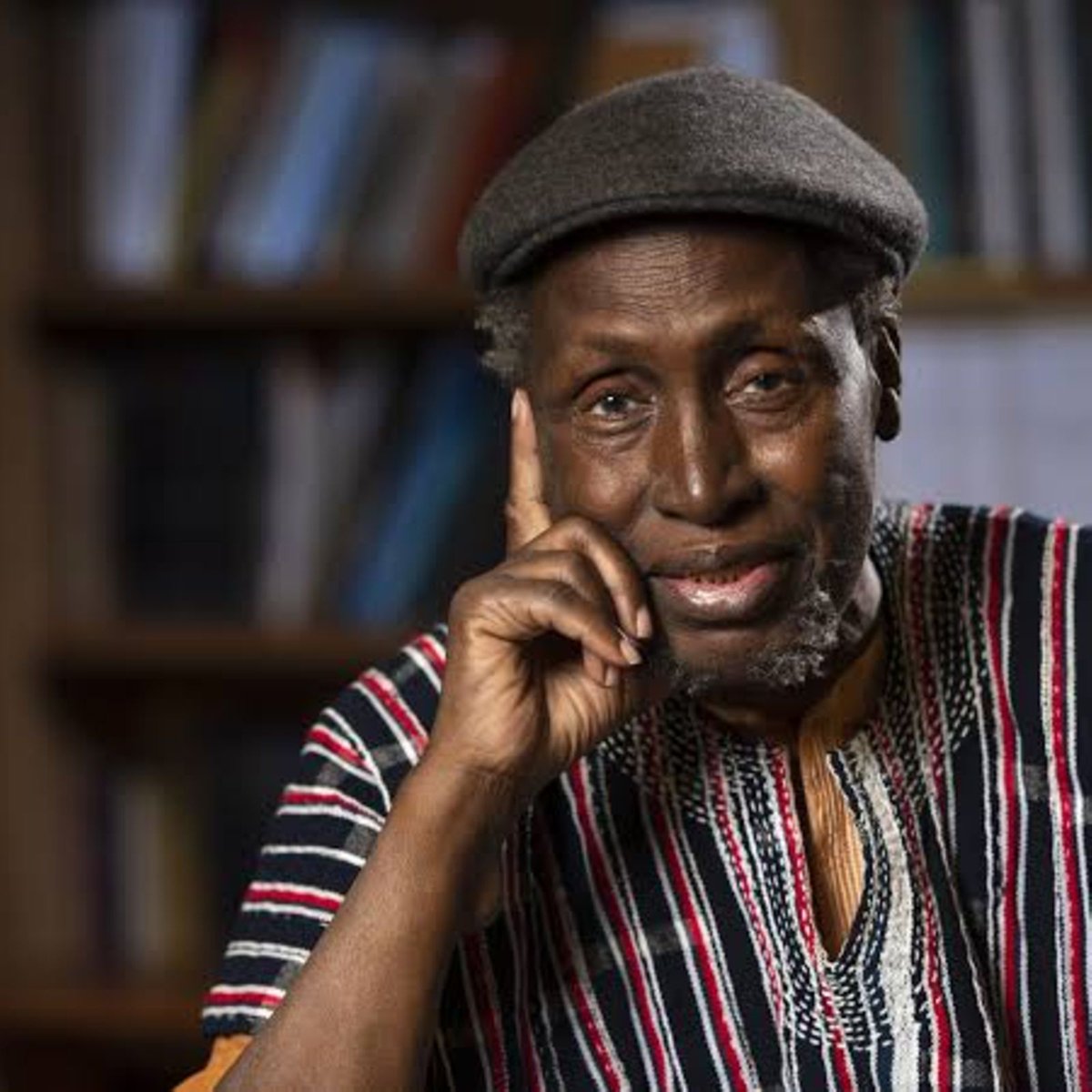
“To control people’s wealth… the domination of a people’s language by the languages of the colonizing nations are crucial to the domination of the mental universe of the colonized.”
-Ngũgĩ wa Thiong'o, Decolonising the mind: The politics of language in African literature.
We found a trove of similar words between Éʋe and Yorùbá by Tobi Igbenoba! A few of the words are mispronounced so similarity is in question 😅 You might also find that some of these words appear in your language with different meanings. Enjoy!
#afronalia#langtwt#yoruba#ewe
Also there is a village in Jamaica called Abeokuta named so by Yoruba indentured Labours brought over after emancipation. They call the area this because it reminded them so much of Abeokuta in Nigeria 🇳🇬 x🇯🇲
Yeah, sure, “love/desire” in Hausa can be so, soyayya or ƙauna but do we know WHY it is these words? Do we wonder about the origins or etymologies of certain words? I would love an academic look into this.
Yup! Also interesting what is borrowed depending on area. “Evening tee” and “gbɛkɛ” will be used interchangeably in Ghanaian pidgin, depending on where you are.
Ghanaian pidgin has loan words from Ga, Hausa, Twi, Ewe etc. The nature of pidgin is to borrow. It makes sense that we'd also borrow from other places. There was even a time when hearing someone say "I dey feel très bien" wasn't uncommon.
Hey, does anyone know why a LOT of words in Bantu languages end in vowels?
Nkosi, wewe, upenda, siyabonga, khalayi, umhle, hlano, umfundi, vhona.
These are all words from different Bantu languages. Additionally, the names of these Bantu languages also mostly end with vowels.
Homonyms across African languages are so intriguing. Like it’s so funny knowing that Gari in KiSwahili means car but also means flour or powder in Hausa.