No one talks about this part-
the compliance pressure, the uncertainty in numbers, the delayed outcomes.
But this is where financially strong business are built
#taxtwitter#founderslife
Freelancers earning ₹10L+ making this mistake:
Using personal account for business
→ messy books
→ missed deductions
→ higher tax
Separate your money. It’s not optional.
#Taxtwitter
Your business doesn’t need more hustle. It needs better system
You can work 24/7 and still feel stuck if your system is broken. Fix the systems, and the results become inevitable.
#fixsystem#taxtwitter
Revenue growing fast is not always good news.
If receivables, inventory, and expenses grow faster…
you’re just building a bigger cash trap.
But on paper, everything looks like “growth.”
That illusion kills more startups than losses ever will.
#twitter#MoneyMindset
Growth becomes stressful when your backend isn’t ready.
More orders sound great-
until operations start breaking, numbers stop matching, and the team feels overwhelmed.
That’s when you realize growth needed structure.
#taxtwitter
Most businesses don’t know their real margins.
They know revenue.
They know profit.
But not contribution margin.
And that’s where decisions actually come from.
Do you track contribution margin?
#poll#taxtweet
Switching software won’t fix your business.
Messy processes in Excel
don’t magically become clean in ERP.
Different tool. Same chaos.
Most businesses don’t have a software problem.
They have a systems problem.
What do you think is the biggest reason ERP projects fail?
#Poll
A lot of businesses celebrate more users, more likes, more signups… but the revenue still doesn’t follow.
Because real growth comes from tracking the right metrics for your business model, this might change how you measure yours 👇
“We just hit profitability.”
Early-stage teams cut marketing. Paused hiring. Numbers looked clean.
Then customers slowed…
Demand faded…
Growth quietly disappeared.
It felt like progress.
It wasn’t.
#startups
Your growth looks great.
But your cash says something else.
More orders. More GMV. Feels like progress.
Then discounts start.
Logistics costs increase.
Returns happen.
Incentives add cost.
Money comes in-
but it doesn’t stay.
Most D2C brands don’t lose Series A because the business is weak.
They lose it because investors can’t follow the numbers.
Messy books = broken trust.
You can have great unit economics and still lose the deal
If your financials don’t make sense.
#D2C#Startups#investors
Books that change during audit were never final.
Rushing year-end close creates the illusion of control numbers get pushed just to move on. But audits reveal the real work.
Finishing fast looks good. Getting it right matters.
#YearEndClose#AuditReality#FounderTruth#MSME
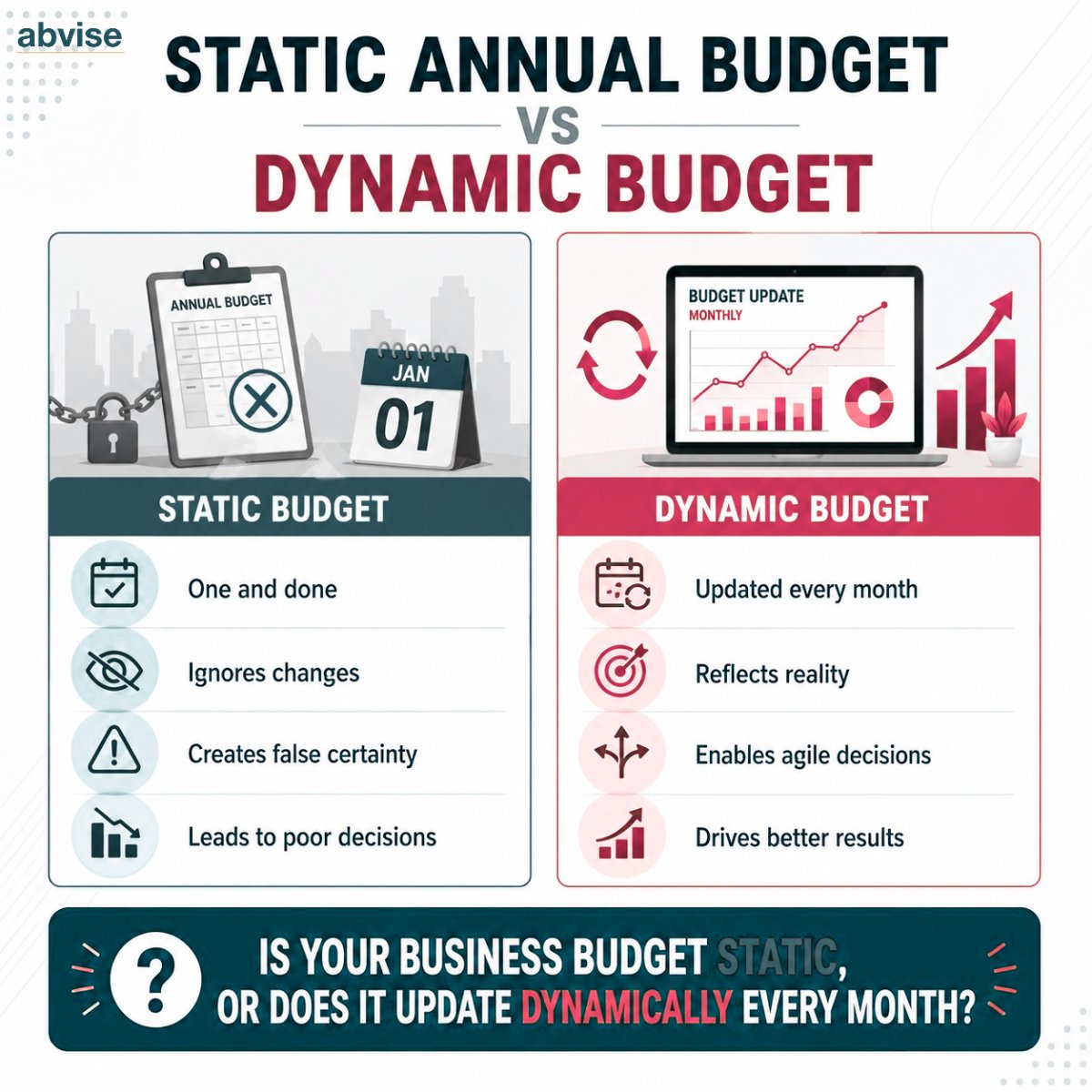
A budget made once won’t guide you all year.
Things change fast.
Static budgets ignore reality.
Dynamic budgets evolve with it.
When you review and update monthly, decisions get sharper and outcomes improve.
Are you following a fixed plan or adjusting with the business?
VC funding isn’t built for profit
It’s built for growth.
Raise capital → hire faster, spend more, chase market share.
That’s why many startups burn millions.
Bootstrapped vs VC-backed = different games.
Know the trade-offs before raising money.
#startups#VC#bootstrapping
Pipeline isn’t cash - it’s potential.
And potential doesn’t generate revenue.
Every deal carries uncertainty.
So stop focusing on volume, start focusing on what actually moves.
Think in probabilities, not possibilities.
Because in the end:
Opportunity × Probability = Reality.
A high overall gross margin can be misleading for a growing startup.
When you focus only on the average, it can hide
products,
channels, or
regions
that are actually losing money and pulling down your profits.
Almost every business messes up costing after going in-house.
It feels smart:
more control, better margins.
But here’s the miss👇
You’re no longer buying a product.
You’re managing:
• materials
• labor
• overheads
• wastage
If you don’t reset costing, your numbers lie.
Your startup’s real strength isn’t just profit on paper
it’s how fast cash comes back into the business.
The Cash Conversion Cycle shows how many days it takes for every rupee you spend to return to your bank account.
The shorter the cycle, the healthier the business.
Growth at all costs is fading.
Earlier, startups focused on revenue, users, and volume. Profit could wait.
That’s changed.
Now, investors care about margins, cash control, and a clear path to profitability.
Growth still matters but only if it’s sustainable.