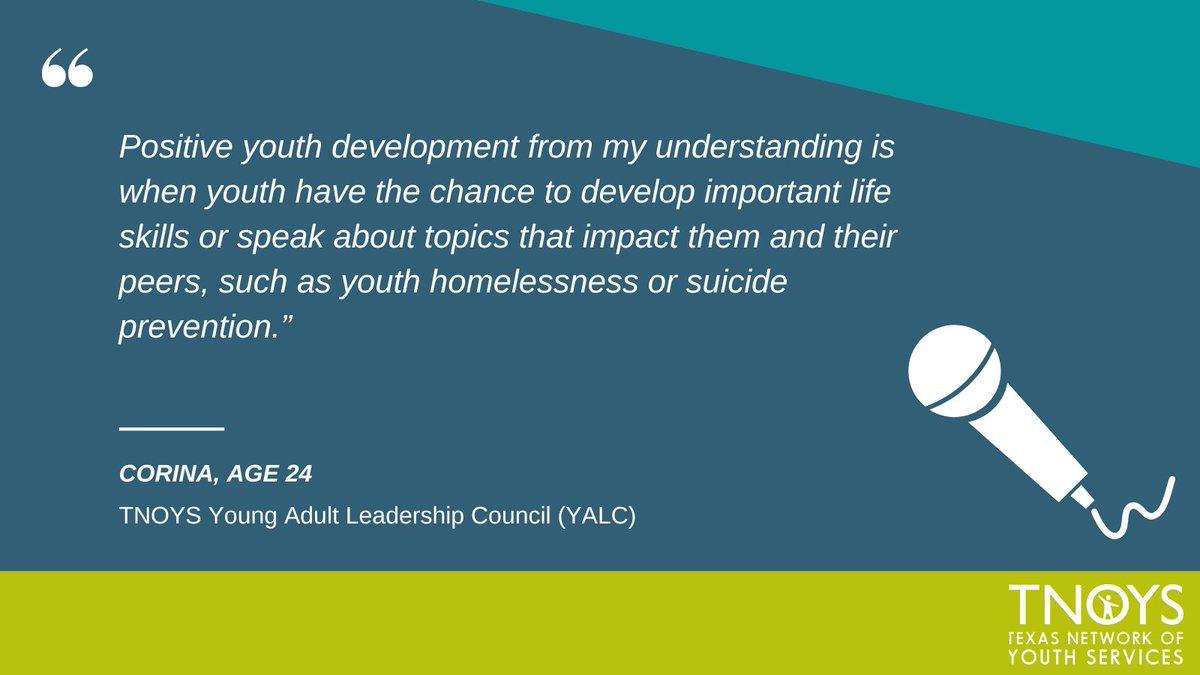
A8: TNOYS prioritizes youth voice across everything that we do. For example, YYA participate in every aspect of TNOYS' Annual Conference, from planning to execution. We're excited about the incredible YYA speakers and panelists at this year's conference! https://t.co/YGIx8vKGa9
Q8: How can we better lift up the voices of youth and young adults to help them overcome challenges and achieve healthy development? What are examples of youth voice in action? #TNOYSTownHall
A6: YYA often talk about needing more education on important topics related to health and the transition to adulthood, such as how to obtain and use insurance, how to schedule and get to doctor's appointments, and similar life skills. #TNOYSTownHall
Q6: Youth and young adults (YYA) often do not have the resources they need for the transition into adulthood. What do YYA need to know about taking care of their health and mental health as they prepare for independent living? #TNOYSTownHall
A3: TNOYS has been partnering with @HackettCenter to better understand the mental and behavioral health needs of Opportunity Youth, or young people who are disconnected from school and/or work. We are excited to share results soon! #TNOYSTownHall
Q3: What are ways to improve both health access and health education so that YYA can better understand their options and how to stay healthy? #TNOYSTownHall
A2: TNOYS has been listening and learning from YYA who have experienced commercial sexual exploitation (CSE), and youth repeatedly tell us that they need access to (1) secure housing and (2) comprehensive health care in order to become and stay healthy and stable. #TNOYSTownHall
Q2: In addition to healthcare access, needs like safe shelter and healthy food are essential to YYAs’ physical and mental health. What preventative resources do YYA need to become and stay healthy? #TNOYSTownHall
A1: YYA need support regulating their nervous systems, they need trusting relationships with adults, and evidence-based supports. The health, trauma, & resilience track at TNOYS' Annual Conference will explore all of these themes and more! https://t.co/YGIx8vKGa9 #TNOYSTownHall
Q1: What are common physical and mental health needs among youth and young adults (YYA) impacted by systems? What barriers exist to getting their needs met? #TNOYSTownHall#MentalHealthAwarenessMonth
A7 (3/3): TNOYS will release the CSEY manual publicly in late Fall 2023! Folks who are interested in TNOYS training and technical assistance services can fill out this form to request support: https://t.co/YJQWfd5wMh #TNOYSTownHall#PositiveYouthDevelopment
A7 (1/3): Many systems-involved youth have experienced significant trauma, which can impact YYA behaviors, beliefs about themselves and others, relationships, and more. #TNOYSTownHall#PositiveYouthDevelopment
Q7: When supporting YYA with their development, what are obstacles or challenges that may arise? How can they be addressed? #TNOYSTownHall#PositiveYouthDevelopment
A7 (2/3): Commercially sexually exploited youth (CSEY) have especially complex trauma histories, & providers must be equipped to recognize trauma & respond appropriately. TNOYS is developing a manual for youth homelessness services w/guidance on meeting the needs of CSEY.
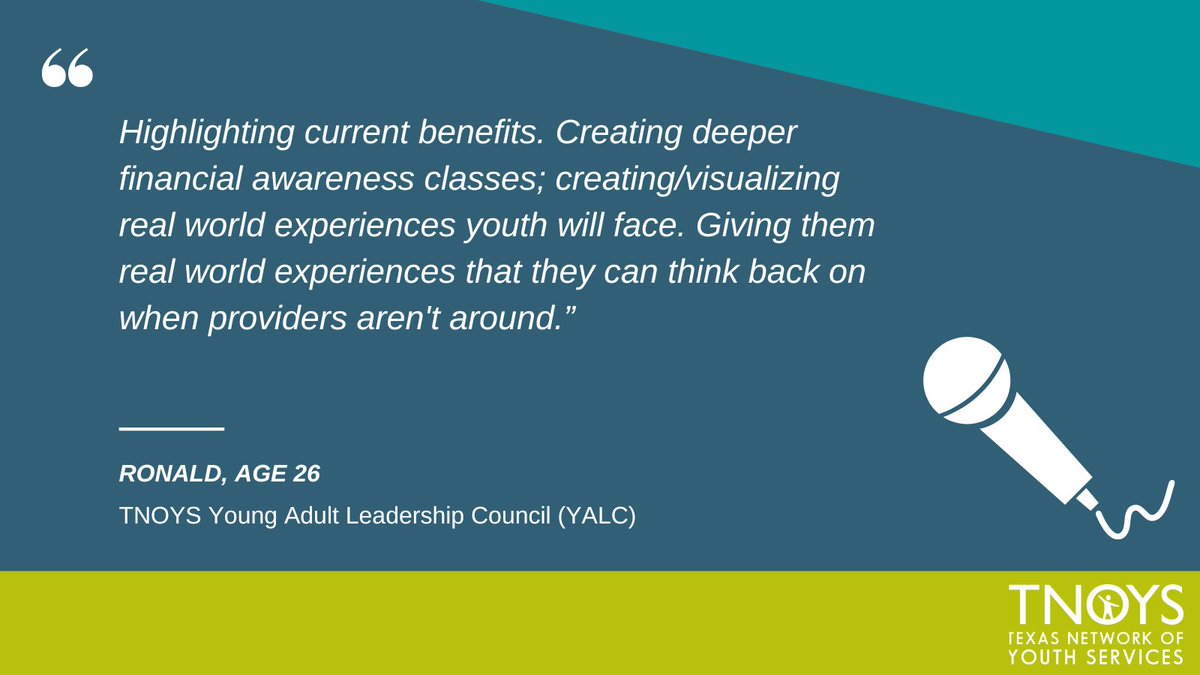
A6: Here is what Ronald, a panelist at TNOYS’ most recent Building Alliances with Youth training, has to say about helping youth develop life skills to support their transition into adulthood! #TNOYSTownHall#PositiveYouthDevelopment
Q6: What are strategies to help YYA build important life skills so they can better transition out of systems and into adulthood? #TNOYSTownHall#PositiveYouthDevelopment
A5 (2/2): One such strategy is to share power with youth and work collaboratively to solve a shared problem. Research shows that sharing power in this way can dramatically reduce biases and improve attitudes about the “other” group. #TNOYSTownHall
A5 (1/2): It is important that providers recognize and address their biases when working with youth because we all have biases, whether we want to admit it or not. In the Building Alliances with Youth training, we explore strategies to do this effectively. #TNOYSTownHall
Q5: It is important to center equity when working with youth and young adults. What are some considerations to best support BIPOC and LGBTQ+ YYA? #TNOYSTownHall#PositiveYouthDevelopment
A4: Empowering youth means understanding their health challenges. Providers play a crucial role in guiding YYA through barriers like limited health info, mental health gaps, and preventive care. Let's equip them to make informed choices. #TNOYSTownHall
A3 (2/2): Providers who can walk beside youth in the midst of challenges or mistakes and help YYA understand how their actions impact their goals, contribute to YYA resilience, social emotional learning, and provide a level or normalcy that YYA don't always have. #TNOYSTownHall
At TNOYS, we work with young people and empower them to advocate for policy change at the capitol through testimony. You can check out some examples of leaders using their voice at the Texas Capitol here!: https://t.co/UBvfMMT0fc #TNOYSTownhall
A2 (2/2): Key strategies include focusing on safety, trustworthiness and transparency, humility and responsiveness, and youth voice. #TNOYSTownHall#PositiveYouthDevelopment
A2 (1/2): PYD views youth as resources, not problems. TNOYS’ training, Building Alliances with Youth to Prevent Challenging Behaviors, helps youth-serving providers to think differently about what are often characterized as “challenging behaviors.” #TNOYSTownHall
Q2: How does positive youth development differ from traditional approaches to working with youth and young adults (YYA)? #TNOYSTownHall#PositiveYouthDevelopment
A1: Positive Youth Development (PYD) is a research-based approach to youth engagement that emphasizes providing youth with opportunities for leadership and skill-building in order to improve outcomes for youth and adequately prepare them for adulthood. #TNOYSTownHall
The next #TNOYSTownHall is today at 4 p.m.! ⏰ Join TNOYS, youth partners, and organizations like @SamaritanInnOrg, @hftexas, @FBFamilyPromise, and @HCDEtx for a discussion on Positive Youth Development best practices. Check out the questions here: https://t.co/35TrnQALdl
A9 (1/2): 🗣️ Youth want to feel heard and they want to feel heard by unbiased adults who are interested in uplifting more youth advocates while acknowledging the barriers they face in their multiple identities. This comes from our Youth Voices Empowered group members, just like