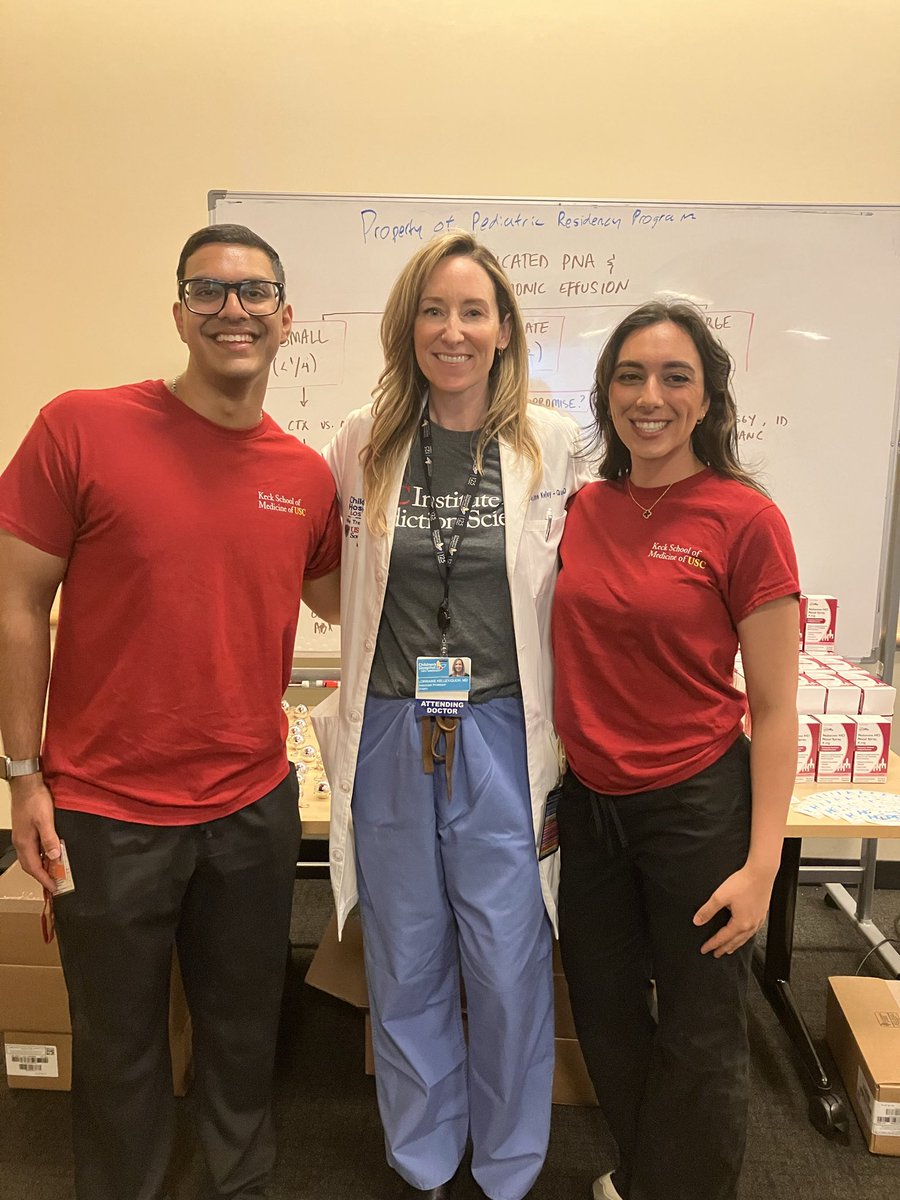
Congrats to ACEP member Rep.-elect Amish Shah, MD, MPH, FACEP. A big win for emergency physicians and patients!
"I want to thank ACEP and NEMPAC for their unwavering support for our campaign, and I hope to make every emergency physician proud with my service in Congress." - Rep.-elect Amish Shah
Side by side, shift after shift. Thank you to all emergency nurses, who are essential partners in delivering lifesaving care to patients every day. @ENAorg#EmergencyNursesWeek#Nursing#ERNurse
Celebrating Marsha D. Ford, MD, FACEP, recipient of the John A. Rupke Legacy Award, which honors sustained leadership and dedication to emergency medicine.
🎉 Congratulations, Dr. Ford! 🎉
What makes a great emergency physician?
Dr. Alicia Gonzalez shares her top five green flags: the skills, behaviors and practices that set great EM doctors apart. ✅
The John G. Wiegenstein Leadership Award, presented to Alexander Rosenau, DO, CPE, FACEP, recognizes outstanding contributions to the College.
🎉 Congratulations, Dr. Rosenau! 🎉
The Council Meritorious Service Award, presented to Douglas M. Char, MD, FACEP, recognizes his outstanding contributions to the growth and development of the ACEP Council and the enthusiasm he has brought to its work.
🎉 Congratulations, Dr. Char! 🎉
Showing up for patients starts with showing up for yourself.
Dr. Scott Pasichow shares how seeking mental health support has made him a better physician.
On Physician Suicide Awareness Day, take time to check in with your colleagues and help break the stigma around seeking support.
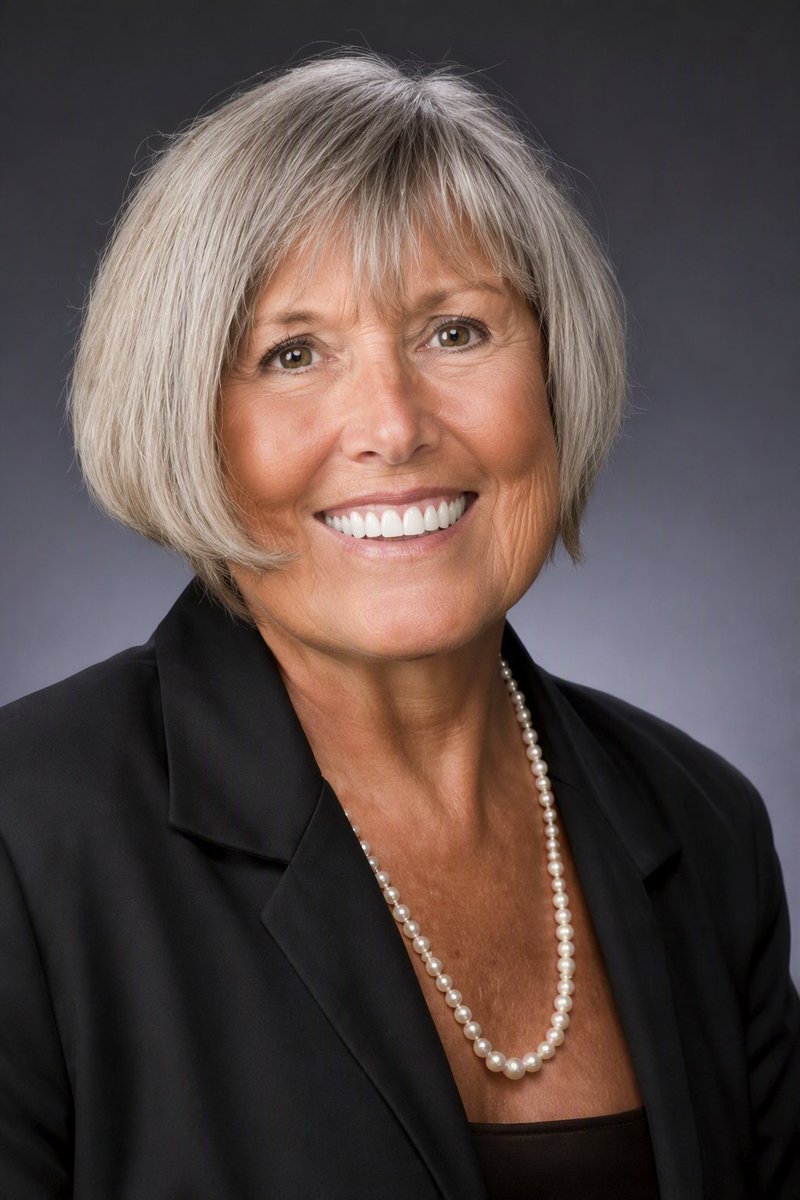
ACEP mourns the loss of Nancy J. Auer, MD, FACEP, the College's first woman president and a trailblazer whose leadership opened doors for countless emergency physicians. Full statement: https://t.co/5XbzGiPmU2
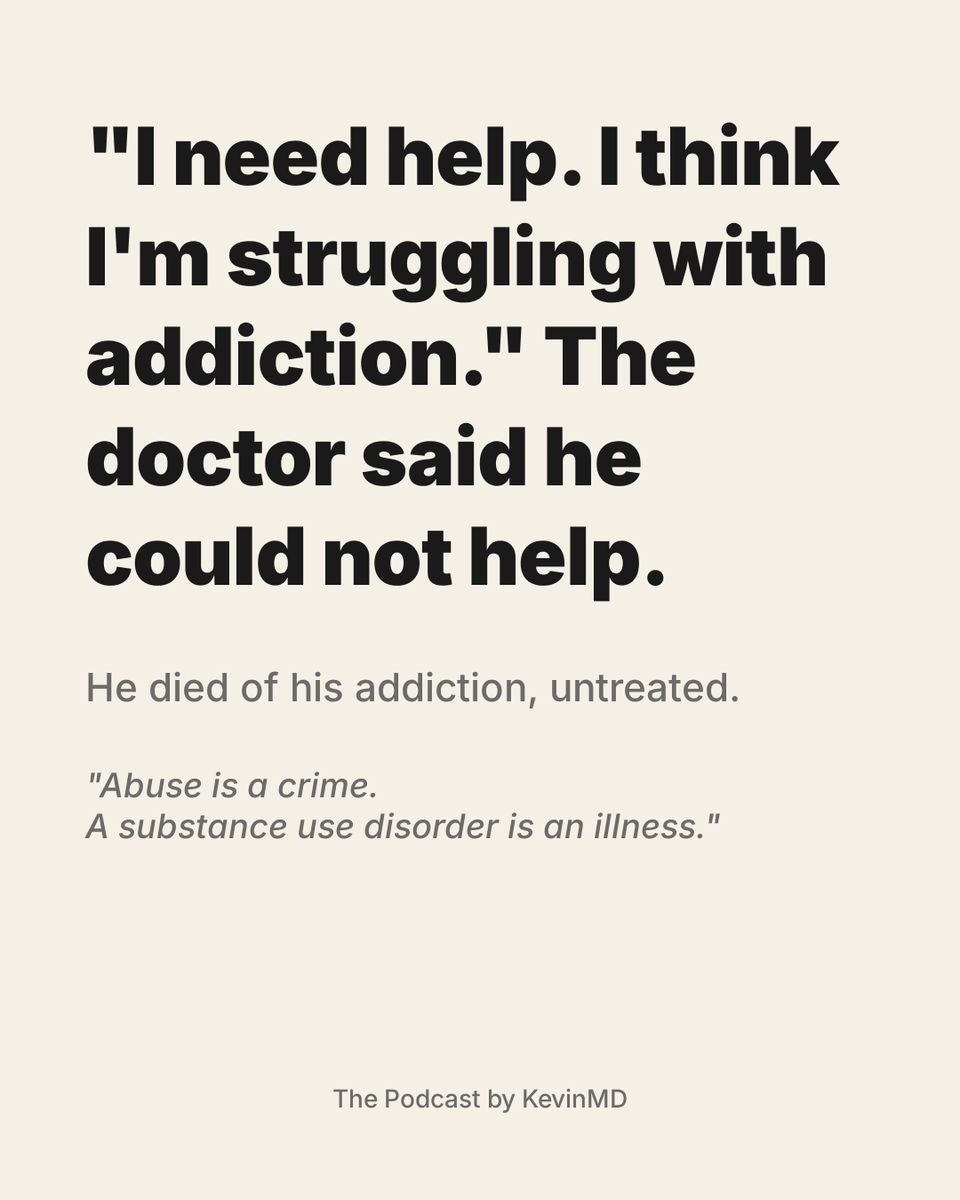
Researchers gave about 500 mental health clinicians the same patient to read about. One word in the description was different. That word changed what the clinicians thought he deserved.
In one version he was a substance abuser. In the other he was a person with a substance use disorder. Same case, same facts, one swapped noun.
The clinicians who read "abuser" were more likely to hold him personally responsible for his condition. They were more likely to endorse punishment as justifiable and as needed. A jail sentence as a wake-up call, rather than treatment for a health condition that responds to treatment.
Public health physician Devika Bhushan lays out why the swap works on trained clinicians. Abuse is a crime. It describes something a person is held accountable for. A substance use disorder is an illness, roughly 50 percent heritable, comparable to asthma and type 2 diabetes on that measure, and shaped for the rest by the circumstances and supports around a person.
Read the first framing and you get a defendant. Read the second and you get a patient.
The downstream numbers are the part clinicians should sit with. Fewer than 1 in 5 people with addiction ever receive appropriate treatment. Once a stigmatizing diagnosis is on the record, people receive roughly 30 percent less guideline-adherent care for their other conditions, including cardiovascular disease and diabetes, which is one reason life expectancy runs up to almost 24 years shorter.
The gradient inside medicine is worth naming too. General practitioners, the people most likely to meet someone early, show the most fear, anger, and mistrust toward these patients. Psychiatrists show less. Addiction specialists show the least. Comfort tracks training, and the doctor most people reach first is the one trained least for it.
Bhushan's practical list is short enough to use tomorrow.
Substance abuser becomes person with a substance use disorder.
Addict, which reduces somebody to the illness, becomes person with a substance use disorder as well.
Clean and dirty, which turn a lab value into a moral grade, become the test shows the presence or absence of a substance.
And the number that almost never gets quoted alongside the grim ones: in one survey, nearly 3 in 4 people with a substance use disorder reported being in long-term recovery, though only 1 in 5 are in treatment of any kind. Bhushan flags that survey's limits herself. It still says something most people have never been told.
Listen to the full conversation on The Podcast by KevinMD. Link in the replies.
What is one phrase you have retired from your own charting because of what it did to a patient? #ThePodcastbyKevinMD
Today is #OverdoseAwarenessDay. No one should die of an overdose.
Whether or not you use drugs, by carrying naloxone you can help prevent an overdose.
Find free naloxone near you: https://t.co/MaVJK4K5QV
@KalshiFB Easy answer. Wagner was also NFL Man of the Year for his Community Service. Sometimes the minutes on the field aren’t the only benefit a player brings to the field AND THE COMMUNITY.