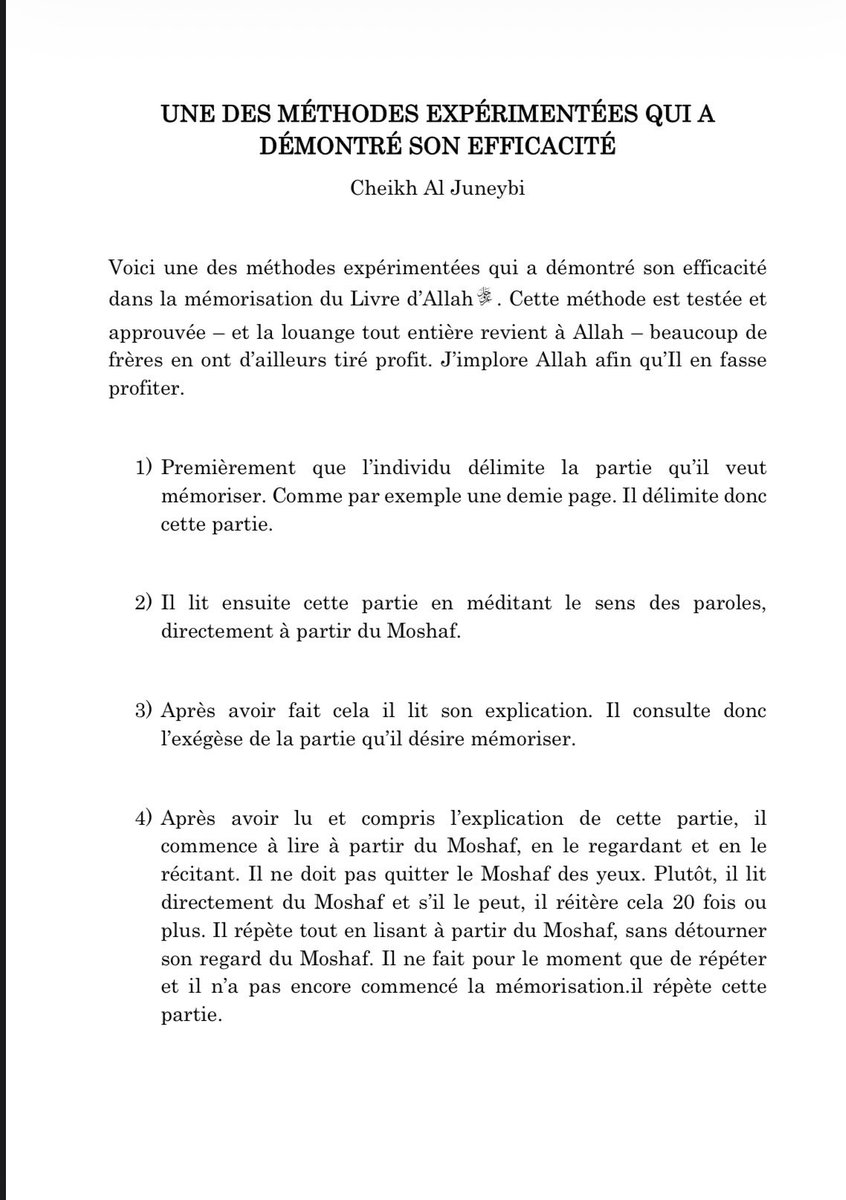
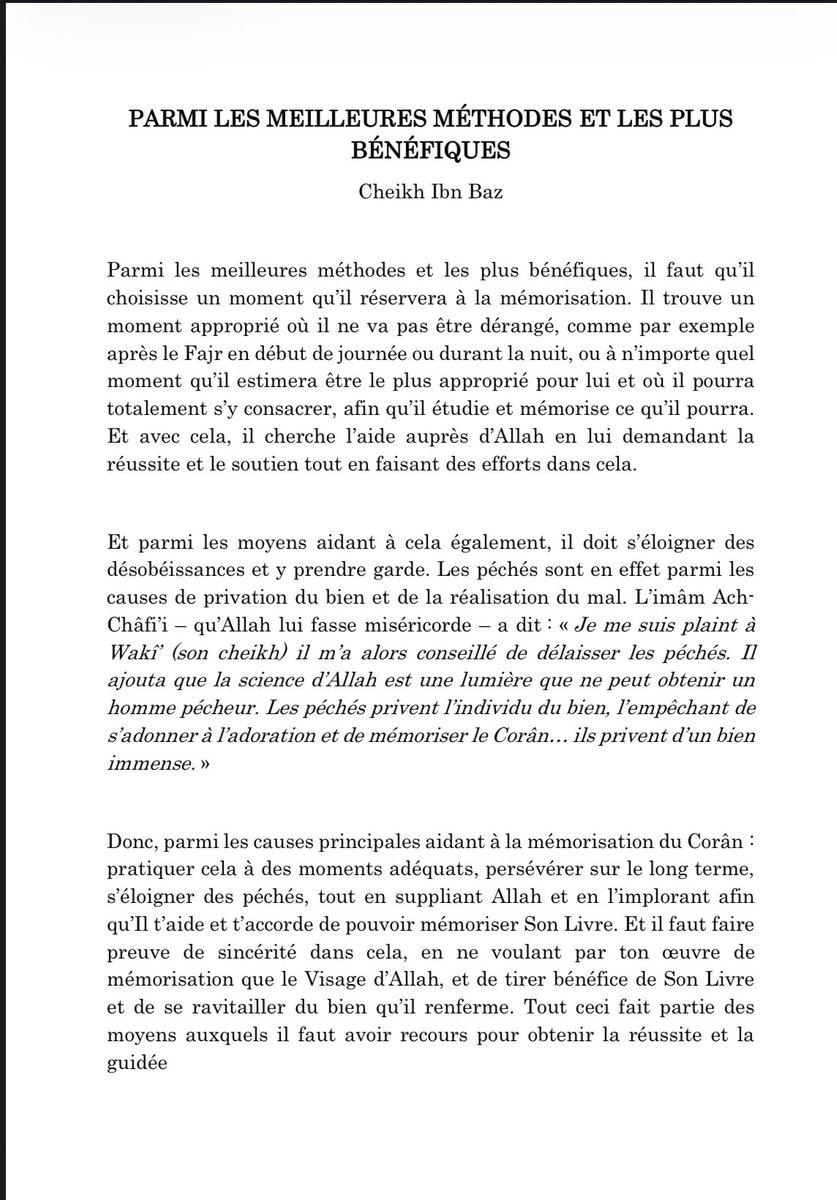
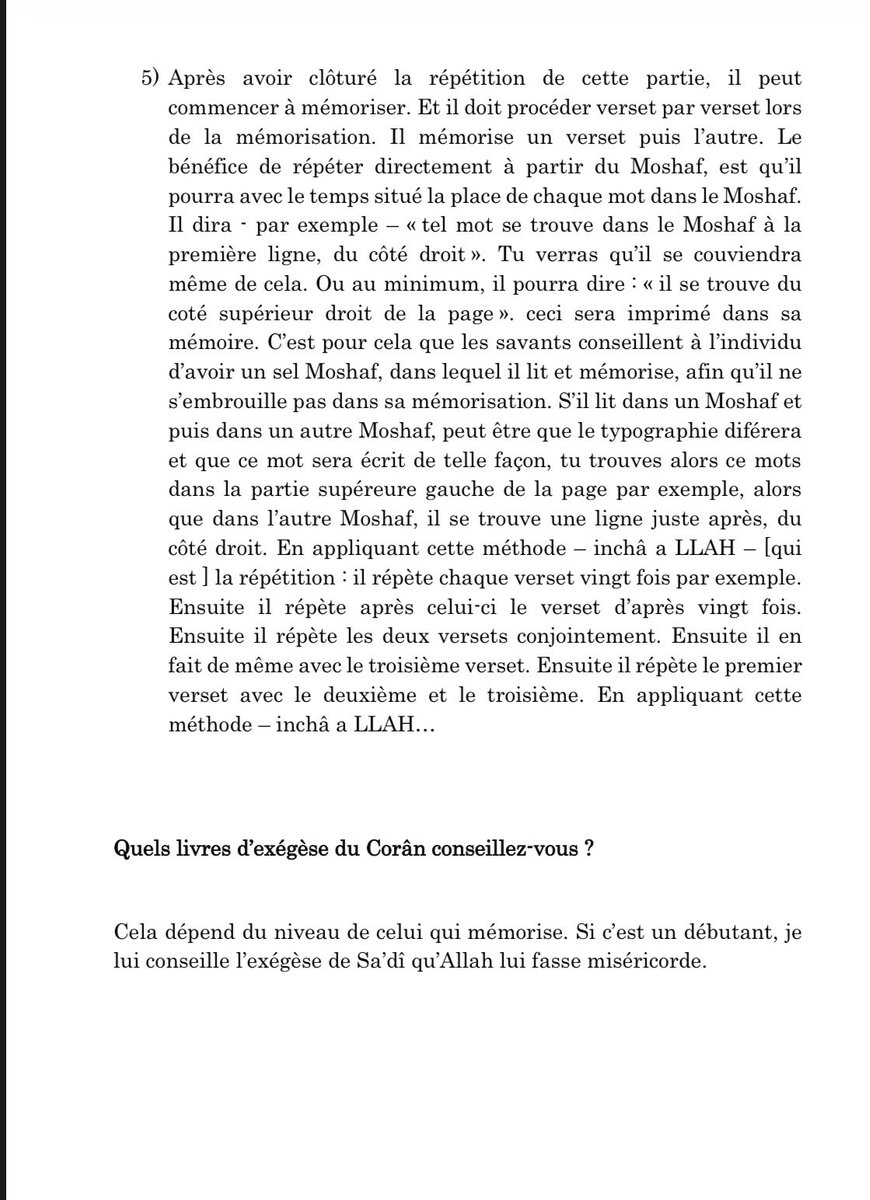
Méthodes pour mémoriser le Quran Sheikh Ibn Baz Sheikh Abdelmushin Qasim Sheikh Hamad Ibn Khamis Al junayd Qu’Allah nous facilite la mémorisation du noble livre
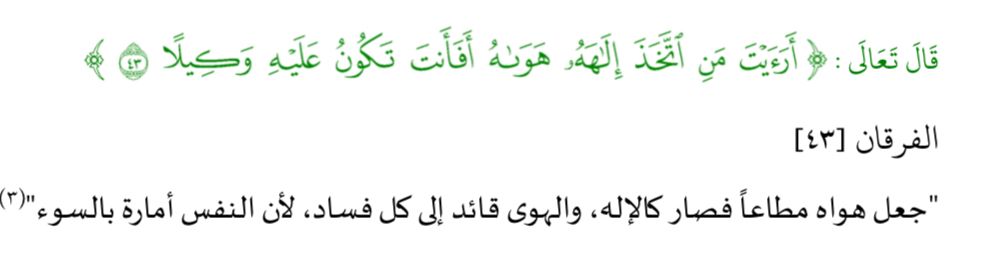
﴾Have you seen the one who has taken his own desire as his god — will you then be a guardian over him?﴿ [al-Furqān: 43]
Ibn ʿAṭiyyah: “He made his desire an object of obedience like a god and desire is a guide to every corruption, for the soul is ever-commanding to evil.”
ليس بالضرورة أن يكون لك رأي في كل موضوع
وإذا كان لك رأي فليس بالضرورة أن تخبر به.
وإذا أخبرت به فليس بالضرورة أن تعلنه وتخبر به الجميع.
وإذا أعلنته فليس بالضرورة أن تتمسك به، فقد يكون خطأ.
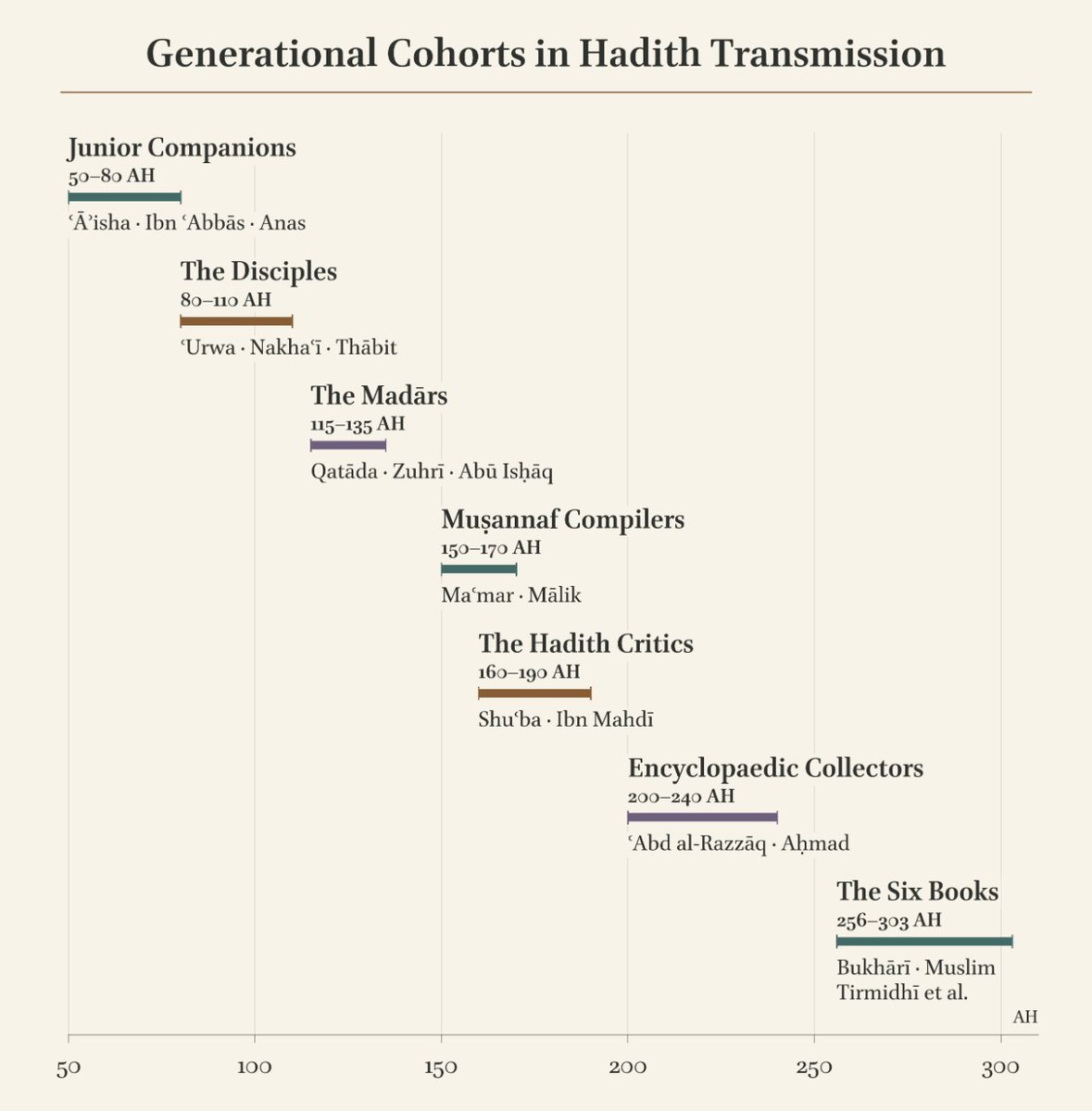
I use this timeline in class to help students see an isnād as more than just a list of names.
Placing transmitters within their generational cohorts gives a better sense of the depth and continuity of early hadith transmission.
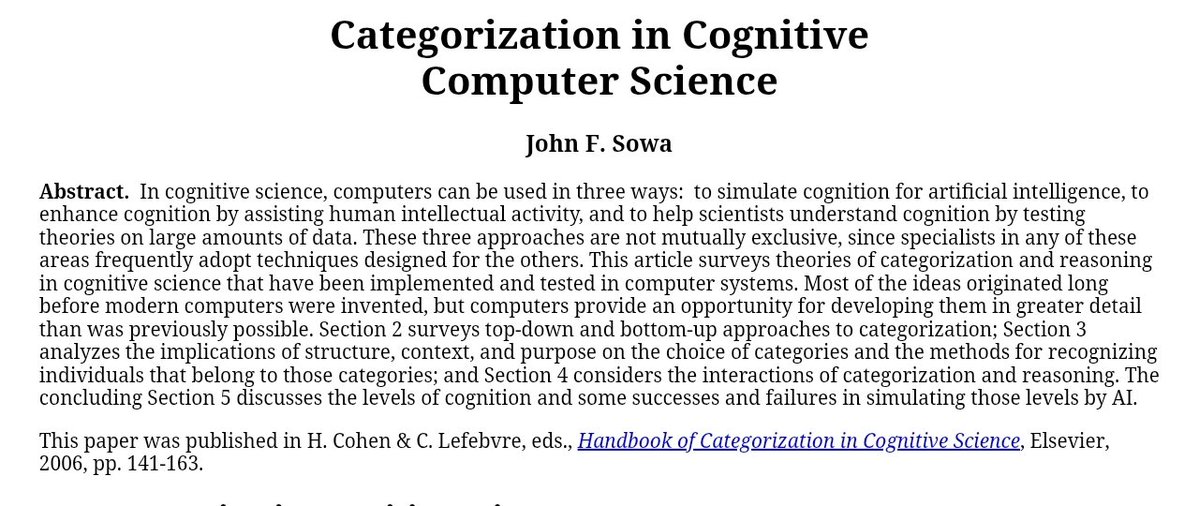
Ibn Taymiyyah is amazing, modern computer scientists (like John Sowa) have noted that Ibn Taymiyyah’s aggressive critique of strict Aristotelian logic, where he favored situational analogy (Qiyas al-Tamthil) and learning incrementally from specific data points, uncannily models the exact way Modern Artificial Intelligence and Machine Learning algorithms operate today. Instead of following rigid rules, they learn patterns dynamically from historical data.
The links to the resources:
https://t.co/ITiYSWDM12
https://t.co/XimohEeODn
The Repentant Heart
Fuḍayl b.‘Iyāḍ رحمه الله
was asked about this Āyah:
“Who feared the Most Beneficent (Allāh) in the Ghayb (unseen) and brought a heart turned in repentance (to Him).” • [-Qur’ān 50:33]
Fuḍayl b.‘Iyāḍ رحمه الله said:
قال ابن القيم رحمه الله:
"لولا محن الدنيا ومصائبها لأصاب العبد من أدواء الكبر والعجب والفرعنة وقسوة القلب ما هو سبب هلاكه عاجلا وآجلا، فمن رحمة أرحم الراحمين أن يتفقده فى الأحيان بأنواع أدوية المصائب تكون حمية له في هذه الأدواء".
زاد المعاد 173/4
It is reported that once King Khaled visited Shaykh Ibn Uthaymeen.
When he saw his house old & plain he said, 'we're going to order that a new house be built for you.'
Shaykh replied, 'we have a new home being prepared for us in Al-Salihiyyah (an area in Saudi Arabia) that
If only I had occupied myself with nothing but the Qur’an.
“I wish I had confined myself to the Qur’an.”
— Sufyan al-Thawri
“I regretted wasting most of my time on matters other than reflecting upon the meanings of the Qur’an.”
— Ibn Taymiyyah
“By Allah, you will not reach the pinnacle of this matter until nothing becomes more beloved to you than Allah. Whoever loves the Qur’an has loved Allah. Understand well what is being said to you.”
— Sufyan ibn ‘Uyaynah
“Recite the Qur’an, and do not be deceived by these copies of the Qur’an hanging on the walls, for Allah does not punish a heart that is a vessel for the Qur’an.”
— Abu Umamah al-Bahili
“If you seek knowledge, then immerse yourselves in the Qur’an, for within it is the knowledge of the earlier and later generations.”
— Ibn Mas‘ud
“Indeed, the house in which the Qur’an is recited becomes spacious for its inhabitants, its goodness increases, the angels attend it, and the devils depart from it. And the house in which the Book of Allah, Mighty and Majestic, is not recited becomes constricted for its inhabitants, its goodness decreases, the angels depart from it, and the devils attend it.”
— Abu Hurayrah
“Among the things through which Allah elevated me is the Qur’an.”
— Al-A‘mash
“By Allah, there is no true richness beyond the Qur’an, and no poverty after it.”
— Al-Hasan al-Basri
“Whenever I increased my daily portion of the Qur’an, the blessing in my time increased. I continued increasing it until my daily portion reached ten juz’.”
— One of the early righteous generations
“Recite the Qur’an abundantly and do not abandon it, for what you seek will become easy for you in proportion to how much you recite.”
— Ibrahim ibn ‘Abd al-Wahid al-Maqdisi, advising al-Diya’ al-Maqdisi when he intended to travel in pursuit of knowledge
“I witnessed this and experienced it repeatedly. Whenever I recited a great deal of the Qur’an, I found it easy to hear and record a great deal of hadith. And whenever I did not recite, it was not made easy for me.”
— Al-Diya’ al-Maqdisi