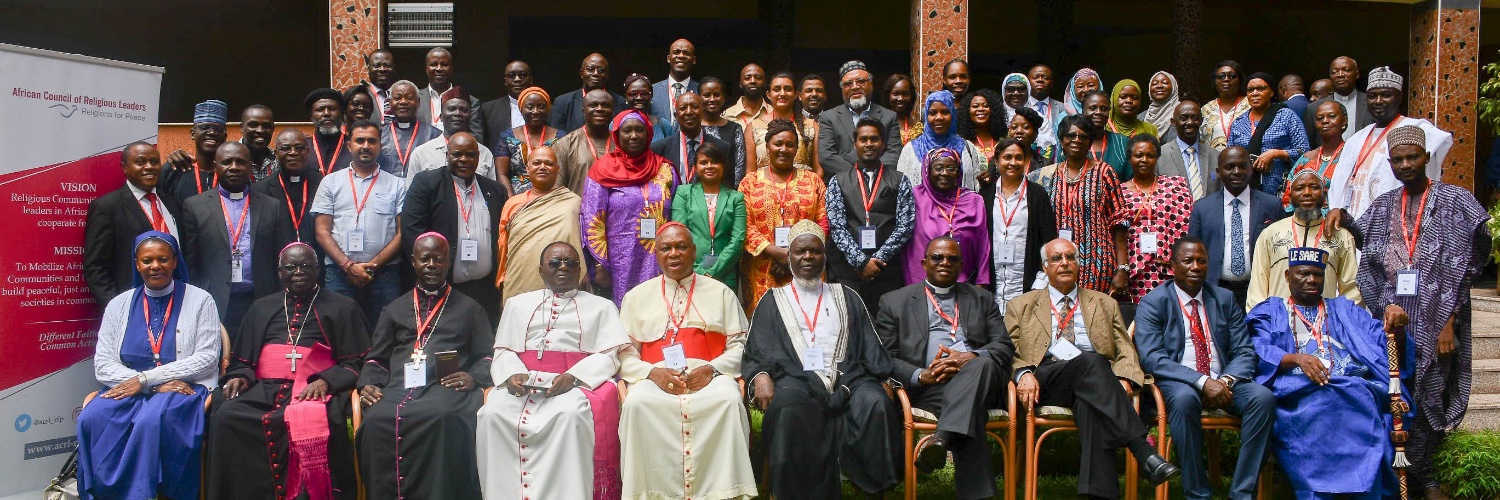
The African Council of Religious Leaders – Religions for Peace (ACRL–RfP) is the largest and most representative multi-religious interfaith platform in Africa.
Trust is not a soft resource. It is a strategic one.
Interreligious councils hold communities together where formal institutions struggle to reach. The question is whether we are using that trust strategically enough.
#AfricanLedSolutions
"As stewards of creation." — Melanie Amboule, Mauritius Council of Religions Youth Wing, #WED25 https://t.co/xmbdEnBpbu
One year later, the call is the same. The urgency is greater.
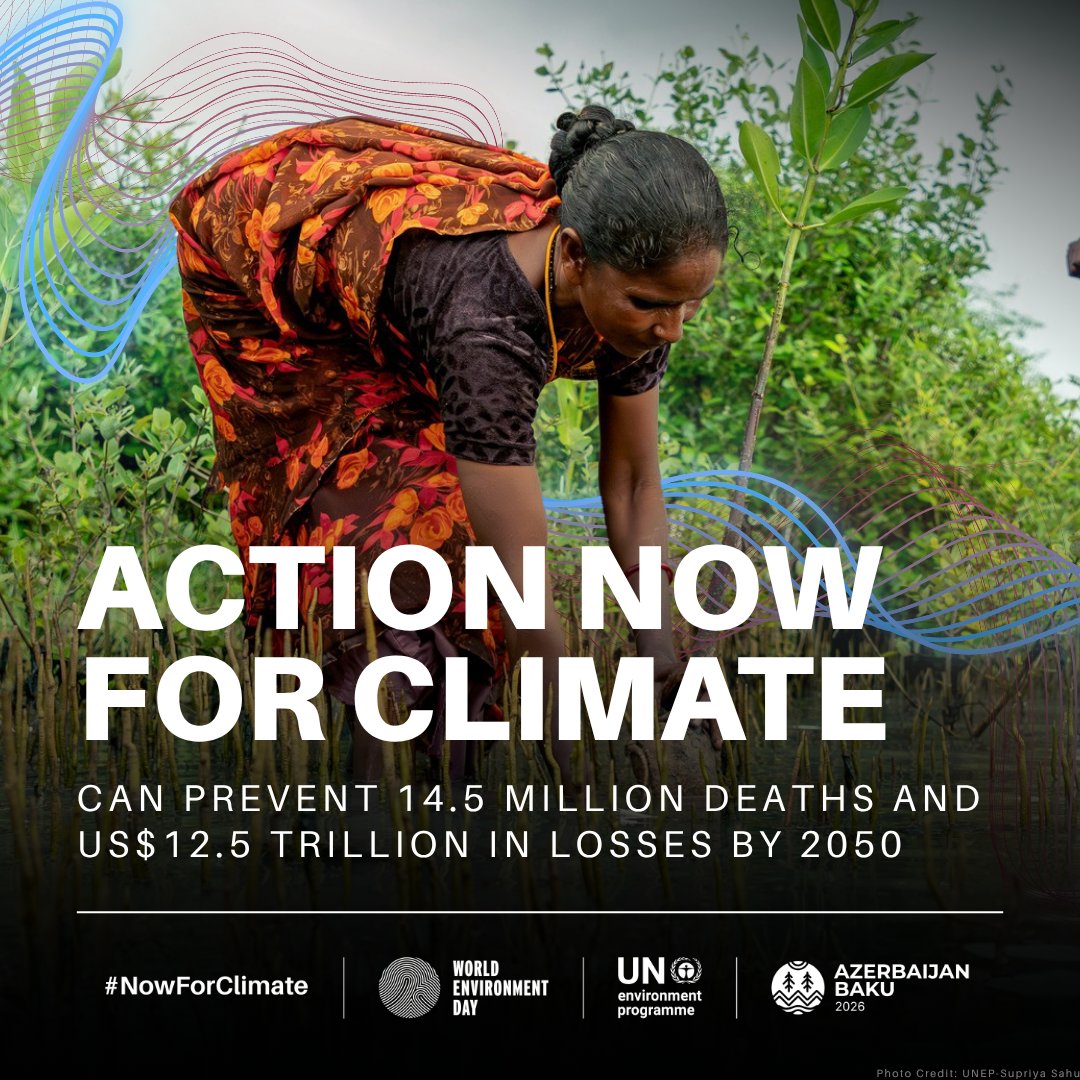
Join the conversation on June 8. #NowForClimate#WorldEnvironmentDay2026@UNEP
2/2
This Monday, June 8, @acrl_rfp convenes a webinar to ask: How do we bring that moral authority into the room where the global plastics treaty is being written?
Join us. Register: https://t.co/BeDoDSdwji
#NowForClimate@UNEP
Today is #WorldEnvironmentDay.
Africa's faith communities have been responding to the climate crisis long before it had a name. They work on the soils, the watersheds, the forests, and the communities that no treaty has reached yet.
1/2
#AfricaDay has passed. The accountability deficit has not. Africa’s future will not be built through dependency, extraction, or perpetual crisis narratives. It will be built through leadership,innovation,unity, industrialization, & strategic self-reliance. https://t.co/QmxBeJLdsr
No nation, no society, and no international order can call itself just and humane if it measures its success solely by power or prosperity while neglecting those who live at the margins. Indeed, Christ’s love for the least and the forgotten compels us to reject every form of selfishness that leaves the poor and the vulnerable invisible.
The world is not short of dialogue. What the world is short of is the courage to act on what we already know to be true."
Dr. Francis Kuria, speaking at the 4th Interfaith Symposium of the Indian Ocean Island Countries in Mauritius.
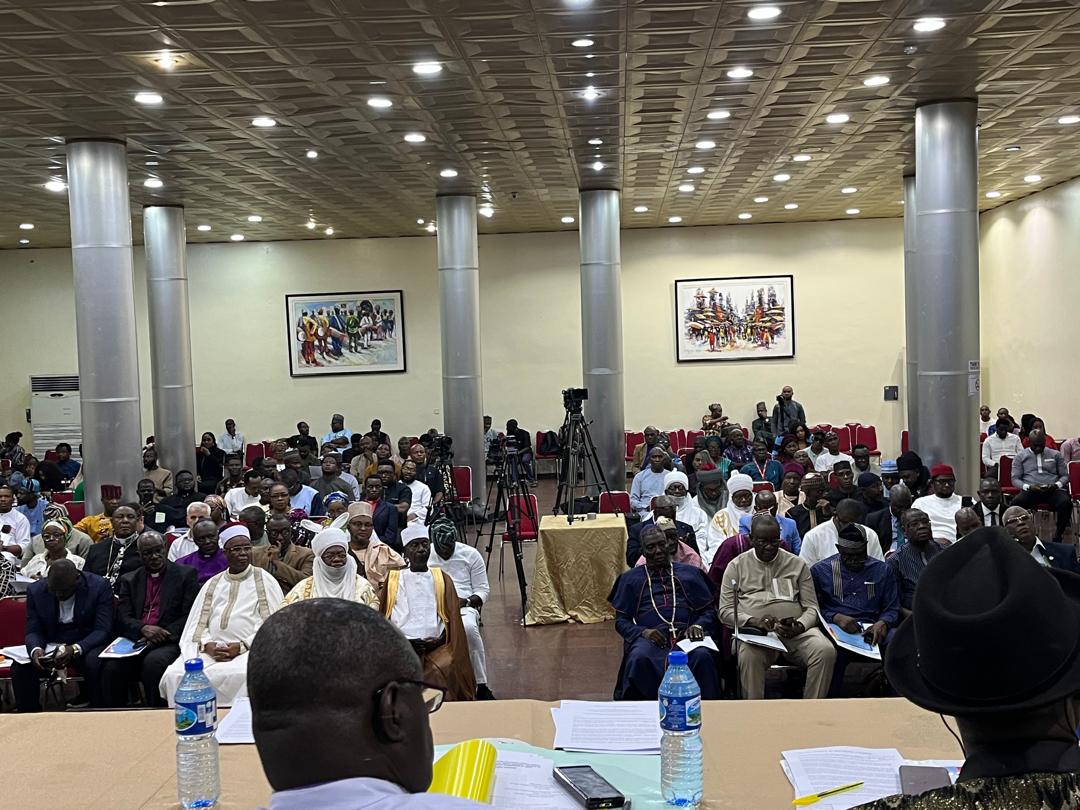
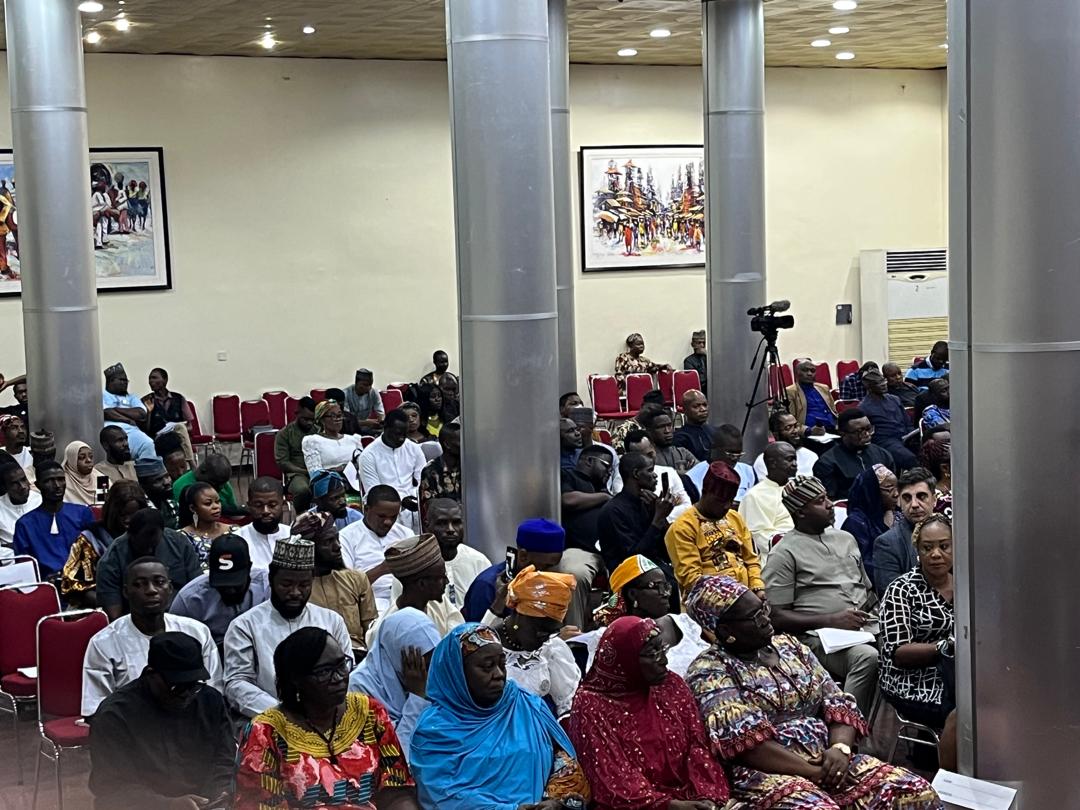
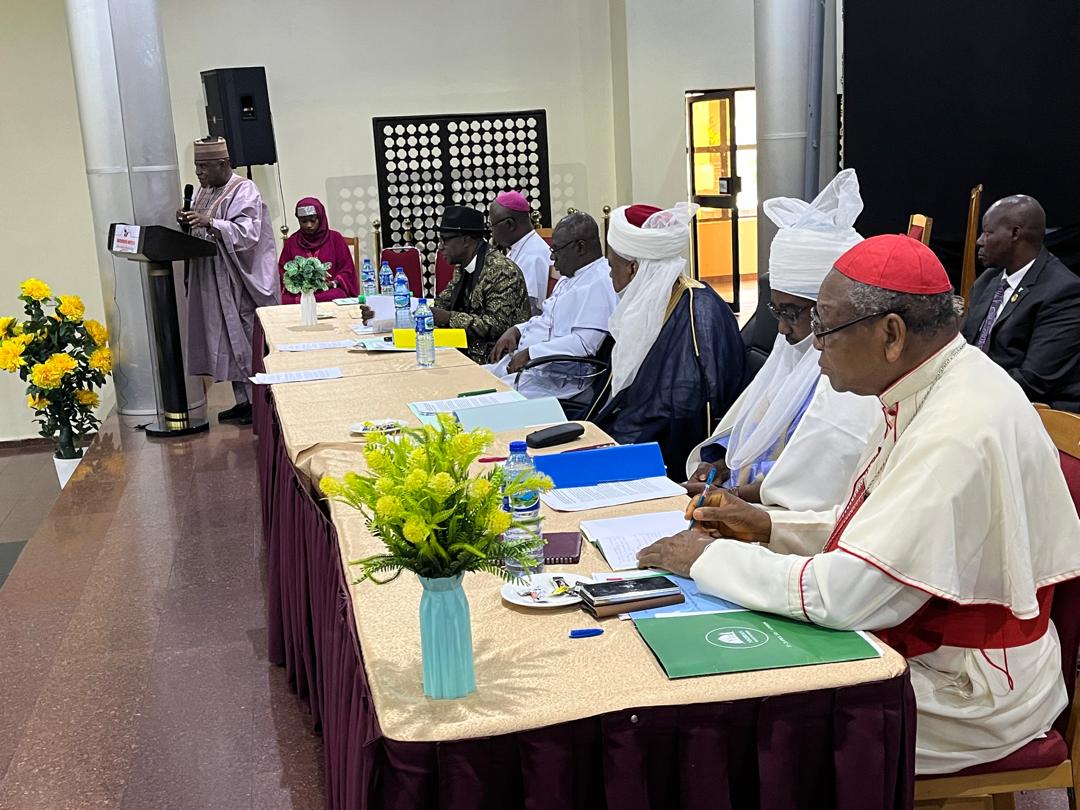
"Religious literacy for national cohesion." That was NIREC's theme in Abuja this month.
Across 35 African countries, councils like this are doing the quiet, essential work of keeping societies together.
Read the communique here: https://t.co/9N8l7rqLAm
#AfricanLedSolutions
Governance training only works when the people delivering it are already trusted.
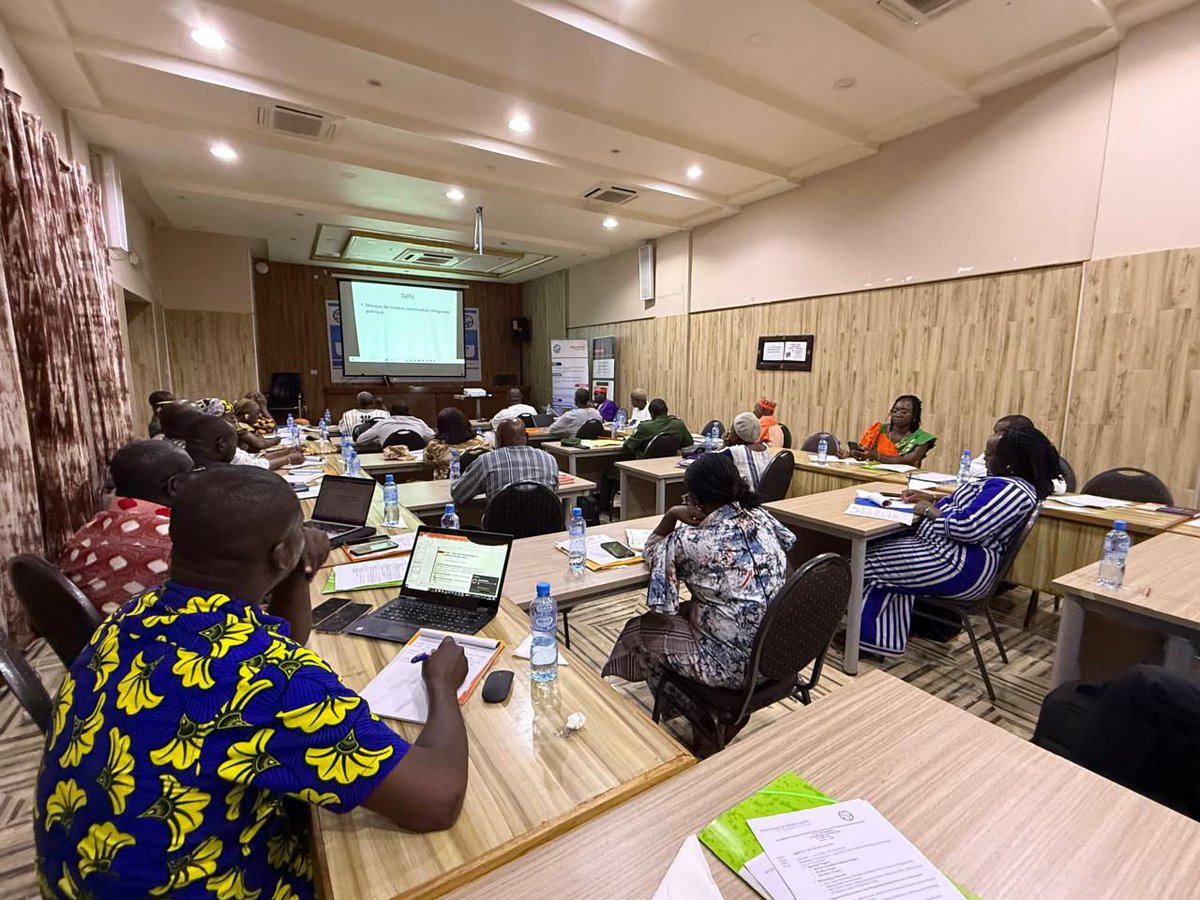
In Burkina Faso & Mali, Interreligious Councils built that trust long before any workshop began.
They are governance infrastructures.
https://t.co/fu9Xy1cPrp
#AfricanLedSolutions
Across Africa, the communities most affected by governance failure are often the furthest from the mechanisms meant to address it. Peace without accountability is not peace. It is a postponement. #AfricanLedSolutions#Governance#Interfaith
The Nigeria Inter-Religious Council convenes its first 2026 meeting on religious literacy for national cohesion. Driving understanding, reducing divisions, and reinforcing shared values through informed interfaith engagement.
#DifferentFaithsCommonAction
Across 34 countries, @acrl_rfp's national interreligious councils are doing something that bilateral agreements and peacekeeping deployments cannot do alone.
They are building trust across community lines — before conflict, during it, and after.
#DifferentFaithsCommonAction
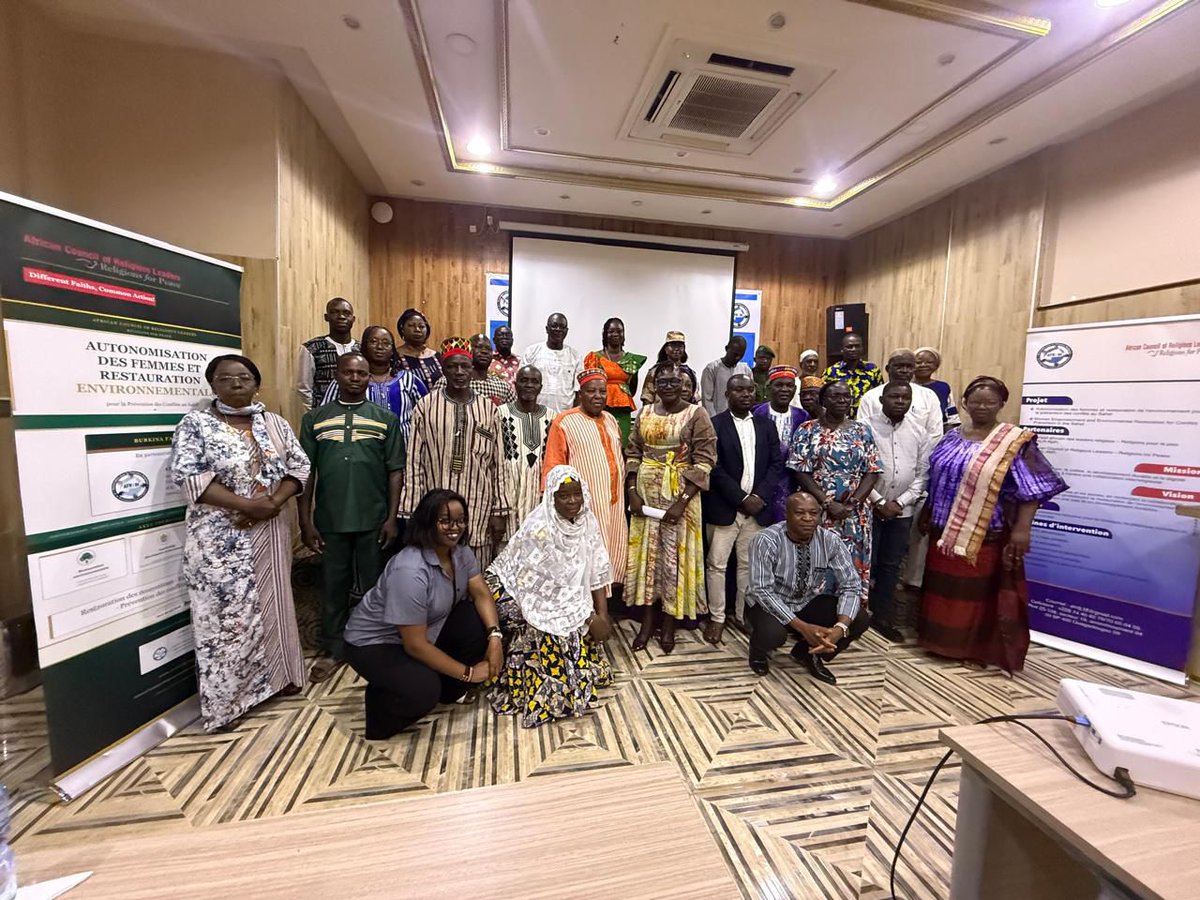
In the Sahel, conflict, governance failure, and environmental stress are one crisis.
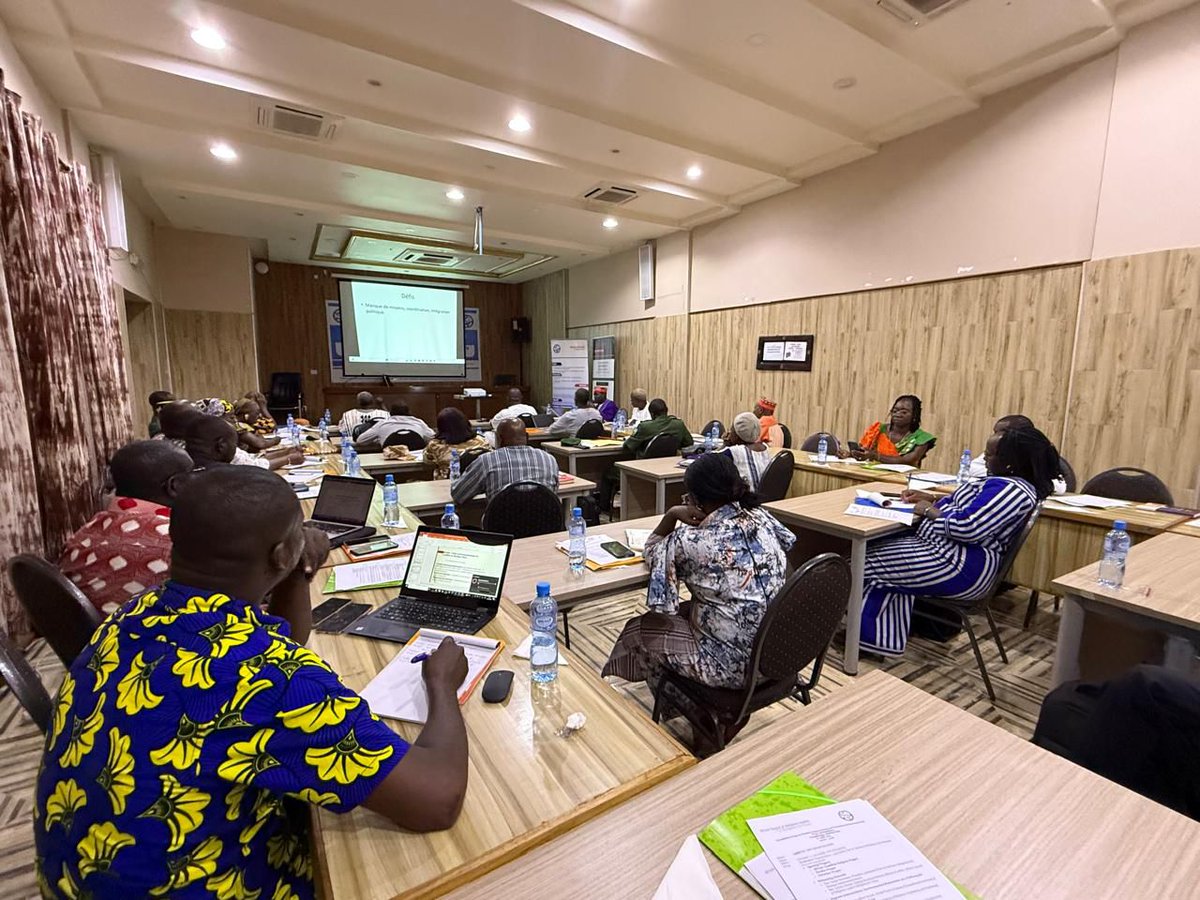
In Ouagadougou. Last week, @acrl_rfp brought state, faith, and community actors together to respond as one.
This is African-led solutions in practice. #AfricanLedSolutions#AfricaDay2026
#EarthDay ends. The ecological crisis does not. Faith communities across Africa are building long-term environmental commitment into their work — beyond the calendar. #FaithAndClimate#ClimateAction
In Islam, humans are khalifah—stewards, not owners, of the earth. In Christianity, creation care is a sacred mandate. In African traditions, land and life are inseparable.
These are not metaphors.
They are action frameworks.
#EarthDay2026#OurPowerOurPlanet#ClimateAction