@BasedSupps Things we’d ban if we ran the FDA:
- BPA/BPS
- Teflon & Non-Stick Pans
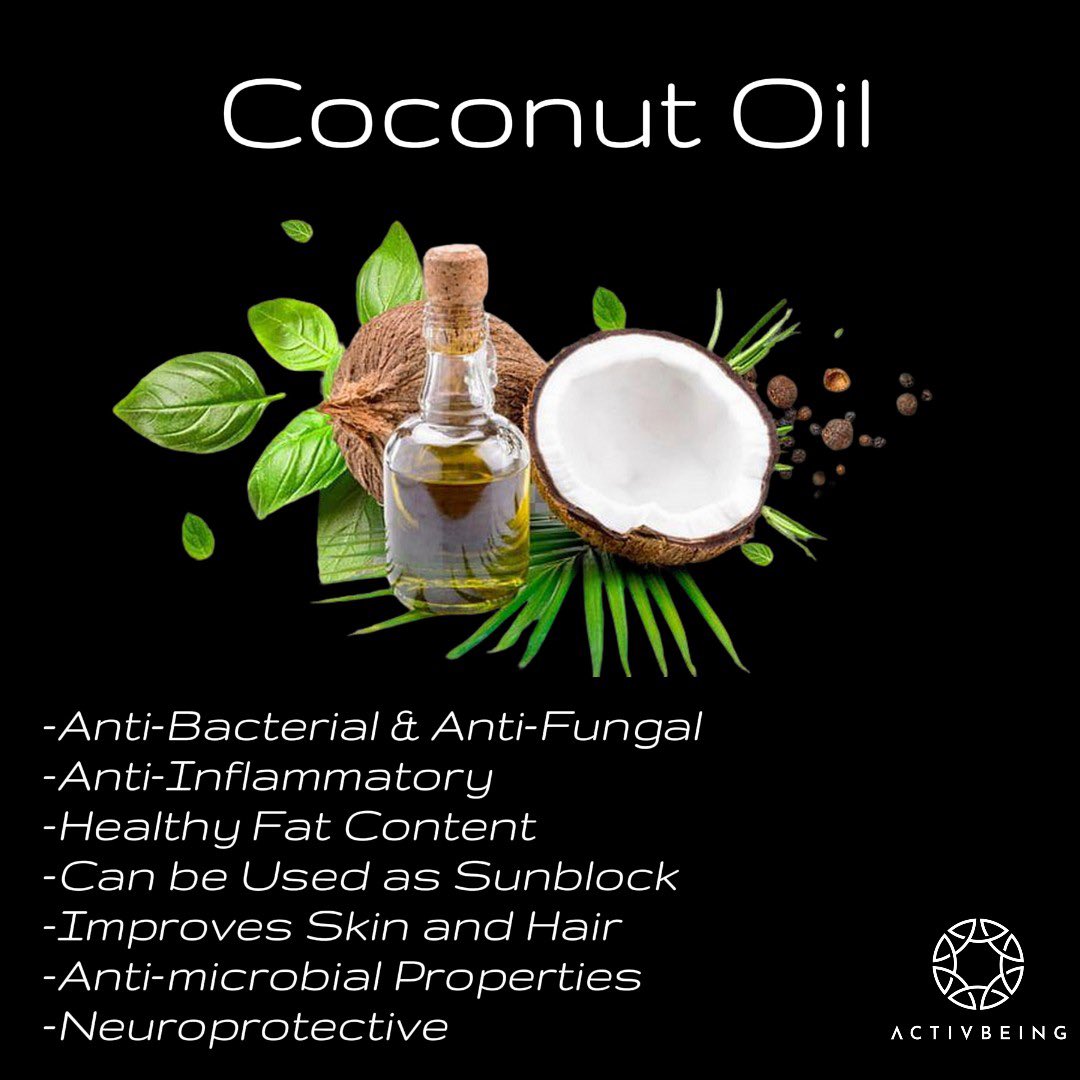
- Seed Oils
- Artificial Sweeteners
- Fluoride
- SLS and SLES
Effective immediately
@hughart_michael Feel free to fact check this through AI and or your own research, you’ll realize a common theme of companies buying what’s cheap not what’s good.
They care about shelf life not your life.
MSG is so delicious that it’s used to
- Disguise spoiled or low-quality food — used in pet food and cheap meats to mask decomposition.
- Accelerates neurodegenerative diseases: mimics mechanisms behind Alzheimer’s, ALS, and Parkinson’s.
- Obesity Research:
Scientists inject MSG into newborn mice or rats to deliberately destroy their hypothalamus and induce lifelong obesity.
- Blindness & Retinal Damage:
In high doses, MSG is used to simulate retinal damage, vision loss , and glaucoma. It kills retinal cells through overexcitation.
- Not food-safe in pharmaceutical-grade testing : High-purity MSG used in labs has strict handling warnings, despite being chemically similar to what’s added to your chips.
Wouldn’t eat the lab version? Then why eat the food version?
That is an excellent point! However, Companies rarely make decisions arbitrarily. Every policy, design choice, and marketing strategy is backed by data and psychology, customer well-being can easily become collateral. This is a clear example of how seemingly minor choices, like color schemes are actually calculated tools of influence designed to drive behavior… often at the customer’s expense.
Visibility isn’t the whole story. If it were, green or white, which are more visible from a distance than red or yellow, would be detrimental to fast food branding. According to the Journal of Experimental Psychology, green is more visible in peripheral vision and associated with calmness and safety, not urgency or hunger. Be careful in mixing up urgency and alertness with visibility.