Microbiologist and coowner of Model3D, a company that provides models for students to learn from PDB database of proteins that have been xray crystallographied.
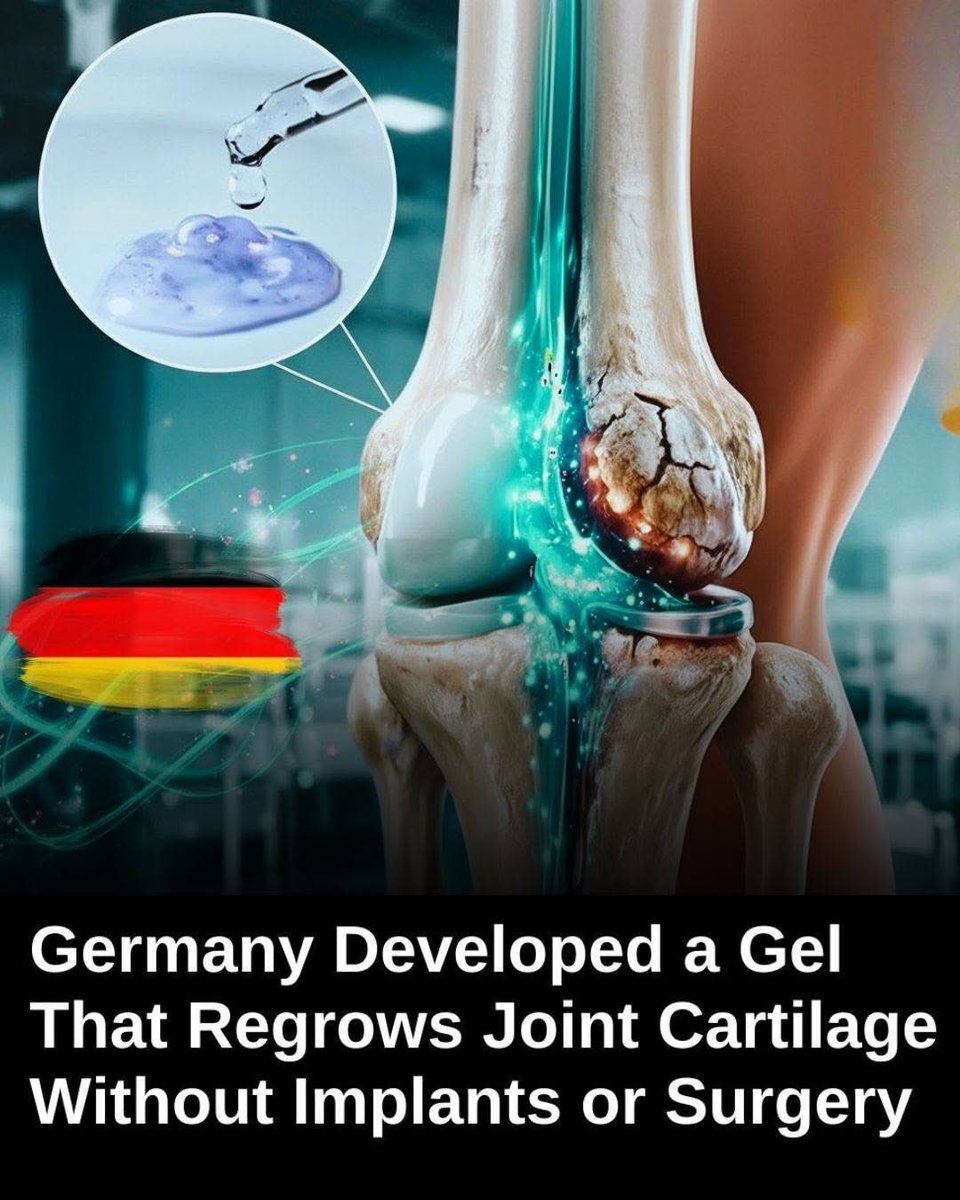
Researchers in Germany have created a regenerative gel that can regrow damaged joint cartilage without the need for surgery, implants, or invasive procedures.
The gel is injected directly into the affected joint, where it forms a protective matrix that guides the body’s own cells to rebuild new, healthy cartilage.
This process restores cushioning, reduces friction, and improves mobility, offering a powerful alternative for people struggling with arthritis, sports injuries, and long term joint degeneration.
Cartilage normally has very little blood supply, which is why it rarely heals on its own.
Over time this leads to stiffness, swelling, grinding pain, and loss of movement.
The new German gel changes that reality by delivering biological signals that activate dormant repair cells, encouraging them to grow fresh tissue that closely matches natural cartilage.
Early studies show improved joint structure, reduced inflammation, and smoother motion within weeks of treatment.
Patients treated with the gel report less pain, better flexibility, and easier daily movement, all without the risks tied to joint replacement or invasive operations.
Because the gel works with the body instead of replacing tissue with artificial materials, long term outcomes appear far more stable and supportive.
This breakthrough signals a shift toward restorative joint medicine.
Instead of managing pain or relying on surgery, future care may focus on helping joints rebuild themselves, giving millions the hope of living active, pain free lives again.
#HealthInsights #TheInsightHub #Wellness #Science
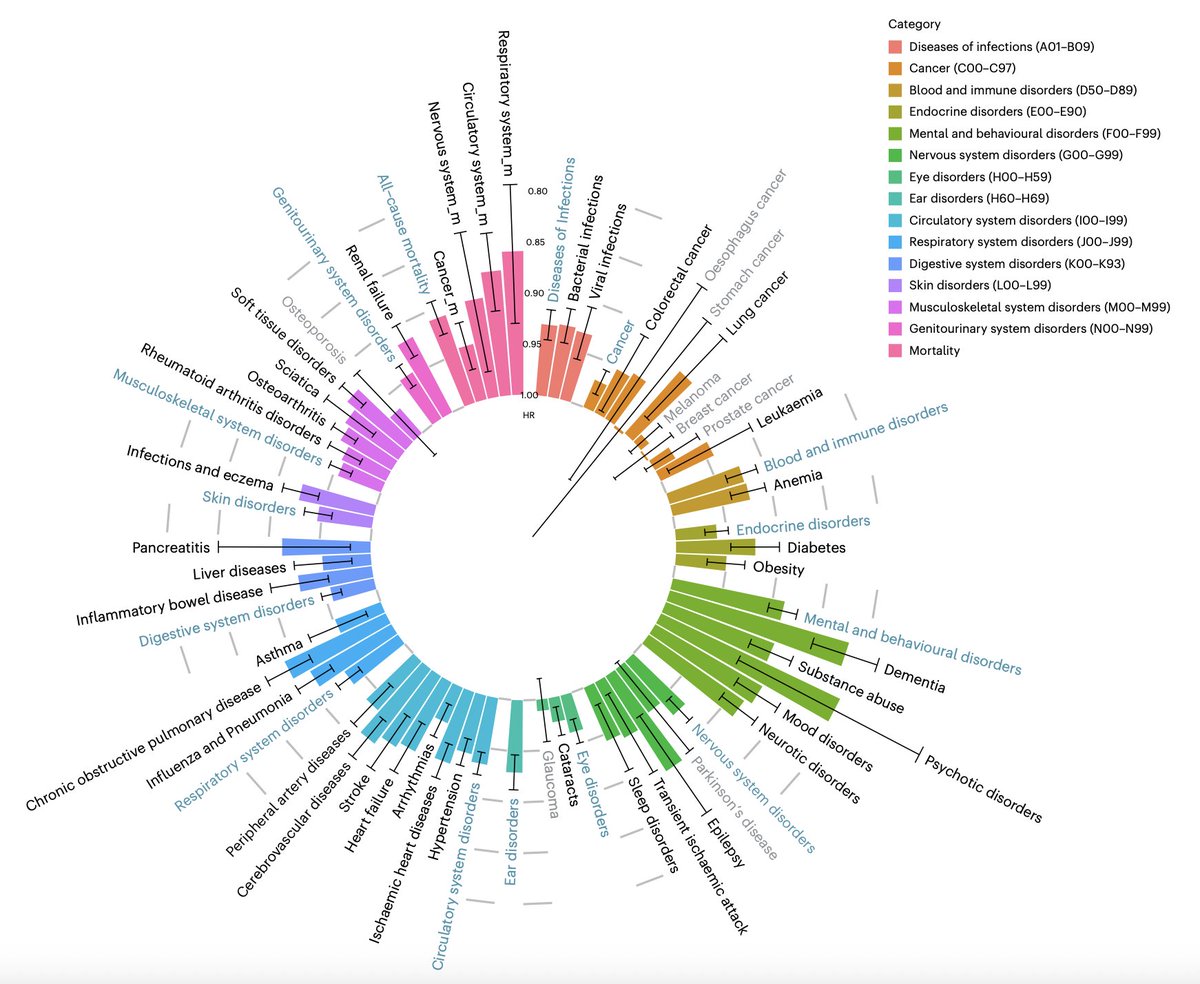
Researchers just developed a machine learning-optimised diet that reduces dementia risk by 36% - stronger than any existing dietary pattern.
The MODERN diet analysed 185,012 people over 10 years - here's what they found 🧵