Sir Roger Scruton agreed that we should strive to create an "island of sanity" in an ocean of despair, a phrase coined by my mentor, Alec Brooks, who later modified it to an "island of sanctity." As a Protestant Monastic Order, this has been our goal.
"The debut novel of a Protestant monk, Twin Suns Burning is a haunting fantasy exploring the Christian understanding of death and rebirth. Steeped in Biblical imagery, rich symbolism, and profound mystery, it will resonate with anyone who cherishes the strange and wondrous worlds of Narnia and A Wrinkle in Time."
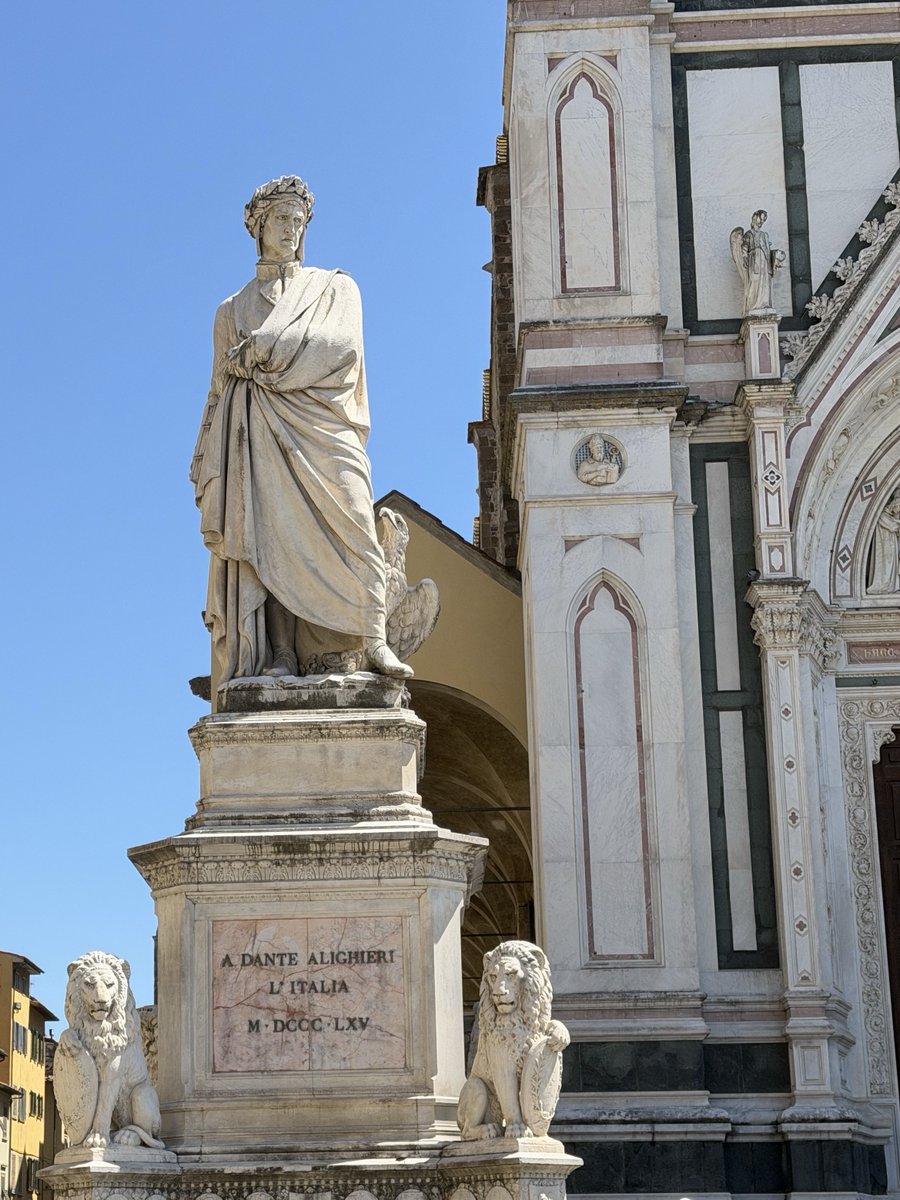
Dante Alighieri, whose Divine Comedy is “widely considered one of the most important poems of the Middle Ages and the greatest literary work in the Italian language,” is greatly honored in Florence, his home city, but was once exiled and therefore lies to rest in Ravenna. This is his statue outside the Basilica of Santa Croce in Florence.
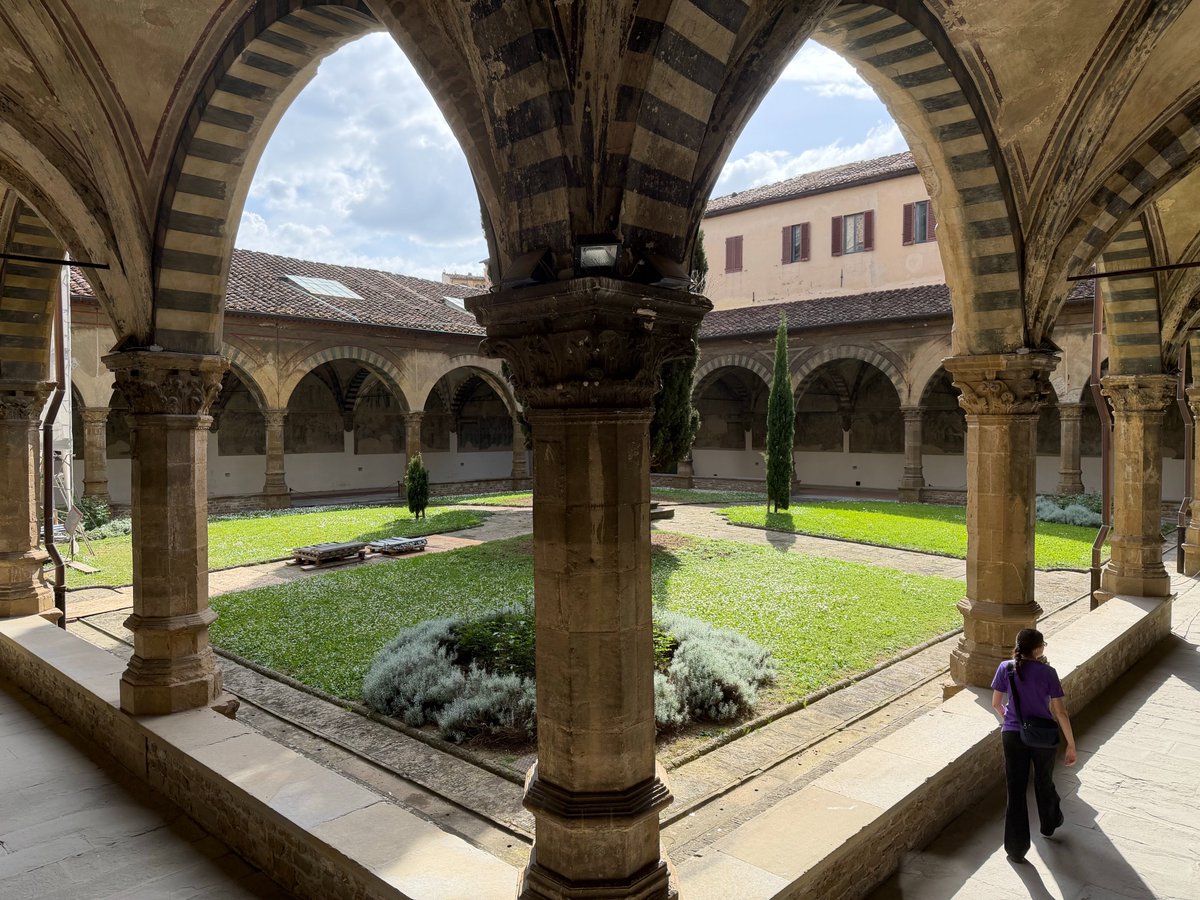
We could do with some modern cloisters - places of meditation and contemplation. This is the Green Cloister at the Basilica of Santa Maria Novella complex in Florence. Built between 1332 and 1350, it is an example of Italian Gothic architecture that bridges the medieval and Renaissance worlds.
I was intrigued looking at the 14th-century frescos inspired by Dante Alighieri’s Divine Comedy in the Strozzi di Mantova Chapel in the Basilica of Santa Maria Novella in Florence. Once I learned that these images reflected the somber atmosphere of Florence after the 1348 Black Death plague, which wiped out half of the city’s population, they took on an even deeper meaning.
"I am monarch of all I survey, My right there is none to dispute; From the center all round to the sea, I am lord of the fowl and the brute." William Cowper
It’s interesting to see what the young Michelangelo, as an apprentice, was exposed to. This is the Cappella Tornabuoni, the sanctuary chapel located directly behind the main altar of the Basilica of Santa Maria Novella. These frescos were painted by Domenico Ghirlandaio and his workshop (where Michelangelo was an apprentice) between 1485 and 1490. They depict the lives of the Virgin Mary and St. John the Baptist. Michelangelo came to dislike this style and went on to focus on idealized, heroic human anatomy.
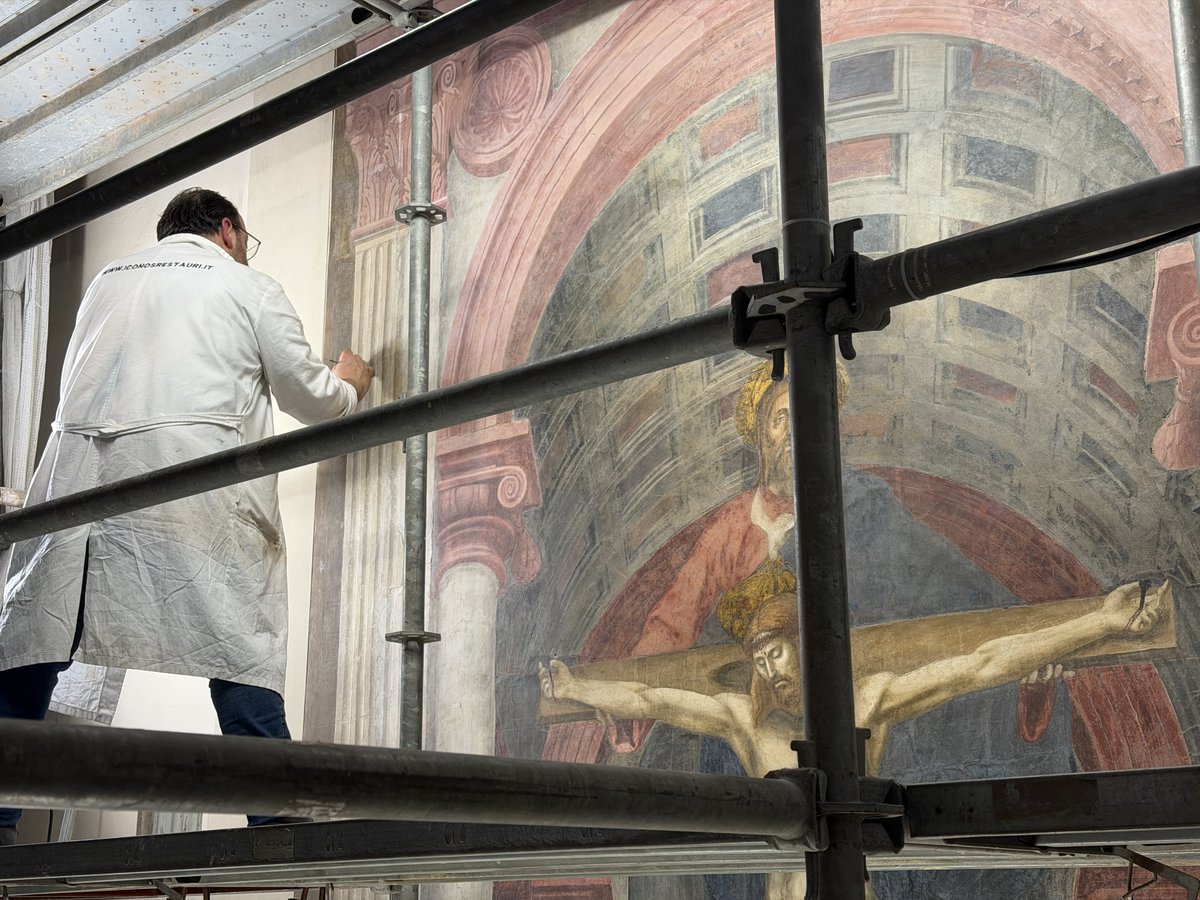
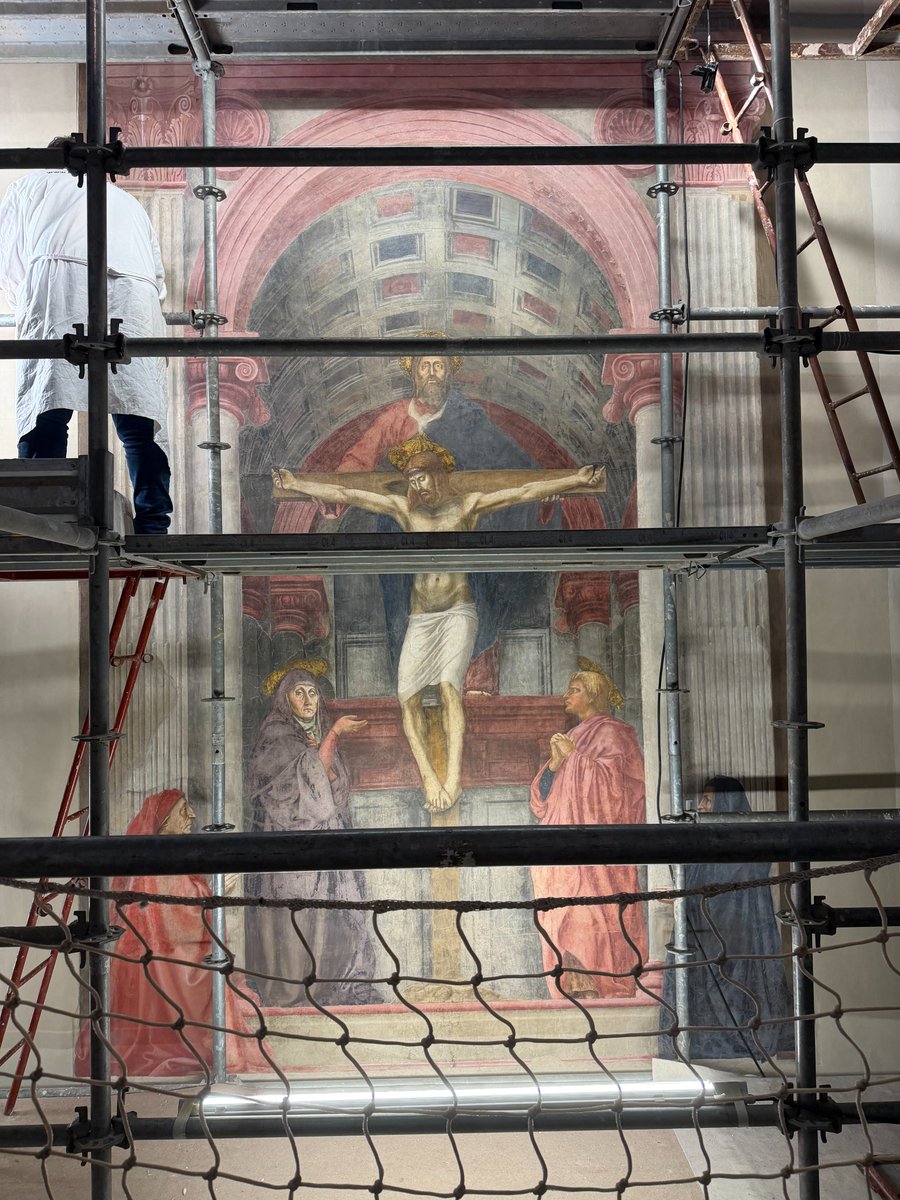
We so enjoyed observing firsthand the restoration of the fresco of the Trinity by Tommaso Guidi, known as Masaccio (1425-1426), at the Basilica of Santa Maria Novella in Florence.
The choir stalls in Santa Maria Novella in Florence are the masterpiece of Baccio d’Agnolo, constructed between 1491 and 1496 and later expanded and modified by Giovanni Gargiolli in 1566. Notable panels include depictions of St. John the Baptist, the patron saint of Florence, and St. Lawrence.
"The virtue that the Romans described as pietas consisted not in a rejection of customs, institutions, and laws, but, on the contrary, in an underlying acceptance – a humble recognition that we are not the producers but the products of our world. We must strive to be worthy of an inheritance that we did not create, and to amend it only when we have first understood it. Piety is not confined to the temple and the altar. It is an attitude to life, based in a recognition of our frailty and a respect for the dead." Roger Scruton