The FAA is now using AI to control air traffic in the United States.
Yesterday the Federal Aviation Administration (FAA) launched a major $875 million AI-powered system called SMART to improve U.S. air traffic control and cut flight delays, with a full nationwide rollout planned by 2028.
Named SMART (Strategic Management of Airspace, Routes, and Trajectories), the technology began its staged introduction in the busy airspace around Washington, D.C., including Ronald Reagan, Dulles, and Baltimore/Washington International airports.
By bringing together 200 separate data streams, such as real-time weather forecasts, current flight paths, and air traffic controller staffing figures, the AI engine is built to forecast airspace bottlenecks and arrange rerouting solutions much earlier than before.
While the agency plans a complete nationwide rollout by the end of 2028, transportation officials stress that the AI will serve only as an advisor and will not replace human air traffic controllers. SMART is built to propose scheduling changes and flight-path adjustments as far as 45 days ahead, but final operational decisions stay entirely with people.
This technology-led modernisation forms part of a wider infrastructure effort that supporters hope will cut frustrating travel delays, lower airline operating costs, and in the end reduce ticket prices for ordinary passengers.
[Federal Aviation Administration. (2026). Trump's Transportation Secretary Sean P. Duffy Delivers State-of-the Art Air Traffic Control Management Tool to Transform The Flying Experience, Reduce Delays & Cancellations For the Traveling Public. U.S. Department of Transportation]
LATEST: ⚡ BlackRock says AI adoption could be an underappreciated driver of digital-asset demand as AI agents increase the need for always-on, programmable payment rails.
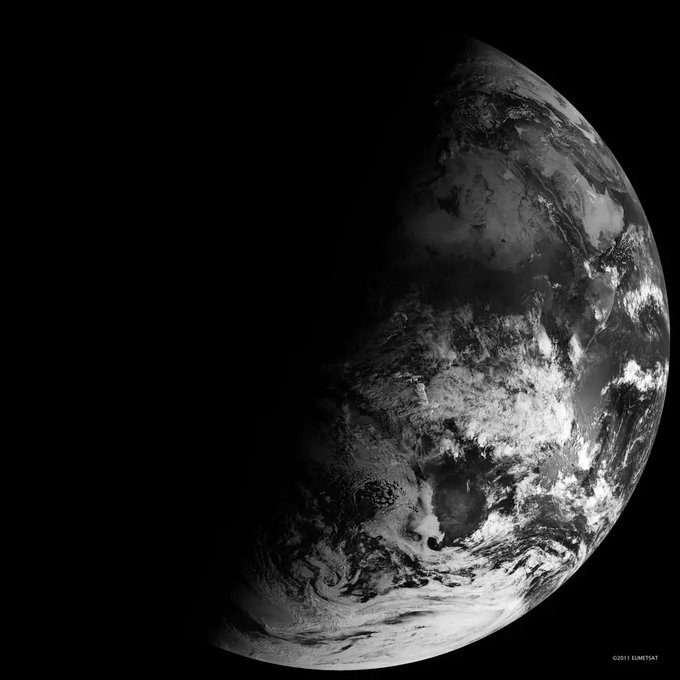
The 2025 December Solstice, the first day of winter in planet Earth's northern hemisphere and summer in the southern one, is Today at 15:03 UTC.
Also called the hibernal solstice, occurs when either of Earth's poles reaches its maximum tilt away from the Sun.