Some Hudson Bay polar bears are hanging on to the last ice. Satellite image is pretty cloudy & it's hard to see any ice but the bears found some. A few bears are likely swimming & we lose contact for a bit. It's an early break-up. For deniers, it's caused by "climate change".
Hudson Bay satellite image 2 days ago shows little ice & energetically expensive to move over. Freeze-up Nov. 10=137 days fasting (no problem), Dec. 10=167 days (mortality will edge up) & Christmas=182 days (higher mortality). Caveat: some bears onland for weeks already.
@AEDerocher Does this kind of breakup make it likely for more bears to get off the ice further east or will many try to swim that gap towards the Churchill/Wapusk area?
Hudson Bay polar bears are getting closer every day to heading to land. Temperatures spiked in western Hudson Bay today (far above normal) & sea ice will melt quickly under such conditions. Time to keep an eye open near communities & camps for bears arriving from the ice.
Lots of missing sea ice in Hudson Bay & the scorching temperatures today will likely increase the melt rate. A June break-up would be detrimental for polar bears.
Canada just surpassed 4 million hectares burned this year. For comparison, last year only 28 thousand hectares had burned by June 7th. That’s an increase of about 14400%. Wow!
@AEDerocher In Churchill it looks like there is no ice left out in the bay! Glad to see it's just a pocket of open water for now and the bears still have a bit of time before they need to move to land
If you think this weather has been strange, you're right. And it's about to get stranger.
The big dome in place for the last few weeks is about to move west. Normally major systems move east.
This will cause our weather over the next while to all come from the east coast...
1/
Nova Scotia now.
I'm worried we're next.
No rain in sight still.
Up to 32°C with extremely low humidity through all of next week.
If you are going to cottage country, use extreme care.
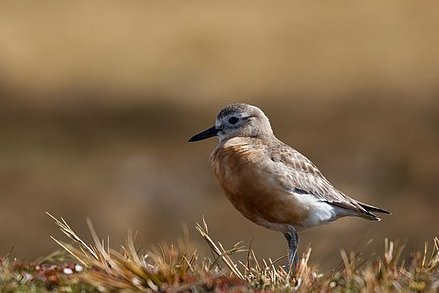
One of the world's rarest waders, Southern New Zealand Dotterel, is in more trouble after a loss of upto 50 birds in the last year alone with predation from feral cats a big problem. Population now just 126 birds! Full story here from @docgovtnz 🇳🇿➡️ https://t.co/X55ienfHQF
⚠️ Pesticides are killing birds across Europe⚠️
We have lost over 50% of European farmland birds in just 40 years.
A new collaborative study found that intensive agriculture, particularly an increase in pesticides and fertiliser use, is the main cause of most bird population declines.
The study measured the impact of land use and climate changes on 170 bird species monitored at 20,000 sites across European 28 countries over 37 years.
Once more, this shows the urgent need to support farmers in reducing pesticide use and adopting nature-friendly practices.
https://t.co/A6Eh9VhQJR
Concerned about conservation of #waders#shorebirds?
There is hope!
Look at the recovery of breeding numbers of Black-tailed Godwit in England:
https://t.co/3swNp75cAM
A small number of good breeding years can compensate for long-term declines.
#ornithology#phenology
@Jess_inthewild Agree with everyone else saying greater! Another good field mark that you can look at in the spring is the dense barring on the flanks that is usually not as bold in a Lesser
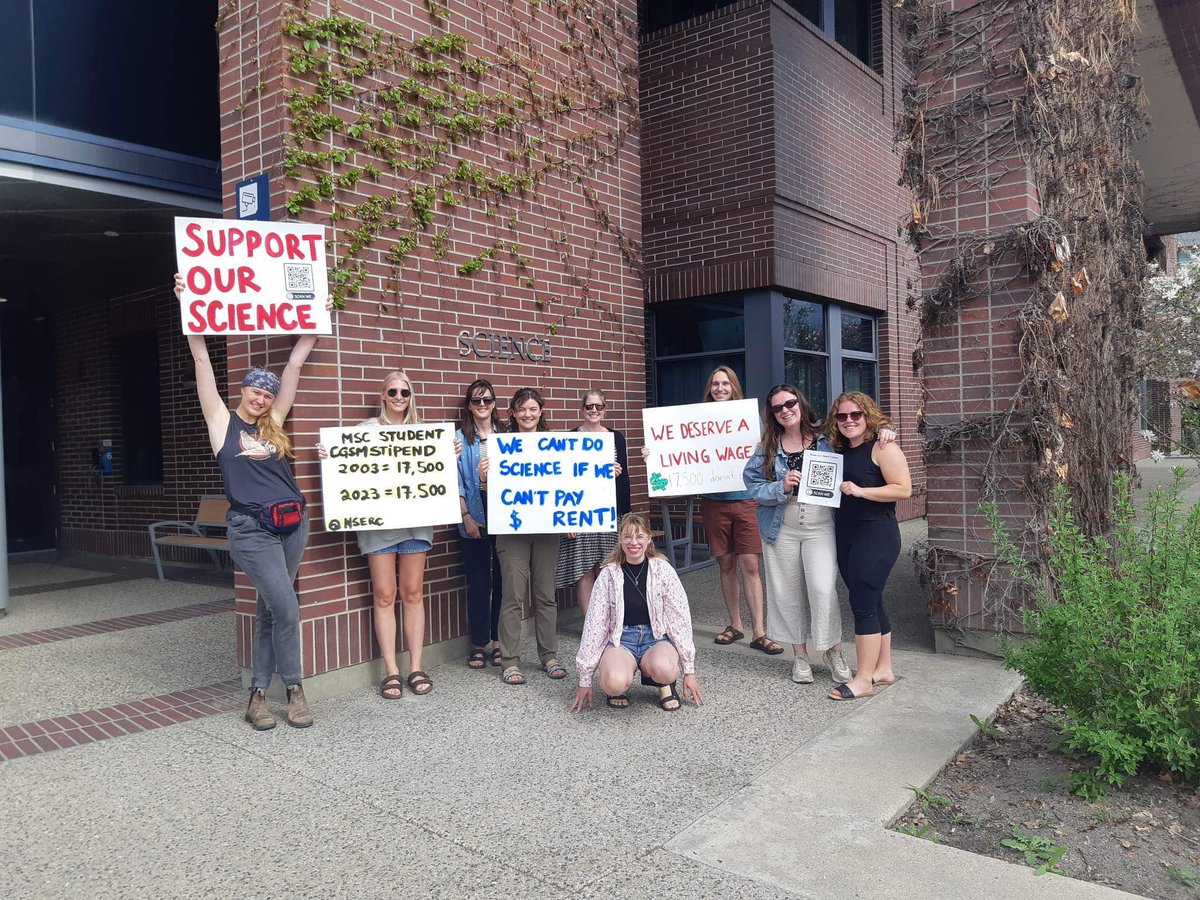
Today is the 10th anniversary of the 1st day of my undergrad internship, the 1st day I was ever paid to do research. My wage was $13.75/hr. I'm now in the last year of my PhD and my stipend works out to $12.56/hr after tuition. 🇨🇦 needs to do much much better. #SupportOurScience
17,500$ a year is a laughable stipend for MSc students today. It actively bars those who cannot afford the added financial stress of seeking higher education thereby decreasing the diversity in science! @NSERC_CRSNG
A graduate degree is workkkk!