A group of our friends decided we're all going to make Powerpoint presentations about random stuff we're interested in and present them to each other. We finally got around to starting it yesterday, and I taught everyone about the Voyager golden record.
no idea what opal is building but i always loved their camera design and they’ve got an impressive team
this is probably one of the cleanest sites I’ve seen
curious to see where they go from here and what openai saw
NBA Jam had hidden code that made the Chicago Bulls miss last-second shots against the Detroit Pistons.
The creator was a Pistons fan.
So if the Bulls tried to win at the buzzer against Detroit, the game quietly sabotaged them.
Petty coding at an elite level.
I didn't know about corner-shape CSS! Pretty fun to see the other options for it beyond the squircle (I'm sure that was the main reason for this). Chrome only for now though. https://t.co/BD672CsLai
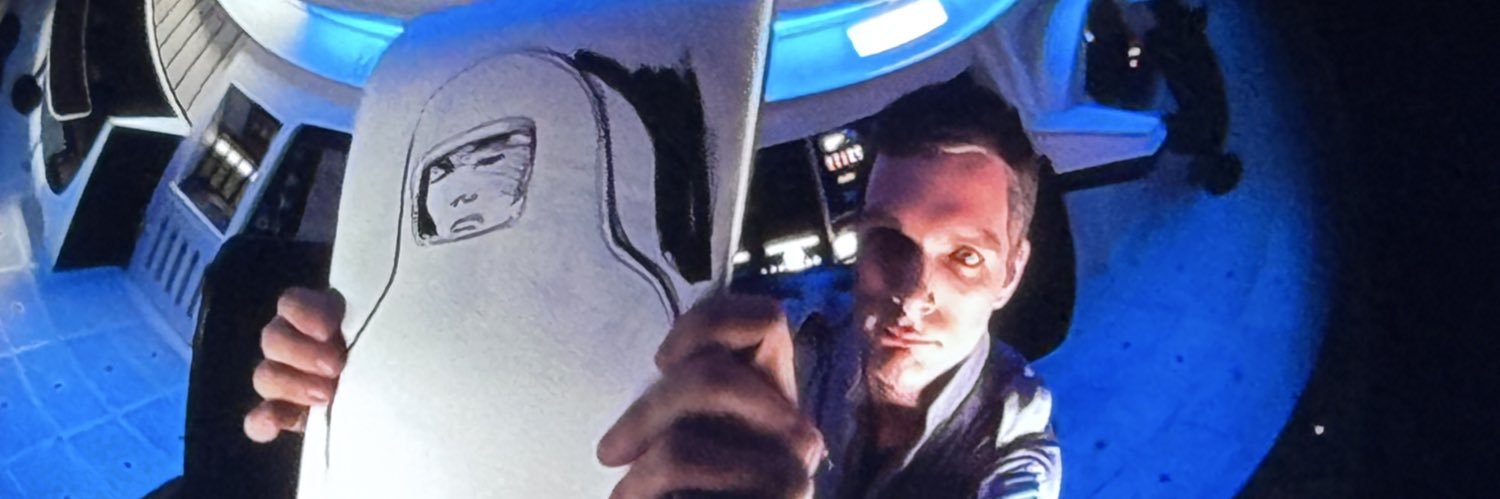
When I’m watching a basketball game, I want them to use the weirdest camera angles possible. Anything is cool with me, so long as it makes it harder to figure out what’s going on. I watch to be confused.
This is fully realtime — not sped up.
I’ve been experimenting with Realtime-2 and trying to move beyond “turn-for-turn” conversations. No toggling Whisper. Just endlessly talking into the terminal.
Paired with Codex Spark, the immediate feedback starts to feel pretty magical. By EOY, I imagine we’ll be doing this with top-tier models.
the braintrust at pixar is a pure “standard‑holding” mechanism. it concentrates experience, pattern recognition, and taste, but not authority.
directors are obligated to listen and to engage seriously with the feedback, but they are not obligated to obey it.
so you still get the benefit of accumulated taste without freezing the system around a small set of decision‑makers. new work can still emerge that doesn’t look like the previous hits, because the standard is advisory rather than veto power.
basically, architect your organisation so that taste is maximally shared and consulted, but minimally centralised in the actual decision pipeline.
Fidelity Slider
Idea I've been thinking about for past few years on direction of ai software prototyping tools. Represent and bind multiple layers of fidelity so that things can be reasoned about through the lens most relevant to you. Each step in the process affords a different type of feedback.
Changes from one fidelity propagate and update in realtime. Pretty slow today, but exciting to think about.
the problem with this line of thinking is looking at # of people in a role before looking at % of any given job function performed by AI
while slowing of designers getting hired is likely (although, contrary to this post, has not really begun happening at scale, yet)… that has been a preexisting trend, unrelated to AI momentum
a few years ago, the industry started to prioritize smaller, leaner, higher caliber design teams, completely separate from AI progress
the designers that thrive in that have always been ones to go beyond delivering static mockups; whether as builders, delivering prototypes or building things themselves, or on the front side, helping define what to build/why/etc.
meanwhile, engineers’ workflow has entirely shifted BECAUSE of AI, and the % of their role (quantified by amt of code written) has been outsourced to it
if you’re a designer, make yourself valuable. it likely looks like doing more than producing static mocks. but that’s been the case for many years.
its 2007. your online friend is gonna send you a ffffound invite. you're excited to try a plugin called scriptographer. you just discovered experimental jetset. 'infinite scroll' sounds like an item from an mmorpg. no one calls themselves a product designer.
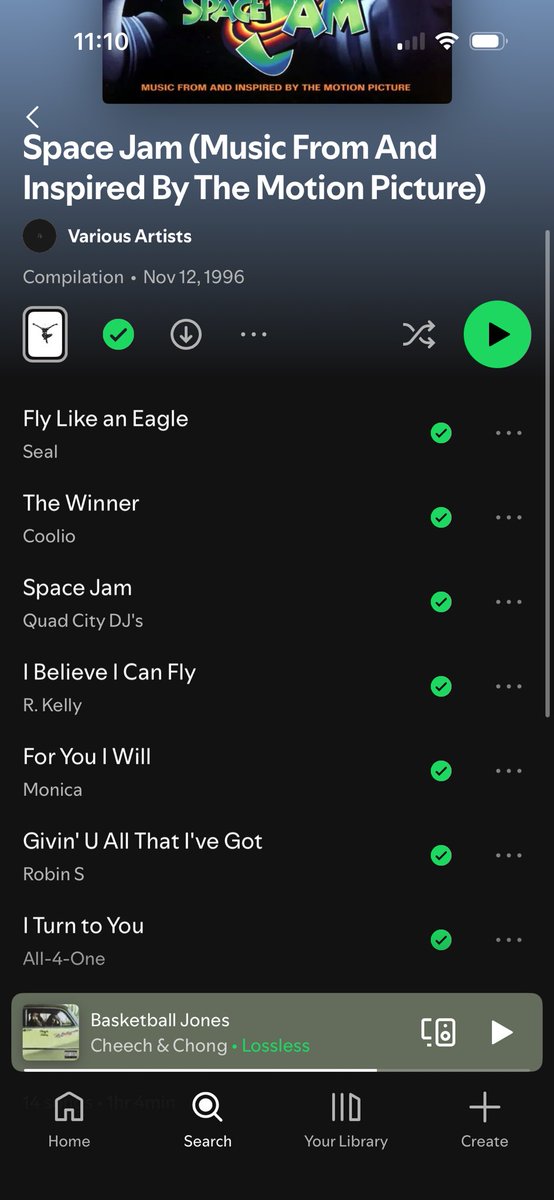
The complete Space Jam (1996) soundtrack is not available on any music streaming platform. Only Apple Music even shows the full track list. Look at what they have taken from us.