Is your child’s social media secretly exposing them to hidden dangers?
Are you aware of who they’re chatting with, what they’re watching, & what they’re sharing online?
What steps are you taking TODAY to protect their digital world before it’s too late? #OnlineSafety#Parenting
🚨 TikTok isn’t just fun videos—it can expose kids to serious online risks. From strangers to harmful content, dangers are real. Here are TikTok red flags every parent should NEVER ignore
When Newsfeed is full of war, Kids feels fear
We scroll for updates.
They read, scrolling, and doubt.
They do not say anything sometimes... but there is what they have seen in their silence.
The internet raised our kids faster than we did.
Before we could teach them confidence, it taught comparison.
Before we explained boundaries, it showed them the algorithms.
Before we understood the risks, they were already living in them.
Parenting didn’t slow down.
The digital world sped up.
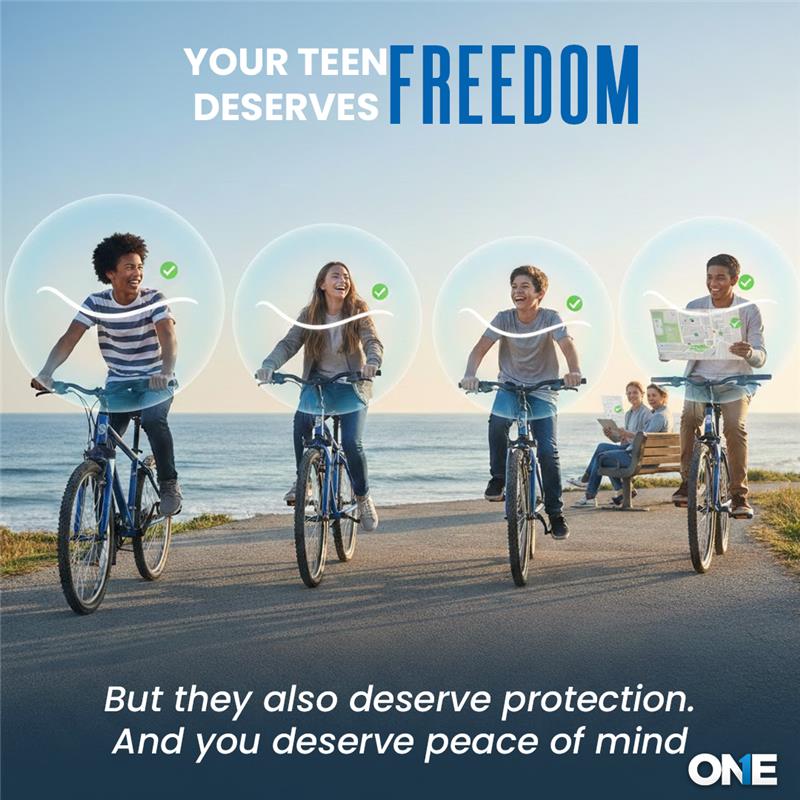
Your teen deserves freedom.
They deserve growth.
They deserve digital exploration.
But they also deserve protection from risks they don’t fully understand yet.
And you deserve peace of mind.
Thread:
Teens Delete Things Every Day — Not Because They’re Bad, But Because They’re Afraid of Being Misunderstood
Teenagers delete messages, photos, and chats far more often than adults realize. This behavior is usually misunderstood as secrecy or rebellion, but in most cases, it’s driven by fear of misinterpretation rather than harmful intent.
Teens live in a world where a single message can be taken out of context. They worry that parents might:
Overreact
Jump to conclusions
Take away their devices
Misread emotional conversations
As a result, deleting content becomes a defense mechanism. It’s a way to avoid conflict, embarrassment, or uncomfortable explanations—not necessarily to hide wrongdoing.
Understanding this motive is critical. When parents assume the worst, teens are less likely to open up. When parents recognize deletion as a coping behavior, it opens the door to healthier conversations.
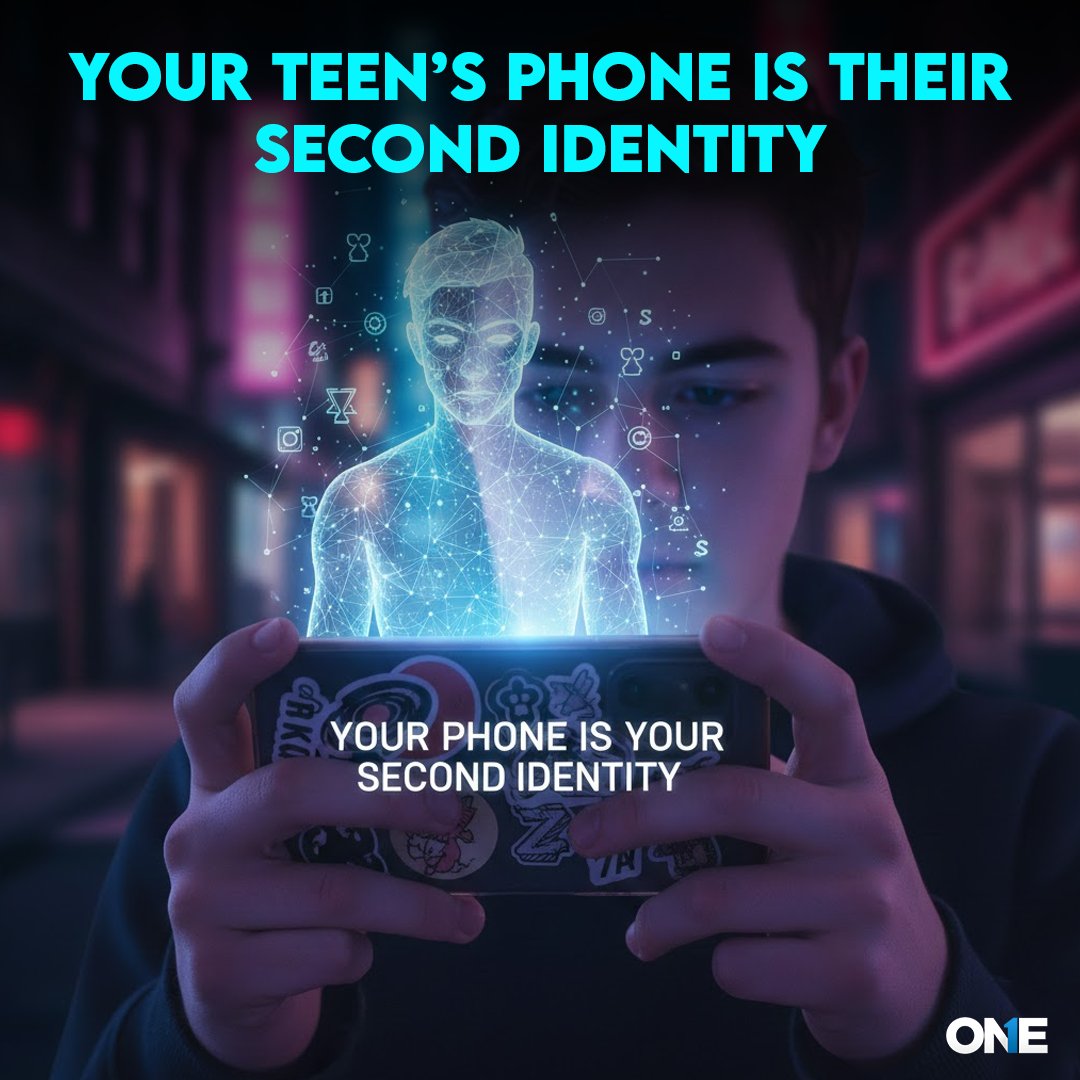
Your Teen’s Phone Is Their Second Identity
In 2026, kids don’t just live one life.
They have two:
🏫 the one you see at home & school
📱 the one shaped by apps, chats, and algorithms
Parents usually witness only one.
Replacing Real Conversations: Instead of calling friends or family members, teens are now turning to AI for their conversations. Discussing with AI is easier, and it never misunderstands, judges, or pressures, as it does in real life.