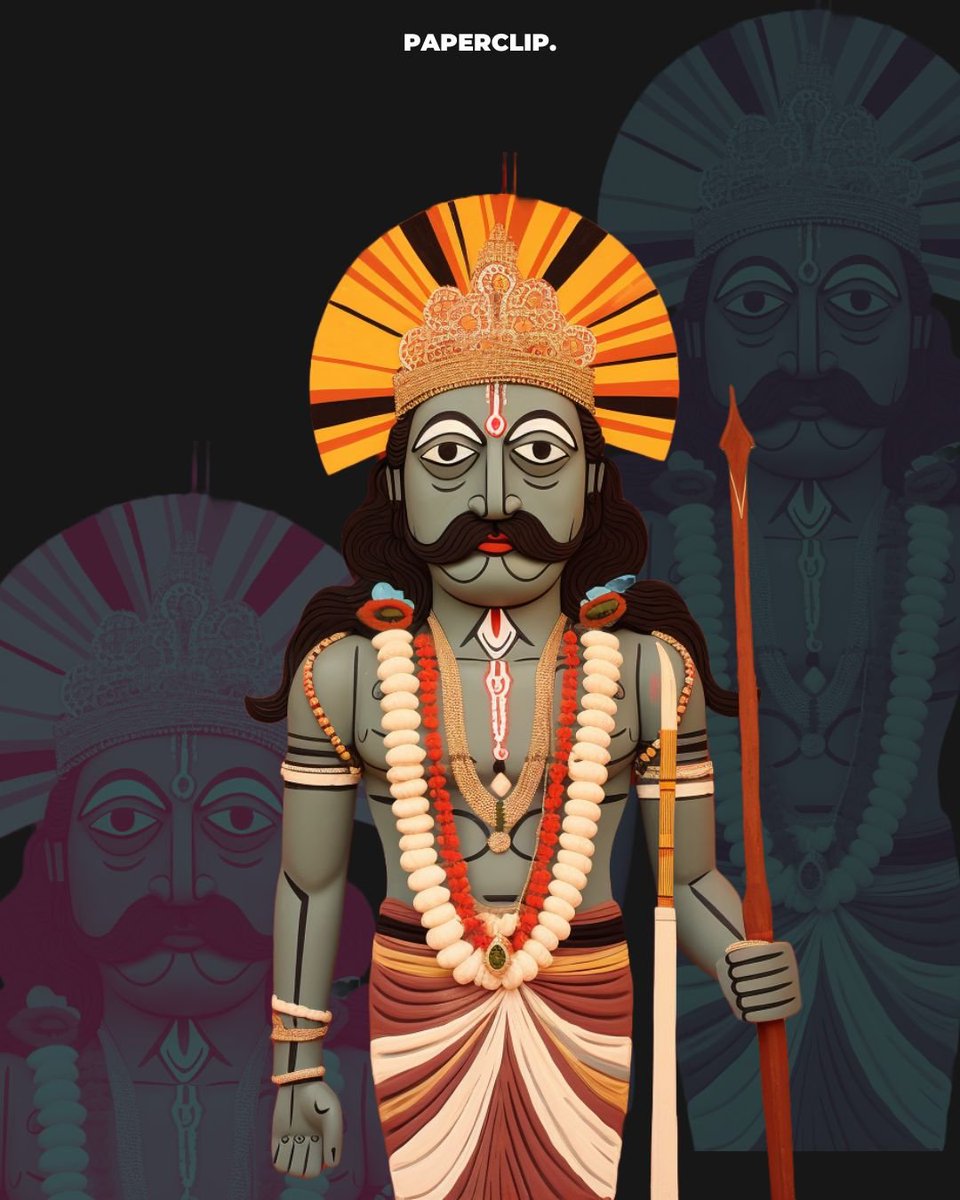
Every year, as September ends, a smell of festivity lingers in the air in Eastern India. The region is awash with anticipation of the arrival of Maa Durga. But for one small group of people, it is not a time for celebration but of mourning. Read on to find out (1/)
"Winner of the Sahitya Aakdemi Award, Sahni's iconic novel about the Partition of India tells the tale of an unfolding riot from different vantage points."
Giving away one paperback copy of this book - results at 6 PM tomorrow (8 Sept). RT to enter giveaway 😊✨
What a glorious moment for Indian sport. If there’s one video you must watch today, it’s this. The disbelief in the commentators voice at 2.28 mins… "Is that India") 😇
4 x 400 men’s relay, amongst the best in the universe. Yahiya, Jacob, Ajmal, Rajesh. Love 💙u guys 🇮🇳
“I have Muslim friends that I’m close to but they have never expressed their anguish to me.”
It’s because they don’t trust you enough with their emotional well-being. They don’t even have the luxury of venting out their anxiety.
Just as men will never truly feel what it is like for a woman to live her life with her guard up, looking over her shoulder, a Hindu will never truly know what it is to live as a minority in India - your identity under threat 24x7.
From casual remarks in social circles to outright hatred being peddled in the media and on the streets, every single Muslim citizen is in some form of anguish over what’s happening, no matter where in the country they live.
This is not who we once aspired to be.
Everyone who has chosen to stay quiet when the fringe was just fringe - has enabled this venomous ecosystem our future generations will grow up in.
"I have *minority* friends” is a statement to make yourself feel better. They are not specimen samples to prove your misguided sense of inclusivity.
We all have hate-spewing relatives, friends, colleagues and neighbours. Call out their bigotry to their face or disconnect/distance from them. Please exit that toxic WhatsApp group.
We are far too deep within the rot to simply "adjust".
Do you realise that if those brainwashed youth on the streets had access to education, they would have been demanding jobs instead of blood?
It is easier for their masters to keep their raging testosterone occupied with destruction and unrest. None of those youth have any clue what their own religion stands for - let alone someone else’s.
Their frustration with life and lack of purpose has been brutally and strategically weaponised.
Maybe we don’t speak out enough because it is truly emotionally taxing to deal with trolls and online assault.
Compare that to people who are likely to be ostracised, disenfranchised, or even killed for merely belonging to another religion or to a tribe that’s settled for centuries on valuable land.
I pray to the universe that the hate doesn’t come to your door. That’s the nature of hate. Once released in the air, it finds its way into everyone’s nostrils.
Remember… for the one in love with power, everyone else is the enemy.
💪🏻🇮🇳❤️
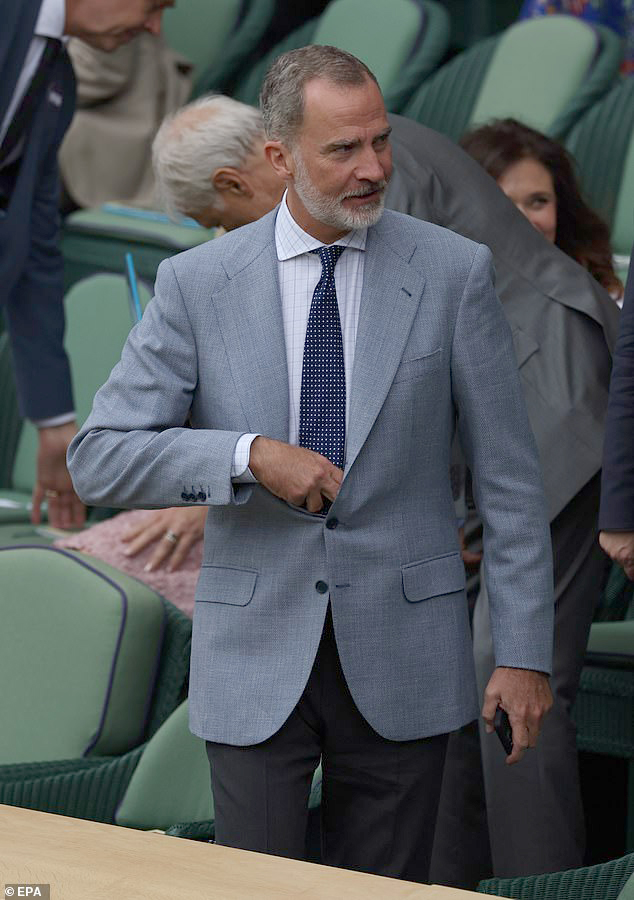
King of Spain at the final day of Wimbledon. This looks great.
Very rare to see this level of tailoring nowadays, even on the wealthy. So let's talk about some of the reasons why it's great. 🧵
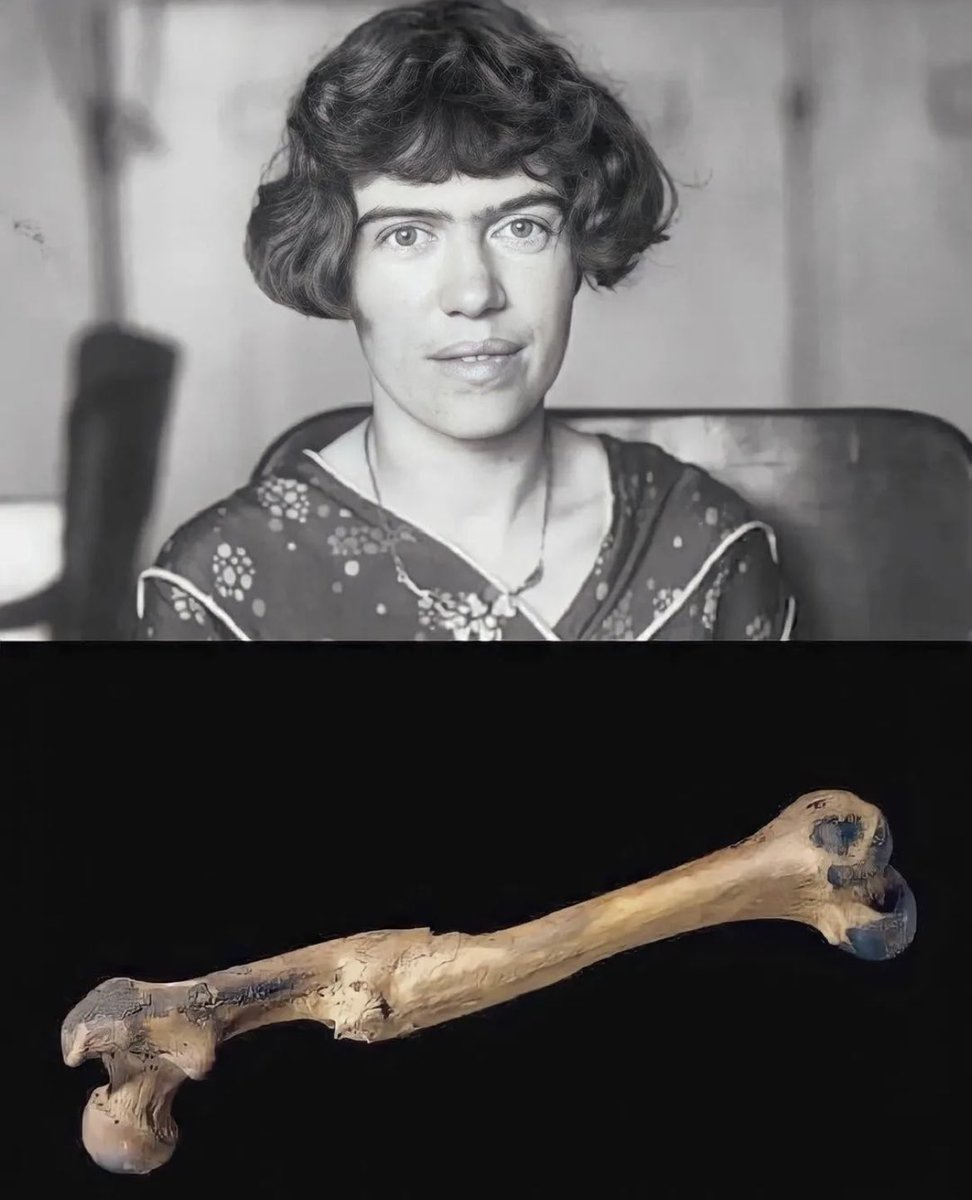
The concept of civilization is often associated with various tangible artifacts and advancements, such as tools, architecture, or systems of governance. However, anthropologist Margaret Mead presented a different perspective when she was asked about the first sign of civilization in a culture. Rather than focusing on material objects, she emphasized the significance of a healed femur bone.
In Mead's view, the animal kingdom provides a stark contrast to human civilization. When an animal breaks its leg, survival becomes nearly impossible. The inability to escape from danger, access water, or procure food renders the injured animal vulnerable to predators. Consequently, no animal lives long enough for a broken leg to heal naturally. Thus, the healing of a femur bone is a profound indication of civilization.
Why is a healed femur bone considered the first sign of civilization? Mead's explanation lies in the collective care and empathy demonstrated by a community. When someone breaks their leg, it is a moment of extreme vulnerability and danger. However, if the injured individual receives aid and support from others, they can overcome this critical period.
The act of caring for someone with a broken leg requires time, compassion, and a sense of responsibility towards others. Mead suggests that the healing process involves multiple steps. First, someone must have witnessed the accident and recognized the injured person's distress. Then, they would have provided immediate assistance, possibly by binding the wound and ensuring the person's safety. Finally, they would have stayed by their side, offering ongoing care and support during the recovery period.
By highlighting the significance of collective care, Mead emphasizes that civilization begins with the recognition of the suffering of others and the willingness to help. It is through acts of compassion and support that a community establishes its foundations of empathy, cooperation, and social cohesion. The healing of a broken femur, symbolizing the survival and recovery of an individual within a community, reflects the values and actions that underpin a civilized society.
Mead's perspective challenges the notion that civilization is solely determined by material progress or technological advancements. While such developments are undoubtedly important, they are built upon a deeper foundation of human connection and mutual aid. The healing of a broken femur bone serves as a metaphor for the care and support that individuals provide to one another, promoting the well-being and progress of society as a whole.
In conclusion, Margaret Mead's unconventional response to the question about the first sign of civilization reminds us of the fundamental importance of collective care. Civilization, she argues, is not solely defined by tangible artifacts or structures but by the empathy and support extended to those in need. The healing of a broken femur bone represents the compassion and responsibility that underpin a civilized society, highlighting the significance of human connection and mutual aid in fostering progress and well-being.
लावणी
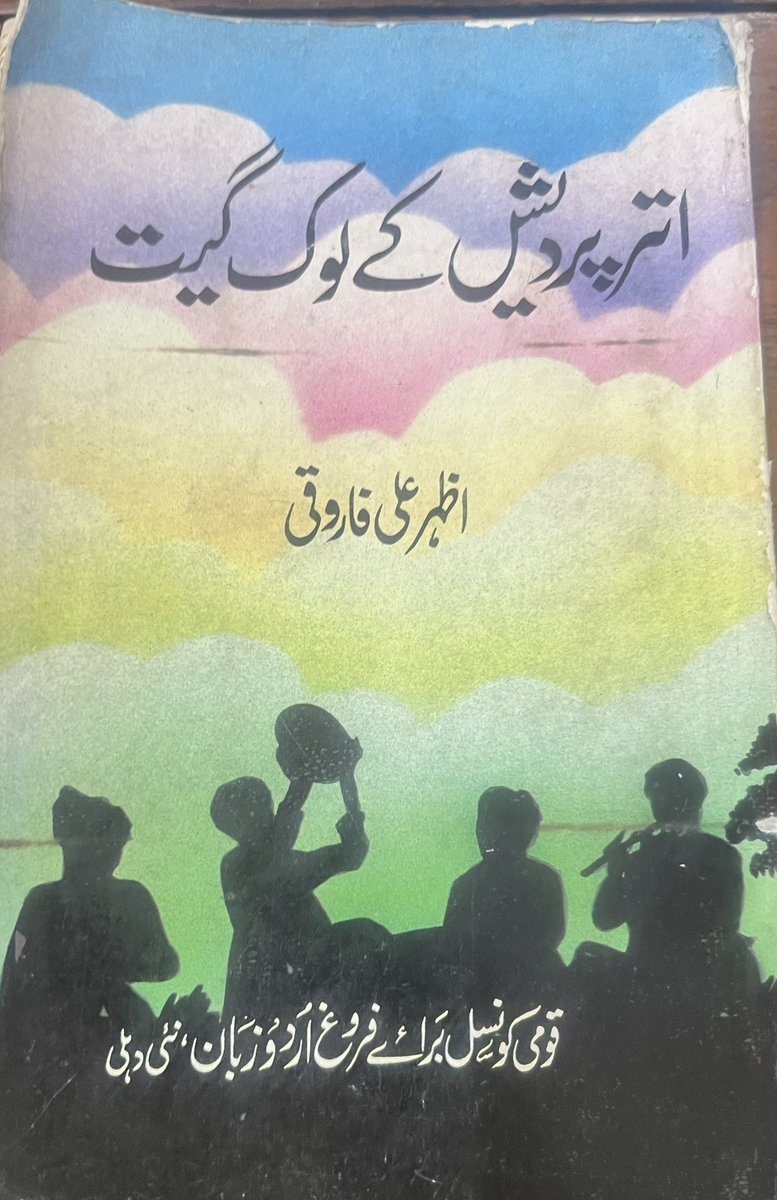
मैं अज़हर अली फ़ारूक़ी की किताब "उत्तर प्रदेश के लोकगीत" पढ़ रहा था, उसमें मुझे कुछ बेहद दिलचस्प चीज़ें समझने को मिलीं. उन्हें आपके साथ साझा कर रहा हूँ.
मैं जाहिल यही समझता रहा कि "लावणी" मराठी में ही हुआ करती है. बेशक, मेरी शायरी की समझ नाक़िस थी. इस किताब को पढ़ने के
This video that has gone viral in Kerala landed in my inbox as I woke up today in Araku.
It is a Wayanad folk song sung by a music teacher who had spotted the drumming talent of this student and joined him in an impromptu session in school.
It is teachers that create stars.
Repeat after me:
Reservations are not meant for economic upliftment.
They are meant for representation of the vast majority of those historically denied access to resources & power on account of their caste status.
Once a Dalit, always a Dalit. Caste is immutable, unlike finances
उस्ताद राशिद खान और हरिहरन जी की जुगलबंदी। दोनों कलाकारों में एक ख़ास रिश्ता है। उस्ताद राशिद खान आज जिस रामपुर सहसवां घराने का मज़बूत स्तंभ हैं उसी घराने के दिग्गज उस्ताद ग़ुलाम मुस्तफ़ा ख़ान हरि जी के गुरू थे
#Raaggiri@SingerHariharan@rabbanimk@YRDeshmukh@hvgoenka@sumrag
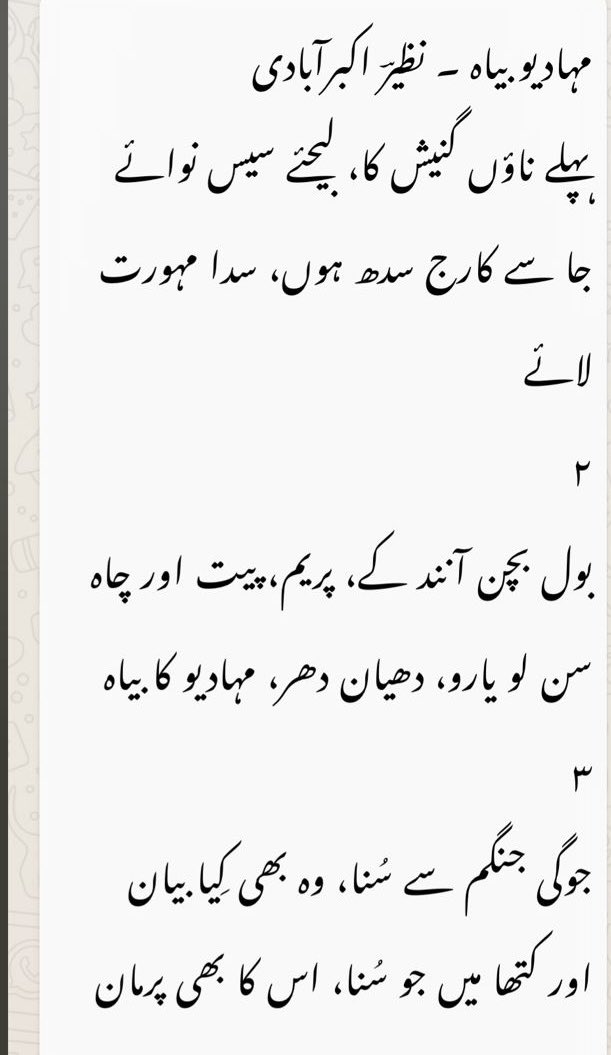
महादेव का ब्याह —- नज़ीर अकबराबादी
पहले नावँ गणेश का, लीजिए सीस नवाए
जा से करज सिद्ध हों, सदा मुहूर्त लाये
बोल बचन आनंद के, प्रेम, पीत और चाह
सुन लो यारो, ध्यान धर, महादेव का ब्याह
नज़ीर अकबराबादी की ये नज़्म सुनाने के लिए एक घंटा और दस मिनट दरकार है. जल्द ही ले कर आयेंगे
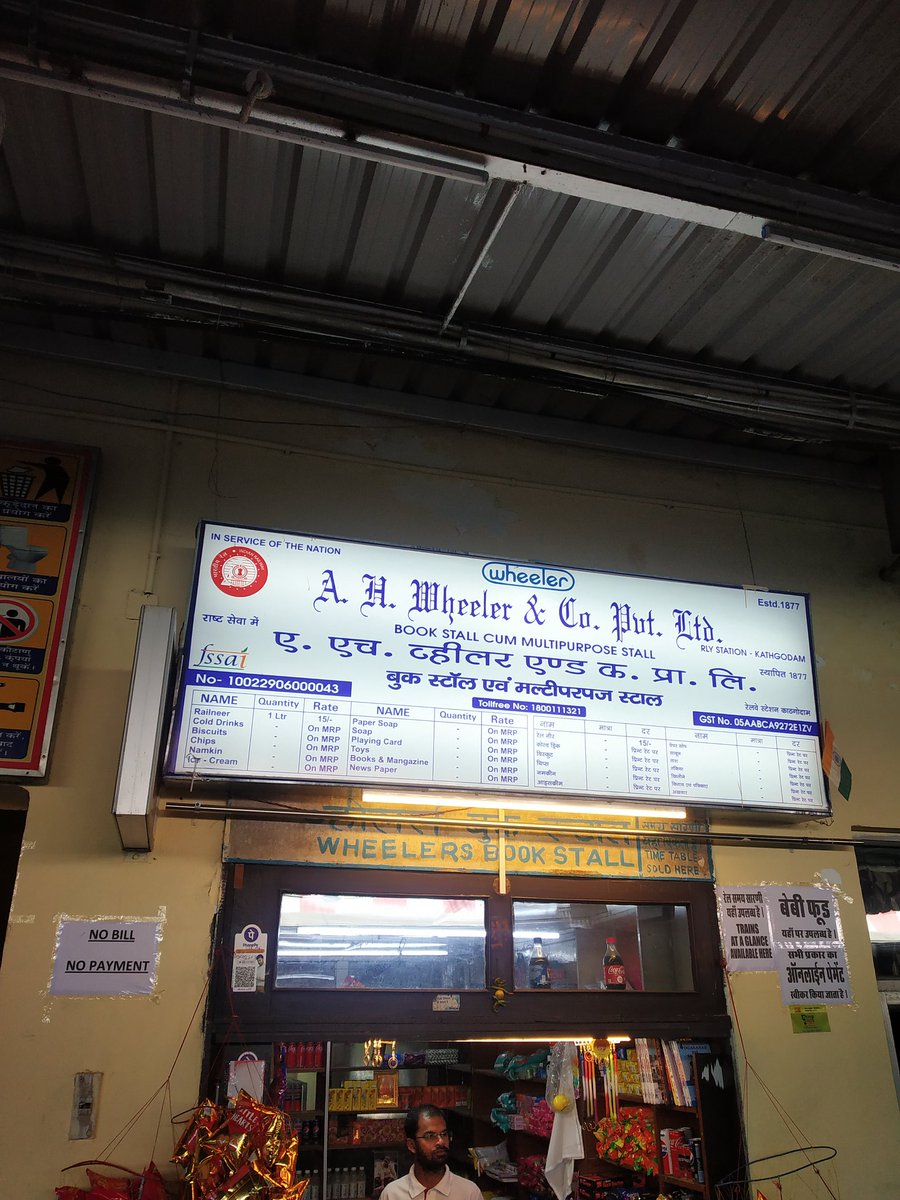
For most people born before the 90s, this was an institution that was integral in shaping our reading habits during our formative years... combining the two most pleasurable avocations of the human experience - travel and reading.